뒤로

Chapter 9: Alkynes – Structure, Properties, Synthesis, and Reactions

학습 가이드 - 영상으로 배우기

업로드한 자료에 맞춘 엄선된 수업 – 모든 주제를 단계별로 배워보세요.

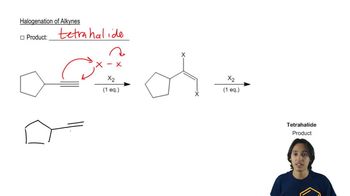
Alkyne Halogenation

  • Double halogenation of alkynes.
    02:15
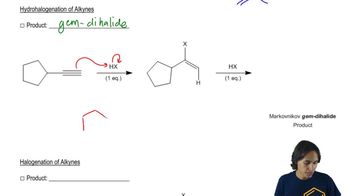
Alkyne Hydrohalogenation

  • Double hydrohalogenation of alkynes.
    02:20
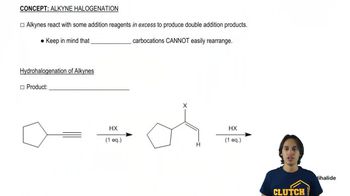
  • General properties of double addition reactions to alkynes.
    01:01

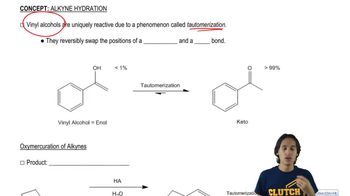
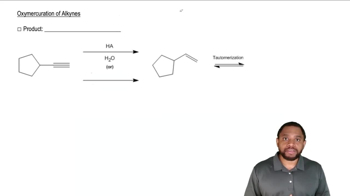
Alkyne Hydration

  • Vinyl alcohols yield tautomers.
    03:51
  • Markovnikov addition of alcohols yields ketones.
    03:29

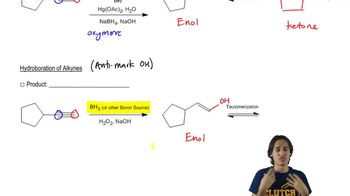
Alkyne Hydroboration

  • Anti-Markovnikov addition of alcohols to terminal alkynes yields aldehydes
    02:43

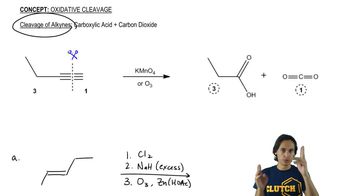
Alkyne Oxidative Cleavage

  • General features of alkyne cleavage.
    02:13
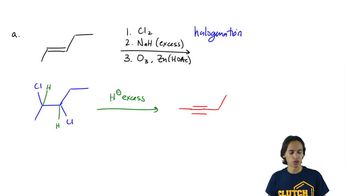
  • Predict the product of the following reaction.
    03:50

pKa Values

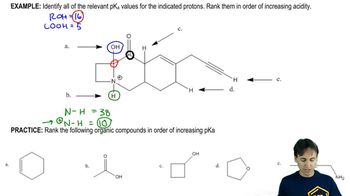
  • Identifying pKa values
    07:45
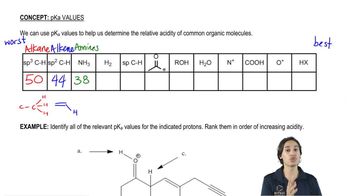
  • The 12 pKa values you want to memorize (because they are important!).
    09:36

Nucleophilic Addition

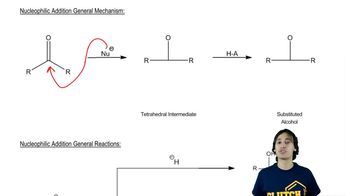
  • Nucleophilic Addition
    08:27

Reaction Mechanism

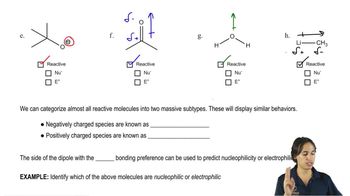
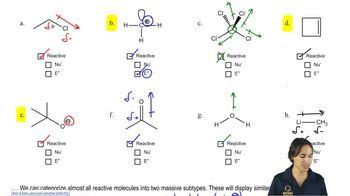
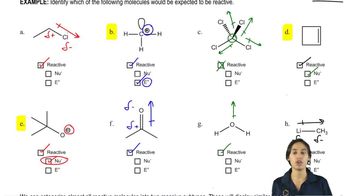
  • How to tell if charged molecules will react as nucleophiles or electrophiles.
    02:39
  • Nucleophile or Electrophile
    01:49
  • How to tell if uncharged molecules will react as nucleophiles or electrophiles.
    02:48

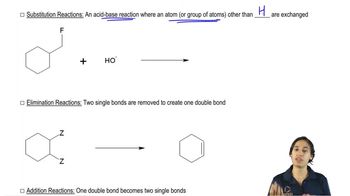
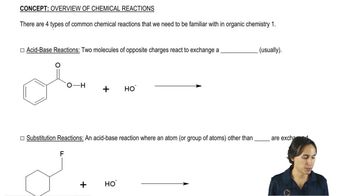
Overview of Chemical Reactions

  • Recognizing Substitution Reactions.
    01:34
  • Recognizing Acid-Base Reactions.
    02:43
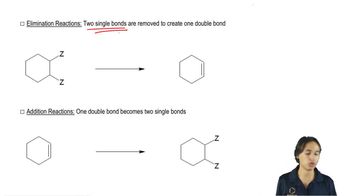
  • Recognizing Elimination Reactions.
    00:40

Hybridization

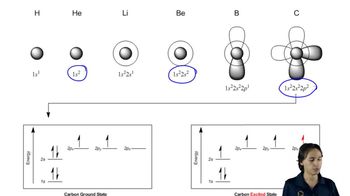
  • How carbon creates 4 partially-filled orbitals.
    02:53
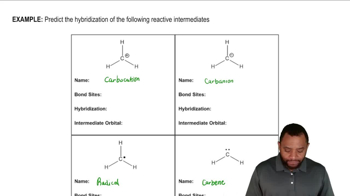
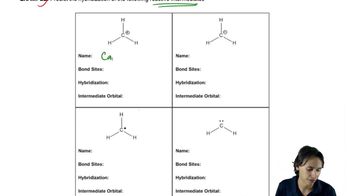
  • Bond sites, hybridization, and intermediate orbitals
    04:58
  • Introduction to the reactive intermediates.
    02:47

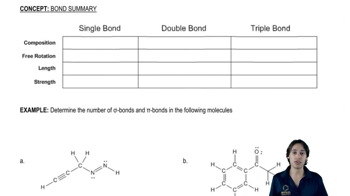
Sigma and Pi Bonds

  • Single bonds, double bonds, and triple bonds.
    06:00
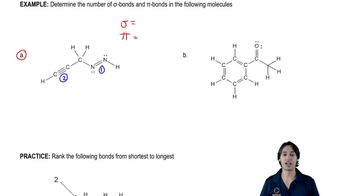
  • Sigma bonds and pi bonds
    01:05
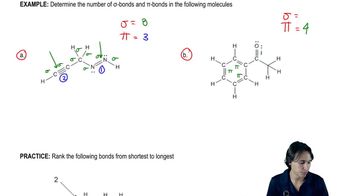
  • Sigma bonds and pi bonds
    00:59

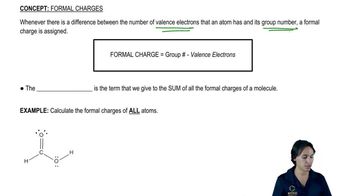
Formal Charges

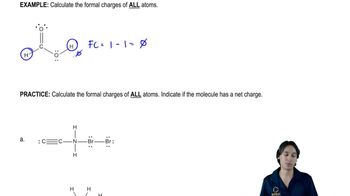
  • Calculate the formal charges of ALL atoms.
    02:21
  • Calculating formal and net charge.
    01:34

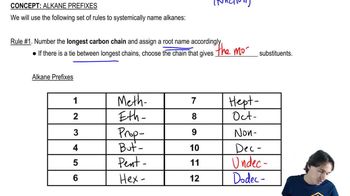
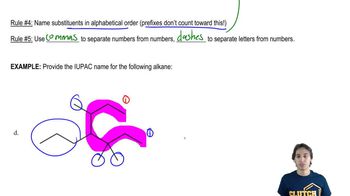
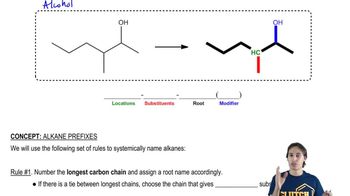
Alkane Nomenclature

  • Naming the root chain
    01:02
  • Provide the IUPAC name for the following alkane
    07:08
  • The different parts of an IUPAC name
    03:43

Leaving Groups

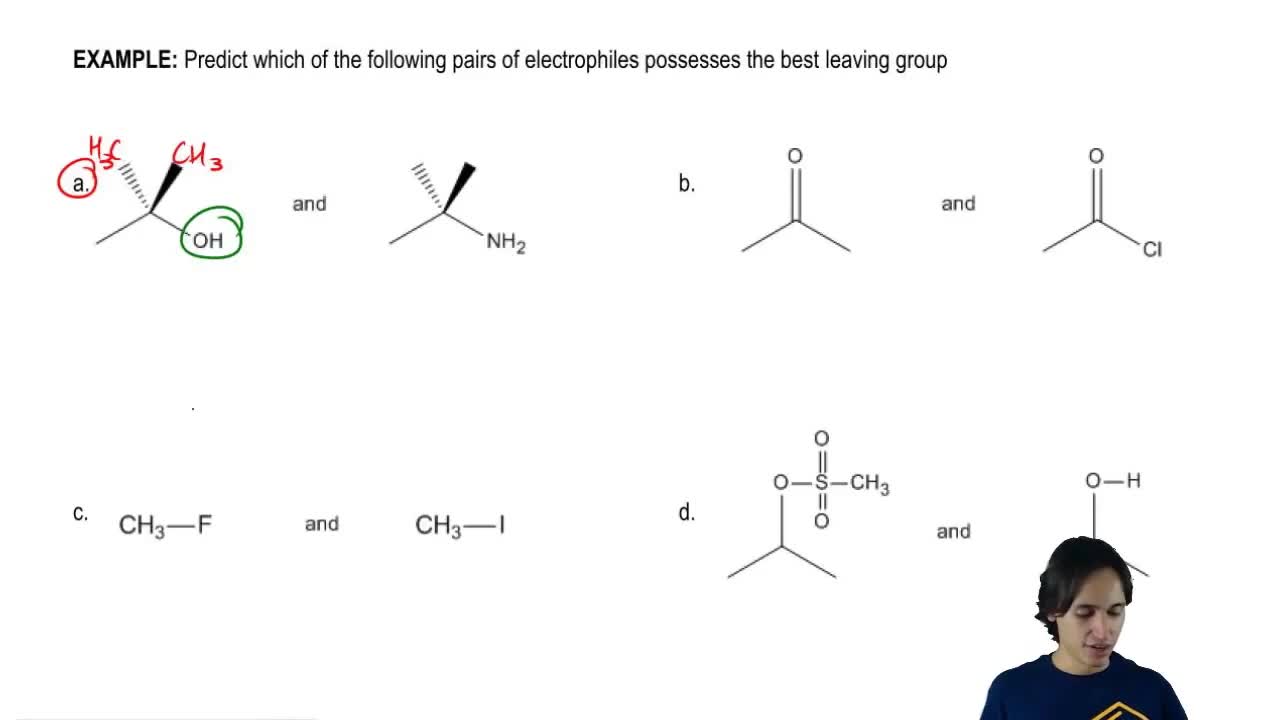
  • Predict the best leaving group
    00:50
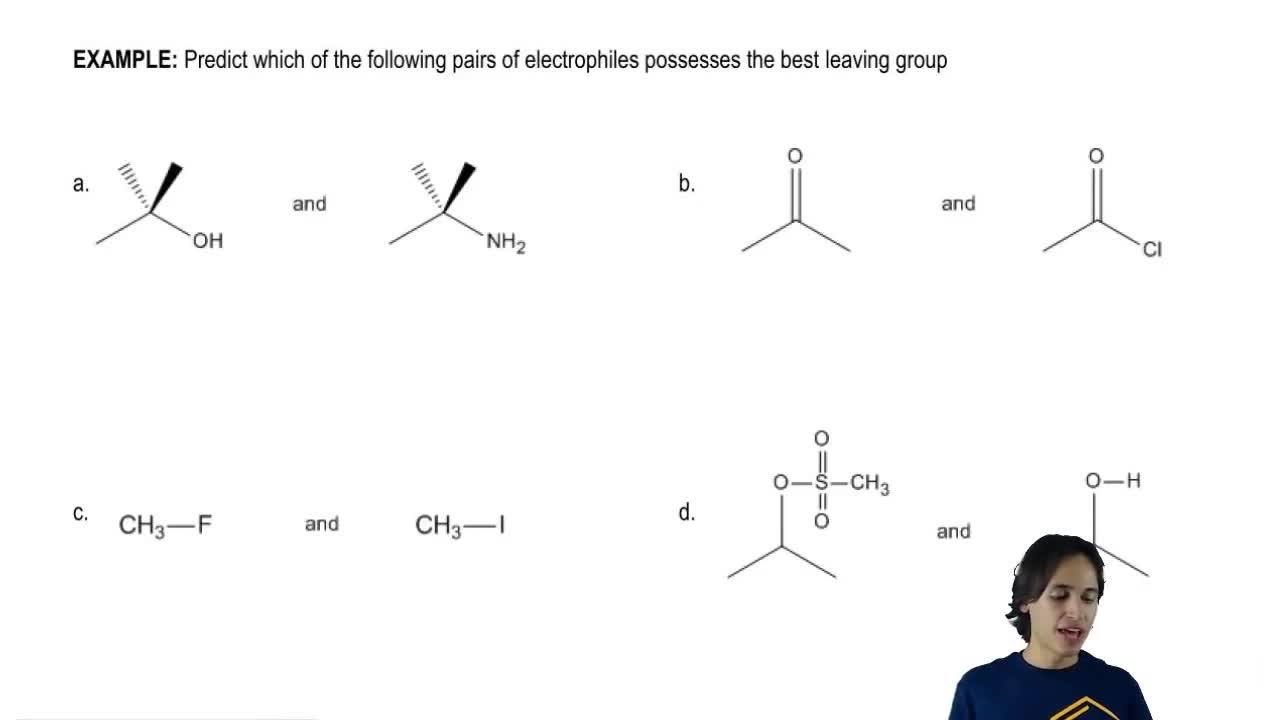
  • Predict the best leaving group
    01:12
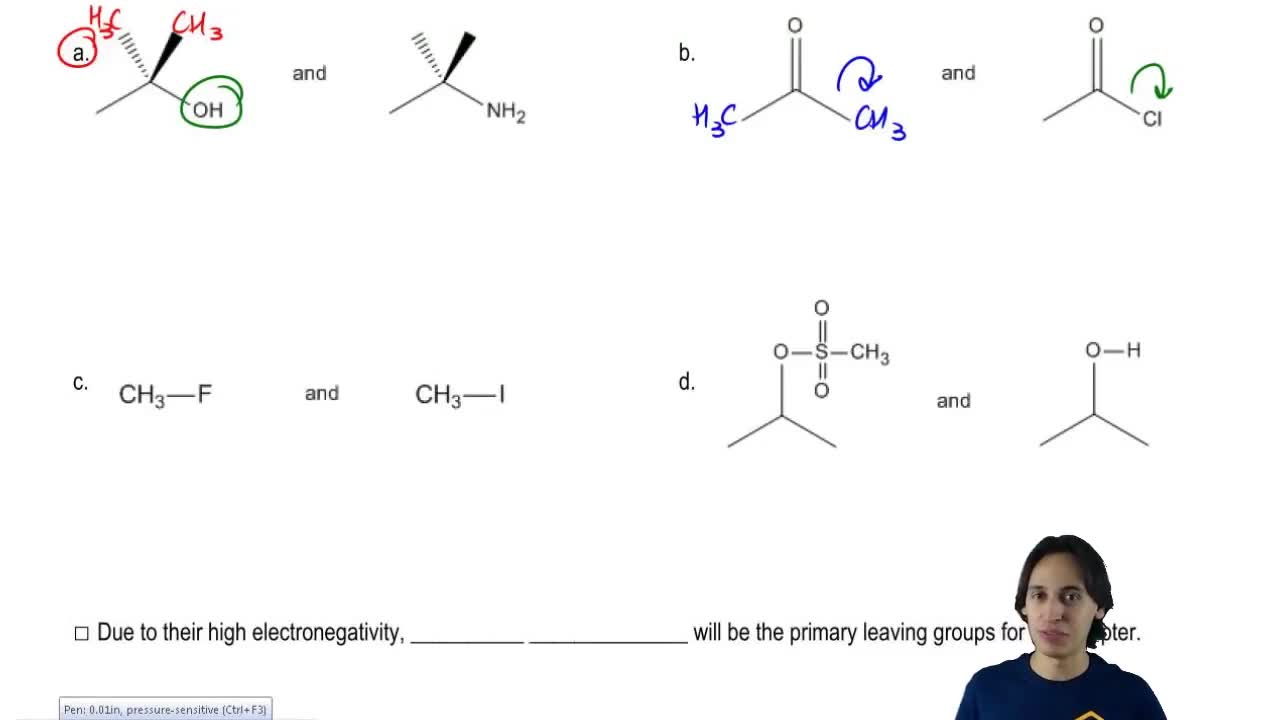
  • Predict the best leaving group
    00:36

The SN2 Mechanism

  • Ranking reactivity toward SN2
    04:03
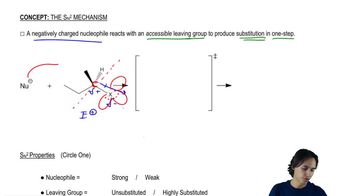
  • Drawing the SN2 Mechanism
    08:33
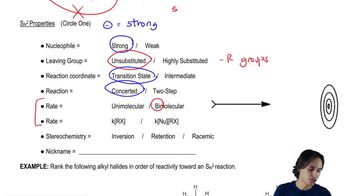
  • Understanding the properties of SN2.
    11:57

E2 Mechanism

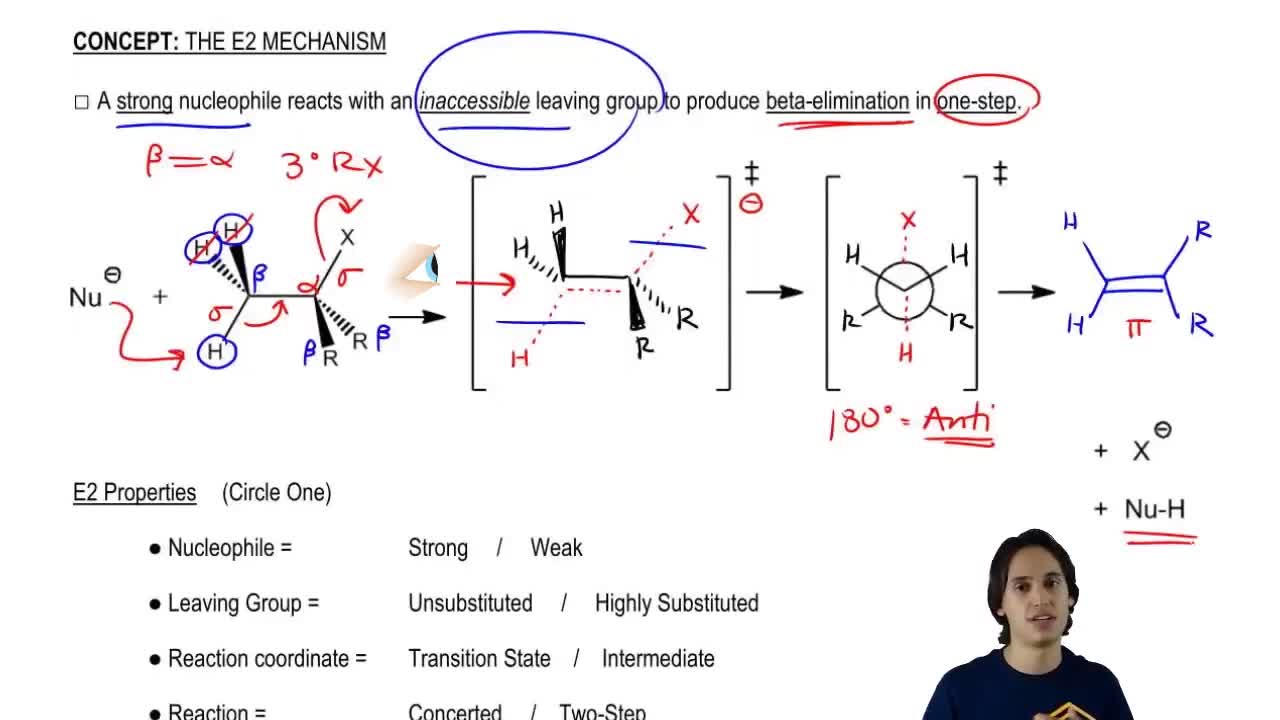
  • Understanding the properties of E2.
    04:42
  • Drawing the E2 Mechanism.
    09:36
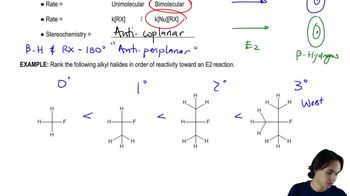
  • Rank reactivity toward E2
    02:03

Dehydrohalogenation

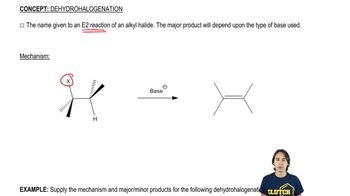
  • The dehydrohalogenation mechanism.
    03:02
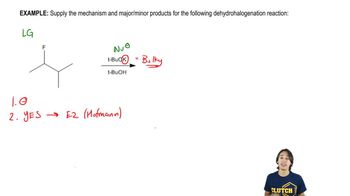
  • Dehydrohalogenation mechanism and products
    04:35