뒤로

CHE 251-003 Organic Chemistry I - Fall 2025 Syllabus and Study Guide

학습 가이드 - 영상으로 배우기

업로드한 자료에 맞춘 엄선된 수업 – 모든 주제를 단계별로 배워보세요.

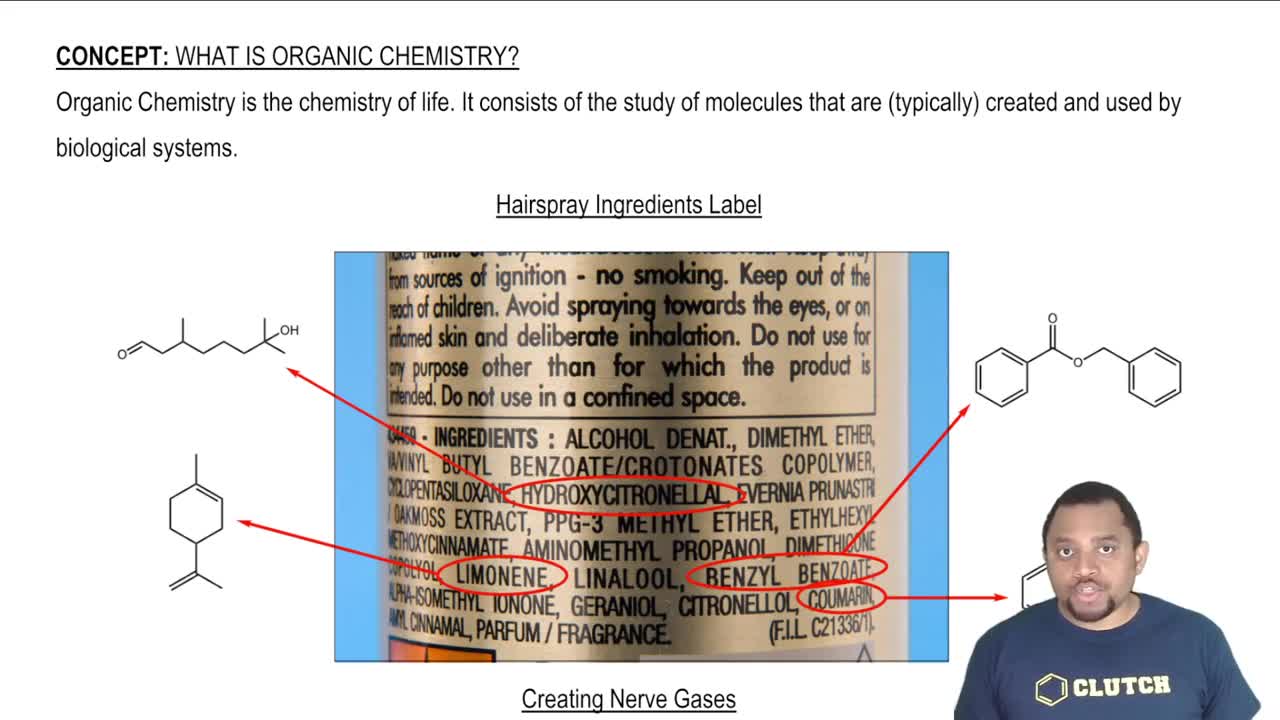
What is Organic Chemistry?

  • Organic molecules in your everyday life.
    02:08
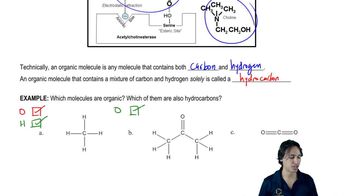
  • Identifying organic molecules
    02:17

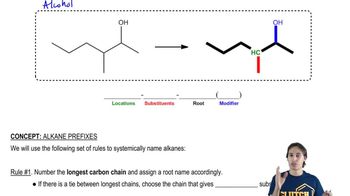
Alkane Nomenclature

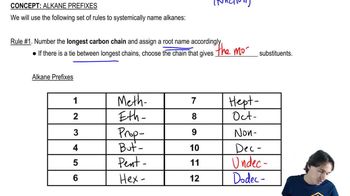
  • Naming the root chain
    01:02
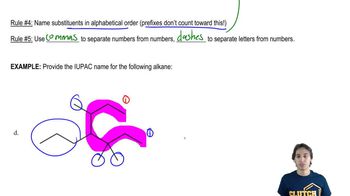
  • Provide the IUPAC name for the following alkane
    07:08
  • The different parts of an IUPAC name
    03:43

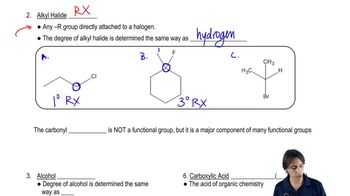
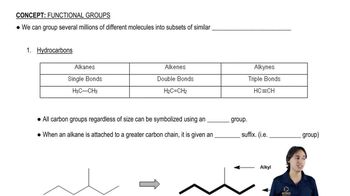
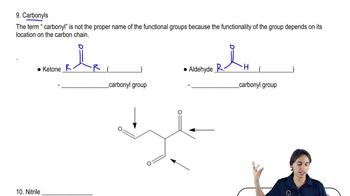
Functional Groups

  • Assigning Degrees to Alkyl Halides
    01:30
  • Why we need functional groups.
    01:49
  • The difference between aldehydes and ketones.
    03:08

Formal Charges

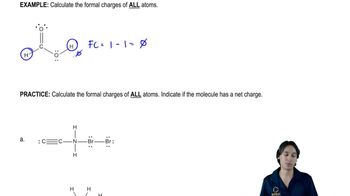
  • Calculate the formal charges of ALL atoms.
    02:21
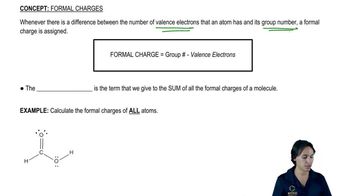
  • Calculating formal and net charge.
    01:34

Lewis Structure

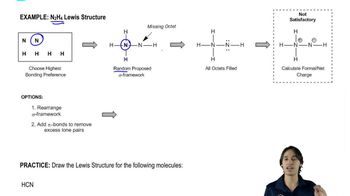
  • Drawing the Lewis Structure for N2H4.
    04:12
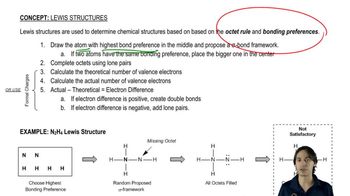
  • How to use Organic Chemistry to make Lewis Structures easier.
    03:49

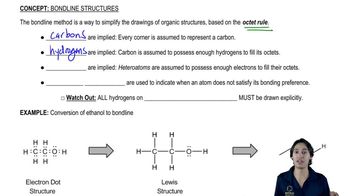
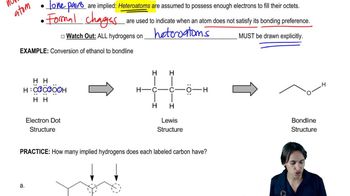
Skeletal Structure

  • How bondline is different from Lewis Structures.
    04:03
  • Conversion of ethanol from electron dot to bondline
    01:50

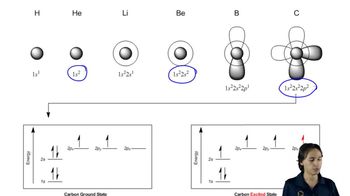
Hybridization

  • How carbon creates 4 partially-filled orbitals.
    02:53
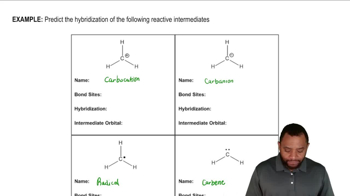
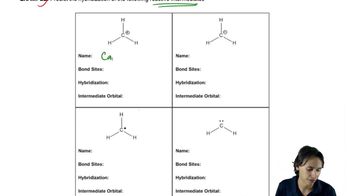
  • Bond sites, hybridization, and intermediate orbitals
    04:58
  • Introduction to the reactive intermediates.
    02:47

Molecular Geometry

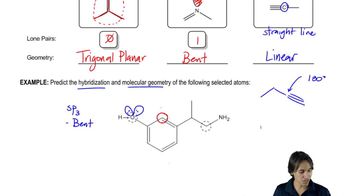
  • Predict the hybridization and molecular geometry
    01:54
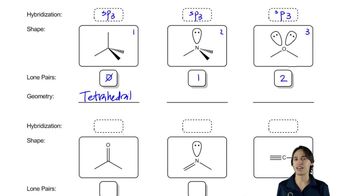
  • Molecular Geometry Explained.
    07:44

Electronegativity

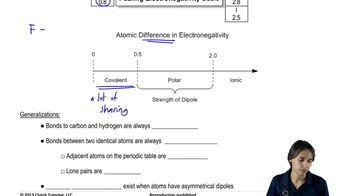
  • Differences between ionic, polar and covalent bonds
    11:33

Intermolecular Forces

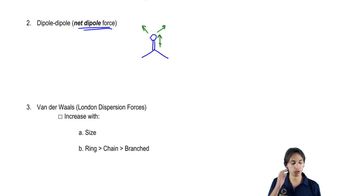
  • How dipole-dipole forces work.
    01:46
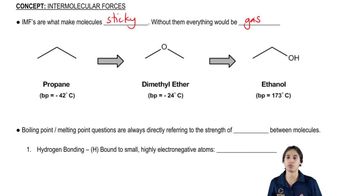
  • How IMFs are related to melting and boiling points.
    03:08
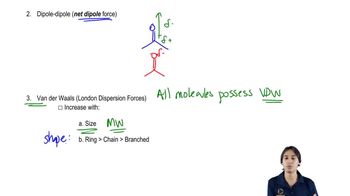
  • How Van der Waals forces work.
    03:01

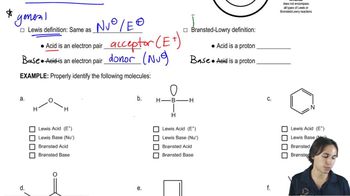
Acid and Base Definitions

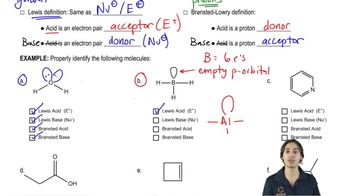
  • Lewis vs. Bronsted-Lowry Definition
    07:46
  • The Bronsted-Lowry definition of acids and bases.
    00:54
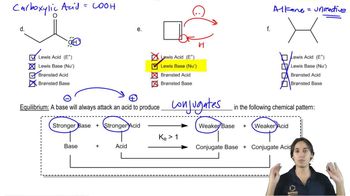
  • Equilibrium constant and conjugates.
    02:11

pKa Values

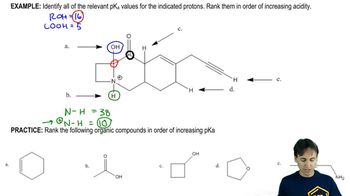
  • Identifying pKa values
    07:45
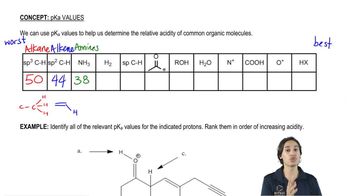
  • The 12 pKa values you want to memorize (because they are important!).
    09:36

Overview of Chemical Reactions

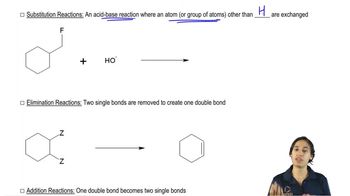
  • Recognizing Substitution Reactions.
    01:34
  • Recognizing Acid-Base Reactions.
    02:43
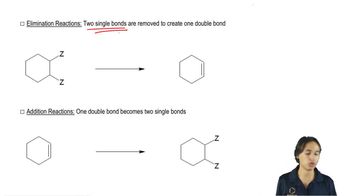
  • Recognizing Elimination Reactions.
    00:40

Reaction Mechanism

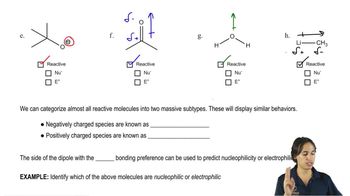
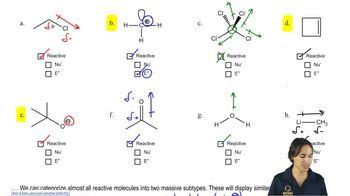
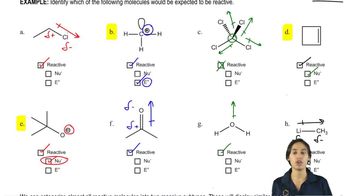
  • How to tell if charged molecules will react as nucleophiles or electrophiles.
    02:39
  • Nucleophile or Electrophile
    01:49
  • How to tell if uncharged molecules will react as nucleophiles or electrophiles.
    02:48

Radical Reaction

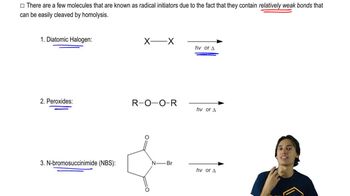
  • What are Radical Initiators?
    03:49
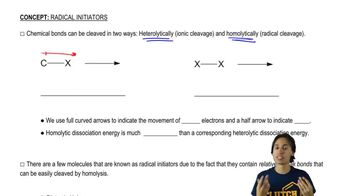
  • Heterolytic vs. Homolytic Bond Cleavage .
    04:39

Introduction to Substitution

  • Predict the product
    05:55
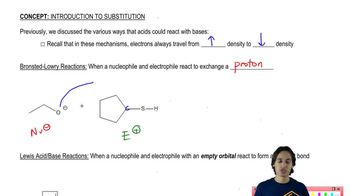
  • Nucleophiles and Electrophiles can react in Bronsted-Lowry Reactions.
    05:01
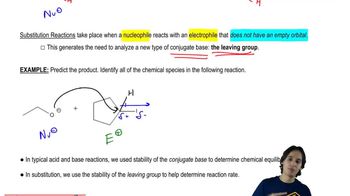
  • Nucleophiles and Electrophiles can react in Substitution Reactions.
    01:47

SN1 Reaction

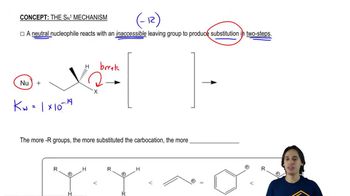
  • Drawing the SN1 Mechanism
    10:49
  • Why highly substituted leaving groups favor SN1.
    01:13
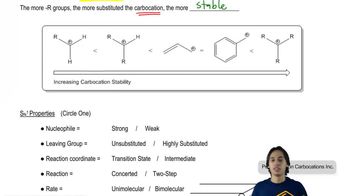
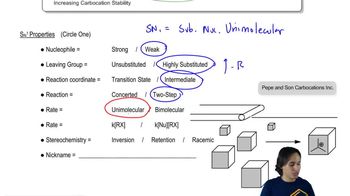
  • Understanding the properties of SN1.
    08:16

The SN2 Mechanism

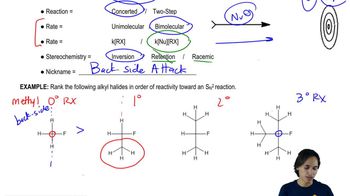
  • Ranking reactivity toward SN2
    04:03
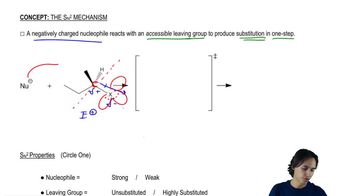
  • Drawing the SN2 Mechanism
    08:33
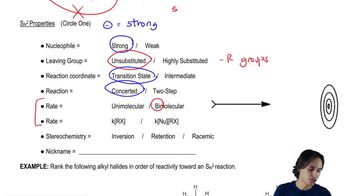
  • Understanding the properties of SN2.
    11:57

E2 Mechanism

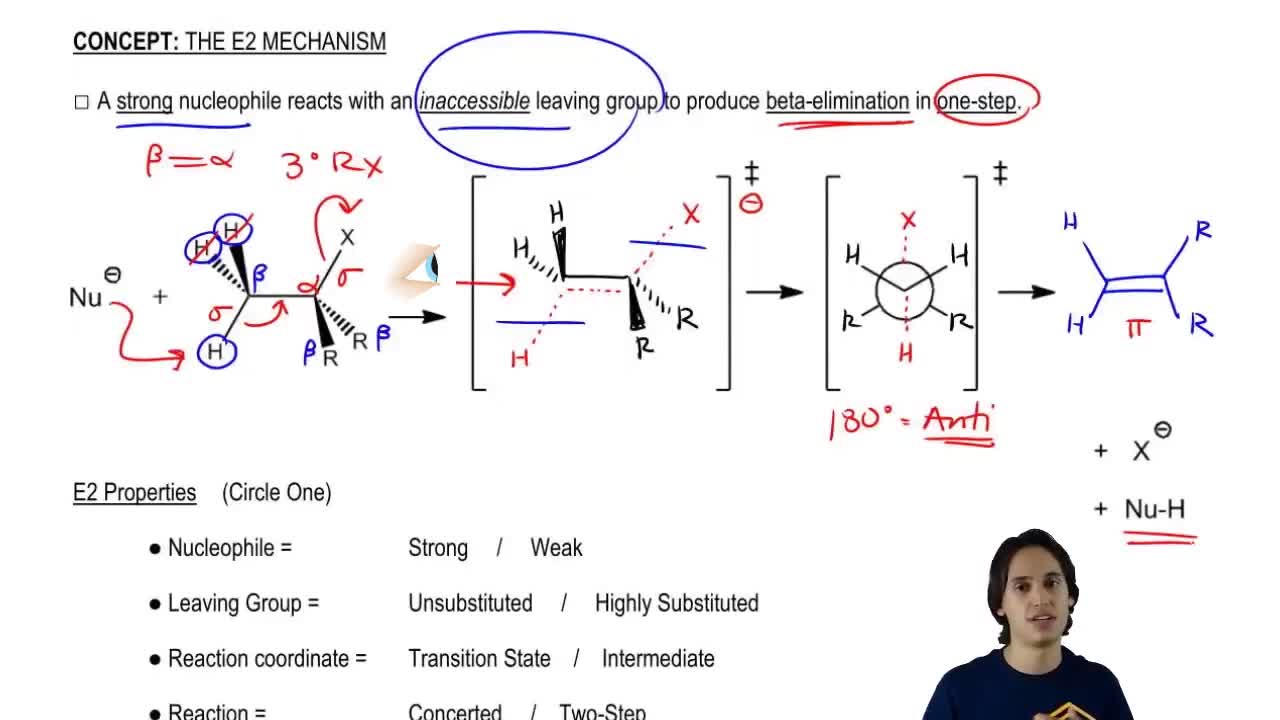
  • Understanding the properties of E2.
    04:42
  • Drawing the E2 Mechanism.
    09:36
  • Rank reactivity toward E2
    02:03

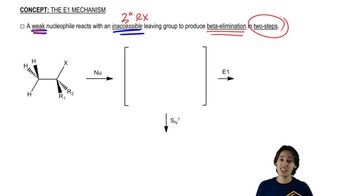
The E1 Mechanism

  • Understanding the properties of E1.
    03:32
  • Drawing the E1 Mechanism.
    08:09

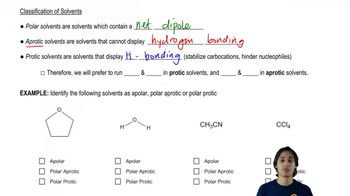
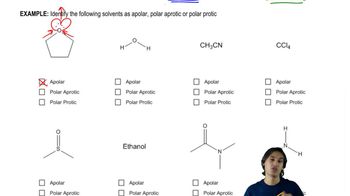
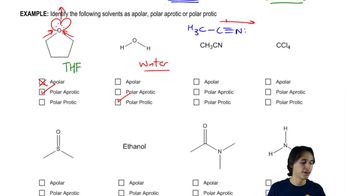
Solvents

  • The difference between protic vs. aprotic solvents.
    03:57
  • Identification of polarity in solvents
    01:16
  • Identification of polarity in solvents
    00:39

Leaving Groups

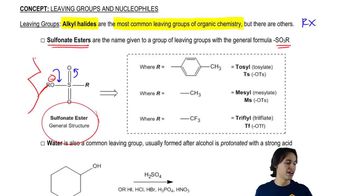
  • The 3 important leaving groups to know.
    07:22

Nucleophiles and Basicity

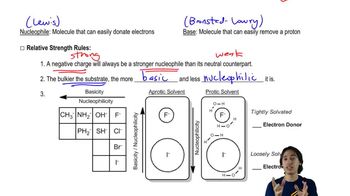
  • Understanding the difference between basicity and nucleophilicity.
    06:21

SN1 SN2 E1 E2 Chart (Big Daddy Flowchart)

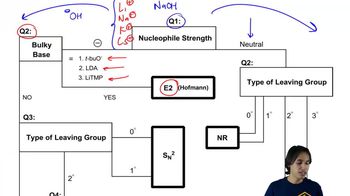
  • How to predict SN2 and E2 mechanisms.
    09:52
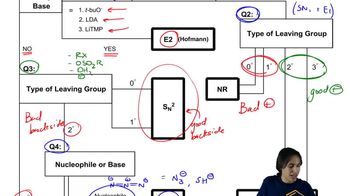
  • How to predict SN1 and E1 mechanisms.
    06:30
  • Overview of the flowchart.
    02:27