뒤로

Chimie des Halogénoalcanes, Alcools, Éthers, Thiols et Amines : Substitutions et Éliminations

학습 가이드 - 영상으로 배우기

업로드한 자료에 맞춘 엄선된 수업 – 모든 주제를 단계별로 배워보세요.

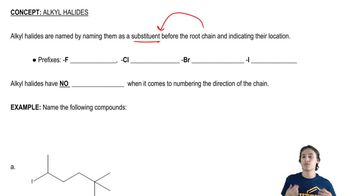
Naming Alkyl Halides

  • How to name alkyl halides
    01:52
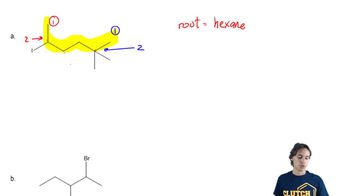
  • Name the following alkyl halide
    01:58
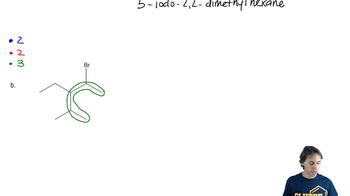
  • Name the following alkyl halide
    03:53

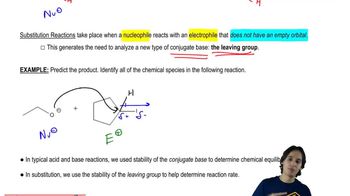
Introduction to Substitution

  • Predict the product
    05:55
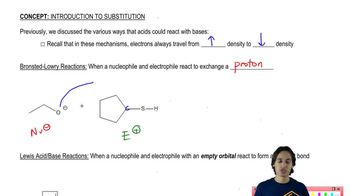
  • Nucleophiles and Electrophiles can react in Bronsted-Lowry Reactions.
    05:01
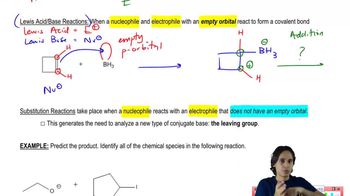
  • Nucleophiles and Electrophiles can react in Substitution Reactions.
    01:47

Leaving Groups

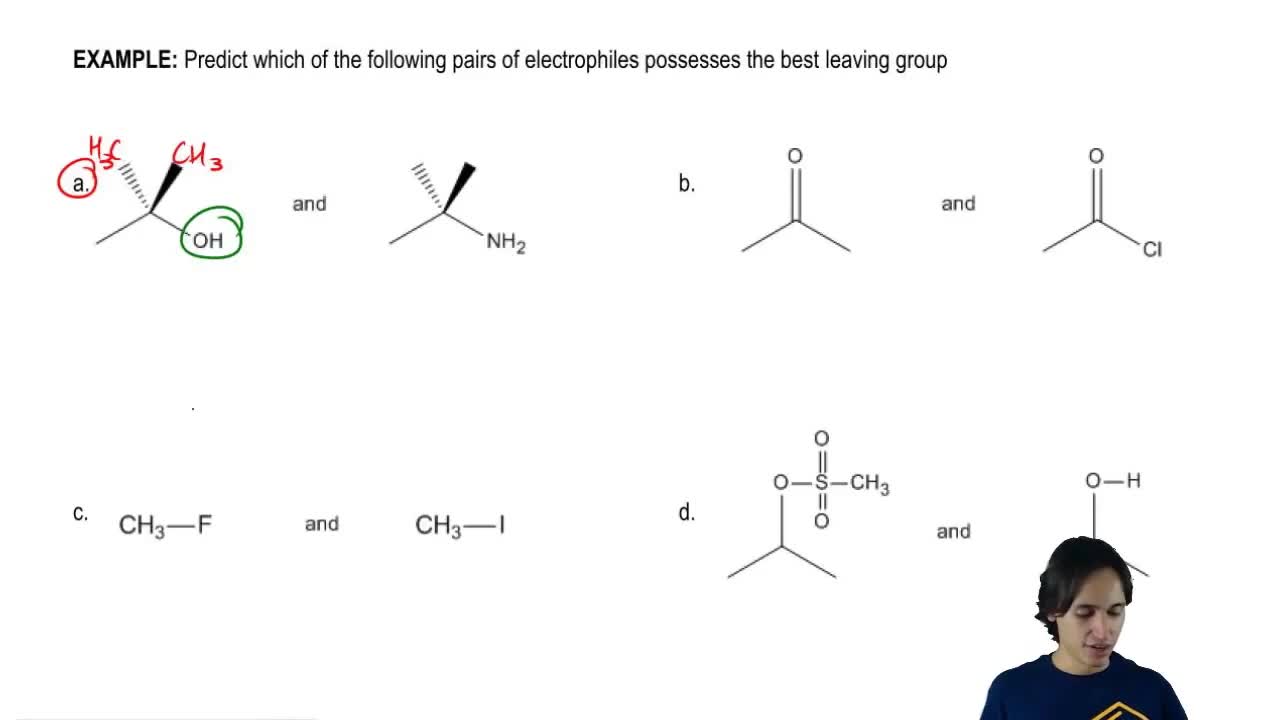
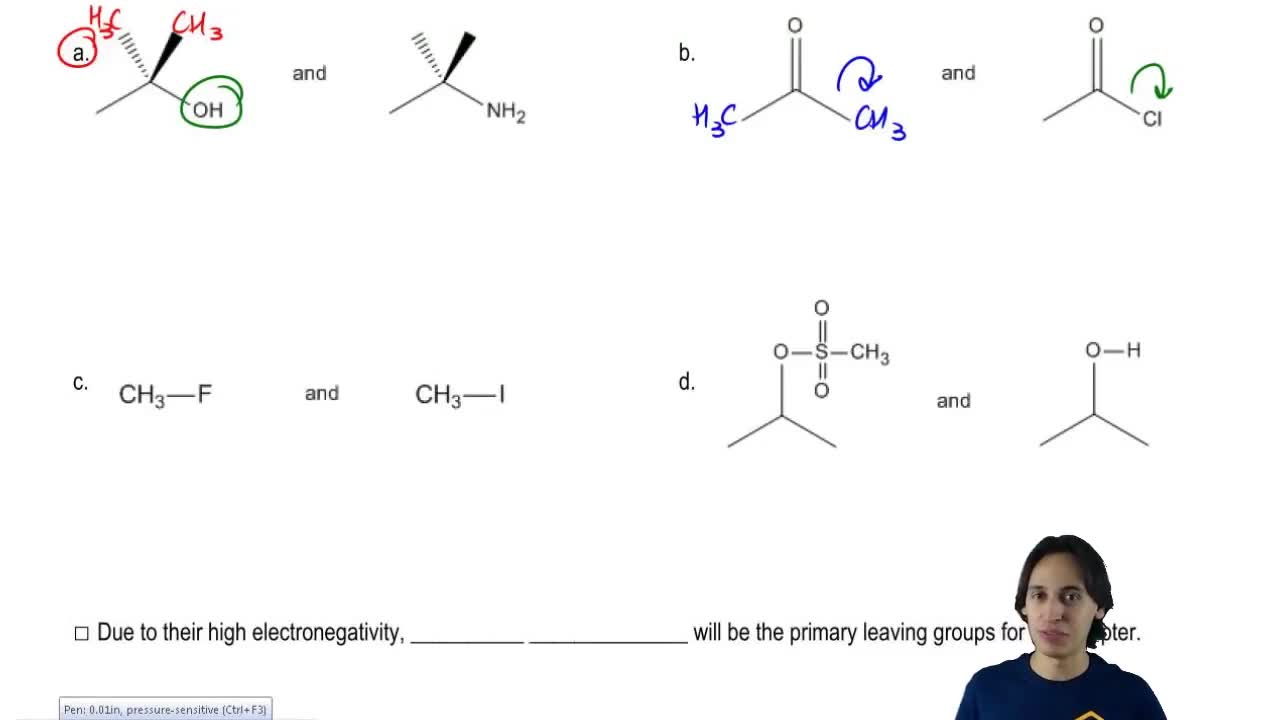
  • Predict the best leaving group
    00:50
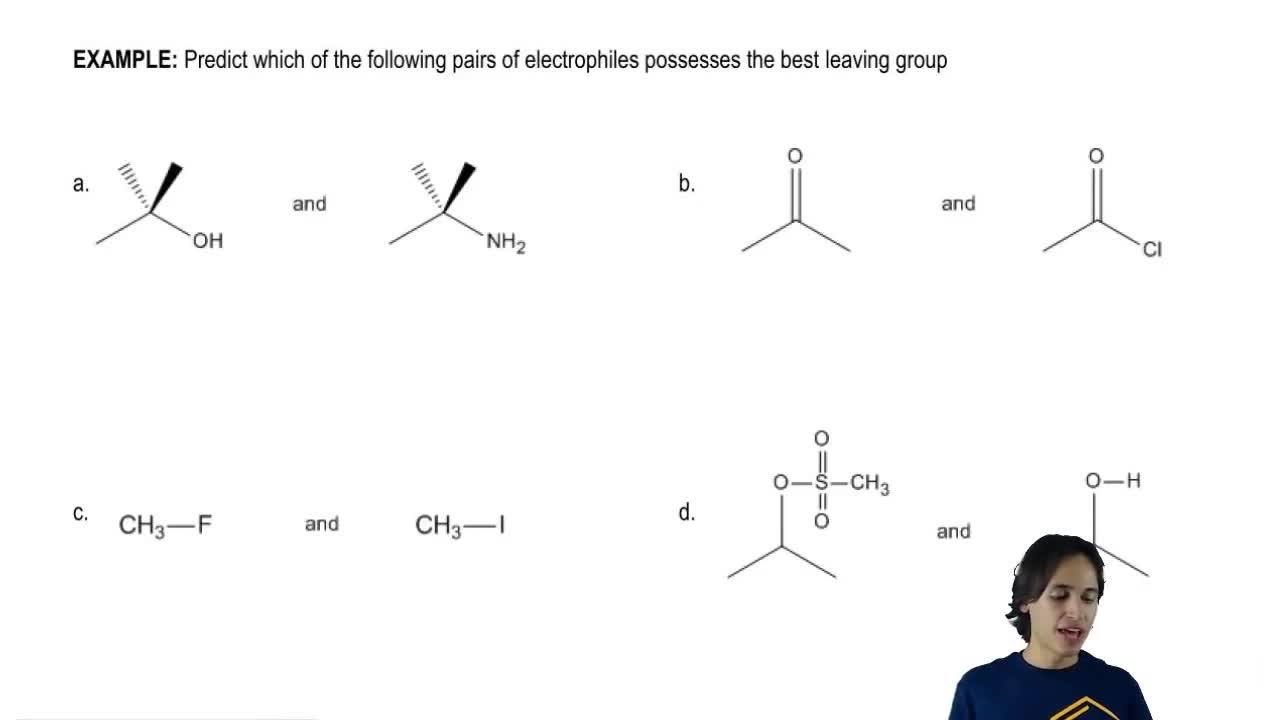
  • Predict the best leaving group
    01:12
  • Predict the best leaving group
    00:36

The SN2 Mechanism

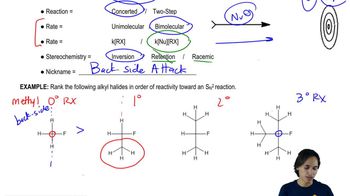
  • Ranking reactivity toward SN2
    04:03
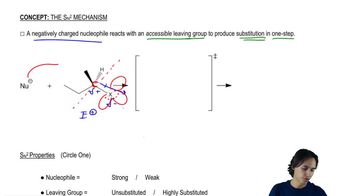
  • Drawing the SN2 Mechanism
    08:33
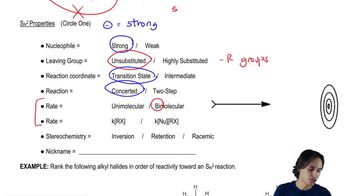
  • Understanding the properties of SN2.
    11:57

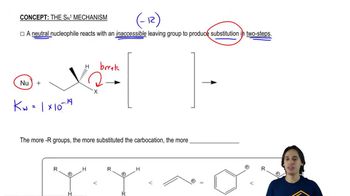
SN1 Reaction

  • Drawing the SN1 Mechanism
    10:49
  • Why highly substituted leaving groups favor SN1.
    01:13
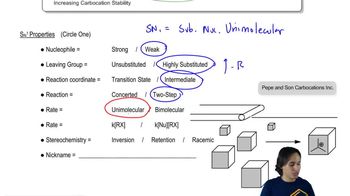
  • Understanding the properties of SN1.
    08:16

Solvents

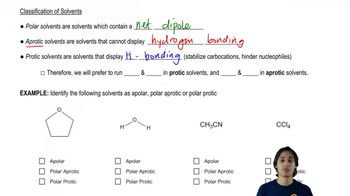
  • The difference between protic vs. aprotic solvents.
    03:57
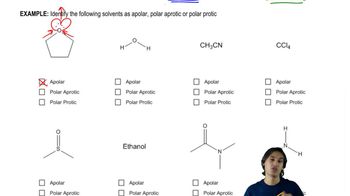
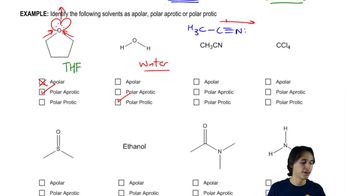
  • Identification of polarity in solvents
    01:16
  • Identification of polarity in solvents
    00:39

Leaving Groups

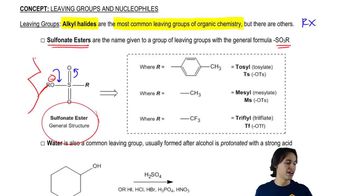
  • The 3 important leaving groups to know.
    07:22

Nucleophiles and Basicity

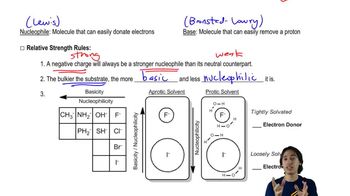
  • Understanding the difference between basicity and nucleophilicity.
    06:21

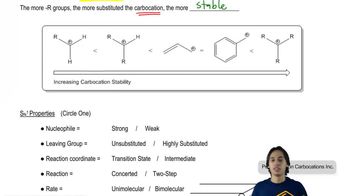
Carbocation Intermediates – Stability

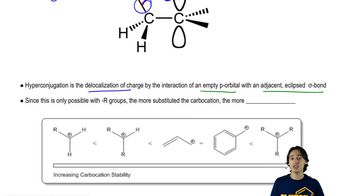
  • Determining Carbocation Stability
    05:58
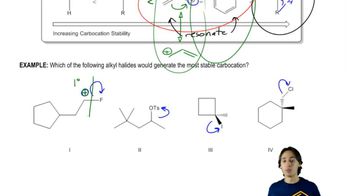
  • Predicting the most stable carbocation
    01:21

E2 Mechanism

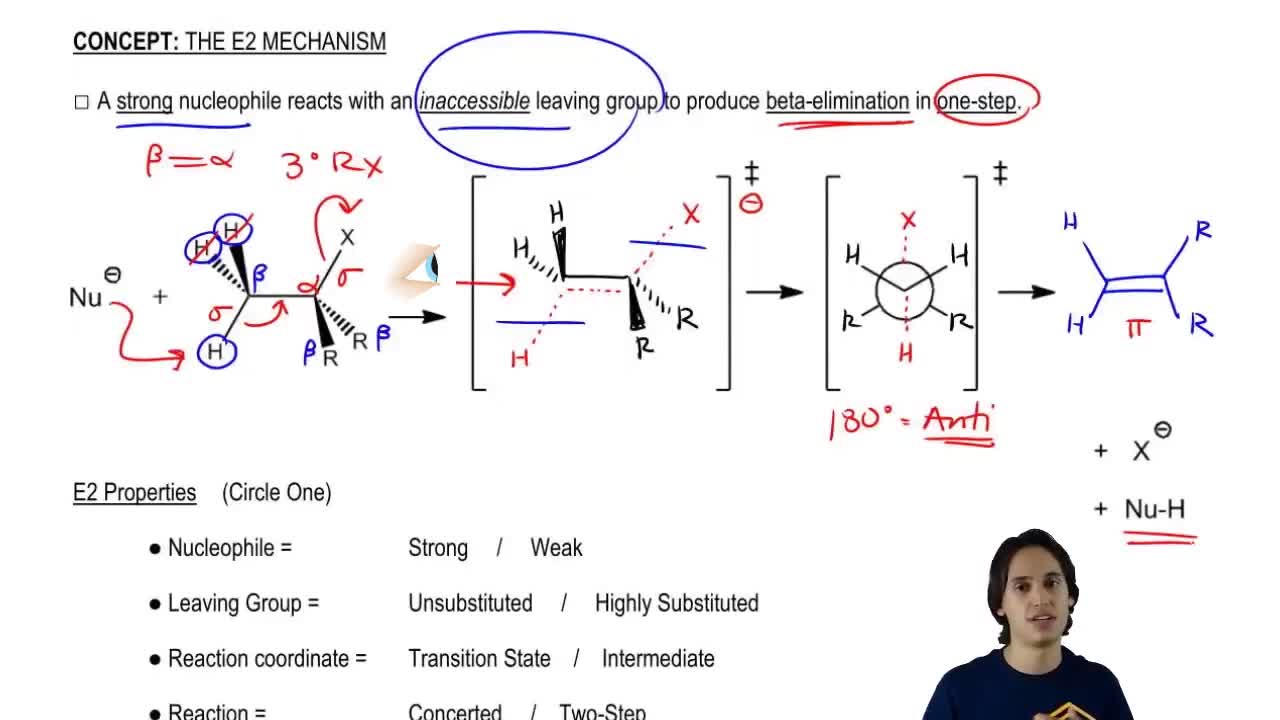
  • Understanding the properties of E2.
    04:42
  • Drawing the E2 Mechanism.
    09:36
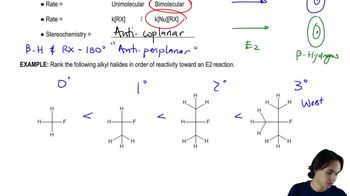
  • Rank reactivity toward E2
    02:03

The Anti-Coplanar Requirement

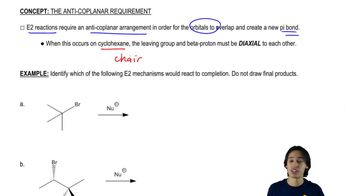
  • The Anti-Coplanar Requirement
    03:19
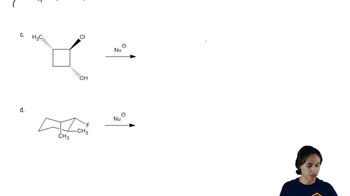
  • Identify the completion of E2 mechanisms
    03:39
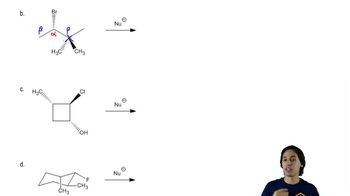
  • Identify the completion of E2 mechanisms
    01:09

The E1 Mechanism

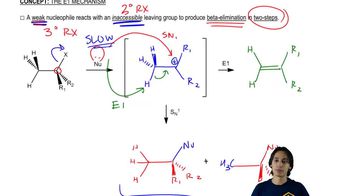
  • Understanding the properties of E1.
    03:32
  • Drawing the E1 Mechanism.
    08:09

SN1 SN2 E1 E2 Chart (Big Daddy Flowchart)

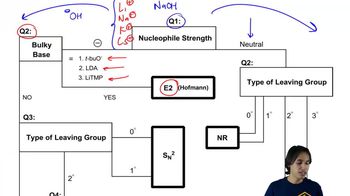
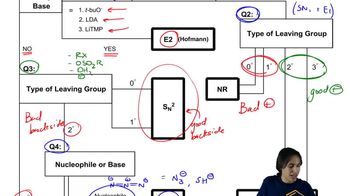
  • How to predict SN2 and E2 mechanisms.
    09:52
  • How to predict SN1 and E1 mechanisms.
    06:30
  • Overview of the flowchart.
    02:27

Cumulative Substitution/Elimination

  • Intro to Substitution/Elimination Problems
    00:38

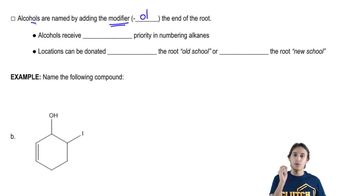
Naming Alcohols

  • How to name alcohols
    01:01
  • Name the following compound
    03:59
  • Old school vs. new school naming
    03:03

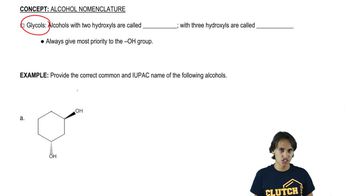
Alcohol Nomenclature

  • Provide the correct common and IUPAC name.
    01:49
  • How to name polyols.
    01:47
  • Provide the correct common and IUPAC name.
    00:59

Oxidizing and Reducing Agents

  • Distinguishing between Oxidation and Reduction
    00:54
  • Distinguishing between Oxidation and Reduction
    01:18
  • Distinguishing between Oxidation and Reduction
    00:54

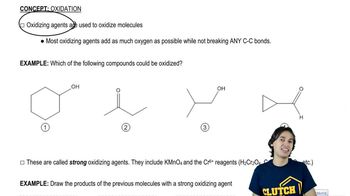
Oxidizing Agent

  • Reagents
    01:52
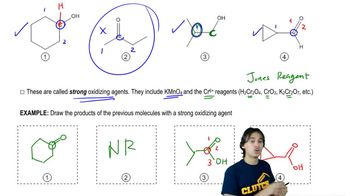
  • Strong oxidizing agents
    05:53
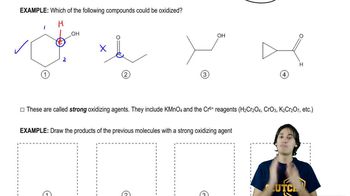
  • Strong oxidizing agents
    03:40

Reducing Agent

  • Intro
    00:15
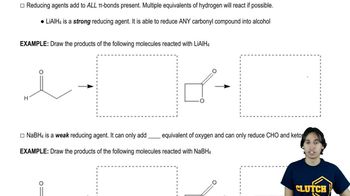
  • Reducing Agents
    09:28

Nucleophilic Addition

  • Nucleophilic Addition
    08:27

Preparation of Organometallics

  • Ruining Organometallics
    02:50
  • General Reaction
    12:21

Grignard Reaction

  • Reactions of Organometallics
    13:40

Protecting Alcohols from Organometallics

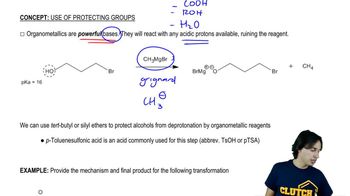
  • Use of Protecting Groups
    04:34
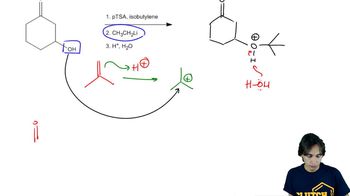
  • Provide mechanism and final product of transformation.
    04:45

Organometallic Cumulative Practice

  • Intro to Predict the Product
    00:24
  • Intro to Retrosynthesis
    00:22
Carbocation Intermediate Rearrangements

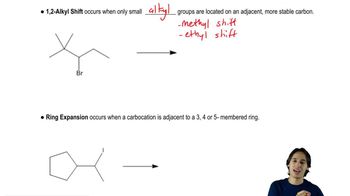
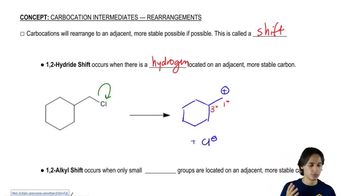
  • Alkyl Shift
    03:43
  • Understanding why carbocations shift.
    00:47
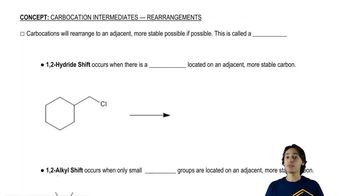
  • Hydride Shift
    03:34

Leaving Group Conversions - Using HX

  • Why do we need to convert Alcohol into a good leaving group?
    02:03
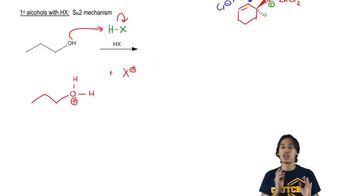
  • Using HX acids via SN2 reaction.
    02:16
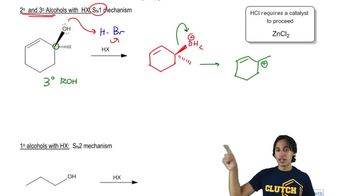
  • Using HX acids via SN1 reaction.
    07:20

Leaving Group Conversions - SOCl2 and PBr3

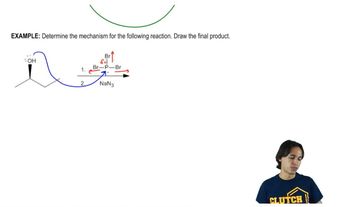
  • Predict the mechanism of PBr3, and draw the final product.
    06:01
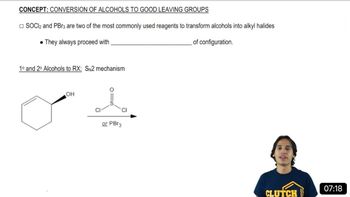
  • Learning the mechanism of SOCl2.
    07:18

Leaving Group Conversions - Sulfonyl Chlorides

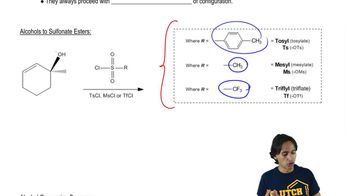
  • Learning the mechanism of Sulfonyl Chlorides.
    05:33

Leaving Group Conversions Summary

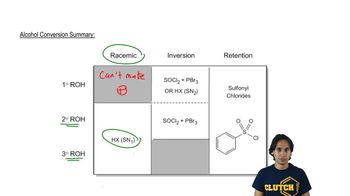
  • Comparing and contrasting the Alcohol Conversions.
    04:30

Naming Ethers

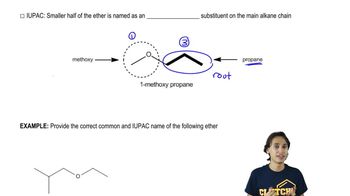
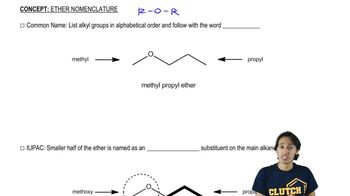
  • How to name ethers using the IUPAC naming system.
    02:08
  • How to name ethers using the common naming system.
    01:32
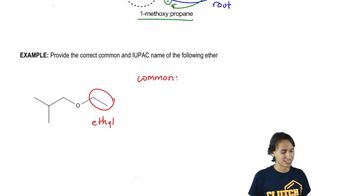
  • Provide the correct common name of the following ether.
    01:22

Naming Epoxides

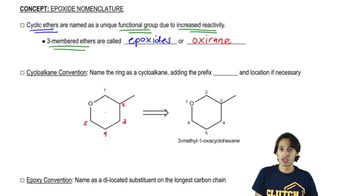
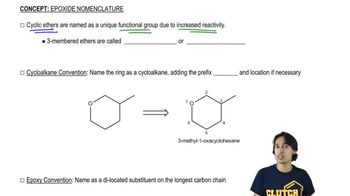
  • How to name cyclic ethers using the cycloalkane convention.
    03:23
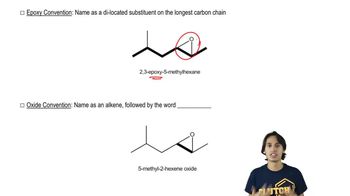
  • How to name epoxides using the epoxy convention.
    01:20
  • Defining what an epoxide (oxirane) is.
    01:09

Williamson Ether Synthesis

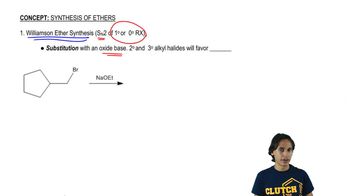
  • The Mechanism of Williamson Ether Synthesis.
    03:50

Making Ethers - Alkoxymercuration

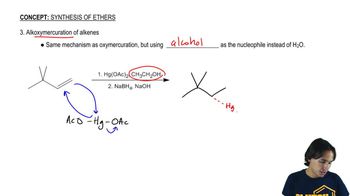
  • The Mechanism of Alkoxymercuation.
    04:21

Making Ethers - Alcohol Condensation

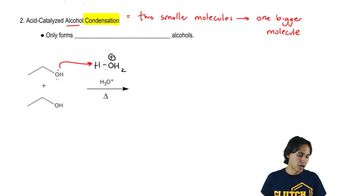
  • The Mechanism of Alcohol Condensation.
    04:33

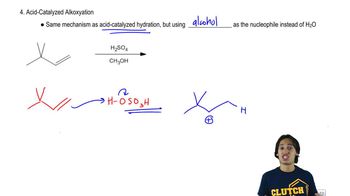
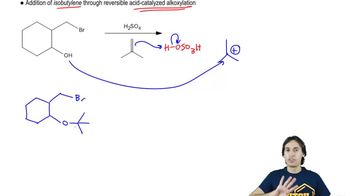
Making Ethers - Acid-Catalyzed Alkoxylation

  • The Mechanism of Alkoxylation.
    04:25

Making Ethers - Cumulative Practice

  • Making Ethers - Intro
    00:10

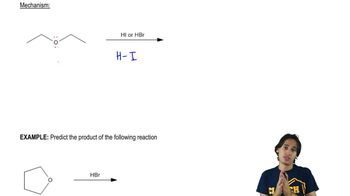
Ether Cleavage

  • How to predict the products of Ether Cleavage.
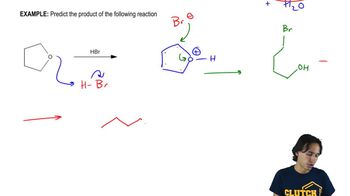
    04:22
  • Predict the product of the following reaction.
    03:44

Alcohol Protecting Groups

  • General features of Alcohol Protecting Groups.
    03:01

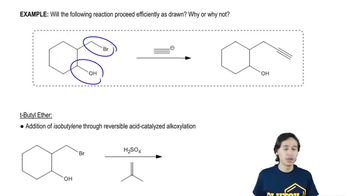
t-Butyl Ether Protecting Groups

  • Mechanism of t-Butyl Ether Protecting Groups.
    05:49

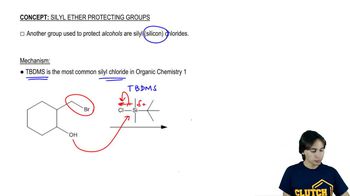
Silyl Ether Protecting Groups

  • Mechanism of Silyl Ether Protecting Groups.
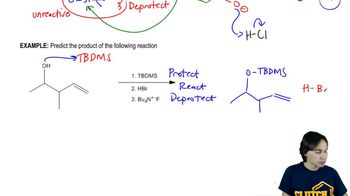
    07:16
  • Predict the product of the following reaction.
    03:37

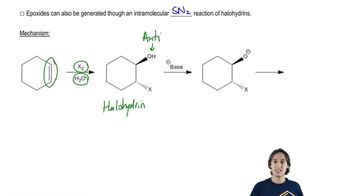
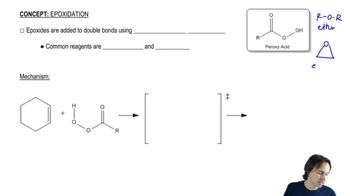
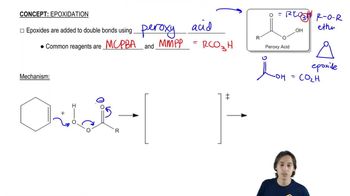
Epoxidation

  • Halohydrins to epoxides via intramolecular SN2.
    02:26
  • General properties of epoxidation.
    02:19
  • The mechanism of how peroxy acids make epoxides.
    03:19

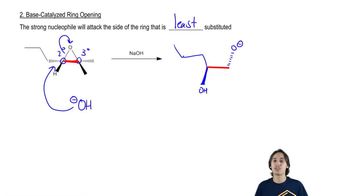
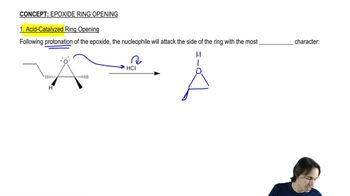
Epoxide Reactions

  • Base-Catalyzed Epoxide Ring-Opening
    04:44
  • Acid-Catalyzed Epoxide Ring-Opening
    04:34

Thiol Reactions

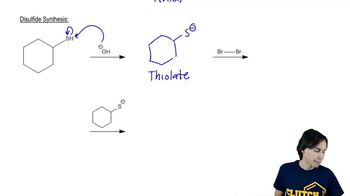
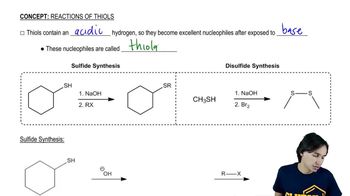
  • The mechanism of Disulfide Synthesis.
    02:55
  • The mechanism of Sulfide Synthesis.
    03:21

Sulfide Oxidation

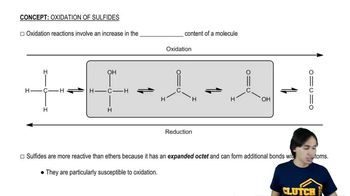
  • Quick overview of oxidation.
    00:57
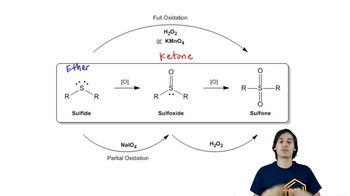
  • Reagents used to oxidize Sulfides.
    03:51

Thiol Reactions

  • The mechanism of Disulfide Synthesis.
    02:55
  • The mechanism of Sulfide Synthesis.
    03:21

Naming Amines

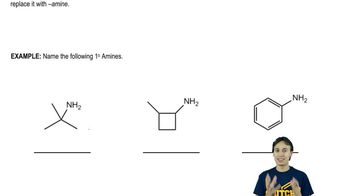
  • Naming Primary Amines
    06:50
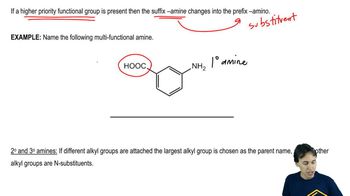
  • Primary Amines as Substituents
    02:58
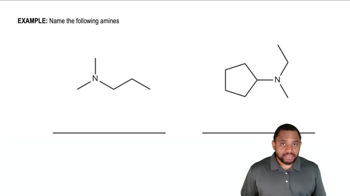
  • Naming Secondary and Tertiary Amines
    01:57