뒤로

Comprehensive Study Guide: Alkyl Halides, Alkenes, and Alkynes (Chapters 6–9)

학습 가이드 - 영상으로 배우기

업로드한 자료에 맞춘 엄선된 수업 – 모든 주제를 단계별로 배워보세요.

Naming Alkyl Halides

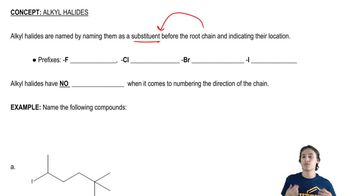
  • How to name alkyl halides
    01:52

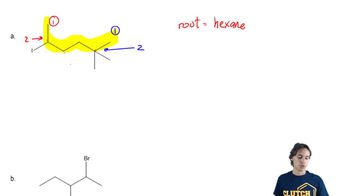
  • Name the following alkyl halide
    01:58
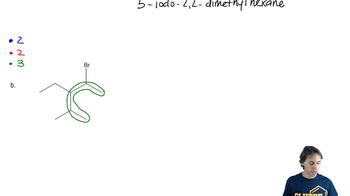
  • Name the following alkyl halide
    03:53

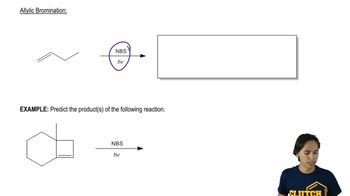
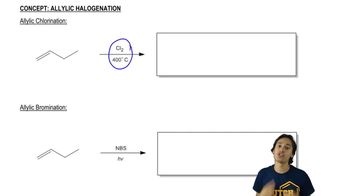
Allylic Bromination

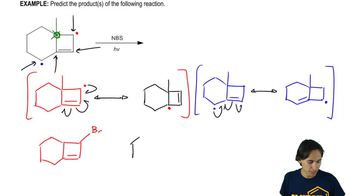
  • Predict the product(s) of the following reaction.
    04:28
  • Mechanism of Allylic Bromination.
    00:54
  • The products of Allylic Chlorination.
    00:48

Radical Reaction

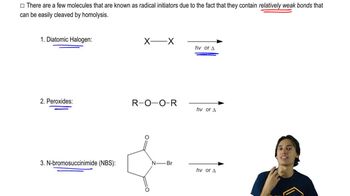
  • What are Radical Initiators?
    03:49
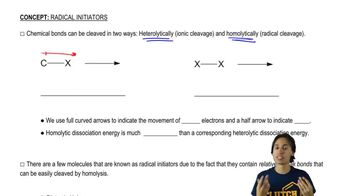
  • Heterolytic vs. Homolytic Bond Cleavage .
    04:39

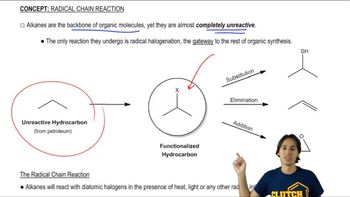
Free Radical Halogenation

  • The one reaction that alkanes will actually undergo.
    02:05
  • Explaining the following problem.
    00:34
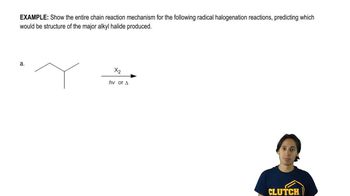
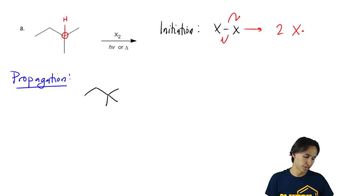
  • Show the entire chain reaction mechanism.
    04:08

SN1 Reaction

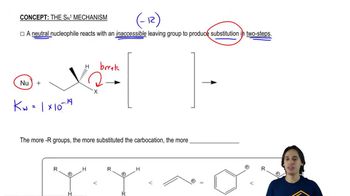
  • Drawing the SN1 Mechanism
    10:49
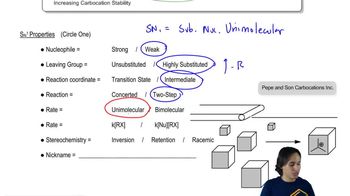
  • Why highly substituted leaving groups favor SN1.
    01:13
  • Understanding the properties of SN1.
    08:16

The SN2 Mechanism
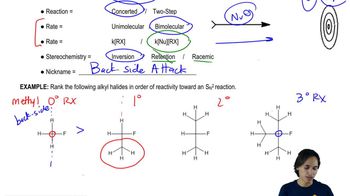
  • Ranking reactivity toward SN2
    04:03
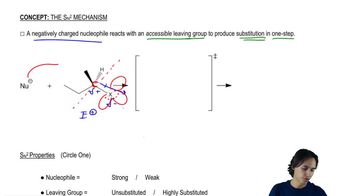
  • Drawing the SN2 Mechanism
    08:33
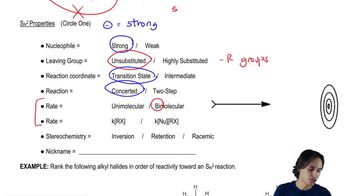
  • Understanding the properties of SN2.
    11:57

Carbocation Intermediates – Stability

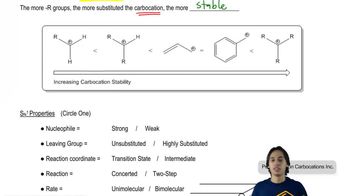
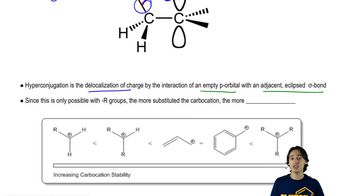
  • Determining Carbocation Stability
    05:58
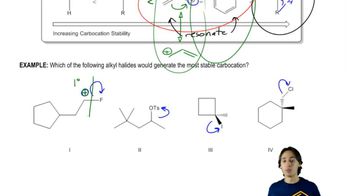
  • Predicting the most stable carbocation
    01:21

Carbocation Intermediate Rearrangements

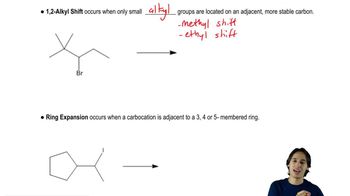
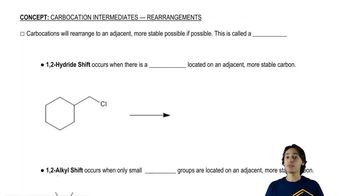
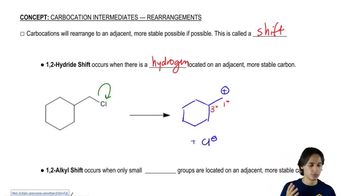
  • Alkyl Shift
    03:43
  • Understanding why carbocations shift.
    00:47
  • Hydride Shift
    03:34

Leaving Groups

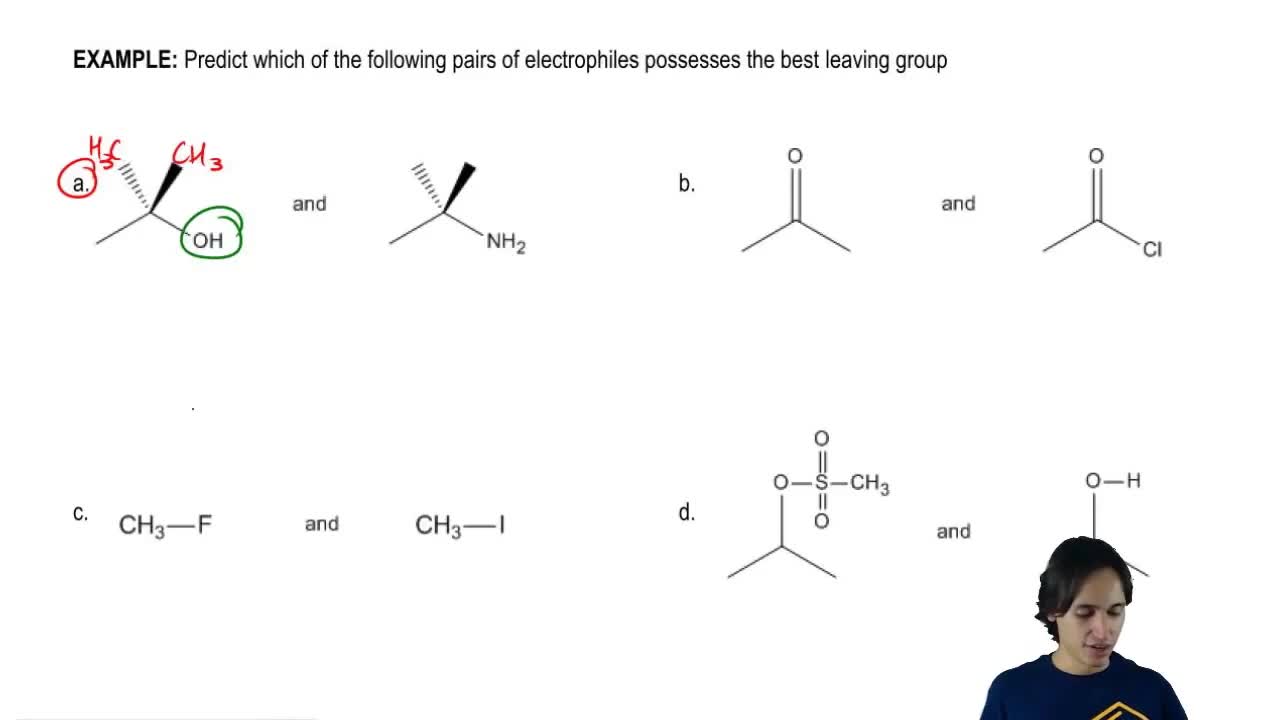
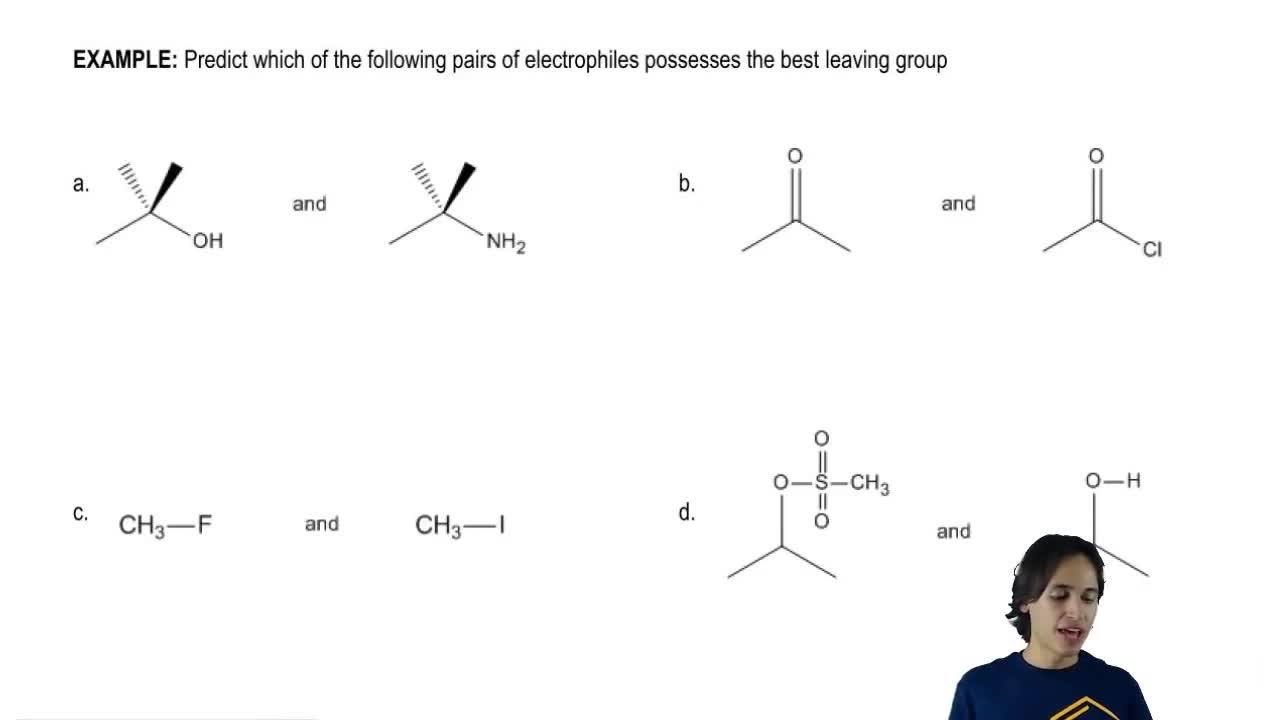
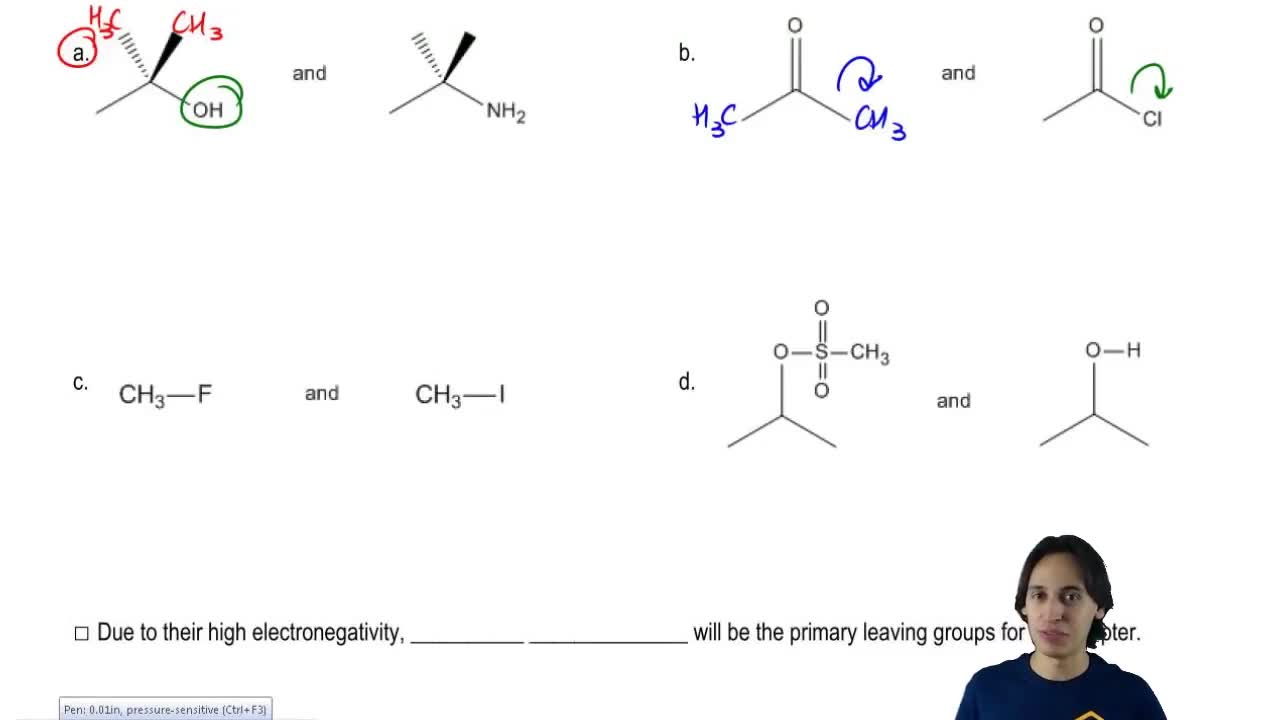
  • Predict the best leaving group
    00:50
  • Predict the best leaving group
    01:12
  • Predict the best leaving group
    00:36

Leaving Groups

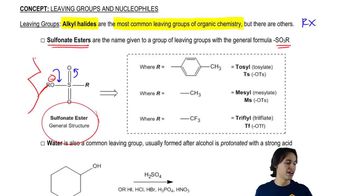
  • The 3 important leaving groups to know.
    07:22

Nucleophiles and Basicity

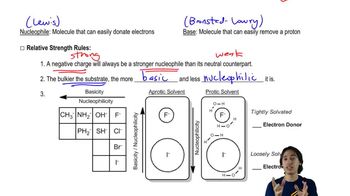
  • Understanding the difference between basicity and nucleophilicity.
    06:21

Solvents

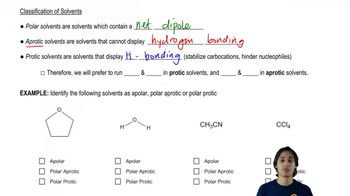
  • The difference between protic vs. aprotic solvents.
    03:57
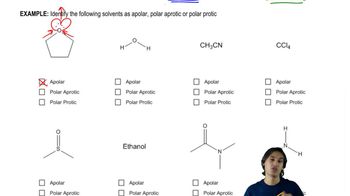
  • Identification of polarity in solvents
    01:16
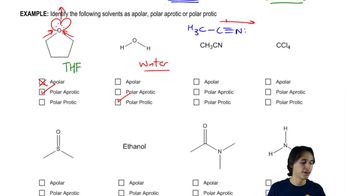
  • Identification of polarity in solvents
    00:39

The E1 Mechanism

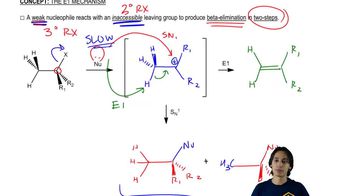
  • Understanding the properties of E1.
    03:32
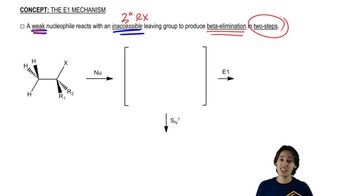
  • Drawing the E1 Mechanism.
    08:09

E2 Mechanism

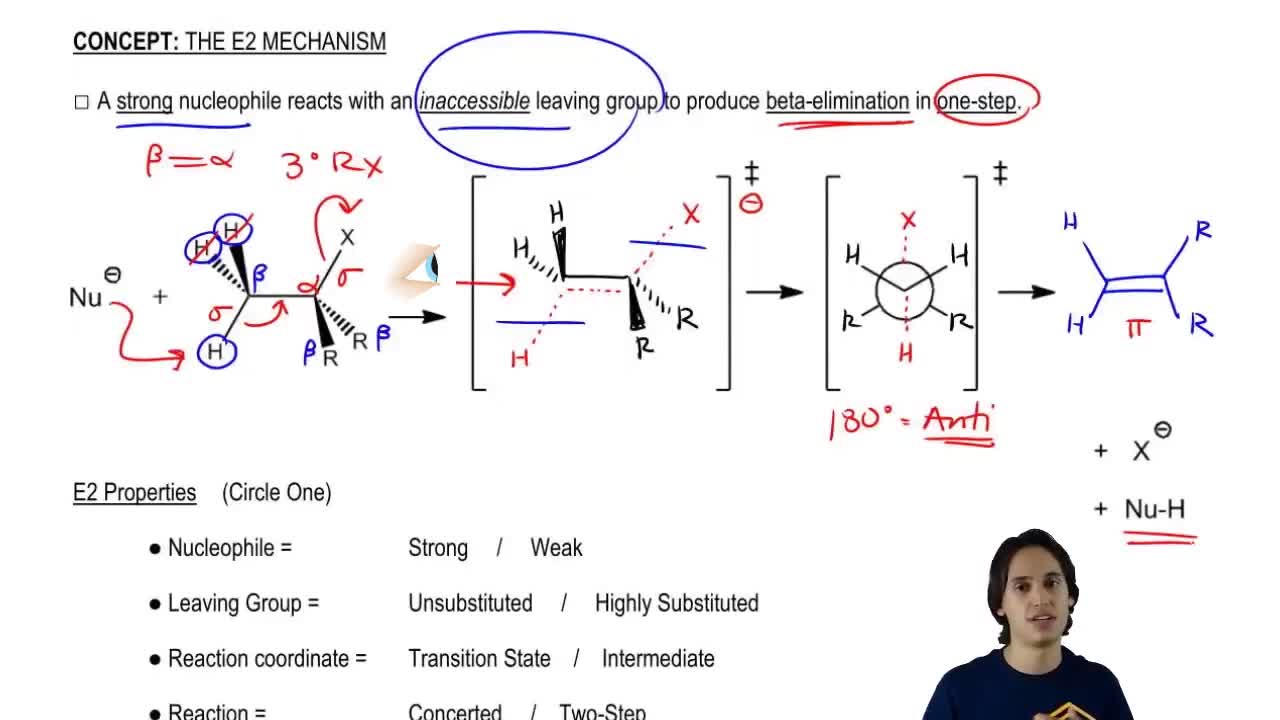
  • Understanding the properties of E2.
    04:42
  • Drawing the E2 Mechanism.
    09:36
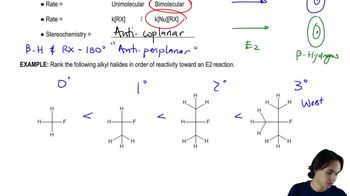
  • Rank reactivity toward E2
    02:03

Naming Alkenes

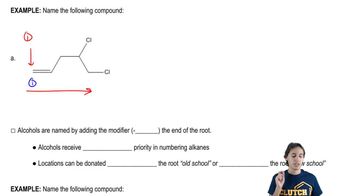
  • Name the following alkene
    02:04
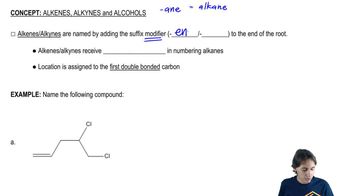
  • How to name alkenes and alkynes
    01:55

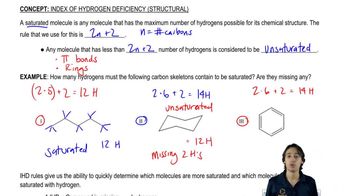
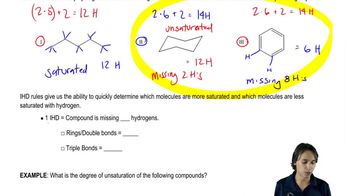
Index of Hydrogen Deficiency (Structural)

  • Is the following molecule saturated?
    00:30
  • What is the IHD of the following molecule?
    00:45
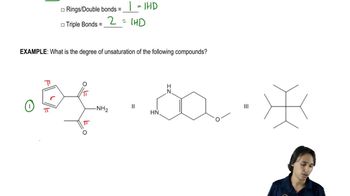
  • What index of hydrogen deficiency is.
    01:15

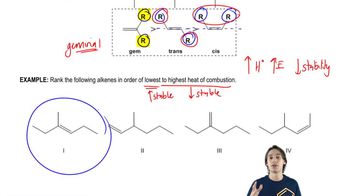
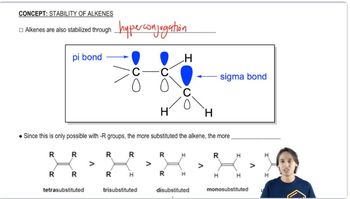
Alkene Stability

  • Heat of Combustion
    02:55
  • Understanding trends of alkene stability.
    04:28

Cis vs Trans

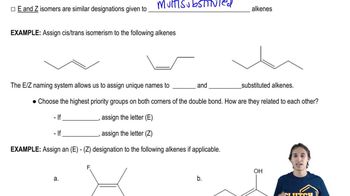
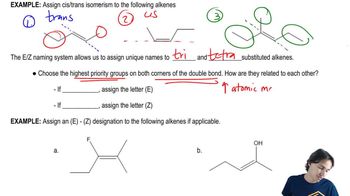
  • Why we need to use the E/Z naming system
    02:07
  • What does E and Z stand for?
    00:50
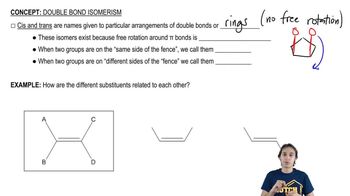
  • How to name different types of double bonds or rings
    04:28

Zaitsev Rule

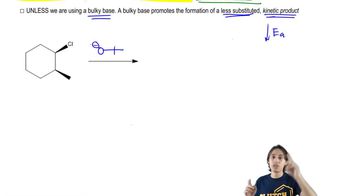
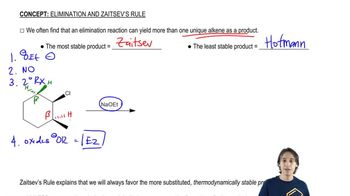
  • Hofmann product
    02:39
  • Defining Zaitsev’s Rule
    01:18
  • Zaitsev product
    07:01

Dehydrohalogenation

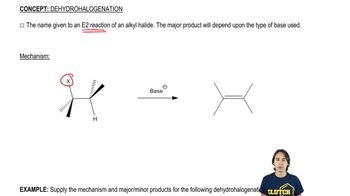
  • The dehydrohalogenation mechanism.
    03:02
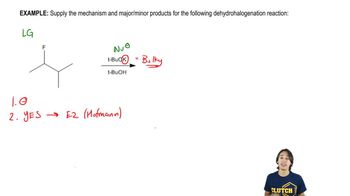
  • Dehydrohalogenation mechanism and products
    04:35

Dehydration Reaction

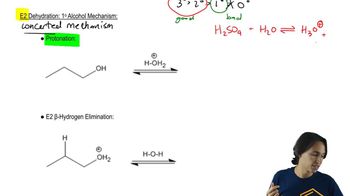
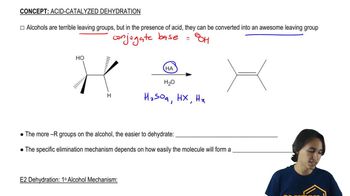
  • Dehydration of 1° alcohols:The E2 Mechanism
    05:20
  • An extra note of caution with 1° alcohols.
    01:06
  • General features of acid-catalyzed dehydration.
    06:01

Addition Reaction

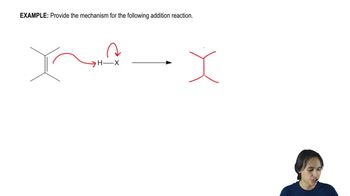
  • Provide the mechanism
    01:15
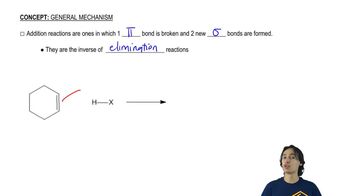
  • Features of Addition Mechanisms.
    05:39

Markovnikov

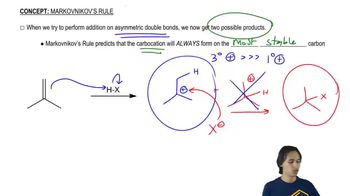
  • Provide the mechanism
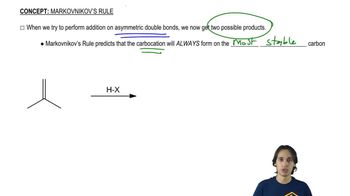
    01:26
  • How to add to asymmetrical double bonds.
    03:38

Anti Markovnikov Addition of Br

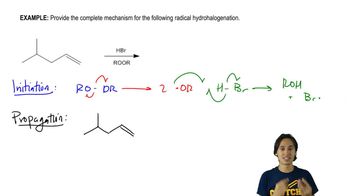
  • Provide the complete mechanism for the following radical hydrohalogenation.
    02:53
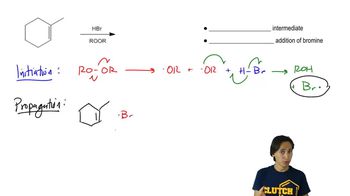
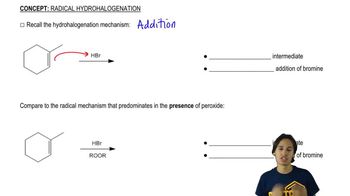
  • How Radical Hydrohalogenation is different from typical Hydrohalogenation.
    07:13
  • Overview of Hydrohalogention.
    01:18

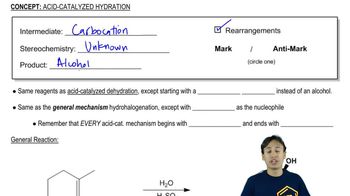
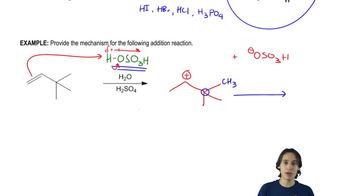
Acid-Catalyzed Hydration

  • General properties of acid-catalyzed hydration.
    06:32
  • Acid-catalyzed hydration mechanism
    06:34

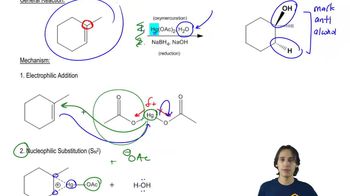
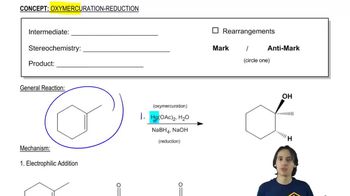
Oxymercuration

  • Acid-catalyzed oxymercuration-reduction mechanism
    09:01
  • General properties of oxymercuration-reduction.
    05:

Hydroboration

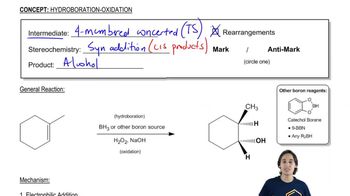
  • General properties of hydroboration-oxidation.
    06:38
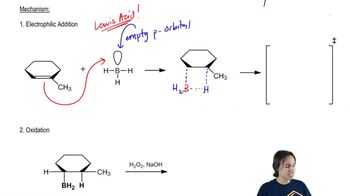
  • Acid-catalyzed hydroboration-oxidation mechanism
    06:14

Hydrogenation

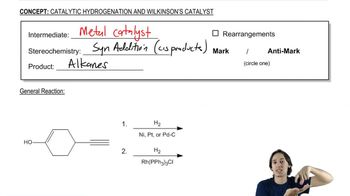
  • General properties of catalytic hydrogenation.
    05:21

Halogenation

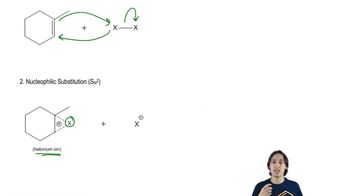
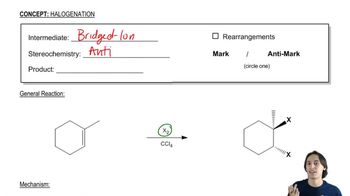
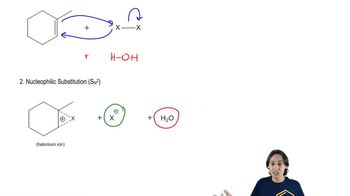
  • Halogenation Mechanism
    03:45
  • General properties of halogenation.
    02:27

Halohydrin

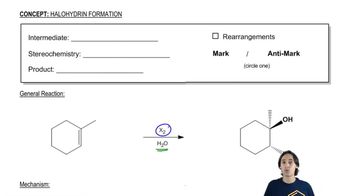
  • Halohydrin Mechanism
    04:48
  • General properties of halohydrin formation.
    01:44

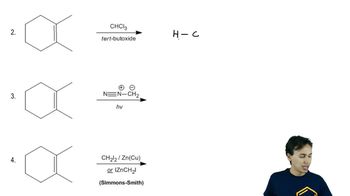
Carbene

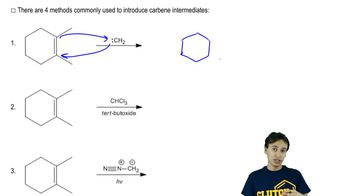
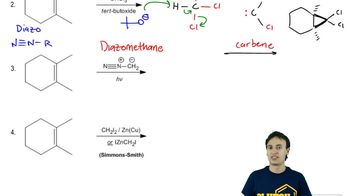
  • Reaction with a simple carbene.
    01:48
  • Reaction with diazomethane and light or heat.
    03:01
  • Reaction with chloroform (CHCl3) and tert-butoxide.
    03:04

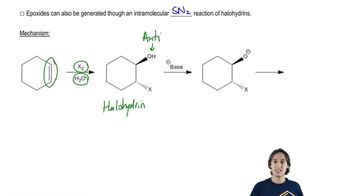
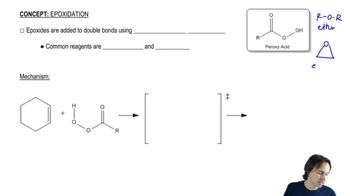
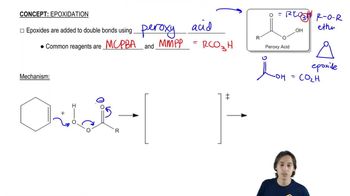
Epoxidation

  • Halohydrins to epoxides via intramolecular SN2.
    02:26
  • General properties of epoxidation.
    02:19
  • The mechanism of how peroxy acids make epoxides.
    03:19

Epoxide Reactions

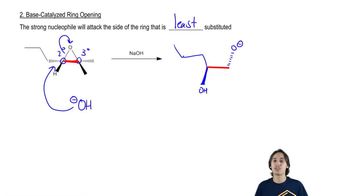
  • Base-Catalyzed Epoxide Ring-Opening
    04:44
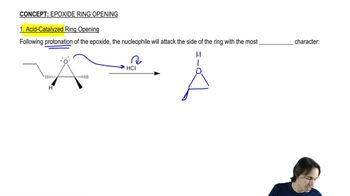
  • Acid-Catalyzed Epoxide Ring-Opening
    04:34

Dihydroxylation

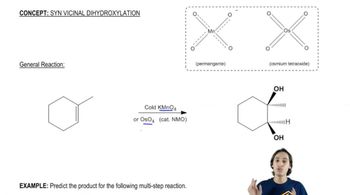
  • General properties of syn vicinal dihydroxylation.
    03:50
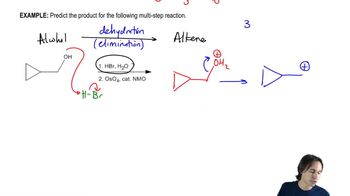
  • Predict the product for the following multi-step reaction.
    04:42

Ozonolysis

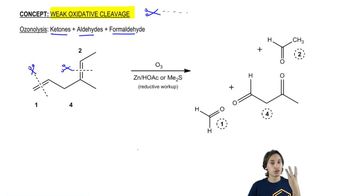
  • General properties of ozonolysis.
    06:30

Hydrogenation of Alkynes

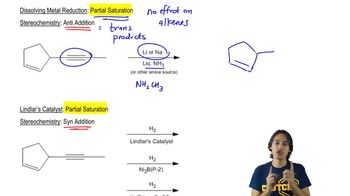
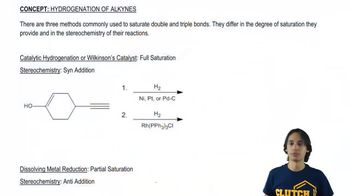
  • Using Dissolving Metal Reduction or Lindlar’s Catalyst to turn alkynes to alkenes.
    06:08
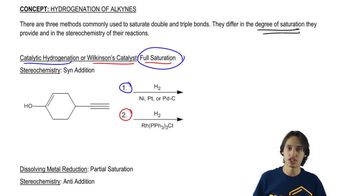
  • Using Catalytic hydrogenation or Wilkinson’s Catalyst to turn alkynes to alkanes.
    03:46
  • The definition of hydrogenation.
    00:48

Alkyne Hydration

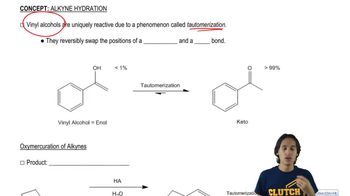
  • Vinyl alcohols yield tautomers.
    03:51
  • Markovnikov addition of alcohols yields ketones.
    03:29