뒤로

Comprehensive Study Guide: Aromatic Compounds, Alkenes, Alkynes, Alcohols, Ethers, Aldehydes, Ketones, and Amines

학습 가이드 - 영상으로 배우기

업로드한 자료에 맞춘 엄선된 수업 – 모든 주제를 단계별로 배워보세요.

Naming Benzene Rings

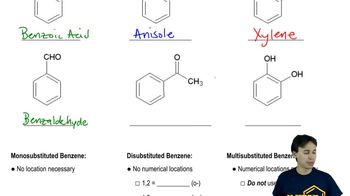
  • Benzene Nomenclature
    09:04
Benzene Reactions

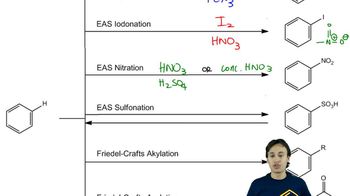
  • EAS Reactions Overview
    11:50

Electrophilic Aromatic Substitution

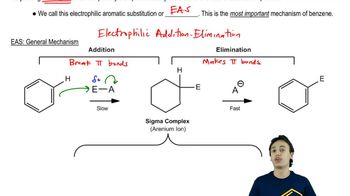
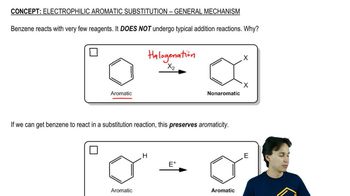
  • EAS General Mechanism
    06:52
  • EAS Review
    03:07

EAS:Halogenation Mechanism

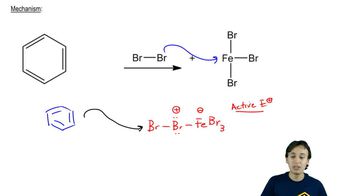
  • EAS Halogenation
    06:26

EAS:Nitration Mechanism

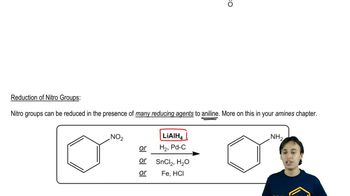
  • Reduction of Nitro Groups
    03:23
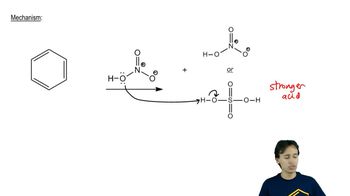
  • EAS Nitration
    06:09

EAS:Friedel-Crafts Alkylation Mechanism

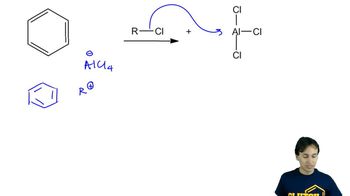
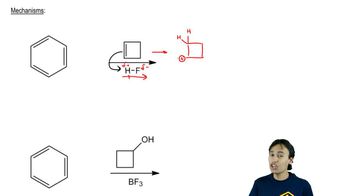
  • Friedel-Crafts Alkylation
    06:30

EAS:Friedel-Crafts Acylation Mechanism

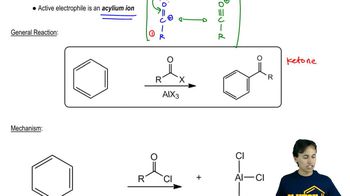
  • Friedel-Crafts Acylation
    05:20

EAS:Any Carbocation Mechanism

  • Any Carbocation
    07:21

EAS:Ortho vs. Para Positions

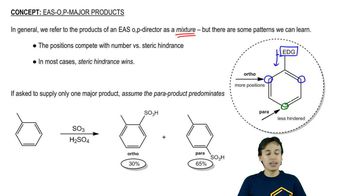
  • Ortho, Para major products
    04:42

Nucleophilic Aromatic Substitution

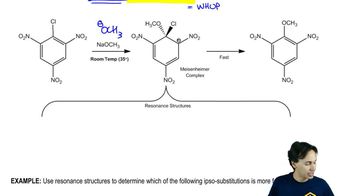
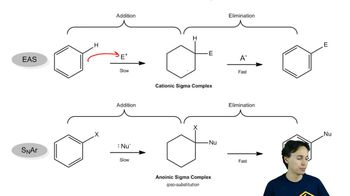
  • The Meisenheimer Complex
    06:23
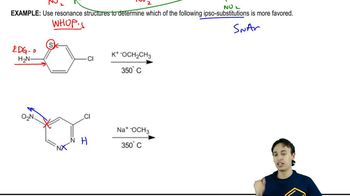
  • Which ipso-substitution is more favored
    03:30
  • General Mechanism
    06:45

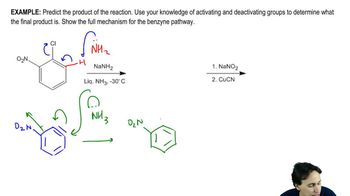
Benzyne

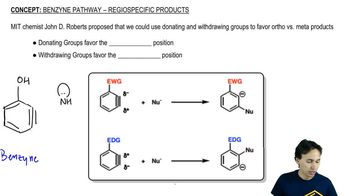
  • Regiospecificity
    03:20
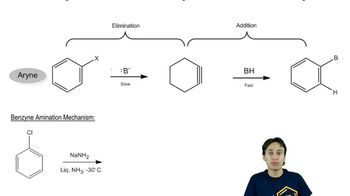
  • General Mechanism
    06:06
  • Activating and deactivating groups
    03:27

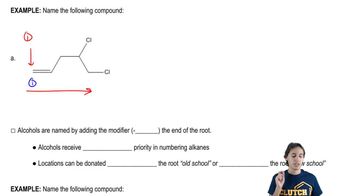
Naming Alkenes

  • Name the following alkene
    02:04
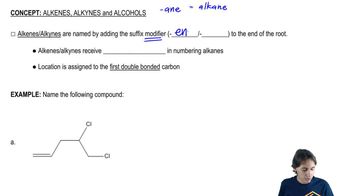
  • How to name alkenes and alkynes
    01:55

Carbocation Intermediates – Stability

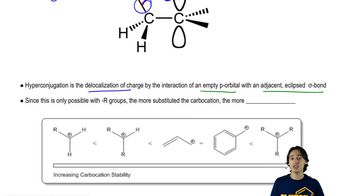
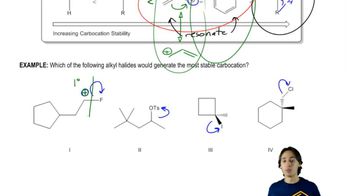
  • Determining Carbocation Stability
    05:58
  • Predicting the most stable carbocation
    01:21

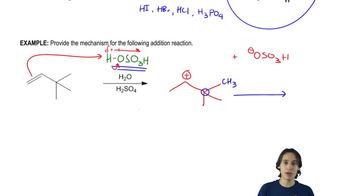
Addition Reaction

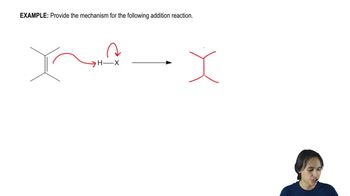
  • Provide the mechanism
    01:15
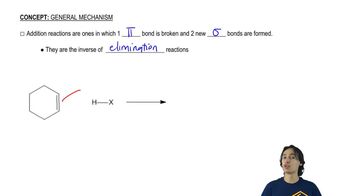
  • Features of Addition Mechanisms.
    05:39

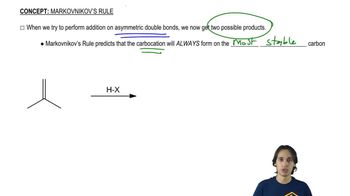
Markovnikov

  • Provide the mechanism
    01:26
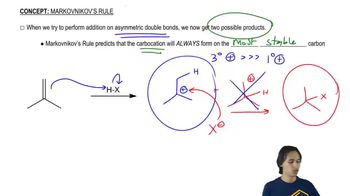
  • How to add to asymmetrical double bonds.
    03:38

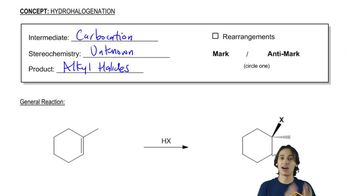
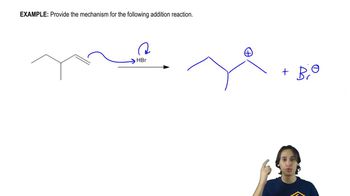
Hydrohalogenation

  • General properties of hydrohalogenation.
    04:07
  • Provide the mechanism
    02:24
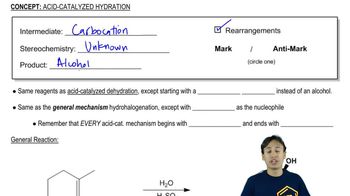
Acid-Catalyzed Hydration

  • General properties of acid-catalyzed hydration.
    06:32
  • Acid-catalyzed hydration mechanism
    06:34

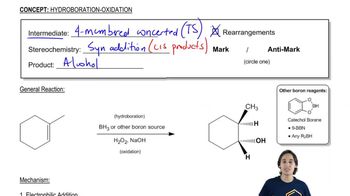
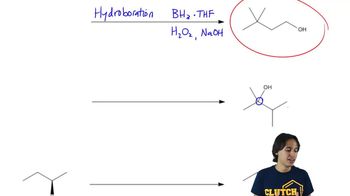
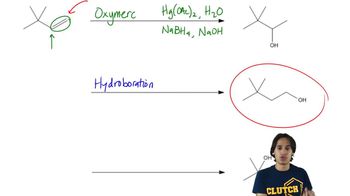
Hydroboration

  • General properties of hydroboration-oxidation.
    06:38
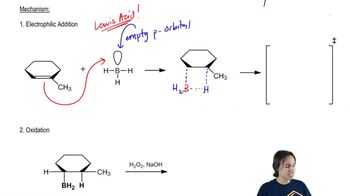
  • Acid-catalyzed hydroboration-oxidation mechanism
    06:14

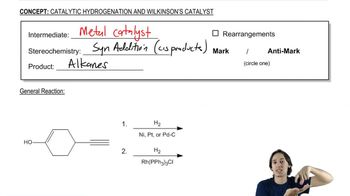
Hydrogenation

  • General properties of catalytic hydrogenation.
    05:21

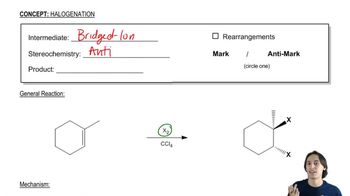
Halogenation

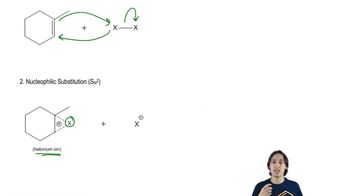
  • Halogenation Mechanism
    03:45
  • General properties of halogenation.
    02:27

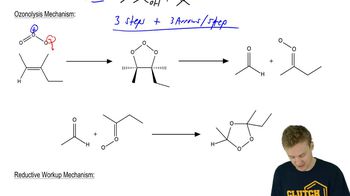
Ozonolysis

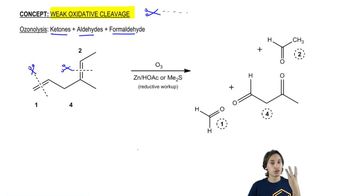
  • General properties of ozonolysis.
    06:30

Ozonolysis Full Mechanism

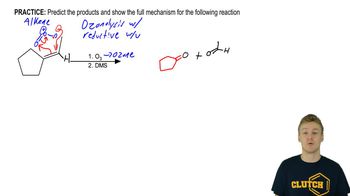
  • Predict the products and show the mechanism:
    12:11
  • General Mechanism:
    07:48
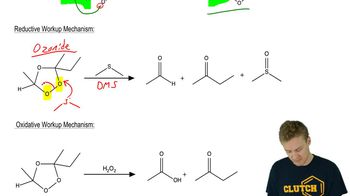
  • Reductive Workup Mechanism:
    03:16

Naming Epoxides

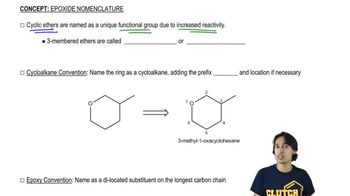
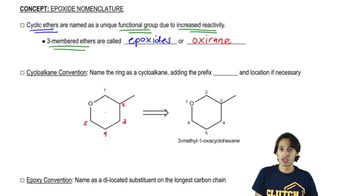
  • How to name cyclic ethers using the cycloalkane convention.
    03:23
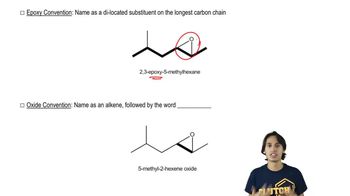
  • How to name epoxides using the epoxy convention.
    01:20
  • Defining what an epoxide (oxirane) is.
    01:09

Alkyne Hydration

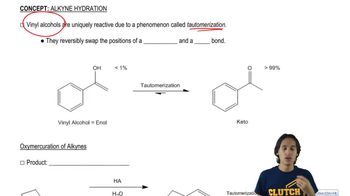
  • Vinyl alcohols yield tautomers.
    03:51
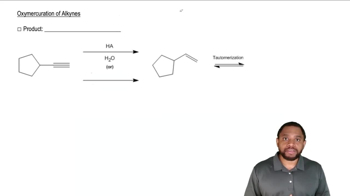
  • Markovnikov addition of alcohols yields ketones.
    03:29

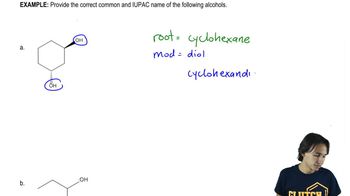
Alcohol Nomenclature

  • Provide the correct common and IUPAC name.
    01:49
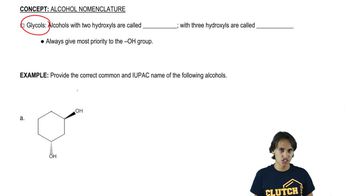
  • How to name polyols.
    01:47
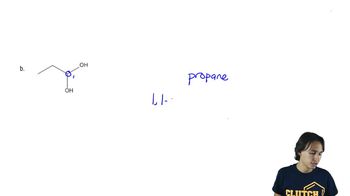
  • Provide the correct common and IUPAC name.
    00:59

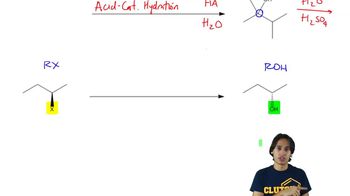
Alcohol Synthesis

  • Forming alcohols through SN2 reactions.
    01:44
  • Forming alcohols through Acid-Catalyzed Hydration.
    02:02
  • Forming alcohols through Hydroboration-Oxidation.
    01:37

Dehydration Reaction

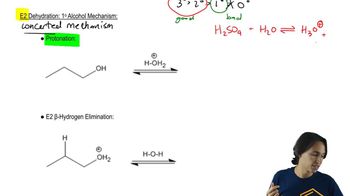
  • Dehydration of 1° alcohols:The E2 Mechanism
    05:20
  • An extra note of caution with 1° alcohols.
    01:06
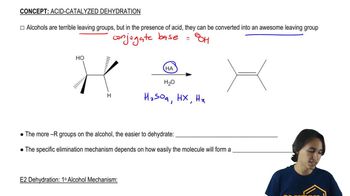
  • General features of acid-catalyzed dehydration.
    06:01

Naming Ethers

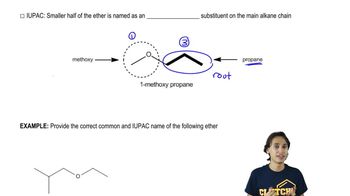
  • How to name ethers using the IUPAC naming system.
    02:08
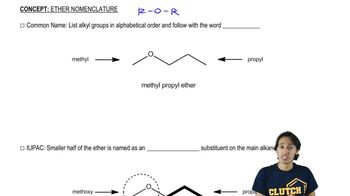
  • How to name ethers using the common naming system.
    01:32
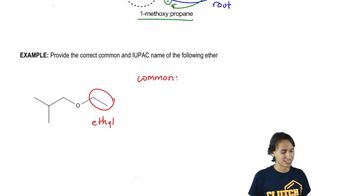
  • Provide the correct common name of the following ether.
    01:22

Naming Epoxides

  • How to name cyclic ethers using the cycloalkane convention.
    03:23
  • How to name epoxides using the epoxy convention.
    01:20
  • Defining what an epoxide (oxirane) is.
    01:09

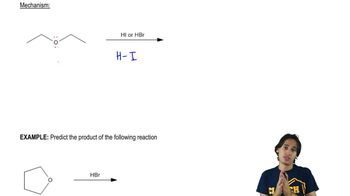
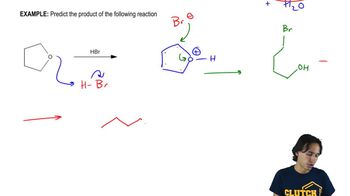
Ether Cleavage

  • How to predict the products of Ether Cleavage.
    04:22
  • Predict the product of the following reaction.
    03:44

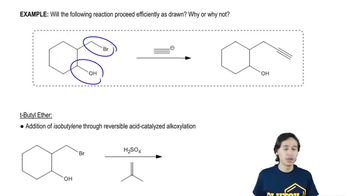
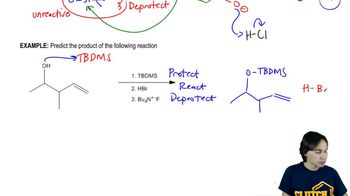
Alcohol Protecting Groups

  • General features of Alcohol Protecting Groups.
    03:01

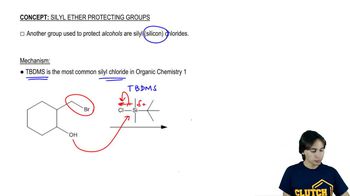
Silyl Ether Protecting Groups

  • Mechanism of Silyl Ether Protecting Groups.
    07:16
  • Predict the product of the following reaction.
    03:37

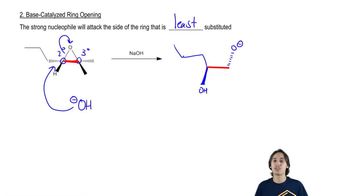
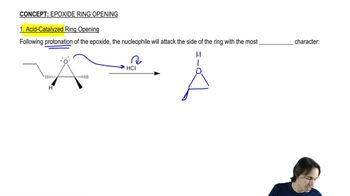
Epoxide Reactions

  • Base-Catalyzed Epoxide Ring-Opening
    04:44
  • Acid-Catalyzed Epoxide Ring-Opening
    04:34

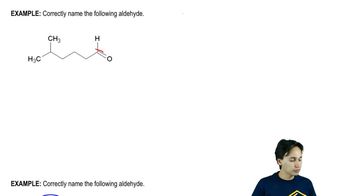
Naming Aldehydes

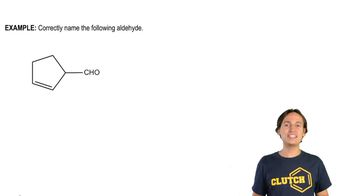
  • Name the aldehyde
    01:34
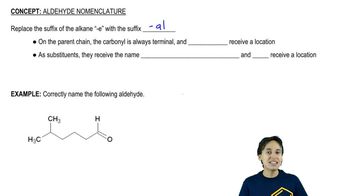
  • Name the aldehyde
    03:17
  • Nomenclature
    03:11

Naming Ketones

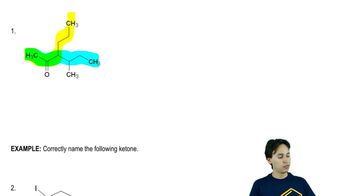
  • Name the ketone
    01:58
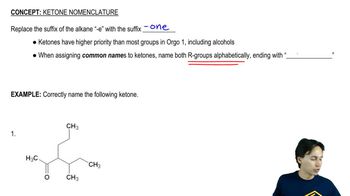
  • Nomenclature
    03:05
  • Name the ketone
    02:27

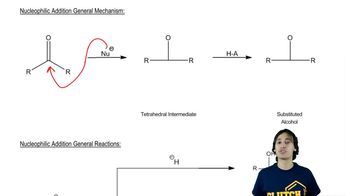
Nucleophilic Addition

  • Nucleophilic Addition
    08:27

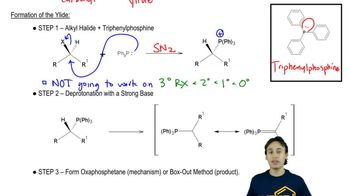
Wittig Reaction

  • Box-Out Method and Full-Mechanism
    15:39

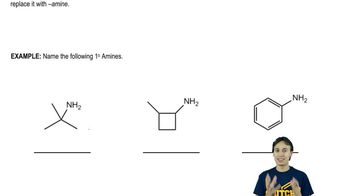
Naming Amines

  • Naming Primary Amines
    06:50
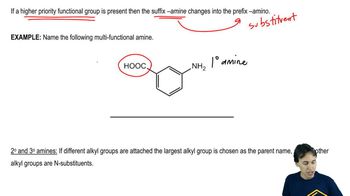
  • Primary Amines as Substituents
    02:58
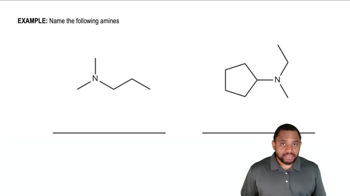
  • Naming Secondary and Tertiary Amines
    01:57

Amines by Reduction

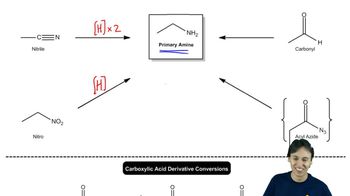
  • The Primary Amines Flowchart
    09:12
  • Making Amine Precursors
    03:22

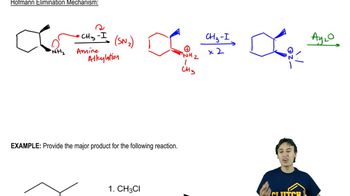
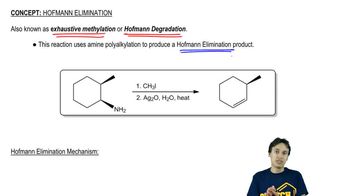
Hofmann Elimination

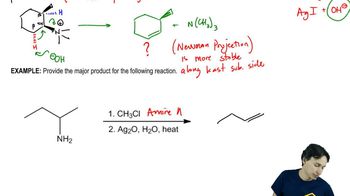
  • Provide the Major Product
    01:14
  • Mechanism
    06:45
  • General Reaction
    03:22