뒤로

Elimination and Alkyne Chemistry: E1, E2, and Alkyne Reactions

학습 가이드 - 영상으로 배우기

업로드한 자료에 맞춘 엄선된 수업 – 모든 주제를 단계별로 배워보세요.

SN1 Reaction

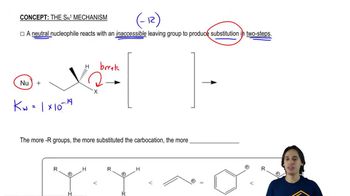
  • Drawing the SN1 Mechanism
    10:49
  • Why highly substituted leaving groups favor SN1.
    01:13
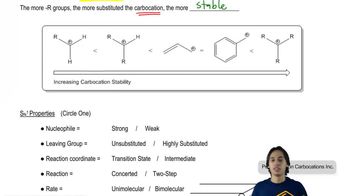
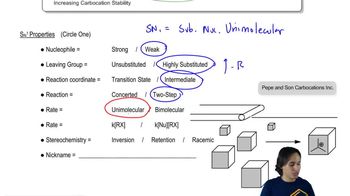
  • Understanding the properties of SN1.
    08:16

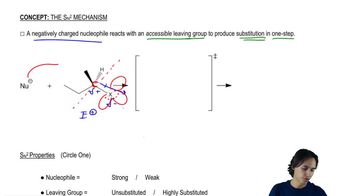
The SN2 Mechanism

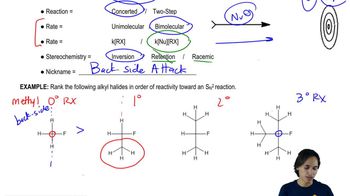
  • Ranking reactivity toward SN2
    04:03
  • Drawing the SN2 Mechanism
    08:33
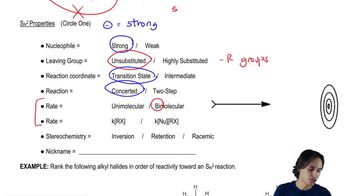
  • Understanding the properties of SN2.
    11:57

The E1 Mechanism

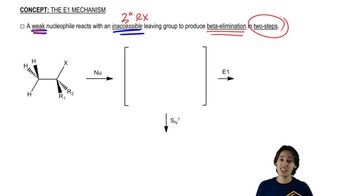
  • Understanding the properties of E1.
    03:32
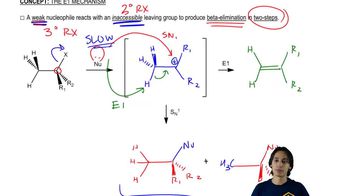
  • Drawing the E1 Mechanism.
    08:09

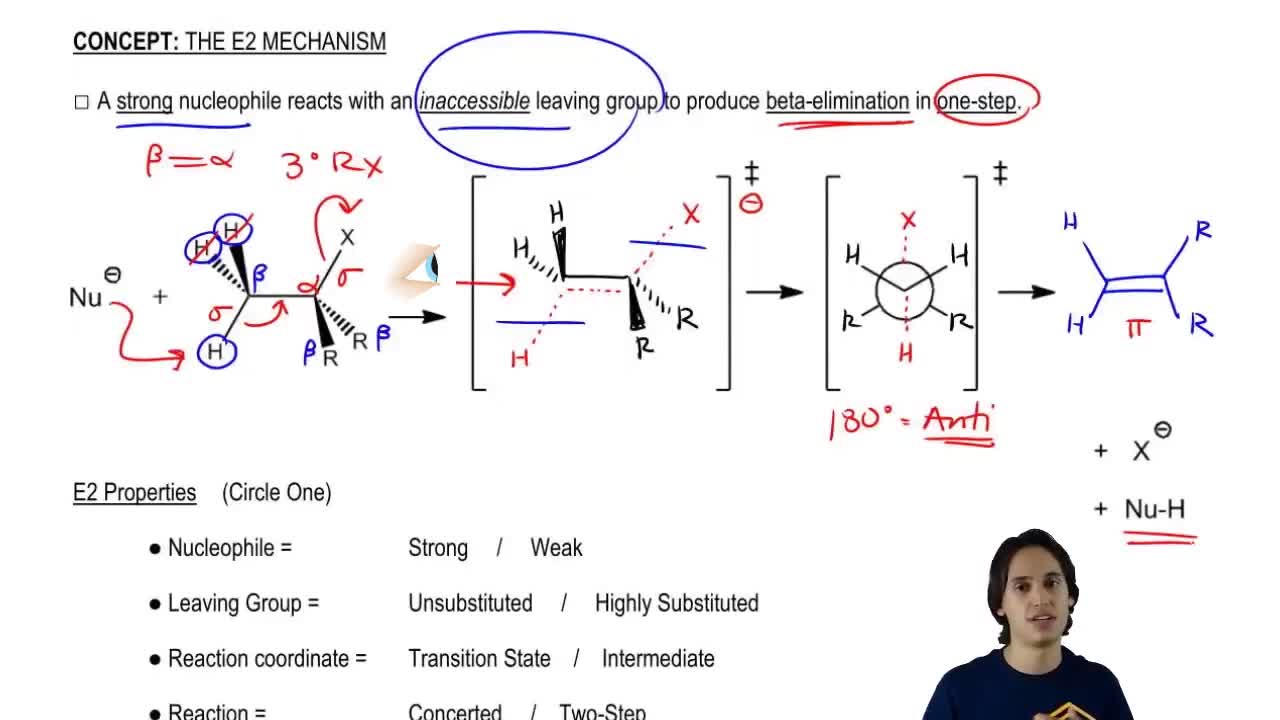
E2 Mechanism

  • Understanding the properties of E2.
    04:42
  • Drawing the E2 Mechanism.
    09:36
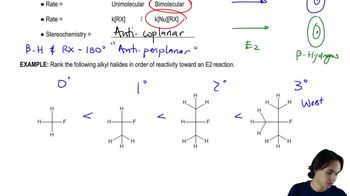
  • Rank reactivity toward E2
    02:03

Leaving Groups

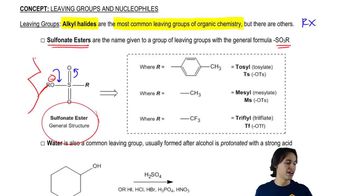
  • The 3 important leaving groups to know.
    07:22

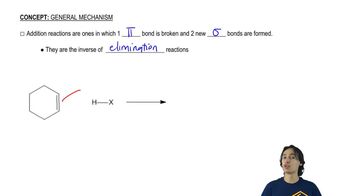
Addition Reaction

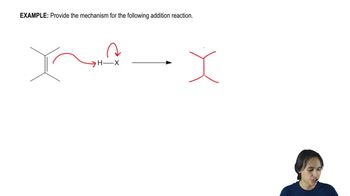
  • Provide the mechanism
    01:15
  • Features of Addition Mechanisms.
    05:39

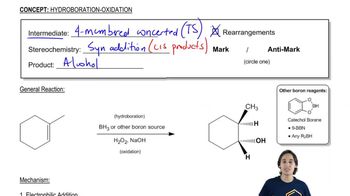
Hydroboration

  • General properties of hydroboration-oxidation.
    06:38
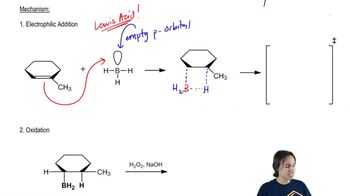
  • Acid-catalyzed hydroboration-oxidation mechanism
    06:14

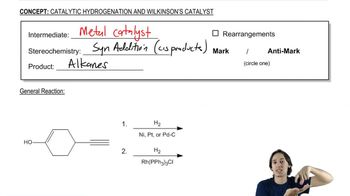
Hydrogenation

  • General properties of catalytic hydrogenation.
    05:21

Oxymercuration

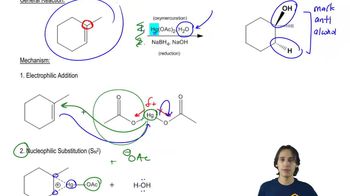
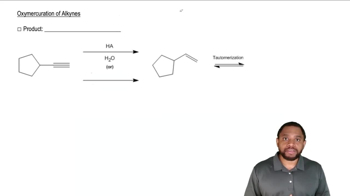
  • Acid-catalyzed oxymercuration-reduction mechanism
    09:01
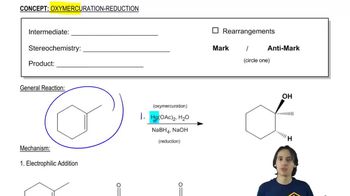
  • General properties of oxymercuration-reduction.
    05:

Alkyne Hydrohalogenation

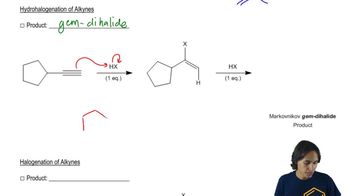
  • Double hydrohalogenation of alkynes.
    02:20
  • General properties of double addition reactions to alkynes.
    01:01

Alkyne Hydration

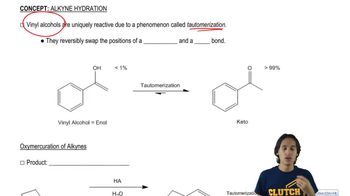
  • Vinyl alcohols yield tautomers.
    03:51
  • Markovnikov addition of alcohols yields ketones.
    03:29

Alkyne Halogenation

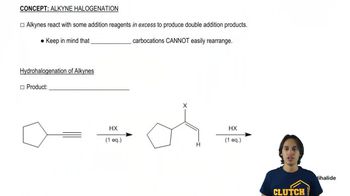
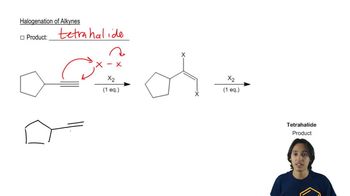
  • Double halogenation of alkynes.
    02:15

Addition Reaction

  • Provide the mechanism
    01:15
  • Features of Addition Mechanisms.
    05:39

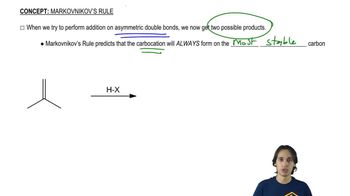
Markovnikov

  • Provide the mechanism
    01:26
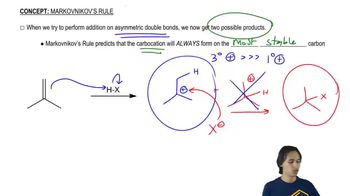
  • How to add to asymmetrical double bonds.
    03:38

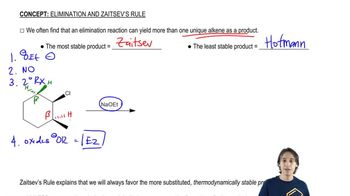
Zaitsev Rule

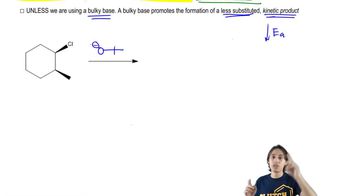
  • Hofmann product
    02:39
  • Defining Zaitsev’s Rule
    01:18
  • Zaitsev product
    07:01