뒤로

Ethers, Epoxides, and Sulfides: Structure, Properties, Synthesis, and Reactions

학습 가이드 - 영상으로 배우기

업로드한 자료에 맞춘 엄선된 수업 – 모든 주제를 단계별로 배워보세요.

Functional Groups

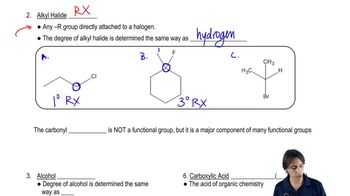
  • Assigning Degrees to Alkyl Halides
    01:30
  • Why we need functional groups.
    01:49
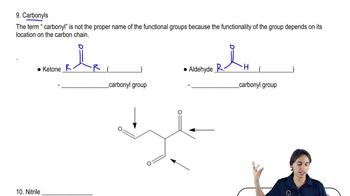
  • The difference between aldehydes and ketones.
    03:08

Alkane Nomenclature

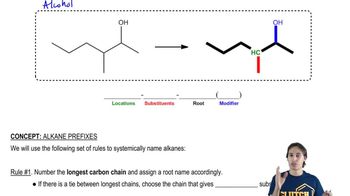
  • Naming the root chain
    01:02
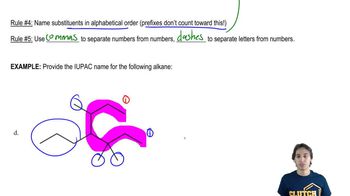
  • Provide the IUPAC name for the following alkane
    07:08
  • The different parts of an IUPAC name
    03:43

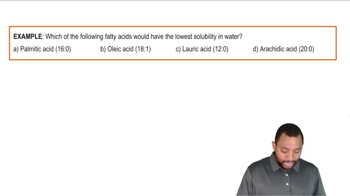
Physical Properties of Fatty Acids

  • 가이드 코스
    Physical Properties of Fatty Acids Concept 1
    0:53
  • 가이드 코스
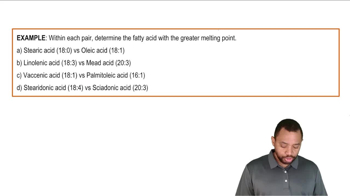
    Physical Properties of Fatty Acids Example 2
    1:54
  • 가이드 코스
    Physical Properties of Fatty Acids Example 1
    1:02

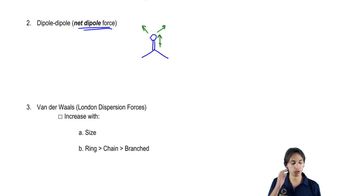
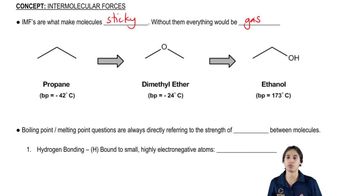
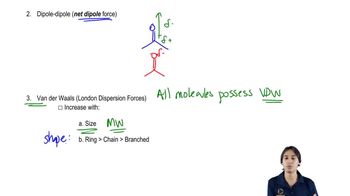
Intermolecular Forces

  • How dipole-dipole forces work.
    01:46
  • How IMFs are related to melting and boiling points.
    03:08
  • How Van der Waals forces work.
    03:01

Solubility

  • Introducing common solvents and other molecules in organic chemistry.
    02:01
  • Understanding “like dissolves like”.
    01:47

Introduction to Substitution

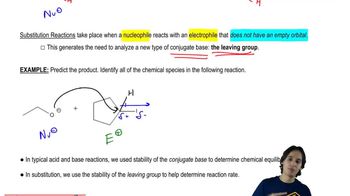
  • Predict the product
    05:55
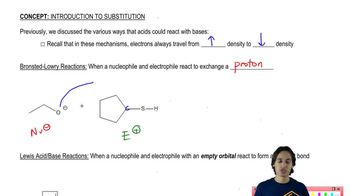
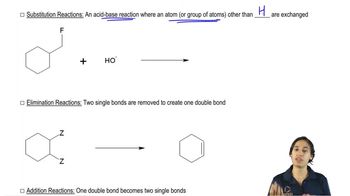
  • Nucleophiles and Electrophiles can react in Bronsted-Lowry Reactions.
    05:01
  • Nucleophiles and Electrophiles can react in Substitution Reactions.
    01:47

The SN2 Mechanism

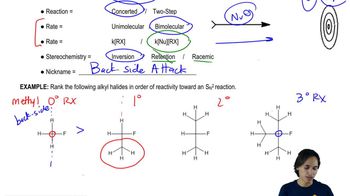
  • Ranking reactivity toward SN2
    04:03
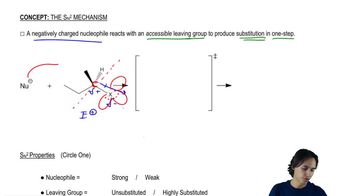
  • Drawing the SN2 Mechanism
    08:33
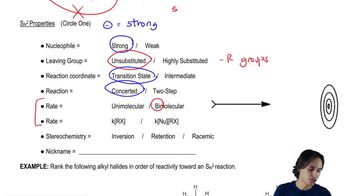
  • Understanding the properties of SN2.
    11:57

E2 Mechanism

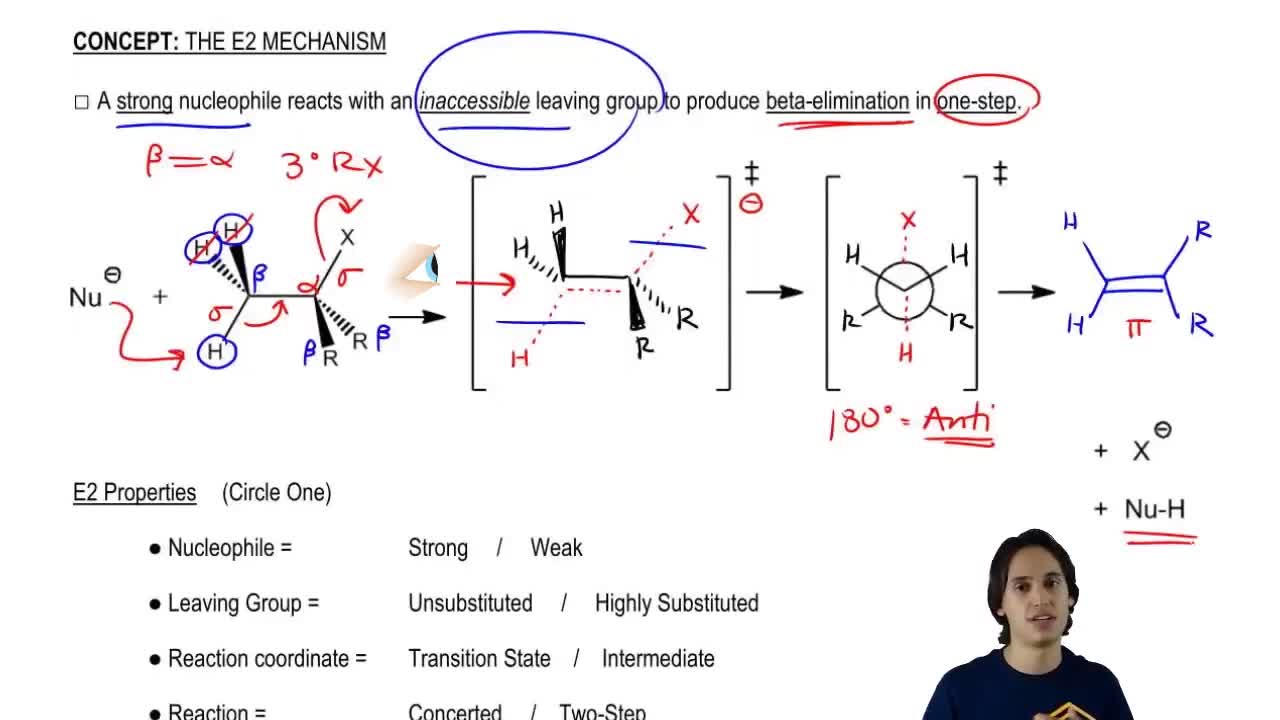
  • Understanding the properties of E2.
    04:42
  • Drawing the E2 Mechanism.
    09:36
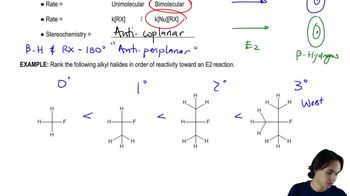
  • Rank reactivity toward E2
    02:03

Overview of Chemical Reactions

  • Recognizing Substitution Reactions.
    01:34
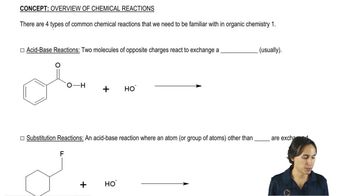
  • Recognizing Acid-Base Reactions.
    02:43
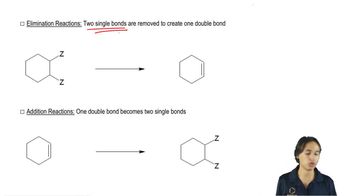
  • Recognizing Elimination Reactions.
    00:40
Reaction Mechanism

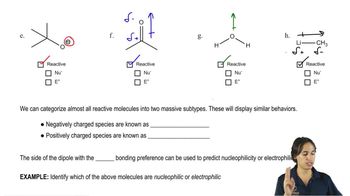
  • How to tell if charged molecules will react as nucleophiles or electrophiles.
    02:39
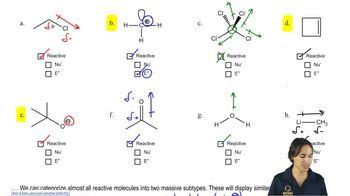
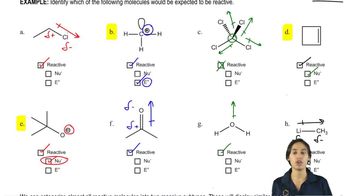
  • Nucleophile or Electrophile
    01:49
  • How to tell if uncharged molecules will react as nucleophiles or electrophiles.
    02:48

Williamson Ether Synthesis

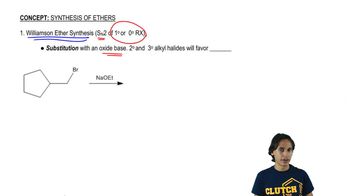
  • The Mechanism of Williamson Ether Synthesis.
    03:50

Alcohol Protecting Groups

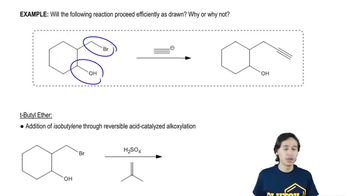
  • General features of Alcohol Protecting Groups.
    03:01

Epoxidation

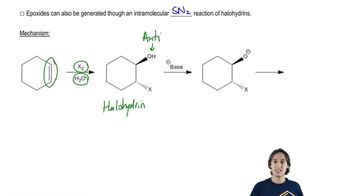
  • Halohydrins to epoxides via intramolecular SN2.
    02:26
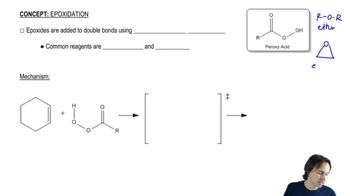
  • General properties of epoxidation.
    02:19
  • The mechanism of how peroxy acids make epoxides.
    03:19

Epoxide Reactions

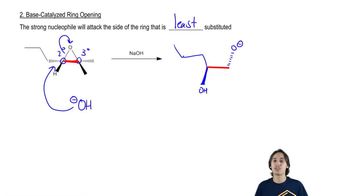
  • Base-Catalyzed Epoxide Ring-Opening
    04:44
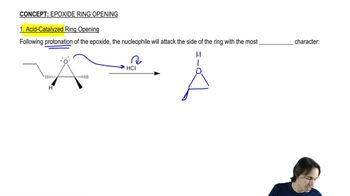
  • Acid-Catalyzed Epoxide Ring-Opening
    04:34

Acid-Base Catalysis

  • 가이드 코스
    Acid-Base Catalysis Concept 2
    1:06
  • 가이드 코스
    Acid-Base Catalysis Concept  3
    2:50
  • 가이드 코스
    Acid-Base Catalysis Concept 1
    2:30