뒤로

General Organic Chemistry: Foundations, Structure, and Stereochemistry

학습 가이드 - 영상으로 배우기

업로드한 자료에 맞춘 엄선된 수업 – 모든 주제를 단계별로 배워보세요.

Atomic Structure

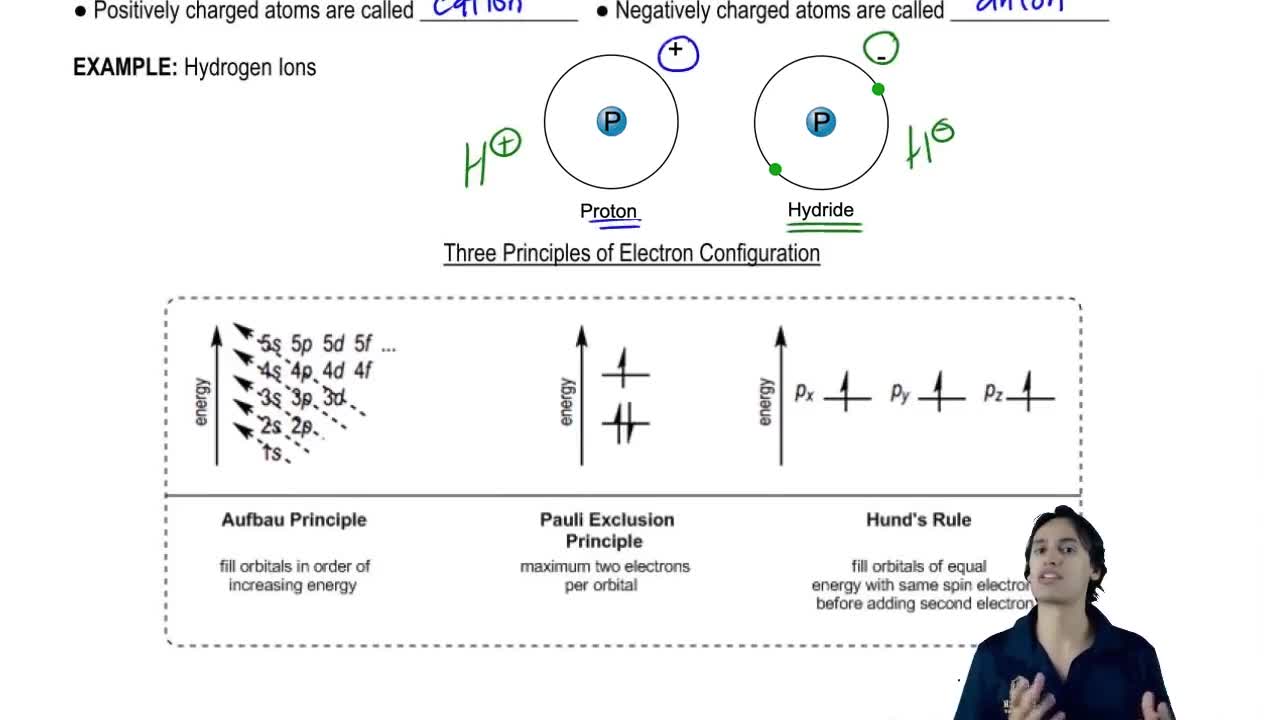
  • Three rules about orbitals you need to know.
    02:54
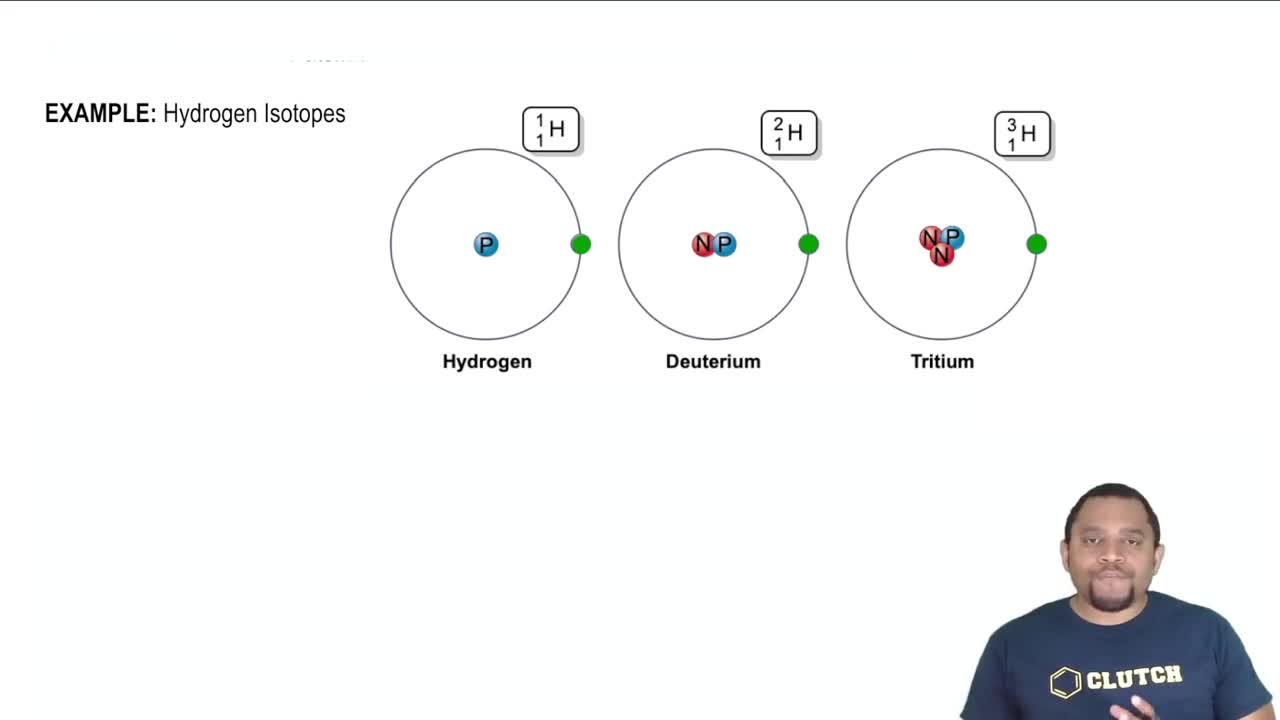
  • Understanding the hydrogen isotopes.
    03:06
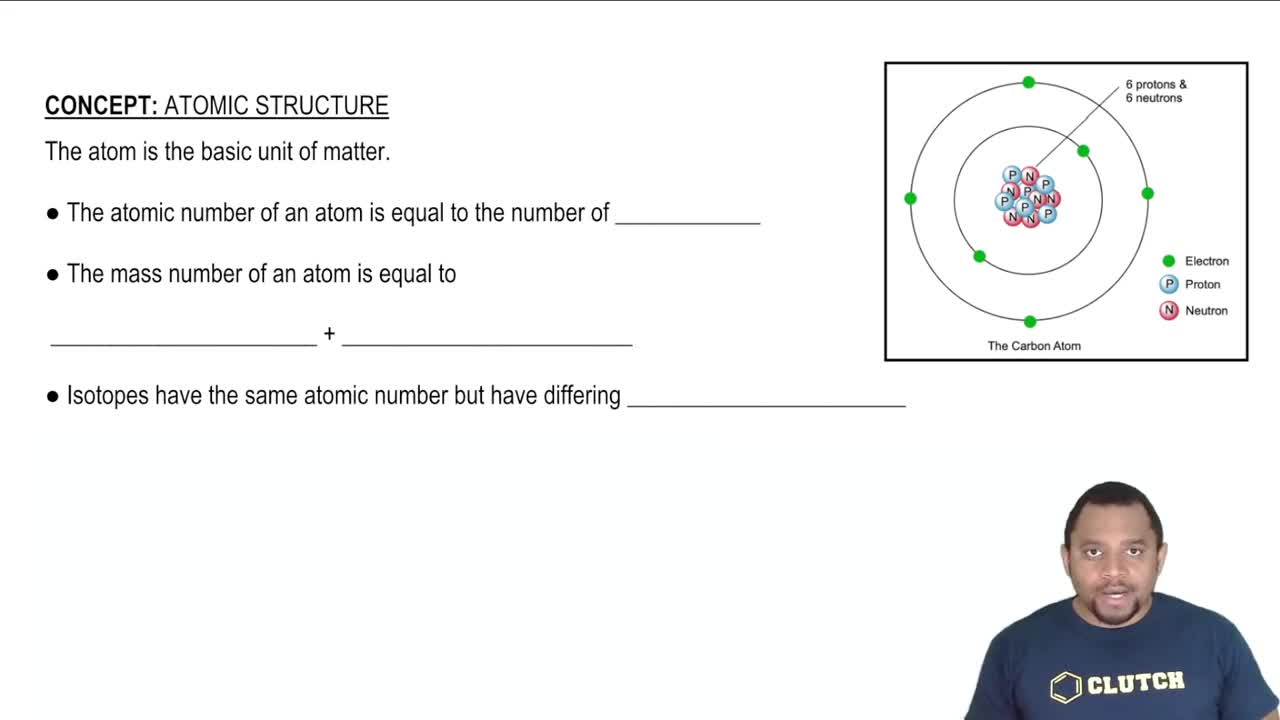
  • The difference between atomic numbers and atomic mass.
    01:44

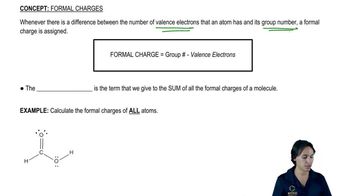
Formal Charges

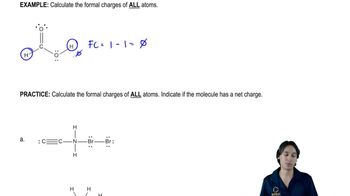
  • Calculate the formal charges of ALL atoms.
    02:21
  • Calculating formal and net charge.
    01:34

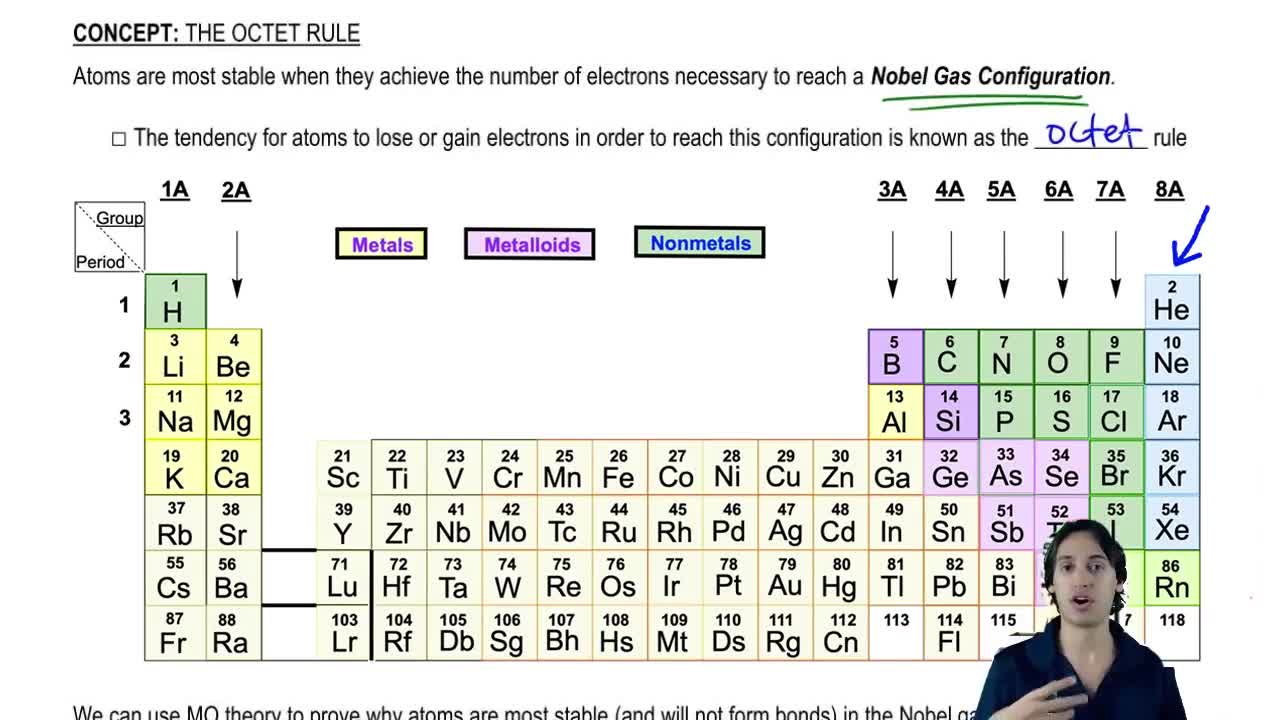
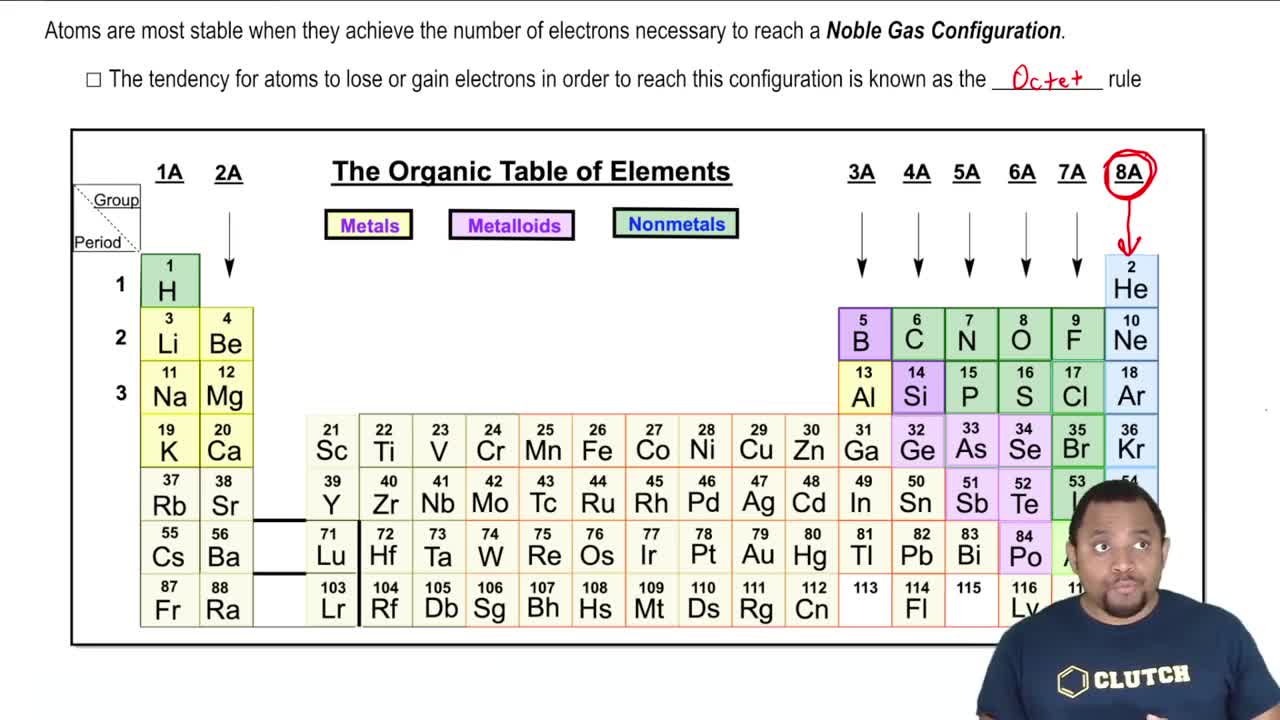
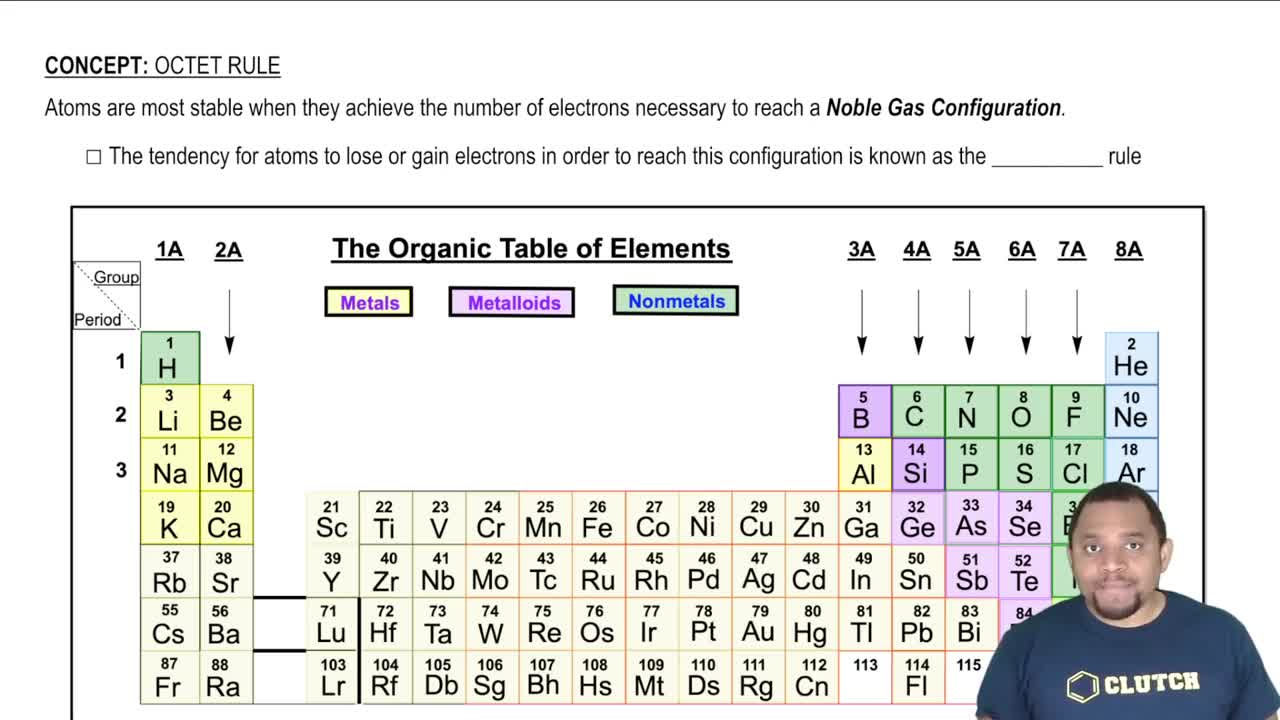
Octet Rule

  • LCAO model proves why Noble gases are so stable.
    03:48
  • The most important parts of the periodic table for organic chemistry
    02:24
  • How Noble gases are related to the octet rule.
    01:05

Sigma and Pi Bonds

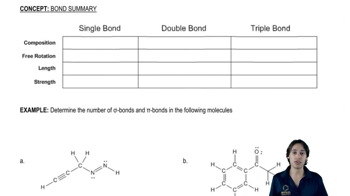
  • Single bonds, double bonds, and triple bonds.
    06:00
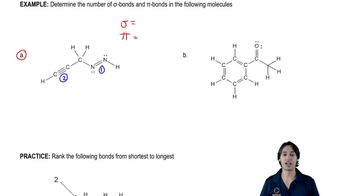
  • Sigma bonds and pi bonds
    01:05
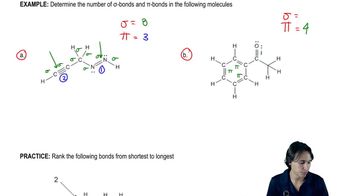
  • Sigma bonds and pi bonds
    00:59

Electronegativity

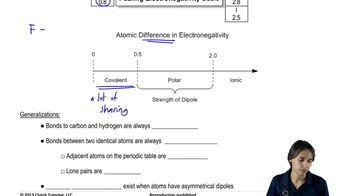
  • Differences between ionic, polar and covalent bonds
    11:33

Molecular Geometry

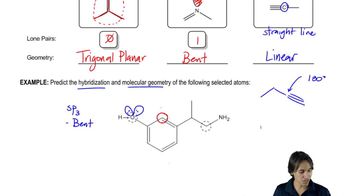
  • Predict the hybridization and molecular geometry
    01:54
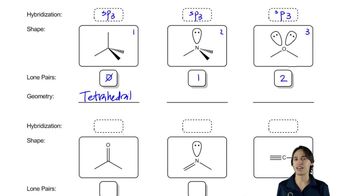
  • Molecular Geometry Explained.
    07:44

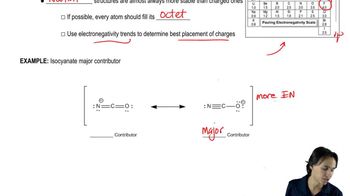
Resonance Structures

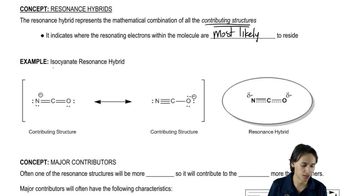
  • How to draw a resonance hybrid.
    03:24
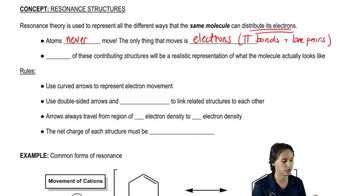
  • The rules you need for resonance:
    03:34
  • How to determine which structure is most stable.
    01:32

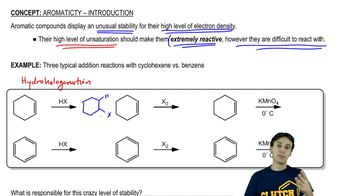
Aromaticity

  • Intro to Aromaticity
    08:19

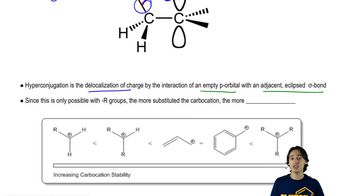
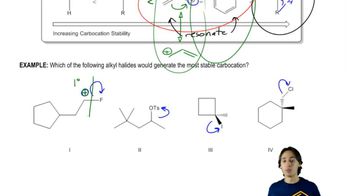
Carbocation Stability

  • Determining Carbocation Stability
    05:58
  • Predicting the most stable carbocation
    01:21

Carbocation Intermediate Rearrangements

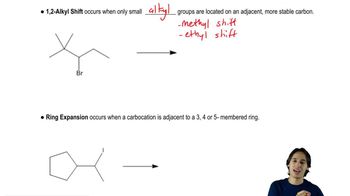
  • Alkyl Shift
    03:43
  • Understanding why carbocations shift.
    00:47
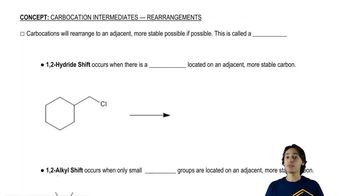
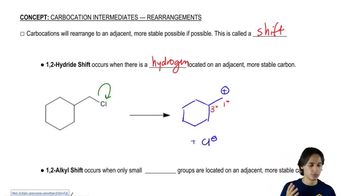
  • Hydride Shift
    03:34

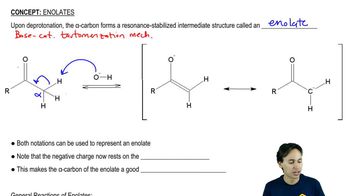
Enolate

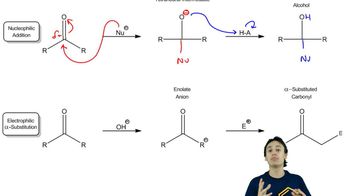
  • General Reactions
    02:28
  • Formation of Enolates
    02:26

Radical Reaction

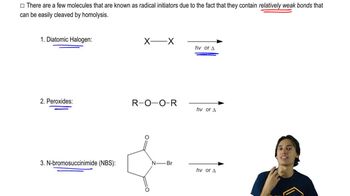
  • What are Radical Initiators?
    03:49
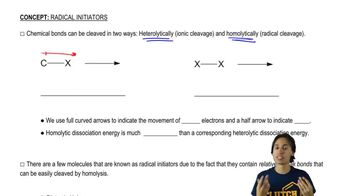
  • Heterolytic vs. Homolytic Bond Cleavage .
    04:39

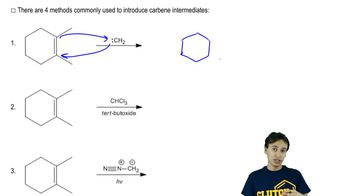
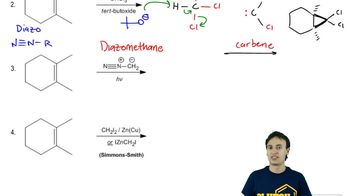
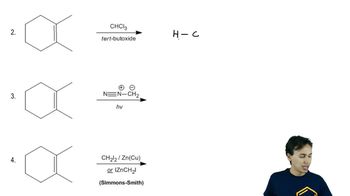
Carbene

  • Reaction with a simple carbene.
    01:48
  • Reaction with diazomethane and light or heat.
    03:01
  • Reaction with chloroform (CHCl3) and tert-butoxide.
    03:04

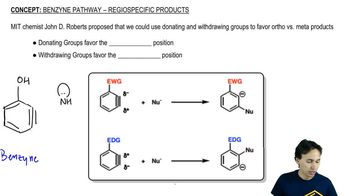
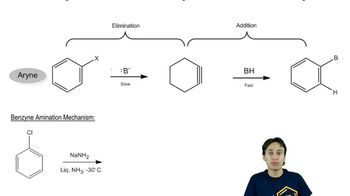
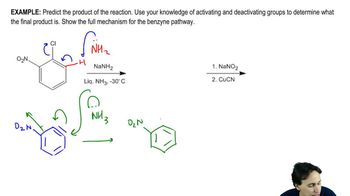
Benzyne

  • Regiospecificity
    03:20
  • General Mechanism
    06:06
  • Activating and deactivating groups
    03:27

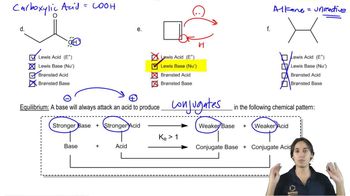
Acids and Bases

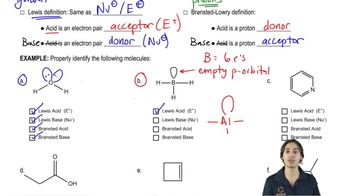
  • Lewis vs. Bronsted-Lowry Definition
    07:46
  • The Bronsted-Lowry definition of acids and bases.
    00:54
  • Equilibrium constant and conjugates.
    02:11

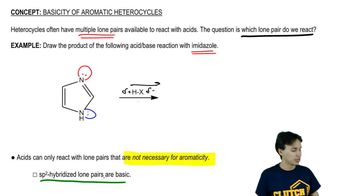
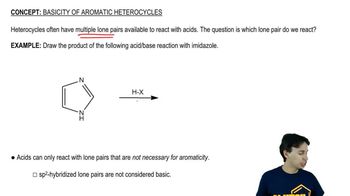
Basicity of Aromatic Heterocycles

  • The Sp2 Rule
    02:54
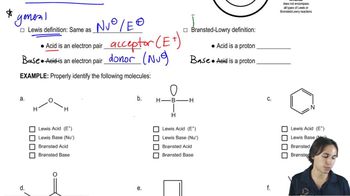
  • Heterocycles - Which lone pairs react?
    02:04
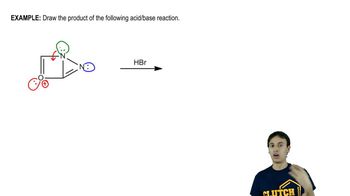
  • Draw the acid/base reaction product
    03:55

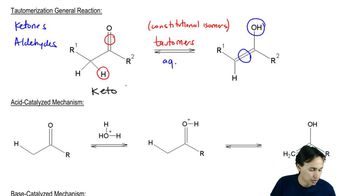
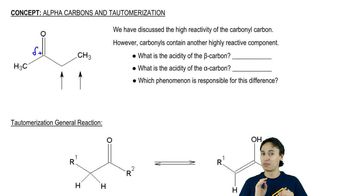
Tautomerization

  • Tautomerization Mechanisms
    05:11
  • Unusual Acidity of the Alpha Carbon
    01:51

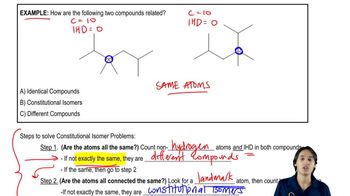
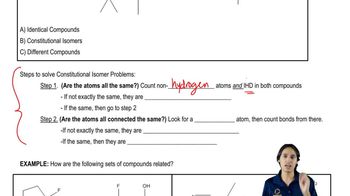
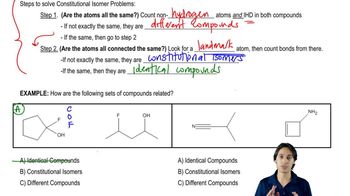
Constitutional Isomers

  • Isomeric Relationships
    03:28
  • Using the flowchart to determine isometric relationships.
    05:02
  • Isomeric Relationships
    02:56

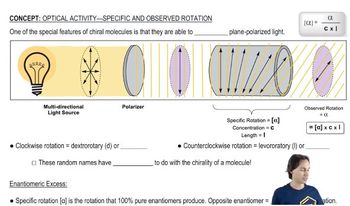
Optical Activity

  • Specific rotation vs. observed rotation.
    05:43

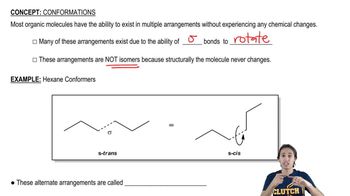
Conformational Isomers

  • Understanding what a conformer is.
    03:29

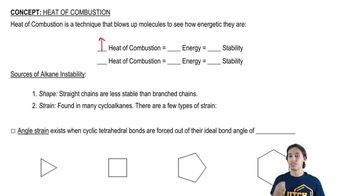
Ring Strain

  • Understanding Heat of Combustion
    01:11
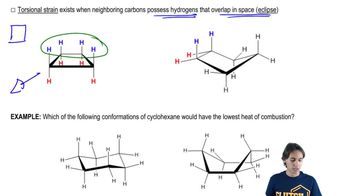
  • What is torsional strain?
    02:00
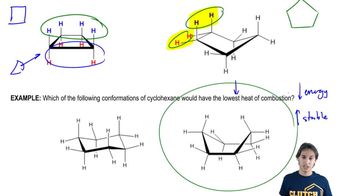
  • Lowest Heat of Combustion
    02:34

Chair Flip

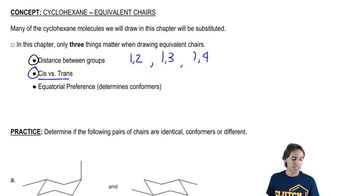
  • The 3 important factors when drawing chairs
    05:12

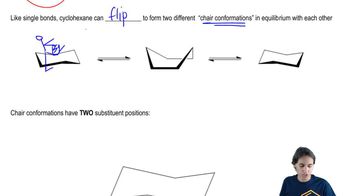
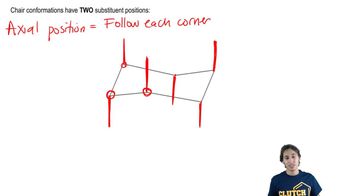
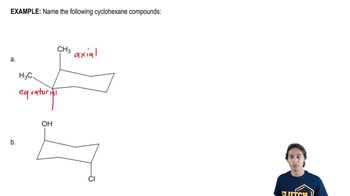
Axial vs Equatorial

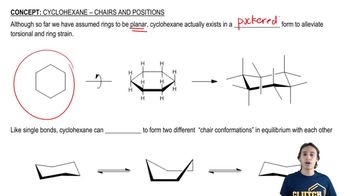
  • What is a chair conformation?
    01:05
  • How chairs flip from one conformation to another
    02:22
  • How chairs flip from one conformation to another
    04:26

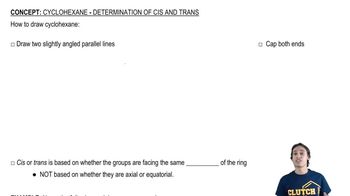
Cis vs Trans Conformations

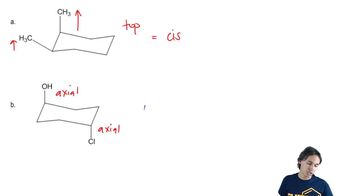
  • Is the following cyclohexane cis or trans?
    00:44
  • How to draw chairs.
    01:18
  • Is the following cyclohexane cis or trans?
    00:27

Test 3:Disubstituted Cycloalkanes

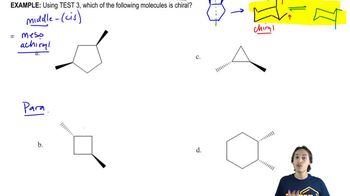
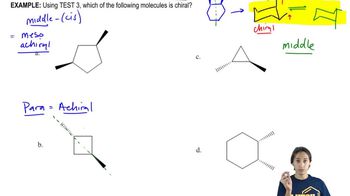
  • Is the following disubstituted cyclobutane chiral?
    00:35
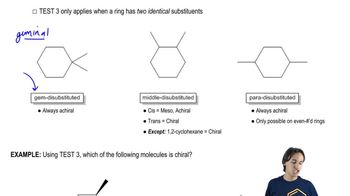
  • Three types of disubstituted cycloalkanes
    03:52
  • Is the following disubstituted cyclopropane chiral?
    00:22

Cis vs Trans Conformations

  • Is the following cyclohexane cis or trans?
    00:44
  • How to draw chairs.
    01:18
  • Is the following cyclohexane cis or trans?
    00:27

Decalin

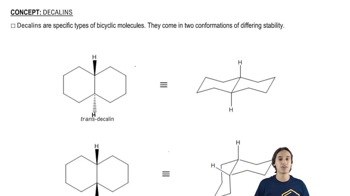
  • How to determine the stability of a decalin.
    03:52
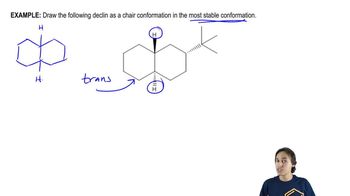
  • Draw the following decalin as a chair conformation in the most stable conformation.
    03:14

Reaction Mechanism

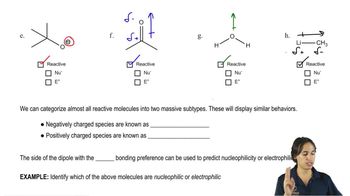
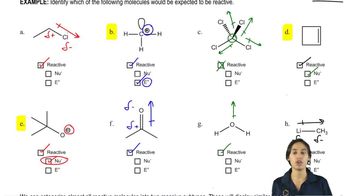
  • How to tell if charged molecules will react as nucleophiles or electrophiles.
    02:39
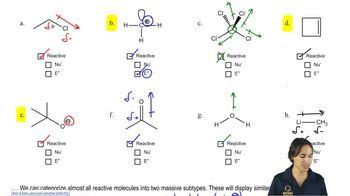
  • Nucleophile or Electrophile
    01:49
  • How to tell if uncharged molecules will react as nucleophiles or electrophiles.
    02:48