뒤로

Medicinal Chemistry: One-Group/Two-Group C-X Disconnections in Organic Synthesis

학습 가이드 - 영상으로 배우기

업로드한 자료에 맞춘 엄선된 수업 – 모든 주제를 단계별로 배워보세요.

Functional Groups

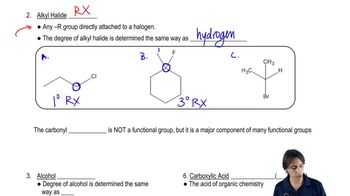
  • Assigning Degrees to Alkyl Halides
    01:30
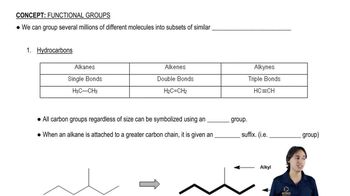
  • Why we need functional groups.
    01:49
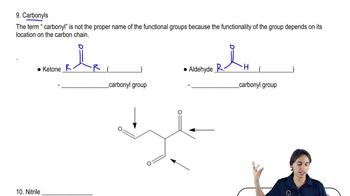
  • The difference between aldehydes and ketones.
    03:08

Organic Chemistry Reactions

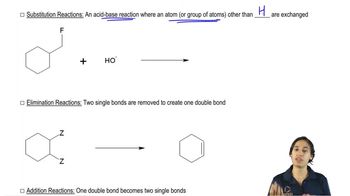
  • Recognizing Substitution Reactions.
    01:34
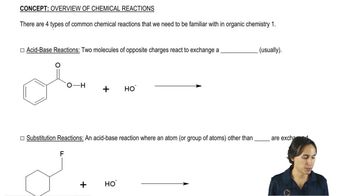
  • Recognizing Acid-Base Reactions.
    02:43
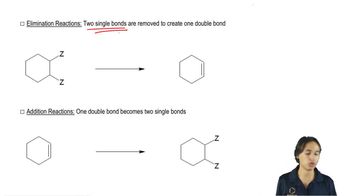
  • Recognizing Elimination Reactions.
    00:40

Reaction Mechanism

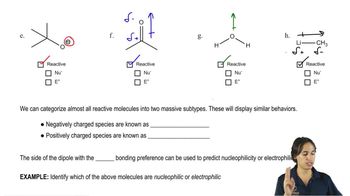
  • How to tell if charged molecules will react as nucleophiles or electrophiles.
    02:39
  • Nucleophile or Electrophile
    01:49
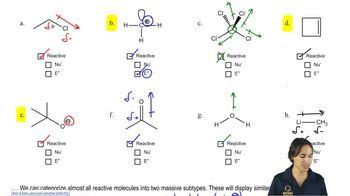
  • How to tell if uncharged molecules will react as nucleophiles or electrophiles.
    02:48

Nucleophilic Substitution

  • Predict the product
    05:55
  • Nucleophiles and Electrophiles can react in Bronsted-Lowry Reactions.
    05:01
  • Nucleophiles and Electrophiles can react in Substitution Reactions.
    01:47

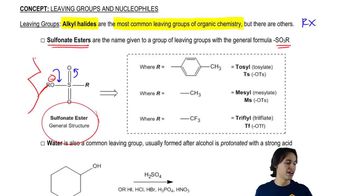
Leaving Groups

  • The 3 important leaving groups to know.
    07:22

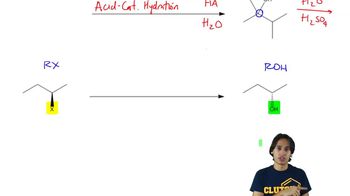
Alcohol Synthesis

  • Forming alcohols through SN2 reactions.
    01:44
  • Forming alcohols through Acid-Catalyzed Hydration.
    02:02
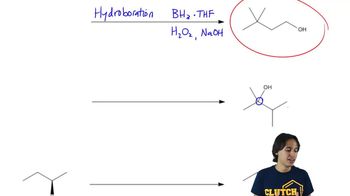
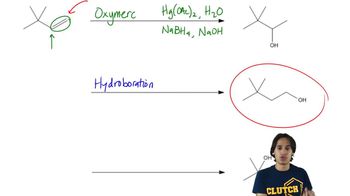
  • Forming alcohols through Hydroboration-Oxidation.
    01:37

Leaving Group Conversions - Using HX

  • Why do we need to convert Alcohol into a good leaving group?
    02:03
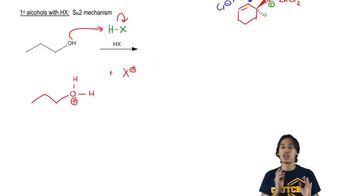
  • Using HX acids via SN2 reaction.
    02:16
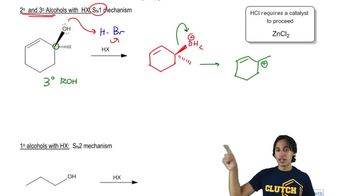
  • Using HX acids via SN1 reaction.
    07:20

Leaving Group Conversions - SOCl2 and PBr3

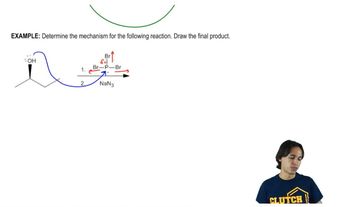
  • Predict the mechanism of PBr3, and draw the final product.
    06:01
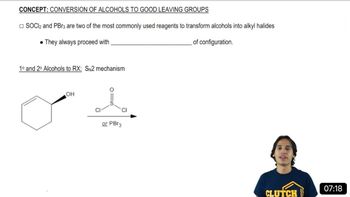
  • Learning the mechanism of SOCl2.
    07:18

Synthesis of Amino Acids: Strecker Synthesis

  • 가이드 코스
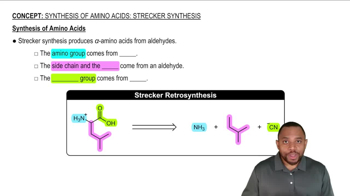
    Synthesis of Amino Acids: Strecker Synthesis Concept 3
    1:53
  • 가이드 코스
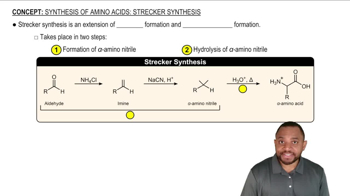
    Synthesis of Amino Acids: Strecker Synthesis Concept 1
    1:39
  • 가이드 코스
    Synthesis of Amino Acids: Strecker Synthesis Example 1
    1:16

Reductive Amination

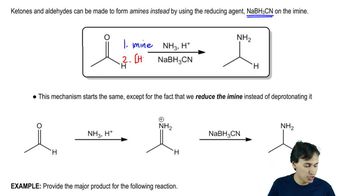
  • Reductive Amination
    07:12
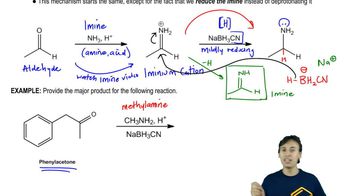
  • Provide the Major Product
    03:07

IUPAC Naming

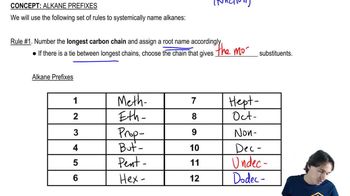
  • Naming the root chain
    01:02
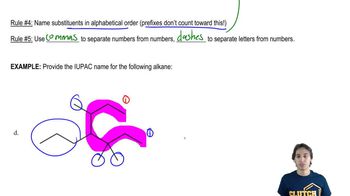
  • Provide the IUPAC name for the following alkane
    07:08
  • The different parts of an IUPAC name
    03:43