뒤로

Organic Chemistry Exam 4 – Step-by-Step Study Guidance

학습 가이드 - 영상으로 배우기

업로드한 자료에 맞춘 엄선된 수업 – 모든 주제를 단계별로 배워보세요.

Alkane Nomenclature

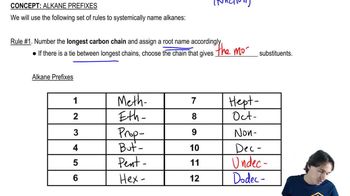
  • Naming the root chain
    01:02
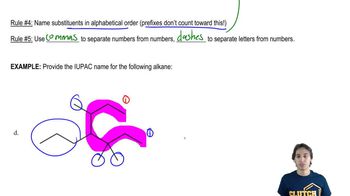
  • Provide the IUPAC name for the following alkane
    07:08
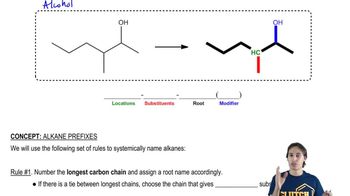
  • The different parts of an IUPAC name
    03:43

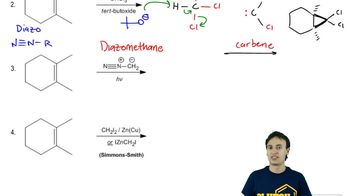
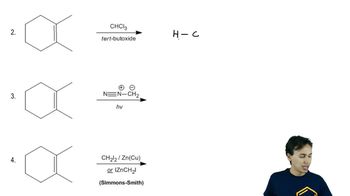
Carbene

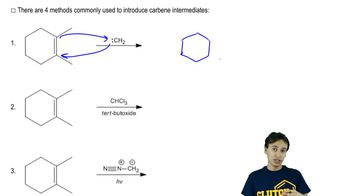
  • Reaction with a simple carbene.
    01:48
  • Reaction with diazomethane and light or heat.
    03:01
  • Reaction with chloroform (CHCl3) and tert-butoxide.
    03:04

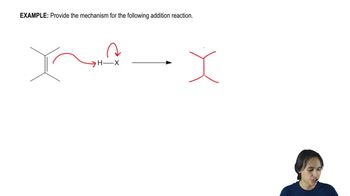
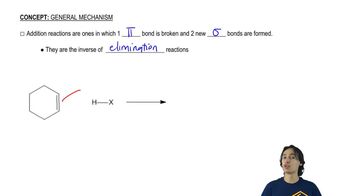
Addition Reaction

  • Provide the mechanism
    01:15
  • Features of Addition Mechanisms.
    05:39

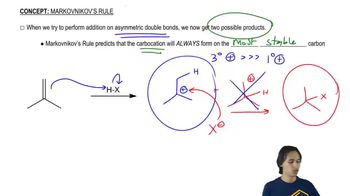
Markovnikov

  • Provide the mechanism
    01:26
  • How to add to asymmetrical double bonds.
    03:38

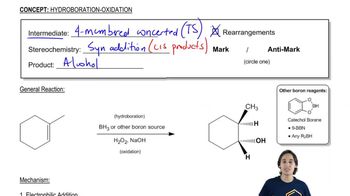
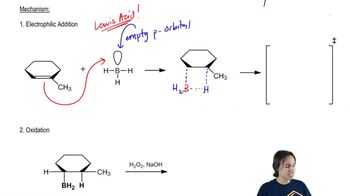
Hydroboration

  • General properties of hydroboration-oxidation.
    06:38
  • Acid-catalyzed hydroboration-oxidation mechanism
    06:14

Halogenation

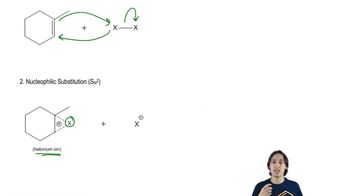
  • Halogenation Mechanism
    03:45
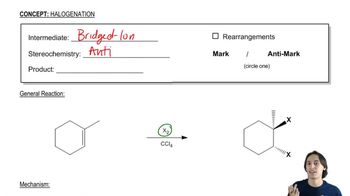
  • General properties of halogenation.
    02:27

Epoxidation

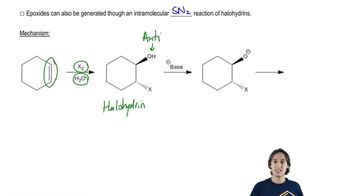
  • Halohydrins to epoxides via intramolecular SN2.
    02:26
  • General properties of epoxidation.
    02:19
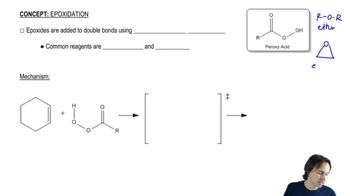
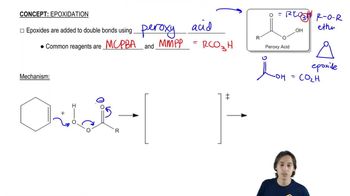
  • The mechanism of how peroxy acids make epoxides.
    03:19

Dihydroxylation

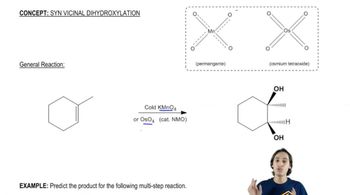
  • General properties of syn vicinal dihydroxylation.
    03:50
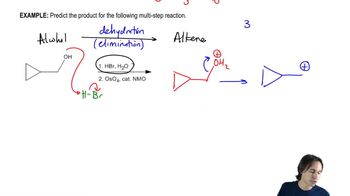
  • Predict the product for the following multi-step reaction.
    04:42

Ozonolysis

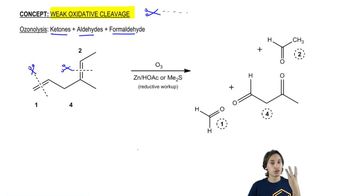
  • General properties of ozonolysis.
    06:30

Reaction Mechanism

  • How to tell if charged molecules will react as nucleophiles or electrophiles.
    02:39
  • Nucleophile or Electrophile
    01:49
  • How to tell if uncharged molecules will react as nucleophiles or electrophiles.
    02:48

Index of Hydrogen Deficiency (Structural)

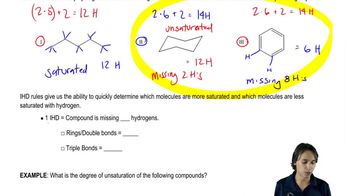
  • Is the following molecule saturated?
    00:30
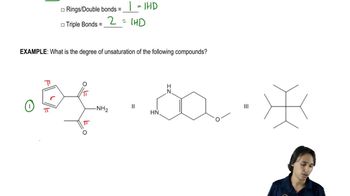
  • What is the IHD of the following molecule?
    00:45
  • What index of hydrogen deficiency is.
    01:15

Solubility

  • Introducing common solvents and other molecules in organic chemistry.
    02:01
  • Understanding “like dissolves like”.
    01:47