뒤로

ORGO Exam 4 Practice Study Guide

학습 가이드 - 영상으로 배우기

업로드한 자료에 맞춘 엄선된 수업 – 모든 주제를 단계별로 배워보세요.

Alkane Nomenclature

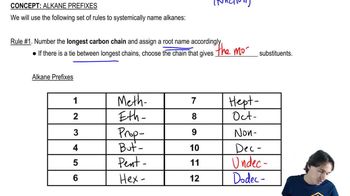
  • Naming the root chain
    01:02
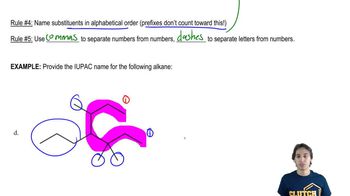
  • Provide the IUPAC name for the following alkane
    07:08
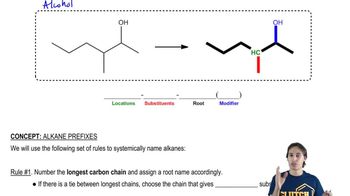
  • The different parts of an IUPAC name
    03:43

Alkyl Groups

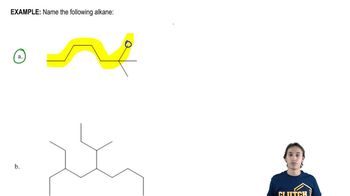
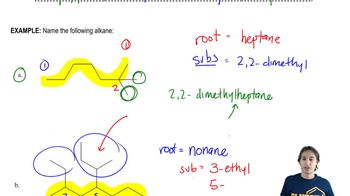
  • Name the following alkane
    02:33
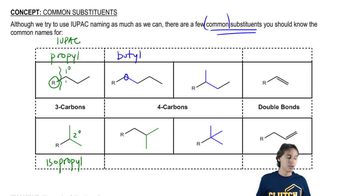
  • Understanding Non-IUPAC Substituents
    06:42
  • Name the following alkane
    03:56

Naming Alkyl Halides

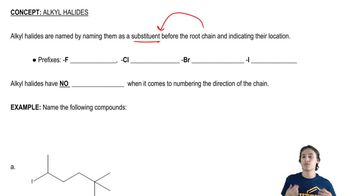
  • How to name alkyl halides
    01:52
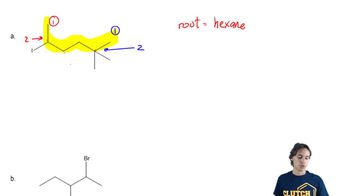
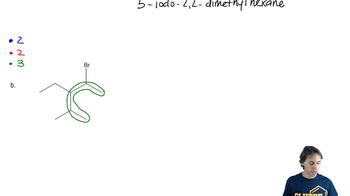
  • Name the following alkyl halide
    01:58
  • Name the following alkyl halide
    03:53

Introduction to Substitution

  • Predict the product
    05:55
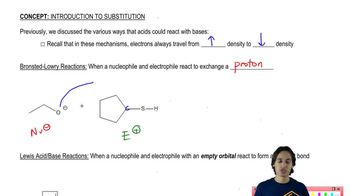
  • Nucleophiles and Electrophiles can react in Bronsted-Lowry Reactions.
    05:01
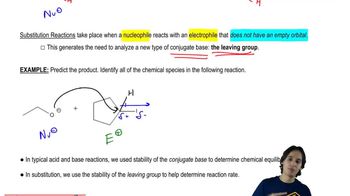
  • Nucleophiles and Electrophiles can react in Substitution Reactions.
    01:47

Leaving Groups

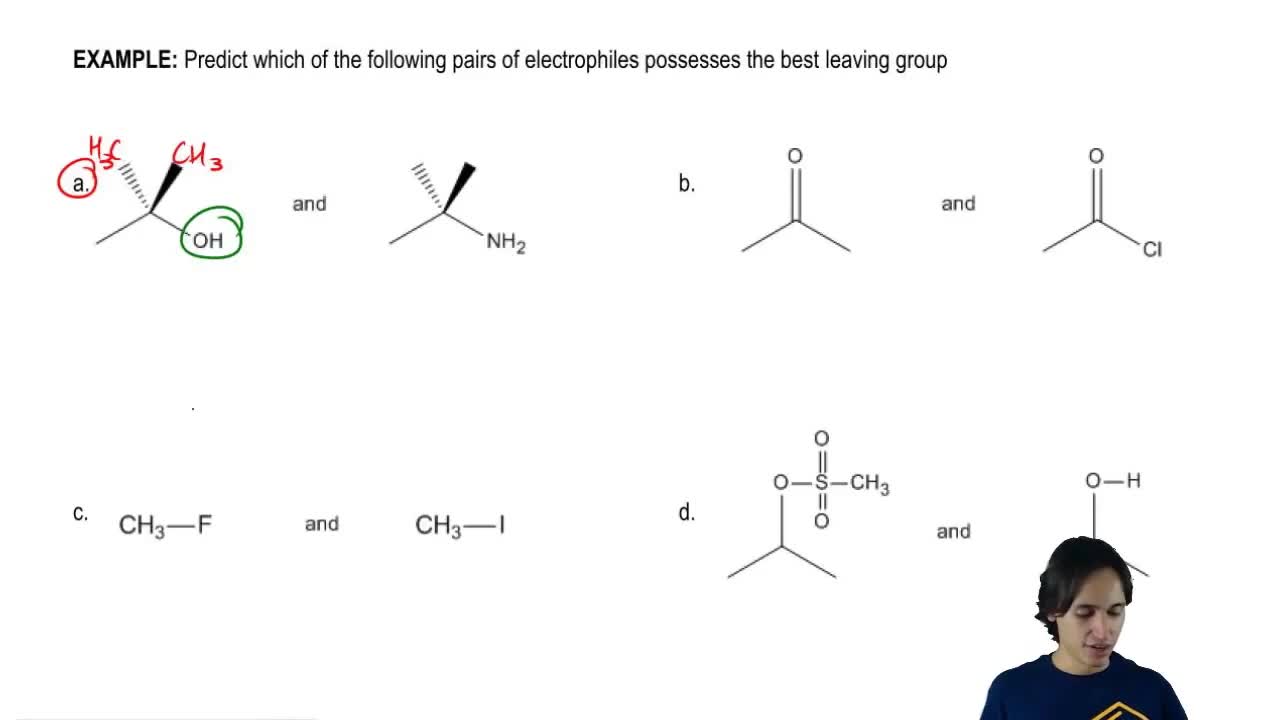
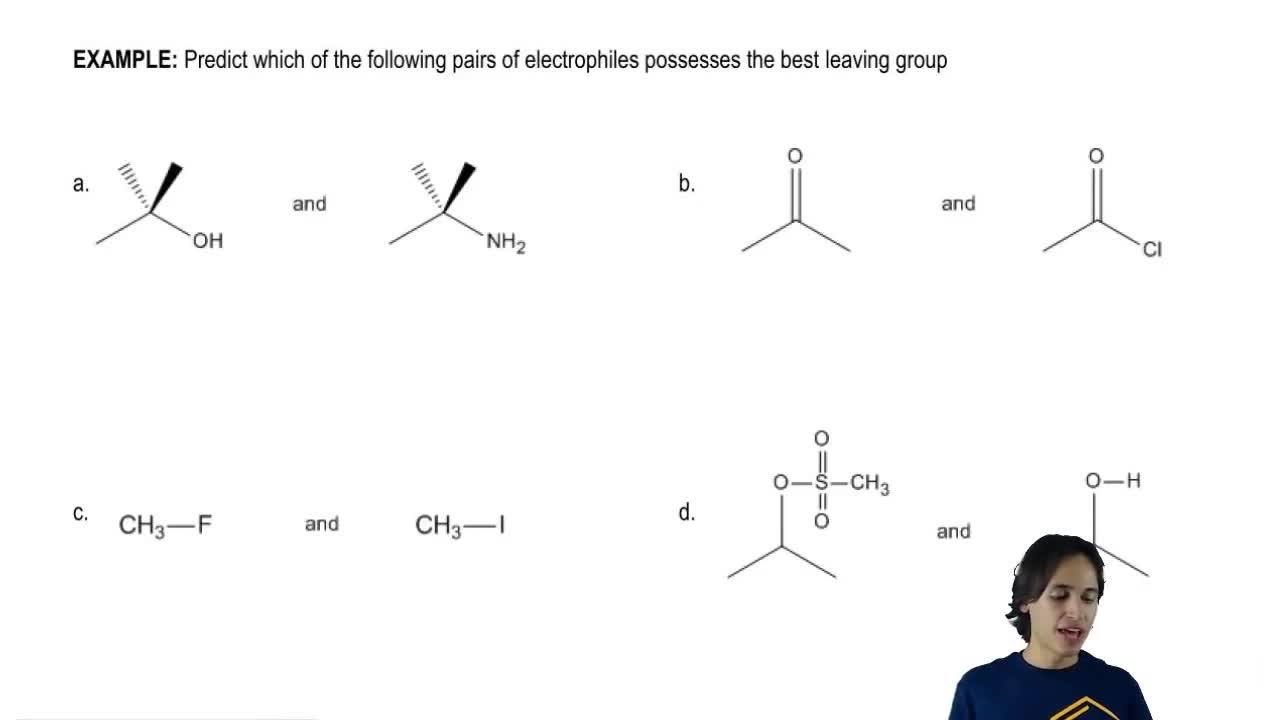
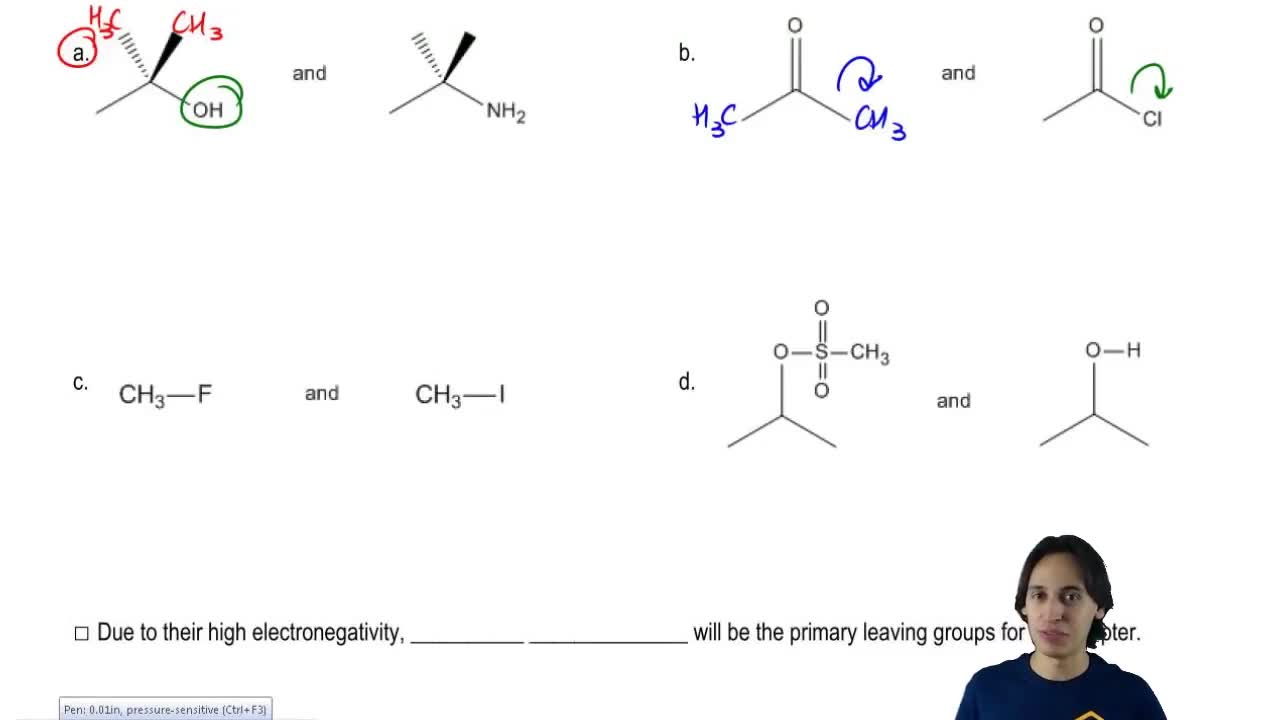
  • Predict the best leaving group
    00:50
  • Predict the best leaving group
    01:12
  • Predict the best leaving group
    00:36

The SN2 Mechanism

  • Ranking reactivity toward SN2
    04:03
  • Drawing the SN2 Mechanism
    08:33
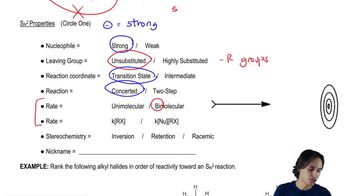
  • Understanding the properties of SN2.
    11:57

SN1 Reaction

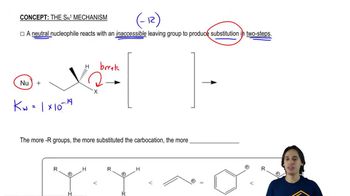
  • Drawing the SN1 Mechanism
    10:49
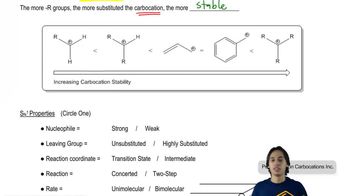
  • Why highly substituted leaving groups favor SN1.
    01:13
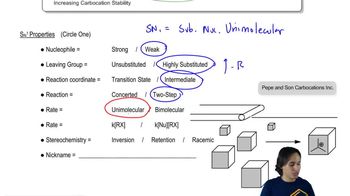
  • Understanding the properties of SN1.
    08:16

Substitution Comparison

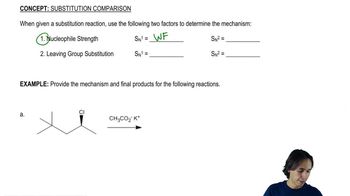
  • How do we predict if the mechanism is SN1 or SN2?
    03:32

E2 Mechanism

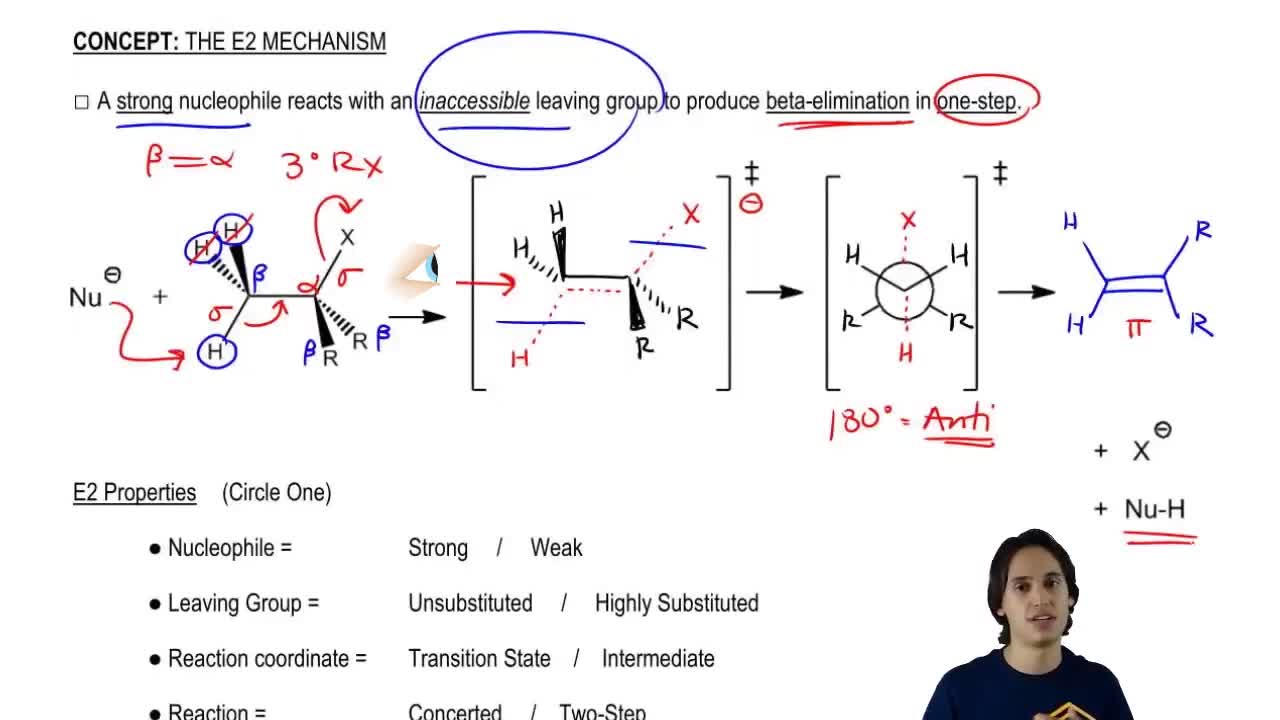
  • Understanding the properties of E2.
    04:42
  • Drawing the E2 Mechanism.
    09:36
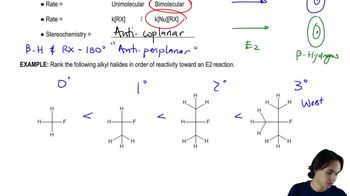
  • Rank reactivity toward E2
    02:03

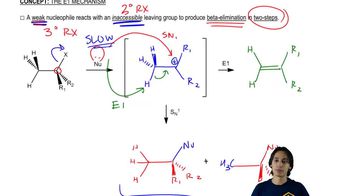
The E1 Mechanism

  • Understanding the properties of E1.
    03:32
  • Drawing the E1 Mechanism.
    08:09

Zaitsev Rule

  • Hofmann product
    02:39
  • Defining Zaitsev’s Rule
    01:18
  • Zaitsev product
    07:01

Dehydrohalogenation

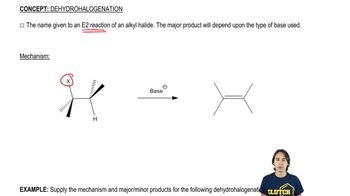
  • The dehydrohalogenation mechanism.
    03:02
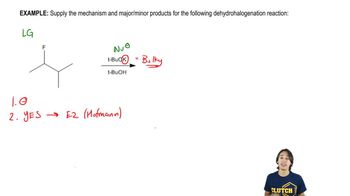
  • Dehydrohalogenation mechanism and products
    04:35

Alkene Stability

  • Heat of Combustion
    02:55
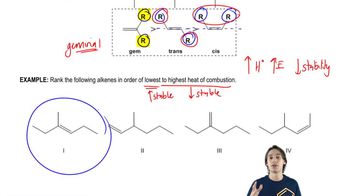
  • Understanding trends of alkene stability.
    04:28

Nucleophiles and Basicity

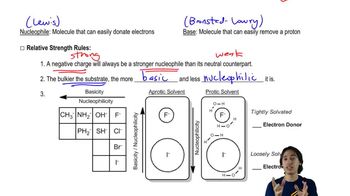
  • Understanding the difference between basicity and nucleophilicity.
    06:21

Solvents

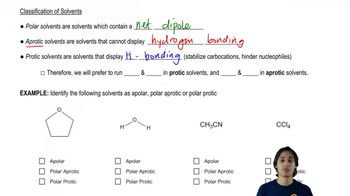
  • The difference between protic vs. aprotic solvents.
    03:57
  • Identification of polarity in solvents
    01:16
  • Identification of polarity in solvents
    00:39

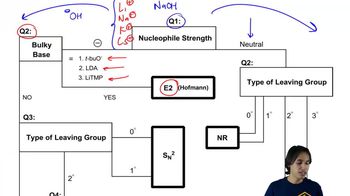
SN1 SN2 E1 E2 Chart (Big Daddy Flowchart)

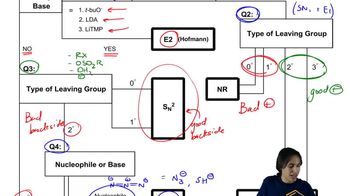
  • How to predict SN2 and E2 mechanisms.
    09:52
  • How to predict SN1 and E1 mechanisms.
    06:30
  • Overview of the flowchart.
    02:27

Suzuki Reaction

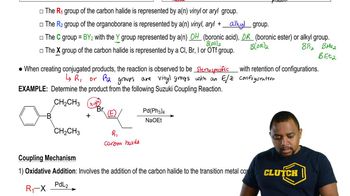
  • Suzuki Reaction Example 1
    03:58
  • Suzuki Reaction
    04:02
  • Suzuki Reaction
    03:22
1H NMR:Number of Signals

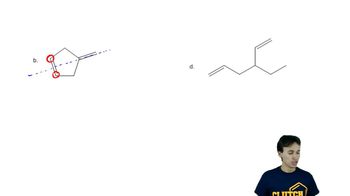
  • General Assumption for 1H NMR Signals
    04:35
  • Identifying Proton Signals
    02:02
  • Identifying Proton Signals
    01:55

1H NMR:Spin-Splitting (N + 1) Rule

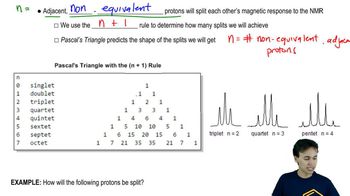
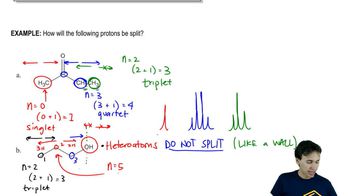
  • Splitting without J-values
    12:21
  • Proton Splitting
    03:

NMR Integration

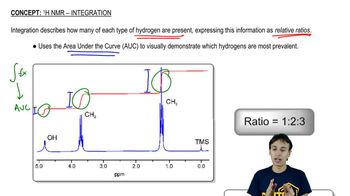
  • 1H NMR Integration
    06:46
  • Draw Complete NMR Spectrum
    04:29

NMR Practice