뒤로

Organic Chemistry Exam Study Guide: Acids, Bases, Alkenes, and Reaction Mechanisms

학습 가이드 - 영상으로 배우기

업로드한 자료에 맞춘 엄선된 수업 – 모든 주제를 단계별로 배워보세요.

Acid and Base Definitions

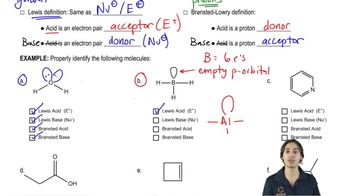
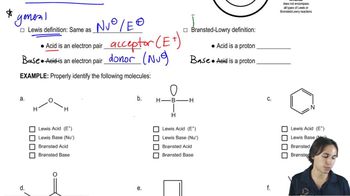
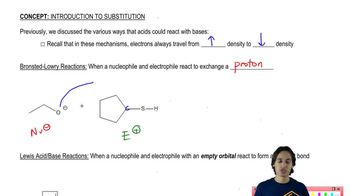
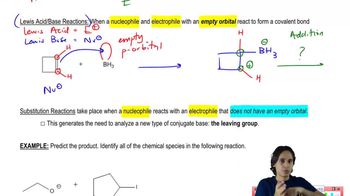
  • Lewis vs. Bronsted-Lowry Definition
    07:46
  • The Bronsted-Lowry definition of acids and bases.
    00:54
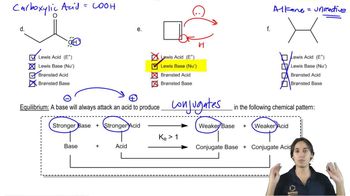
  • Equilibrium constant and conjugates.
    02:11

pKa Values

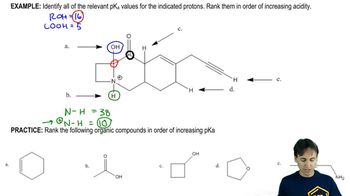
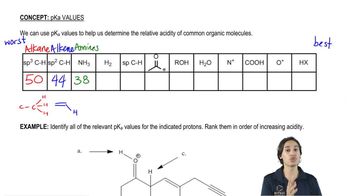
  • Identifying pKa values
    07:45
  • The 12 pKa values you want to memorize (because they are important!).
    09:36
Acid Base Equilibrium

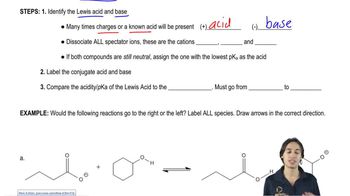
  • The 3 steps for determining the direction of acid and base equilibrium.
    05:11
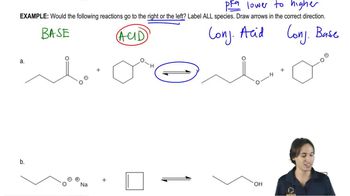
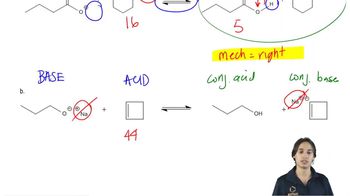
  • Determining Acid/Base Equilibrium
    04:00
  • Determining Acid/Base Equilibrium
    02:34

Factors Affecting Acidity

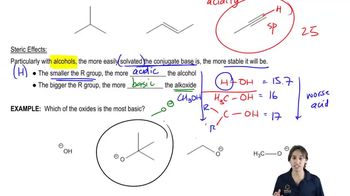
  • Which of the oxides is the most basic?
    00:30
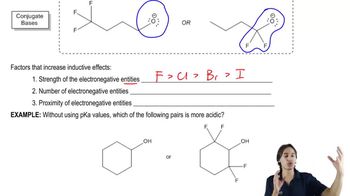
  • The 3 factors that determine the strength of inductive effects.
    03:09
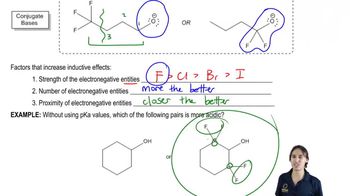
  • Using Inductive Effect to determine acidity
    01:54

Index of Hydrogen Deficiency (Structural)

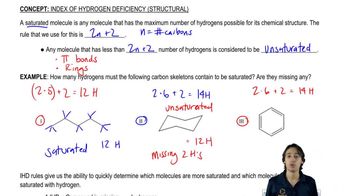
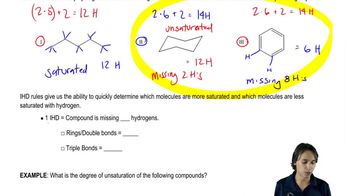
  • Is the following molecule saturated?
    00:30
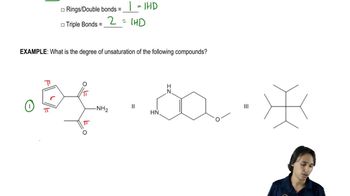
  • What is the IHD of the following molecule?
    00:45
  • What index of hydrogen deficiency is.
    01:15

Molecular Orbital Theory

  • Sigma bond vs. pi bond, which is stronger?
    03:25
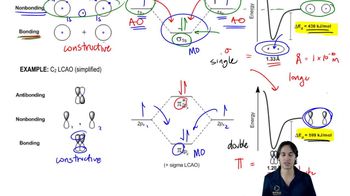
  • What’s the difference between sigma and pi bonds?
    02:19
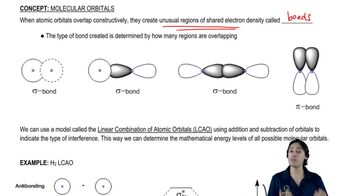
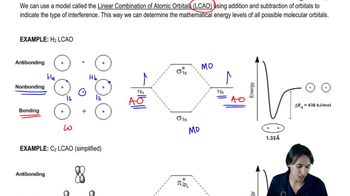
  • What’s the difference between atomic and molecular orbitals?
    11:25

Sigma and Pi Bonds

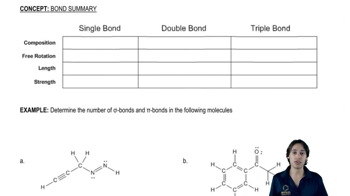
  • Single bonds, double bonds, and triple bonds.
    06:00
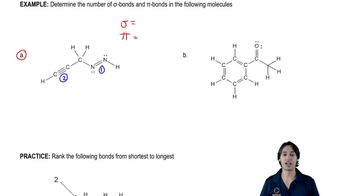
  • Sigma bonds and pi bonds
    01:05
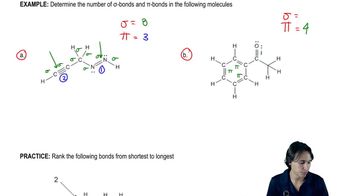
  • Sigma bonds and pi bonds
    00:59

Introduction to Substitution

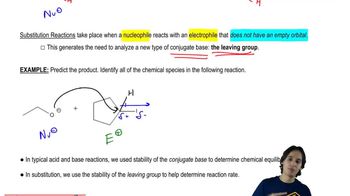
  • Predict the product
    05:55
  • Nucleophiles and Electrophiles can react in Bronsted-Lowry Reactions.
    05:01
  • Nucleophiles and Electrophiles can react in Substitution Reactions.
    01:47

SN1 Reaction

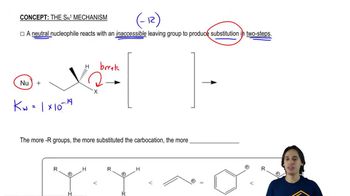
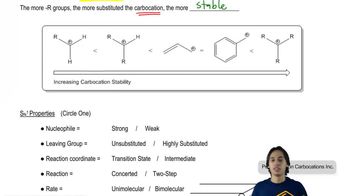
  • Drawing the SN1 Mechanism
    10:49
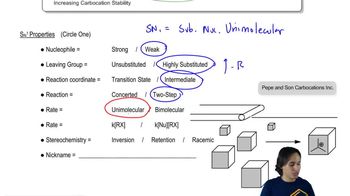
  • Why highly substituted leaving groups favor SN1.
    01:13
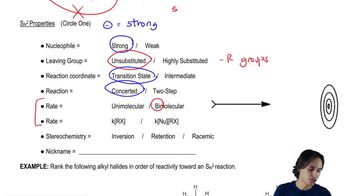
  • Understanding the properties of SN1.
    08:16

The SN2 Mechanism

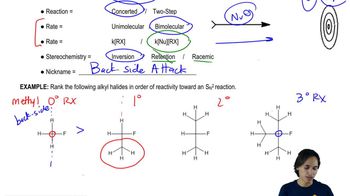
  • Ranking reactivity toward SN2
    04:03
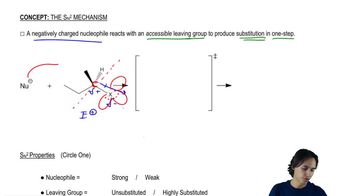
  • Drawing the SN2 Mechanism
    08:33
  • Understanding the properties of SN2.
    11:57

Substitution Comparison

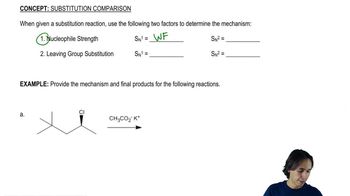
  • How do we predict if the mechanism is SN1 or SN2?
    03:32

Alkene Stability

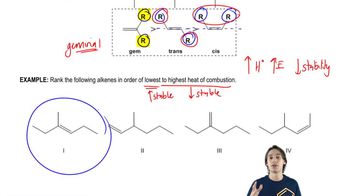
  • Heat of Combustion
    02:55
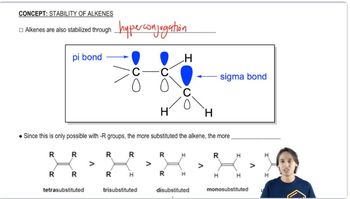
  • Understanding trends of alkene stability.
    04:28

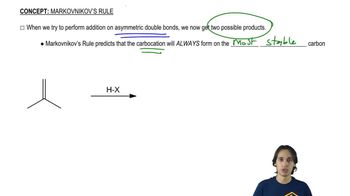
Markovnikov

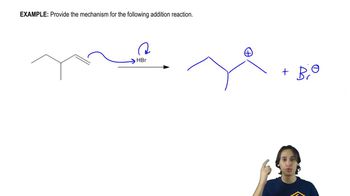
  • Provide the mechanism
    01:26
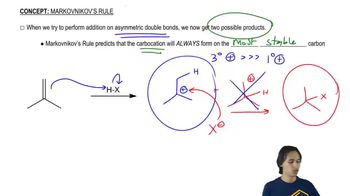
  • How to add to asymmetrical double bonds.
    03:38

Hydrohalogenation

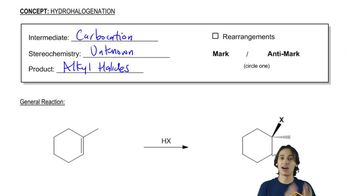
  • General properties of hydrohalogenation.
    04:07
  • Provide the mechanism
    02:24

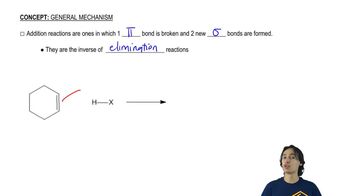
Addition Reaction

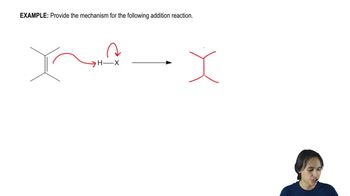
  • Provide the mechanism
    01:15
  • Features of Addition Mechanisms.
    05:39

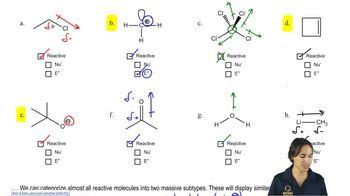
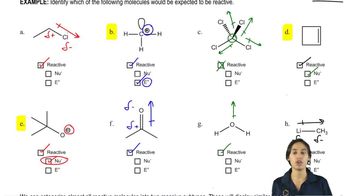
Reaction Mechanism

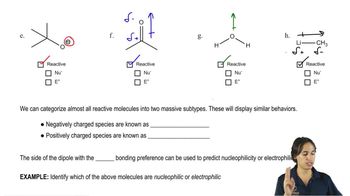
  • How to tell if charged molecules will react as nucleophiles or electrophiles.
    02:39
  • Nucleophile or Electrophile
    01:49
  • How to tell if uncharged molecules will react as nucleophiles or electrophiles.
    02:48

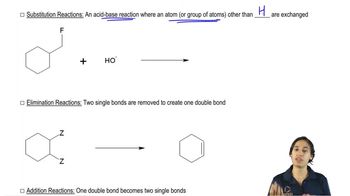
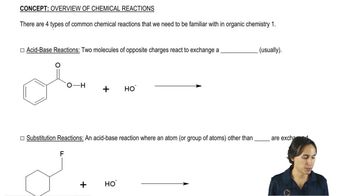
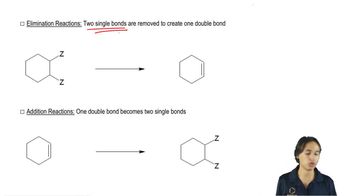
Overview of Chemical Reactions

  • Recognizing Substitution Reactions.
    01:34
  • Recognizing Acid-Base Reactions.
    02:43
  • Recognizing Elimination Reactions.
    00:40

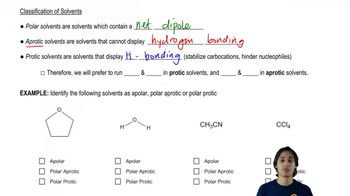
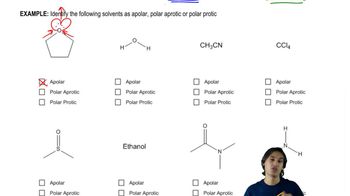
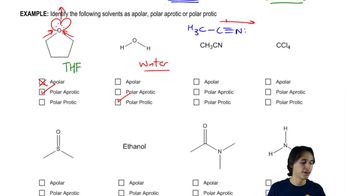
Solvents

  • The difference between protic vs. aprotic solvents.
    03:57
  • Identification of polarity in solvents
    01:16
  • Identification of polarity in solvents
    00:39