뒤로

Organic Chemistry I: Core Concepts, Bonding, Structure, and Reactivity

학습 가이드 - 영상으로 배우기

업로드한 자료에 맞춘 엄선된 수업 – 모든 주제를 단계별로 배워보세요.

Intro to Organic Chemistry

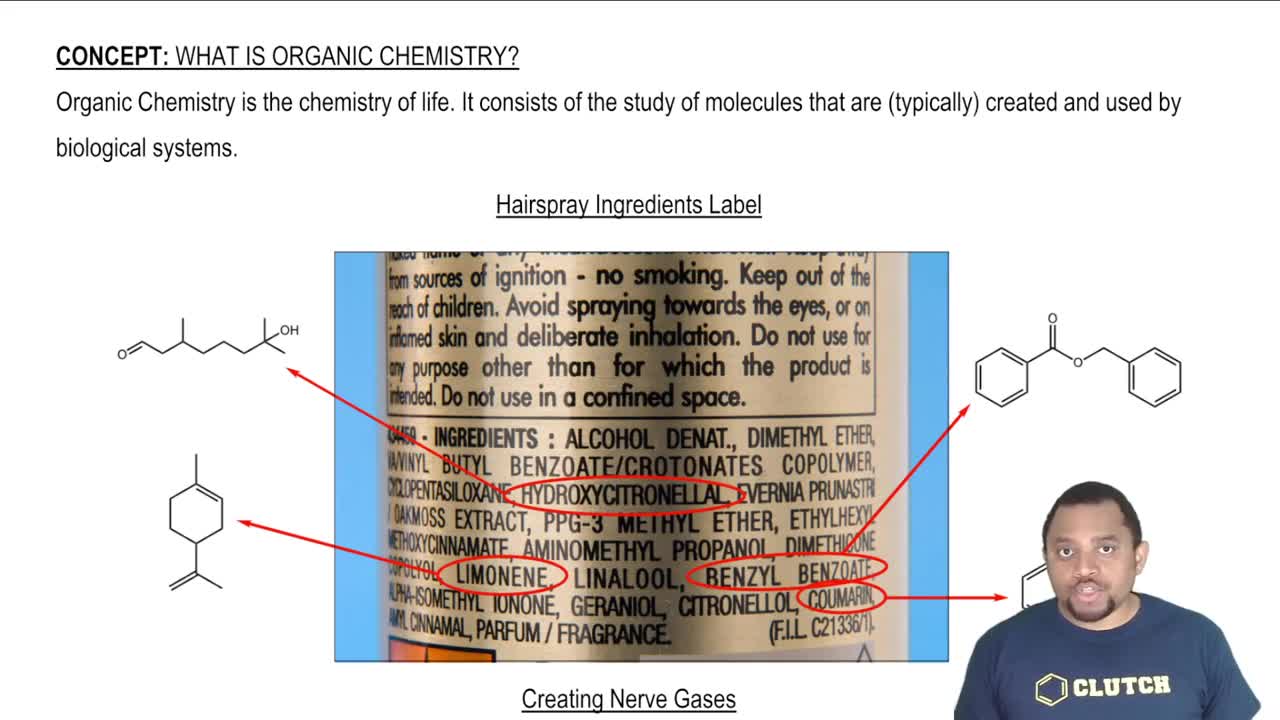
  • Organic molecules in your everyday life.
    02:08
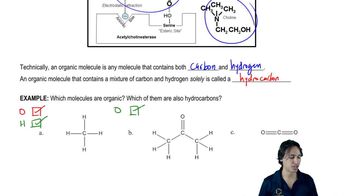
  • Identifying organic molecules
    02:17

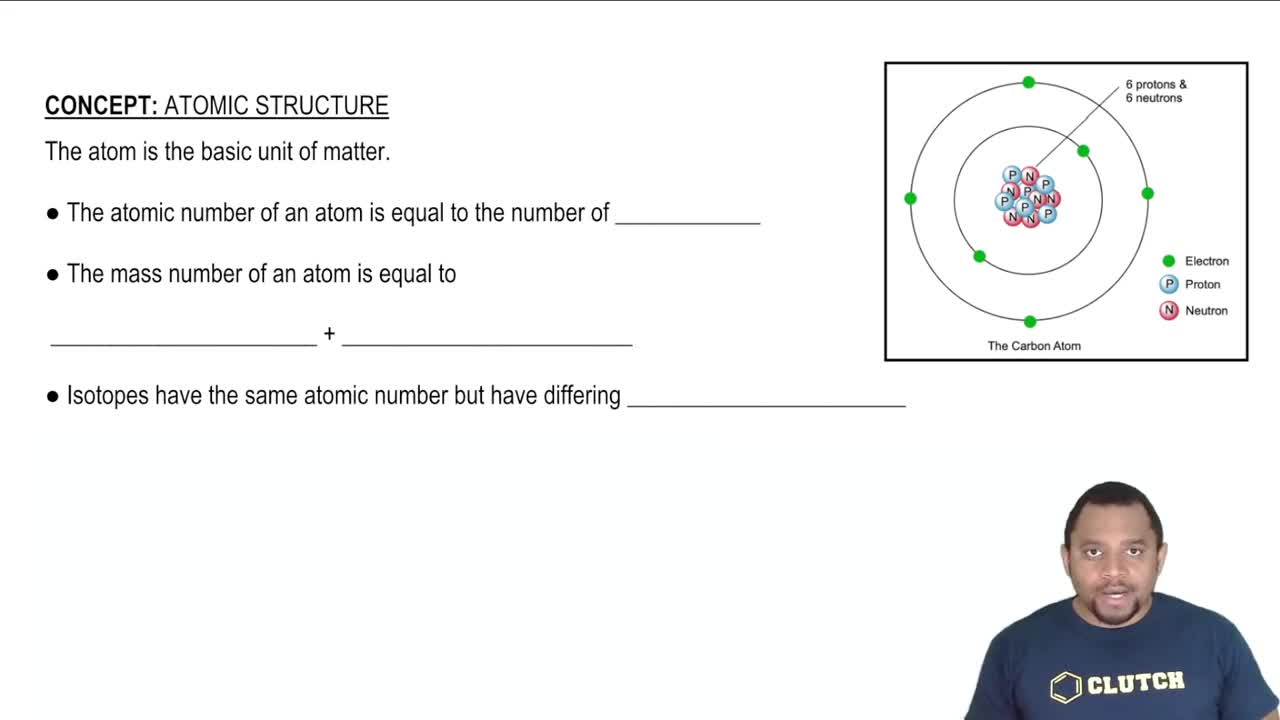
Atomic Structure

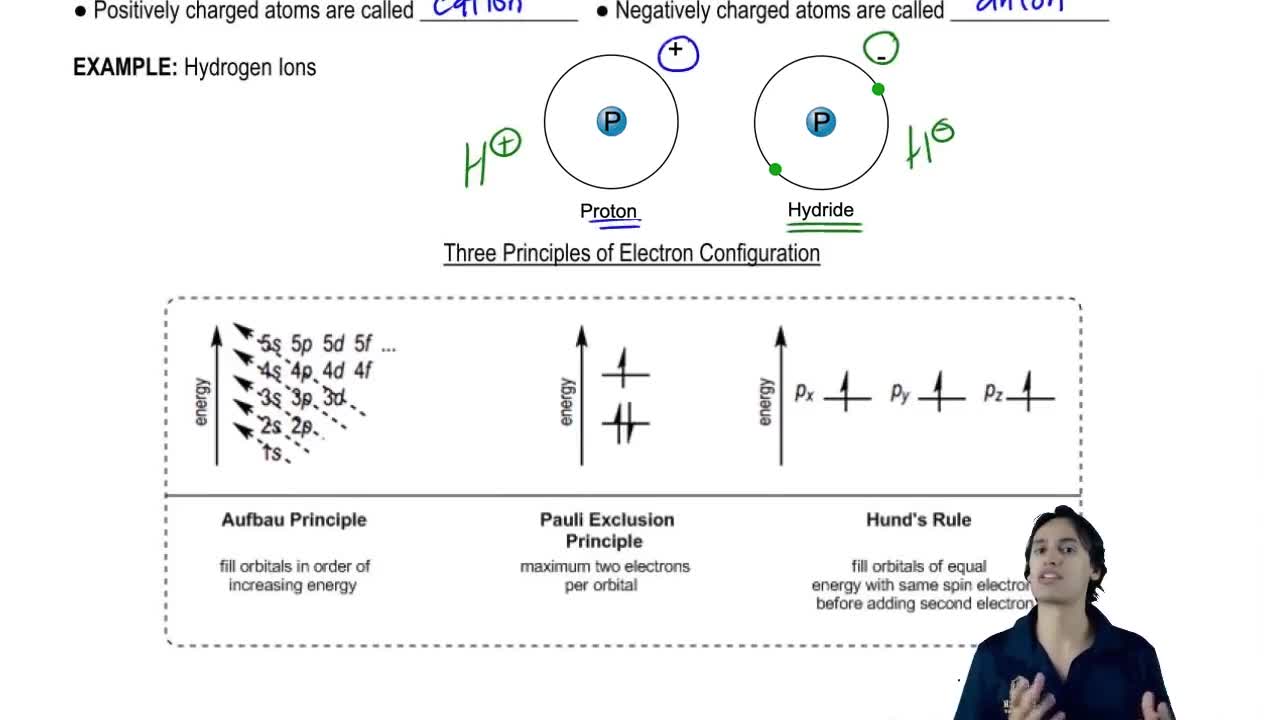
  • Three rules about orbitals you need to know.
    02:54
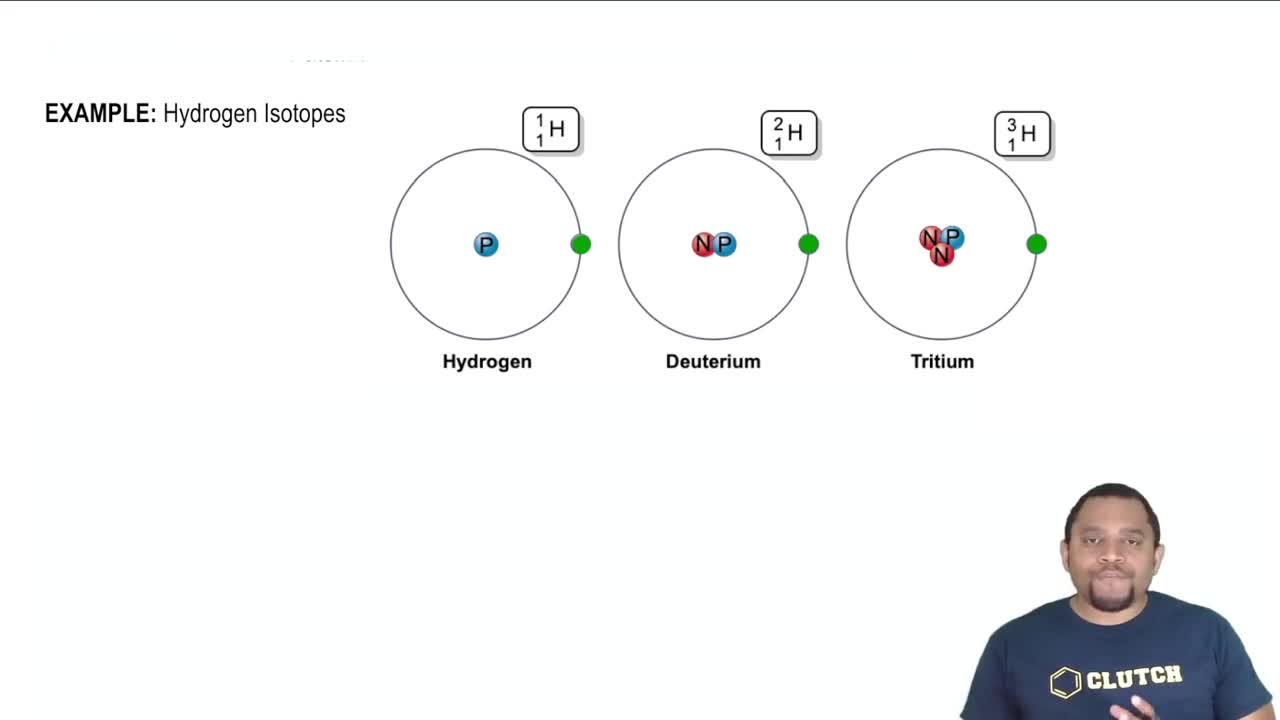
  • Understanding the hydrogen isotopes.
    03:06
  • The difference between atomic numbers and atomic mass.
    01:44

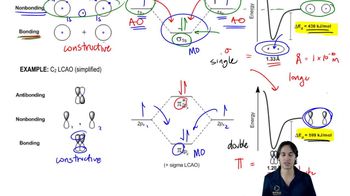
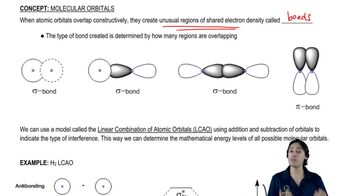
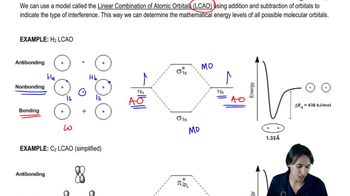
Molecular Orbitals

  • Sigma bond vs. pi bond, which is stronger?
    03:25
  • What’s the difference between sigma and pi bonds?
    02:19
  • What’s the difference between atomic and molecular orbitals?
    11:25

Sigma and Pi Bonds

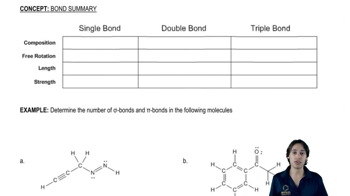
  • Single bonds, double bonds, and triple bonds.
    06:00
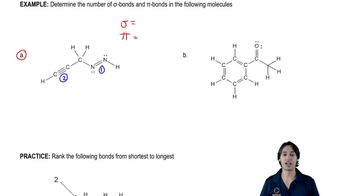
  • Sigma bonds and pi bonds
    01:05
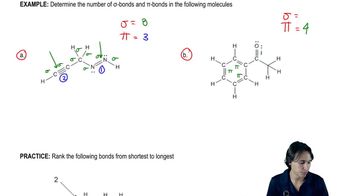
  • Sigma bonds and pi bonds
    00:59

Hybridization

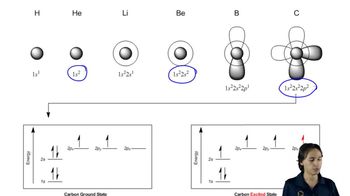
  • How carbon creates 4 partially-filled orbitals.
    02:53
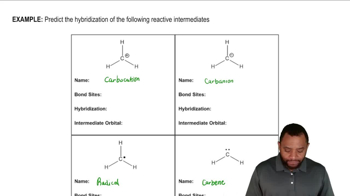
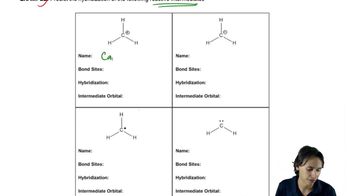
  • Bond sites, hybridization, and intermediate orbitals
    04:58
  • Introduction to the reactive intermediates.
    02:47

Molecular Geometry

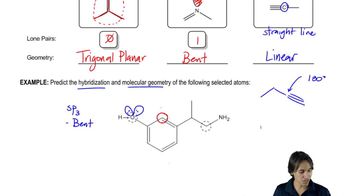
  • Predict the hybridization and molecular geometry
    01:54
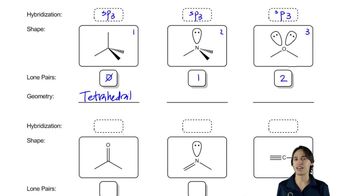
  • Molecular Geometry Explained.
    07:44

Formal Charges

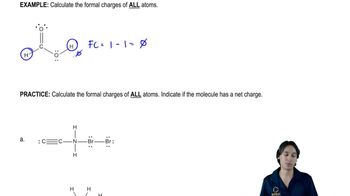
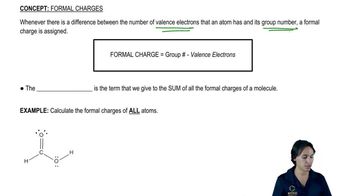
  • Calculate the formal charges of ALL atoms.
    02:21
  • Calculating formal and net charge.
    01:34

Skeletal Structure

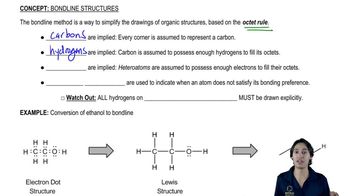
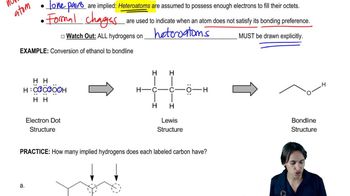
  • How bondline is different from Lewis Structures.
    04:03
  • Conversion of ethanol from electron dot to bondline
    01:50

Lewis Structure

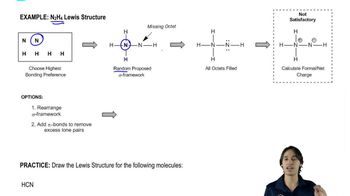
  • Drawing the Lewis Structure for N2H4.
    04:12
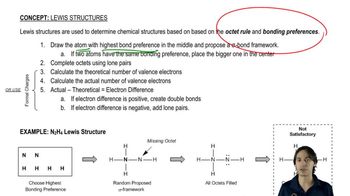
  • How to use Organic Chemistry to make Lewis Structures easier.
    03:49

Conformational Isomers

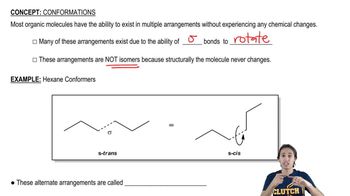
  • Understanding what a conformer is.
    03:29

Ring Strain

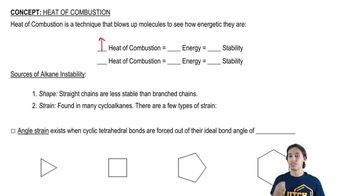
  • Understanding Heat of Combustion
    01:11
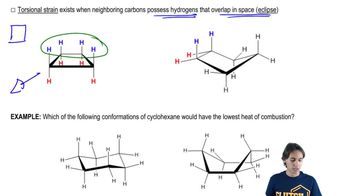
  • What is torsional strain?
    02:00
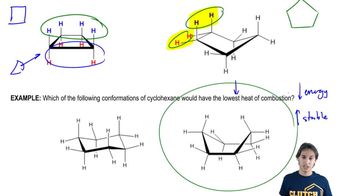
  • Lowest Heat of Combustion
    02:34

Cis vs Trans

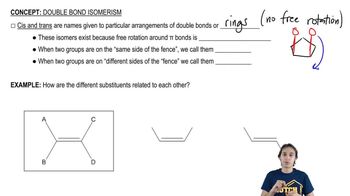
  • Why we need to use the E/Z naming system
    02:07
  • What does E and Z stand for?
    00:50
  • How to name different types of double bonds or rings
    04:28

Chair Flip

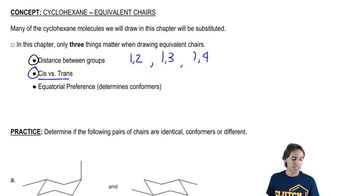
  • The 3 important factors when drawing chairs
    05:12

A-Values

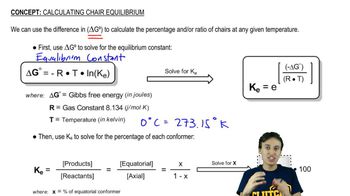
  • Calculating Chair Equilibrium
    06:27

Chirality

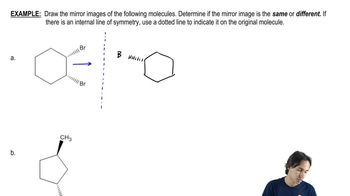
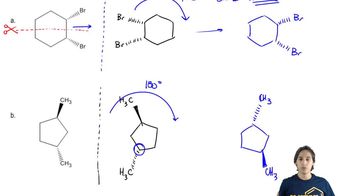
  • Drawing Mirror Images and Determining Chirality
    03:24
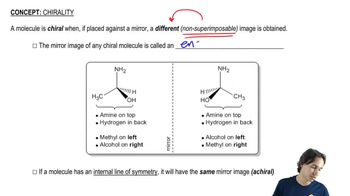
  • What is chirality?
    05:10
  • Drawing Mirror Images and Determining Chirality
    03:44

Test 1:Plane of Symmetry

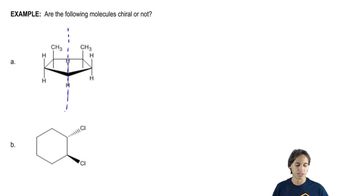
  • Determining Chirality with Plane of Symmetry
    00:25
  • Determining Chirality with Plane of Symmetry
    01:10
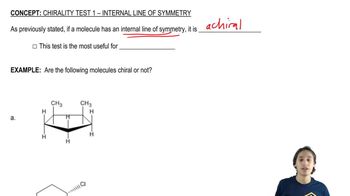
  • How and when to use the internal line of symmetry test.
    01:25

Test 2:Stereocenter Test

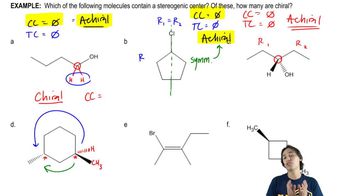
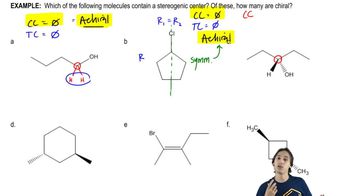
  • Determining Chirality using Stereocenter
    02:25
  • Determining Chirality using Stereocenter
    00:36
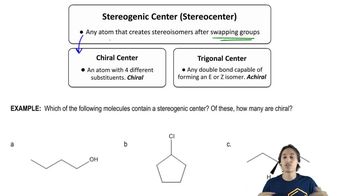
  • The difference between chiral and trigonal centers.
    02:38

R and S Configuration

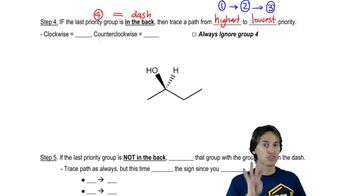
  • R and S Naming- Step 4
    03:07
  • Why stereoisomers need their own naming system.
    01:48
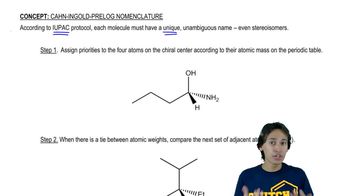
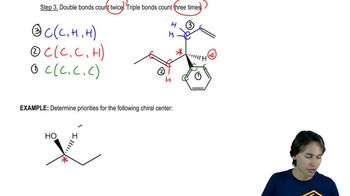
  • Determining Priorities
    01:19

Enantiomers vs. Diastereomers

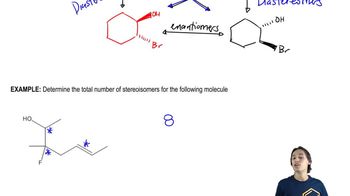
  • Determine total number of stereoisomers
    00:49
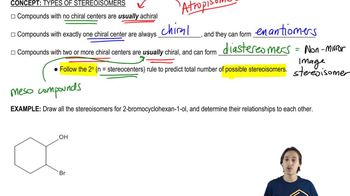
  • How to predict the total number of stereoisomers.
    01:03
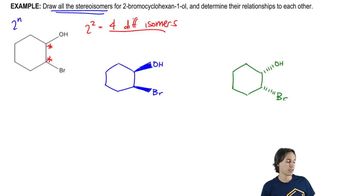
  • Draw stereoisomers and determine relationship
    07:41

Meso Compound

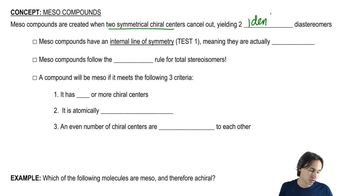
  • Defining meso compounds.
    01:40
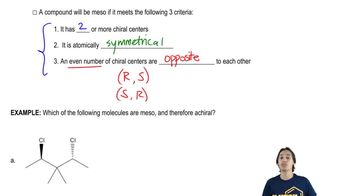
  • The 3 rules of meso compounds.
    04:10
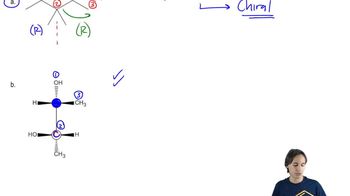
  • Which of the following molecules are meso?
    03:44

Acids and Bases

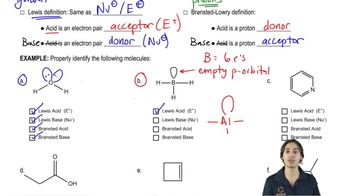
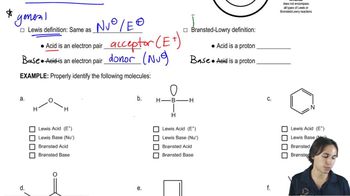
  • Lewis vs. Bronsted-Lowry Definition
    07:46
  • The Bronsted-Lowry definition of acids and bases.
    00:54
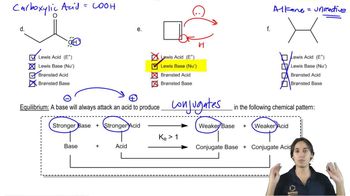
  • Equilibrium constant and conjugates.
    02:11

pKa

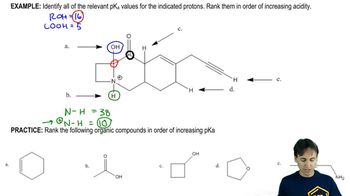
  • Identifying pKa values
    07:45
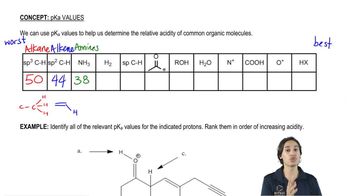
  • The 12 pKa values you want to memorize (because they are important!).
    09:36

Ranking Acidity

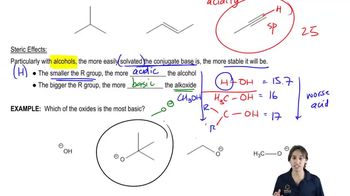
  • Which of the oxides is the most basic?
    00:30
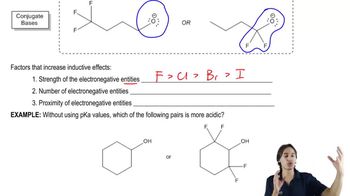
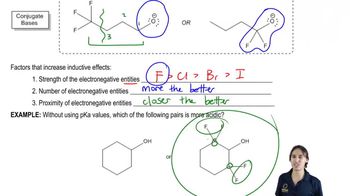
  • The 3 factors that determine the strength of inductive effects.
    03:09
  • Using Inductive Effect to determine acidity
    01:54

Resonance Structures

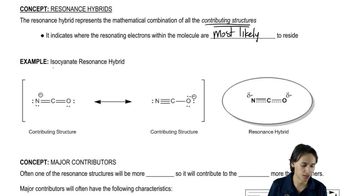
  • How to draw a resonance hybrid.
    03:24
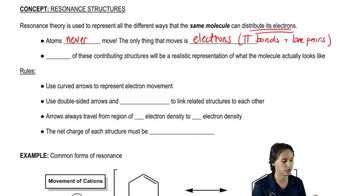
  • The rules you need for resonance:
    03:34
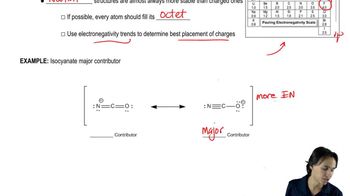
  • How to determine which structure is most stable.
    01:32

Reaction Mechanism

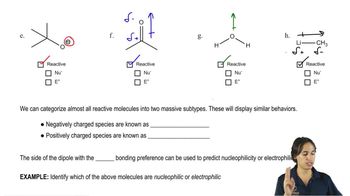
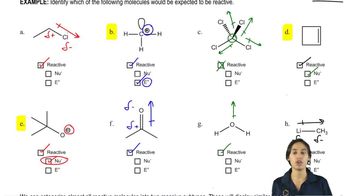
  • How to tell if charged molecules will react as nucleophiles or electrophiles.
    02:39
  • Nucleophile or Electrophile
    01:49
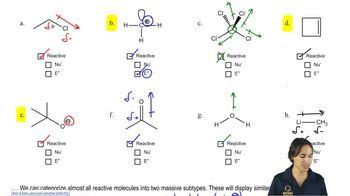
  • How to tell if uncharged molecules will react as nucleophiles or electrophiles.
    02:48

Acids and Bases

  • Lewis vs. Bronsted-Lowry Definition
    07:46
  • The Bronsted-Lowry definition of acids and bases.
    00:54
  • Equilibrium constant and conjugates.
    02:11