뒤로

Organic Chemistry I - Exam Study Guidance

학습 가이드 - 영상으로 배우기

업로드한 자료에 맞춘 엄선된 수업 – 모든 주제를 단계별로 배워보세요.

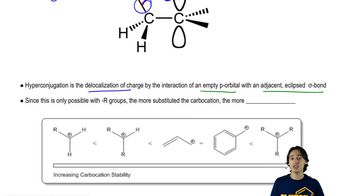
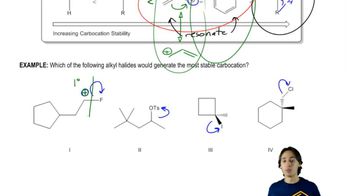
Carbocation Intermediates – Stability

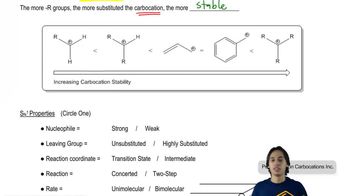
  • Determining Carbocation Stability
    05:58
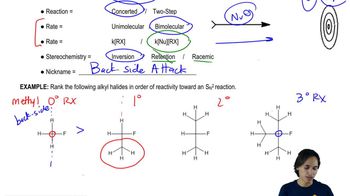
  • Predicting the most stable carbocation
    01:21

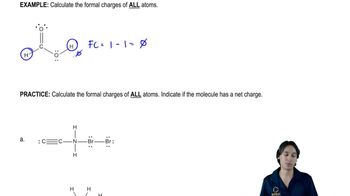
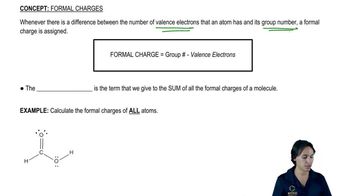
Formal Charges

  • Calculate the formal charges of ALL atoms.
    02:21
  • Calculating formal and net charge.
    01:34

Acid and Base Definitions

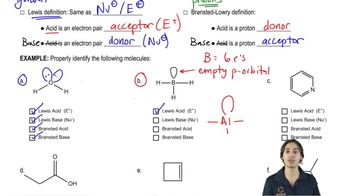
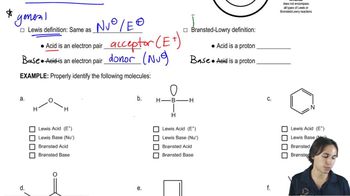
  • Lewis vs. Bronsted-Lowry Definition
    07:46
  • The Bronsted-Lowry definition of acids and bases.
    00:54
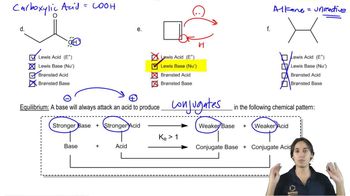
  • Equilibrium constant and conjugates.
    02:11

Factors Affecting Acidity

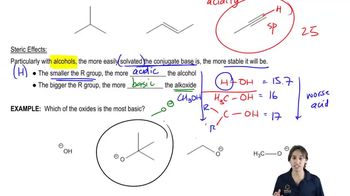
  • Which of the oxides is the most basic?
    00:30
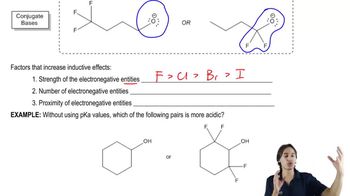
  • The 3 factors that determine the strength of inductive effects.
    03:09
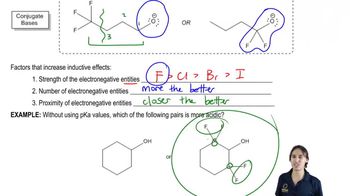
  • Using Inductive Effect to determine acidity
    01:54

Conformational Isomers

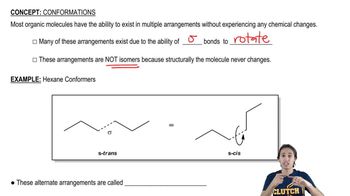
  • Understanding what a conformer is.
    03:29

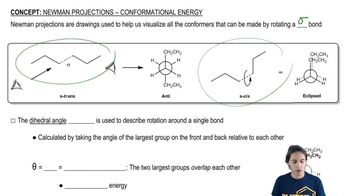
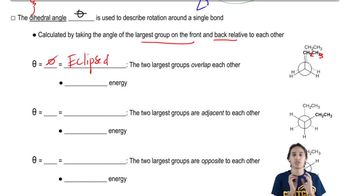
Newman Projections

  • How to draw a Newman Projection Energy Diagram.
    07:27
  • How sigma bond rotation is visualized
    03:11
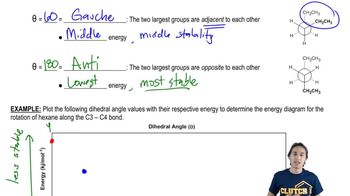
  • The energy states of 3 different Newman Projections.
    03:51

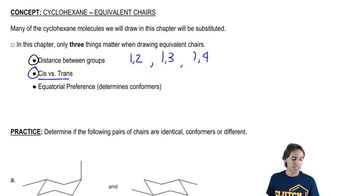
Chair Flip

  • The 3 important factors when drawing chairs
    05:12

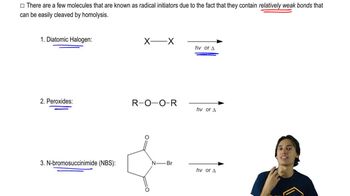
Radical Reaction

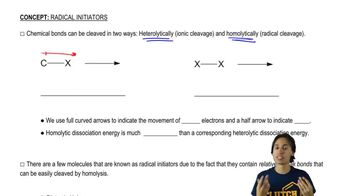
  • What are Radical Initiators?
    03:49
  • Heterolytic vs. Homolytic Bond Cleavage .
    04:39

Radical Stability

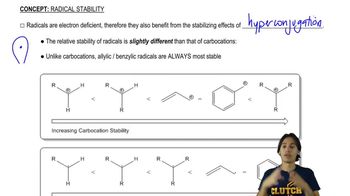
  • The radical stability trend.
    03:43
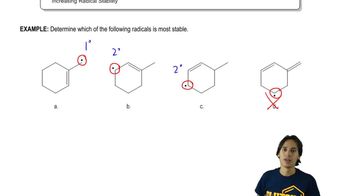
  • Determine which of the following radicals is the most stable.
    03:25

Free Radical Halogenation

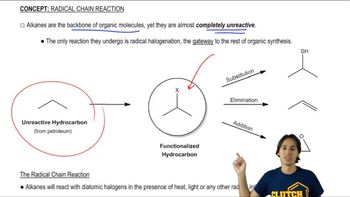
  • The one reaction that alkanes will actually undergo.
    02:05
  • Explaining the following problem.
    00:34
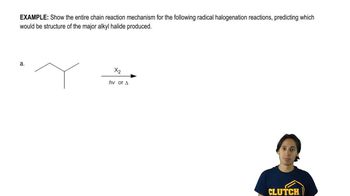
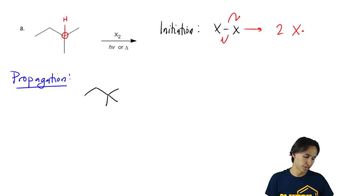
  • Show the entire chain reaction mechanism.
    04:08

Reaction Mechanism

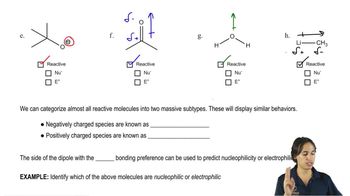
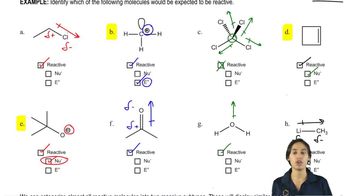
  • How to tell if charged molecules will react as nucleophiles or electrophiles.
    02:39
  • Nucleophile or Electrophile
    01:49
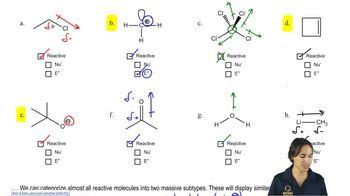
  • How to tell if uncharged molecules will react as nucleophiles or electrophiles.
    02:48

Fischer Esterification

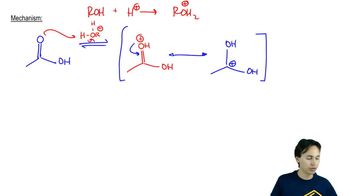
  • General Mechanism
    04:08
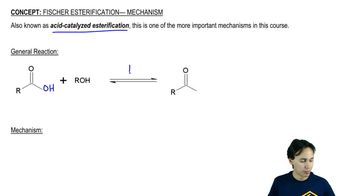
  • General Reaction
    01:08

Introduction to Substitution

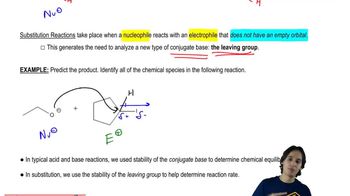
  • Predict the product
    05:55
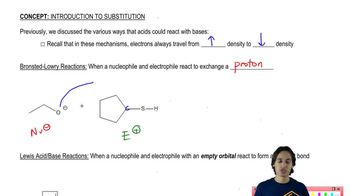
  • Nucleophiles and Electrophiles can react in Bronsted-Lowry Reactions.
    05:01
  • Nucleophiles and Electrophiles can react in Substitution Reactions.
    01:47

SN1 Reaction

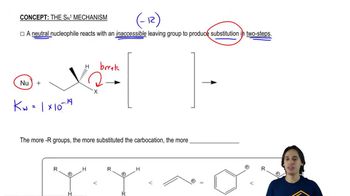
  • Drawing the SN1 Mechanism
    10:49
  • Why highly substituted leaving groups favor SN1.
    01:13
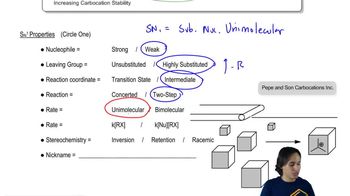
  • Understanding the properties of SN1.
    08:16

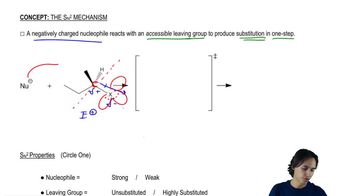
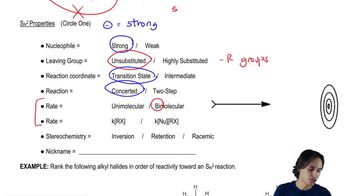
The SN2 Mechanism

  • Ranking reactivity toward SN2
    04:03
  • Drawing the SN2 Mechanism
    08:33
  • Understanding the properties of SN2.
    11:57

Leaving Groups

  • The 3 important leaving groups to know.
    07:22

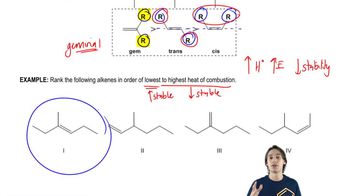
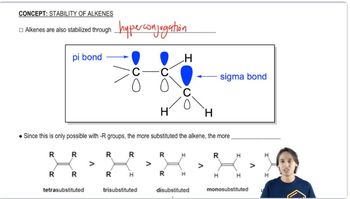
Alkene Stability

  • Heat of Combustion
    02:55
  • Understanding trends of alkene stability.
    04:28

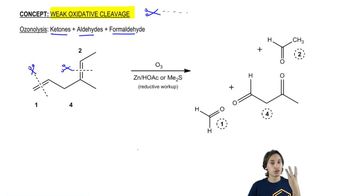
Ozonolysis

  • General properties of ozonolysis.
    06:30

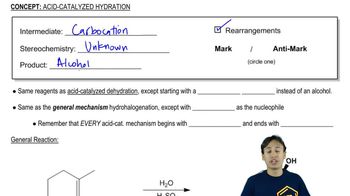
Acid-Catalyzed Hydration

  • General properties of acid-catalyzed hydration.
    06:32
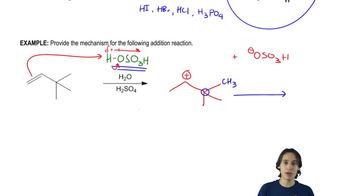
  • Acid-catalyzed hydration mechanism
    06:34

Hydroboration

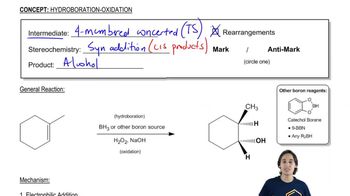
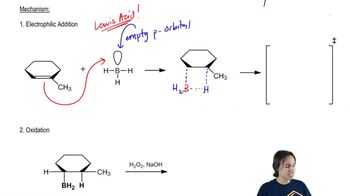
  • General properties of hydroboration-oxidation.
    06:38
  • Acid-catalyzed hydroboration-oxidation mechanism
    06:14

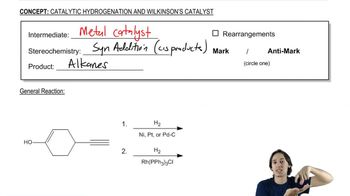
Hydrogenation

  • General properties of catalytic hydrogenation.
    05:21

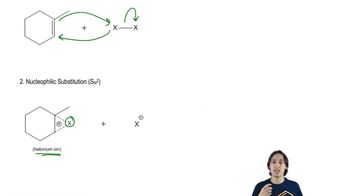
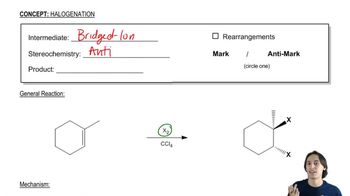
Halogenation

  • Halogenation Mechanism
    03:45
  • General properties of halogenation.
    02:27

Radical Selectivity

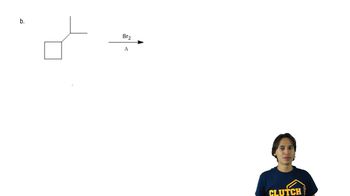
  • Predict the Product.
    00:48
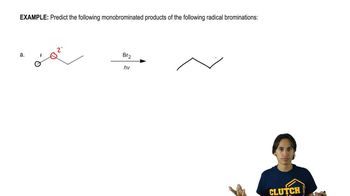
  • Predict the Product.
    01:02
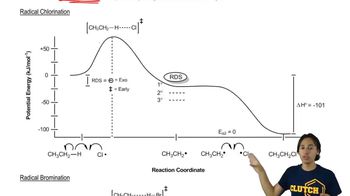
  • Using the Hammond Postulate to describe radical chlorination.
    03:03

Gibbs Free Energy

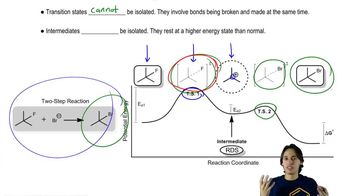
  • Intermediates vs. Transition States
    06:55
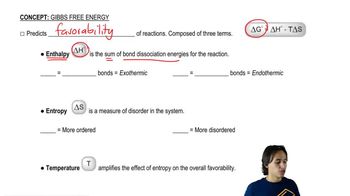
  • Breaking down the different terms of the Gibbs Free Energy equation.
    05:02

Enthalpy

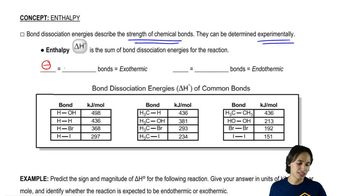
  • How to calculate enthalpy using bond dissociation energies.
    04:09
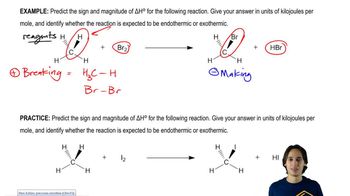
  • Calculating Enthalpies
    04:38

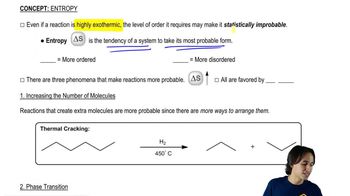
Entropy

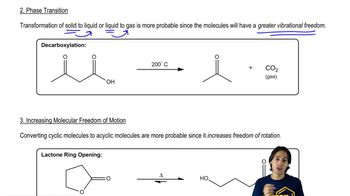
  • 3 ways to increase entropy.
    07:11
  • Explaining what entropy is.
    02:46

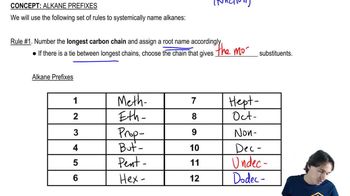
Alkane Nomenclature

  • Naming the root chain
    01:02
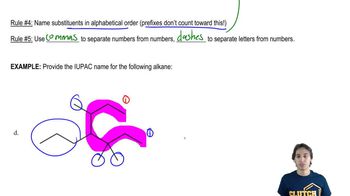
  • Provide the IUPAC name for the following alkane
    07:08
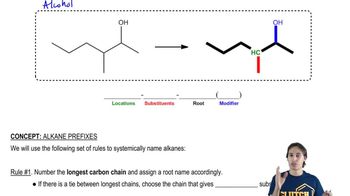
  • The different parts of an IUPAC name
    03:43

Hybridization

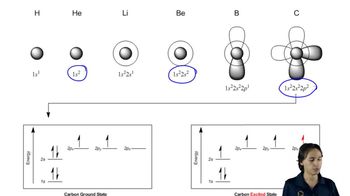
  • How carbon creates 4 partially-filled orbitals.
    02:53
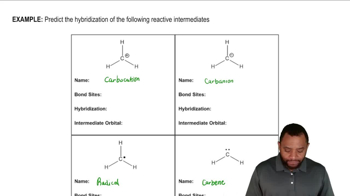
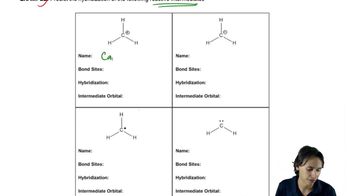
  • Bond sites, hybridization, and intermediate orbitals
    04:58
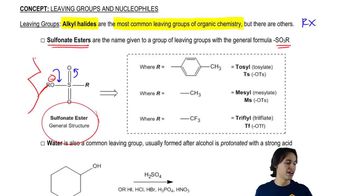
  • Introduction to the reactive intermediates.
    02:47

Lewis Structure

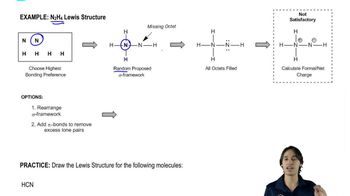
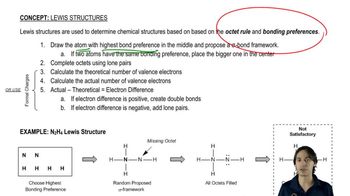
  • Drawing the Lewis Structure for N2H4.
    04:12
  • How to use Organic Chemistry to make Lewis Structures easier.
    03:49

Skeletal Structure

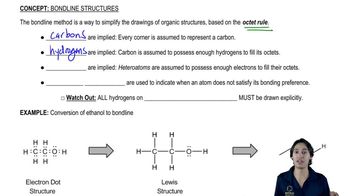
  • How bondline is different from Lewis Structures.
    04:03
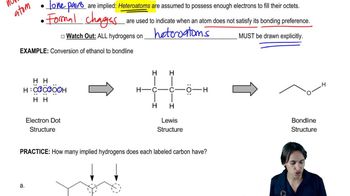
  • Conversion of ethanol from electron dot to bondline
    01:50

Electronegativity

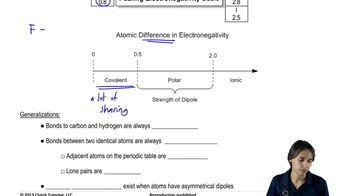
  • Differences between ionic, polar and covalent bonds
    11:33