뒤로

Organic Chemistry II: Study Guide for Exam #2 – Chirality, Amines, Carbonyl Compounds, Carboxylic Acids, and Derivatives

학습 가이드 - 영상으로 배우기

업로드한 자료에 맞춘 엄선된 수업 – 모든 주제를 단계별로 배워보세요.

Chirality

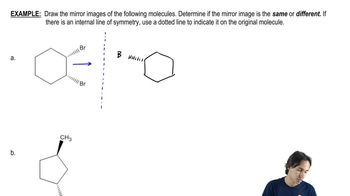
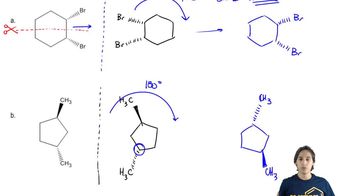
  • Drawing Mirror Images and Determining Chirality
    03:24
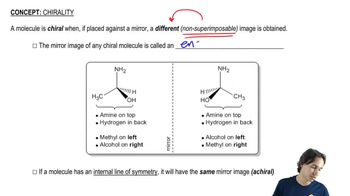
  • What is chirality?
    05:10
  • Drawing Mirror Images and Determining Chirality
    03:44
Chirality Test 1 - Internal Line of Symmetry

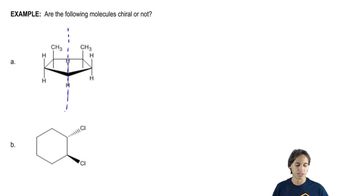
  • Determining Chirality with Plane of Symmetry
    00:25
  • Determining Chirality with Plane of Symmetry
    01:10
  • How and when to use the internal line of symmetry test.
    01:25

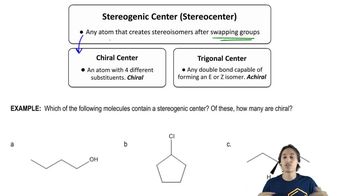
Chirality Test 2 - Stereocenters

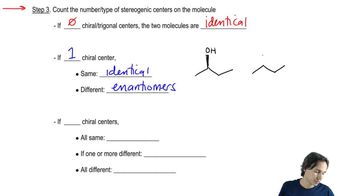
  • Determining Chirality using Stereocenter
    02:25
  • Determining Chirality using Stereocenter
    00:36
  • The difference between chiral and trigonal centers.
    02:38

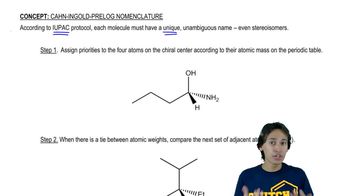
Cahn-Ingold-Prelog Nomenclature

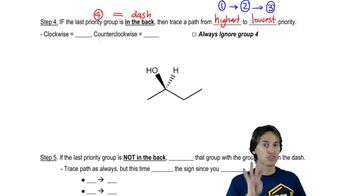
  • R and S Naming- Step 4
    03:07
  • Why stereoisomers need their own naming system.
    01:48
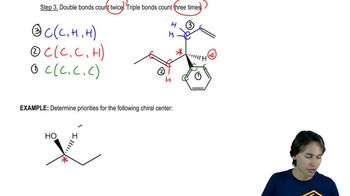
  • Determining Priorities
    01:19

Types of Stereoisomers

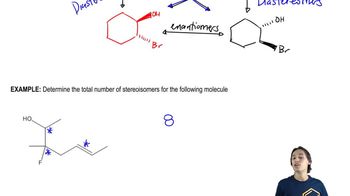
  • Determine total number of stereoisomers
    00:49
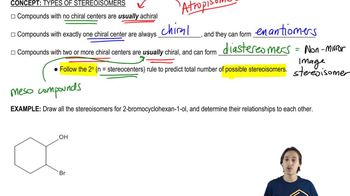
  • How to predict the total number of stereoisomers.
    01:03
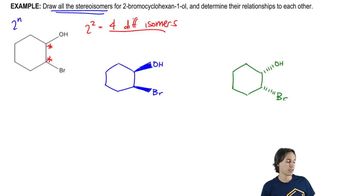
  • Draw stereoisomers and determine relationship
    07:41

Meso Compounds

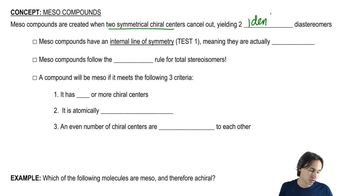
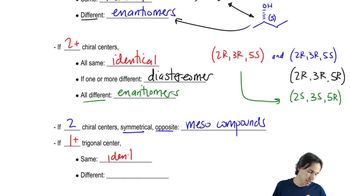
  • Defining meso compounds.
    01:40
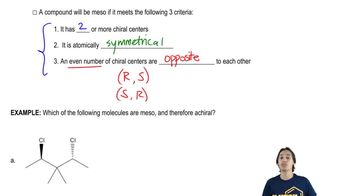
  • The 3 rules of meso compounds.
    04:10
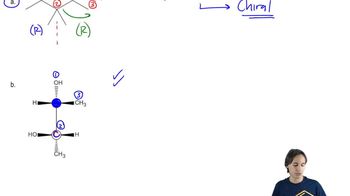
  • Which of the following molecules are meso?
    03:44

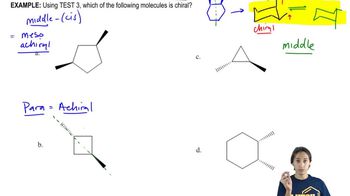
Chirality Test 3 - Disubstituted Cycloalkanes Shortcuts

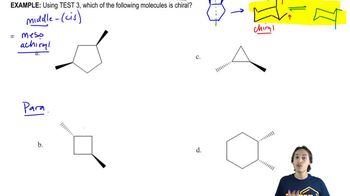
  • Is the following disubstituted cyclobutane chiral?
    00:35
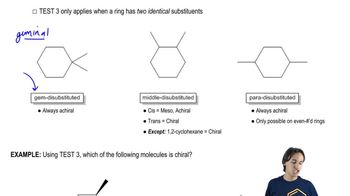
  • Three types of disubstituted cycloalkanes
    03:52
  • Is the following disubstituted cyclopropane chiral?
    00:22

Isometric Relationships

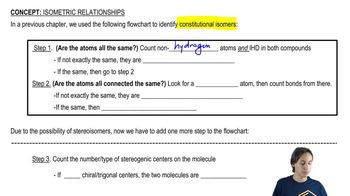
  • Same atoms, same connectivity, 1 chiral center.
    01:40
  • Same atoms, same connectivity, 1 or more trigonal centers.
    02:05
  • Different atoms or different connectivity.
    01:41

Fischer Projection

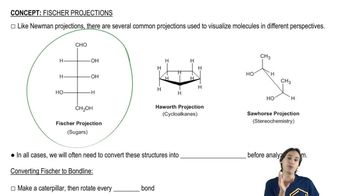
  • Introduction to different projections.
    01:15
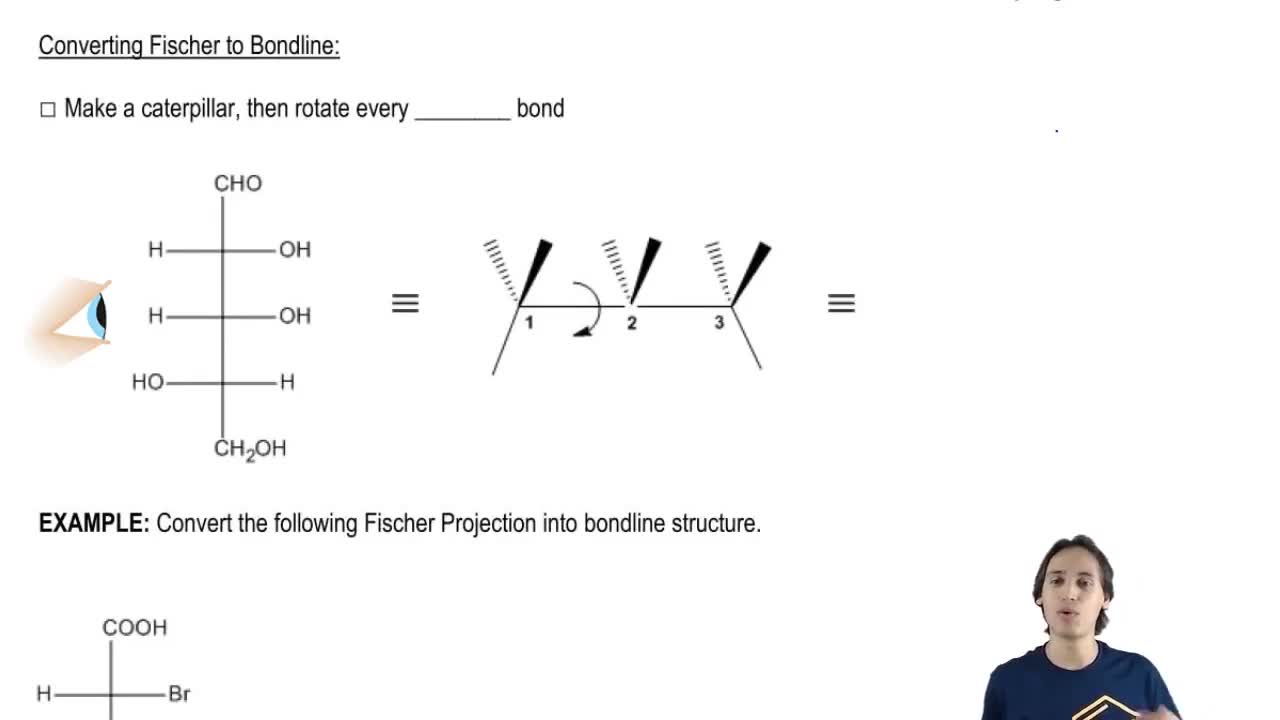
  • How to convert Fischer projections into bondline structures
    05:45
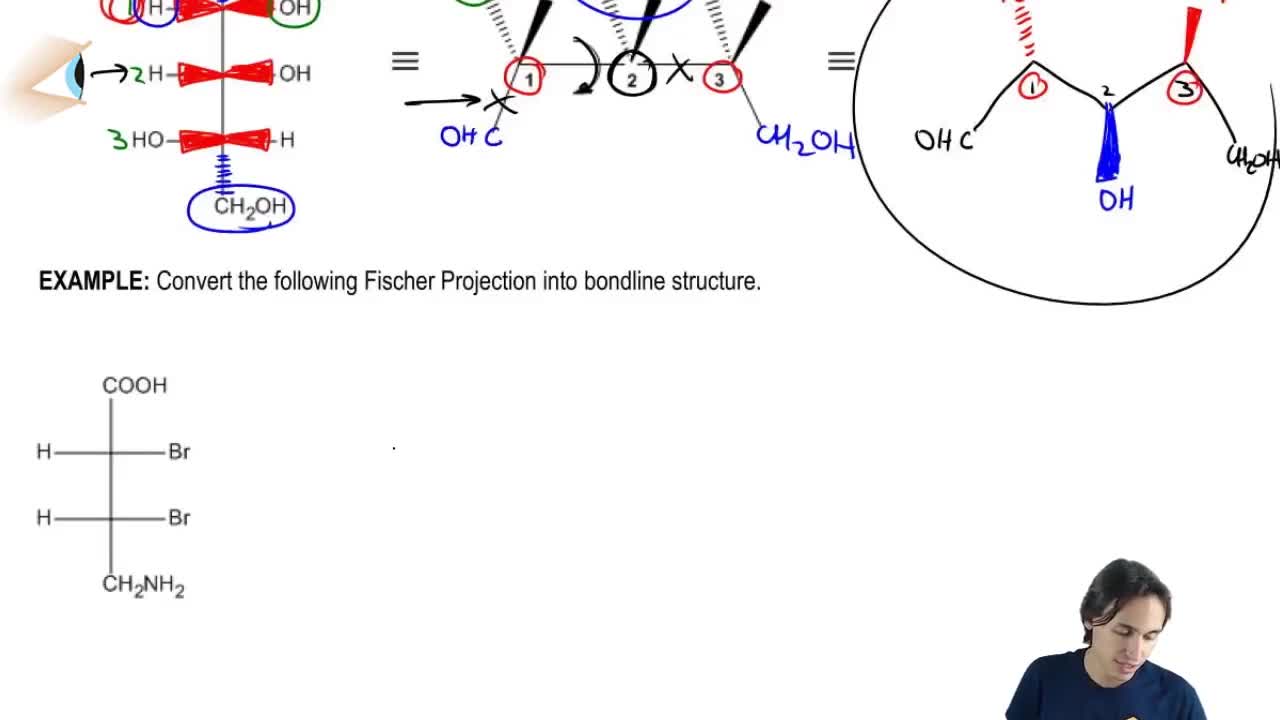
  • Convert the following Fischer projection into bondline structure.
    03:38

Fischer Configurations

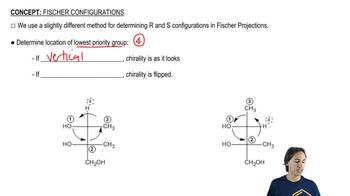
  • R and S rule for Fischer Projections.
    02:32
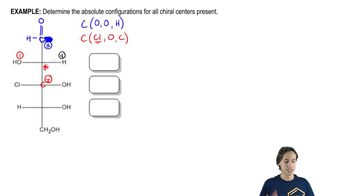
  • Determining Absolute Configurations
    05:25

Optical Activity

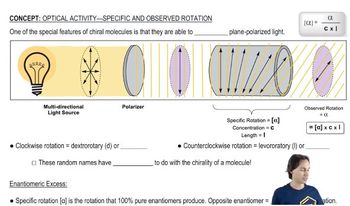
  • Specific rotation vs. observed rotation.
    05:43

Functional Groups

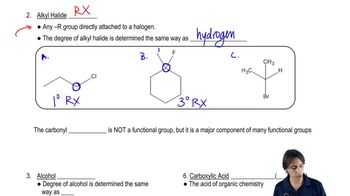
  • Assigning Degrees to Alkyl Halides
    01:30
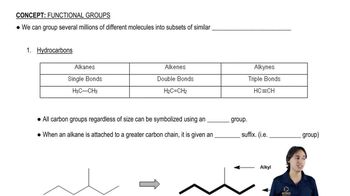
  • Why we need functional groups.
    01:49
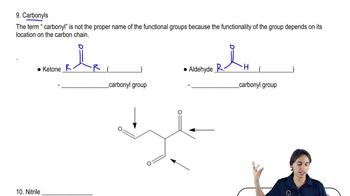
  • The difference between aldehydes and ketones.
    03:08

Amines by Reduction

  • The Primary Amines Flowchart
    09:12
  • Making Amine Precursors
    03:22

Naming Amines

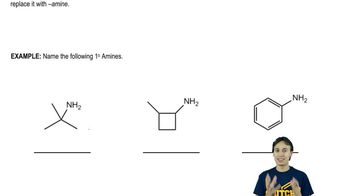
  • Naming Primary Amines
    06:50
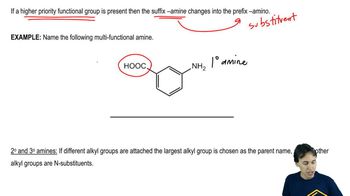
  • Primary Amines as Substituents
    02:58
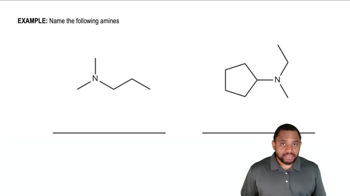
  • Naming Secondary and Tertiary Amines
    01:57

Acid and Base Definitions

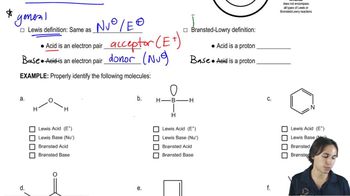
  • Lewis vs. Bronsted-Lowry Definition
    07:46
  • The Bronsted-Lowry definition of acids and bases.
    00:54
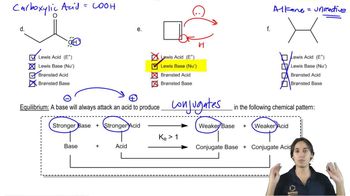
  • Equilibrium constant and conjugates.
    02:11

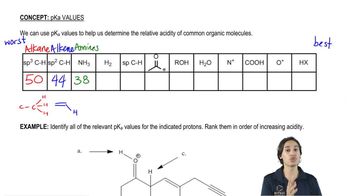
pKa Values

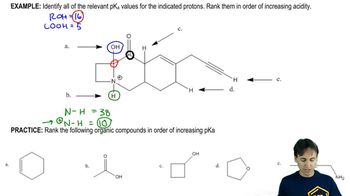
  • Identifying pKa values
    07:45
  • The 12 pKa values you want to memorize (because they are important!).
    09:36

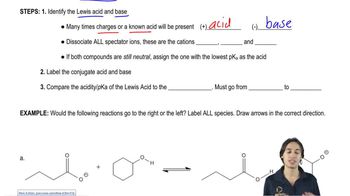
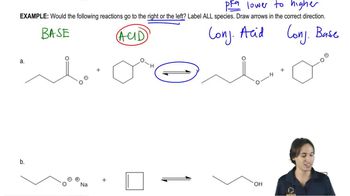
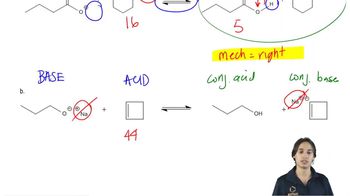
Acid Base Equilibrium

  • The 3 steps for determining the direction of acid and base equilibrium.
    05:11
  • Determining Acid/Base Equilibrium
    04:00
  • Determining Acid/Base Equilibrium
    02:34

Factors Affecting Acidity

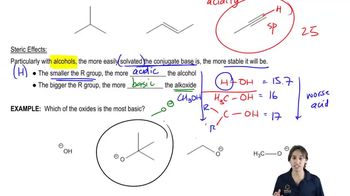
  • Which of the oxides is the most basic?
    00:30
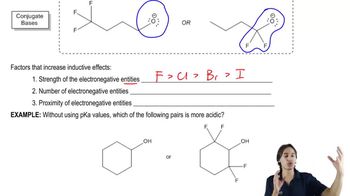
  • The 3 factors that determine the strength of inductive effects.
    03:09
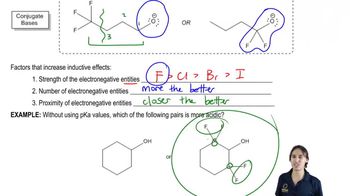
  • Using Inductive Effect to determine acidity
    01:54

Naming Aldehydes

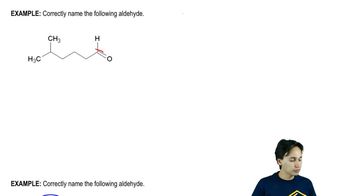
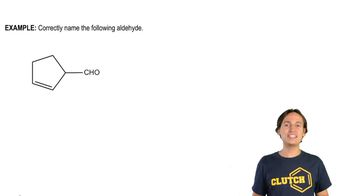
  • Name the aldehyde
    01:34
  • Name the aldehyde
    03:17
  • Nomenclature
    03:11

Naming Aldehydes

  • Name the aldehyde
    01:34
  • Name the aldehyde
    03:17
  • Nomenclature
    03:11

Naming Ketones

  • Name the ketone
    01:58
  • Nomenclature
    03:05
  • Name the ketone
    02:27

Acetal

  • General Mechanism
    06:41

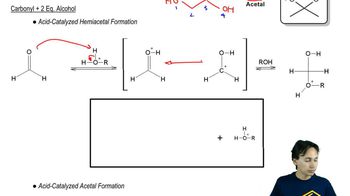
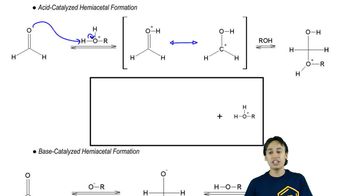
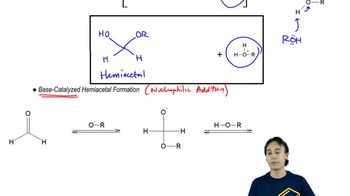
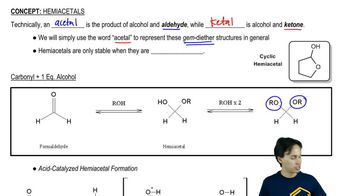
Hemiacetal

  • Acid-Catalzed Mechanism
    04:08
  • Base-Catalyzed Mechanism
    01:59
  • General Features
    03:34

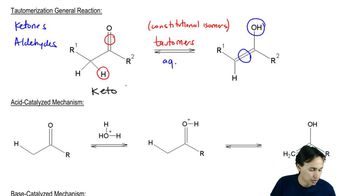
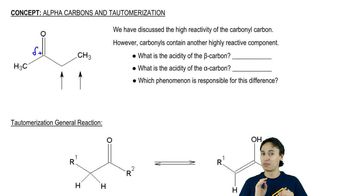
Tautomerization

  • Tautomerization Mechanisms
    05:11
  • Unusual Acidity of the Alpha Carbon
    01:51

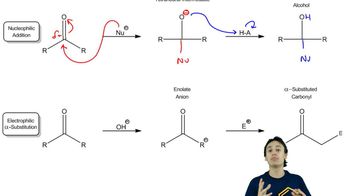
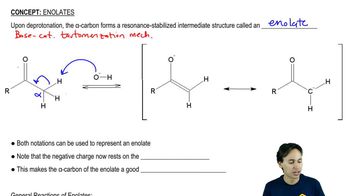
Enolate

  • General Reactions
    02:28
  • Formation of Enolates
    02:26

Carboxylic Acid Derivatives

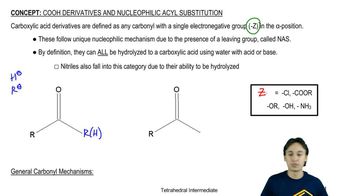
  • Intro to Nucleophilic Acyl Substituion
    04:06
  • Intro to Carboxylic Acid Derivatives
    03:50

Naming Carboxylic Acids

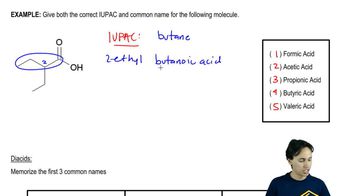
  • Give the IUPAC name
    02:03
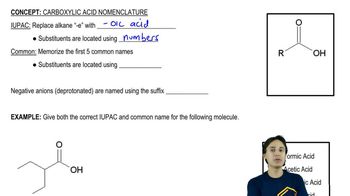
  • Carboxylic Acids Nomenclature
    04:20

Naming Esters

  • Draw the molecule
    01:28
  • Name the structure
    01:10
  • Ester Nomenclature
    02:39

Naming Amides

  • Amide Nomenclature
    01:33
  • Name the molecule
    02:46
  • Draw the amide
    01:28

Fischer Esterification

  • General Mechanism
    04:08
  • General Reaction
    01:08

Acid-Catalyzed Ester Hydrolysis

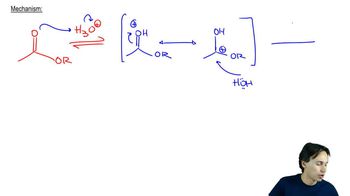
  • General Mechanism
    02:38
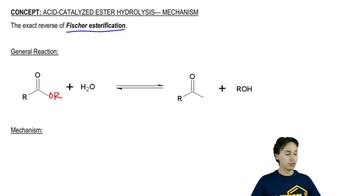
  • General Reaction
    01:31

Saponification

  • Mechanism
    03:27

Acid and Base Definitions

  • Lewis vs. Bronsted-Lowry Definition
    07:46
  • The Bronsted-Lowry definition of acids and bases.
    00:54
  • Equilibrium constant and conjugates.
    02:11

Intermolecular Forces

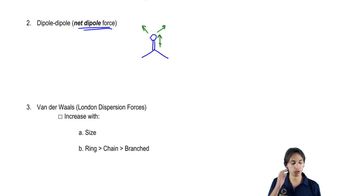
  • How dipole-dipole forces work.
    01:46
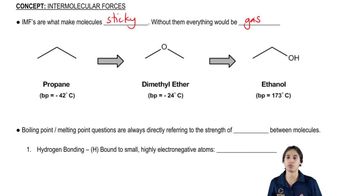
  • How IMFs are related to melting and boiling points.
    03:08
  • How Van der Waals forces work.
    03:01

Solubility

  • Introducing common solvents and other molecules in organic chemistry.
    02:01
  • Understanding “like dissolves like”.
    01:47