뒤로

Organic Chemistry: Key Vocabulary and Core Skills for Reaction Mechanisms (Chapters 6/7)

학습 가이드 - 영상으로 배우기

업로드한 자료에 맞춘 엄선된 수업 – 모든 주제를 단계별로 배워보세요.

Energy Diagram

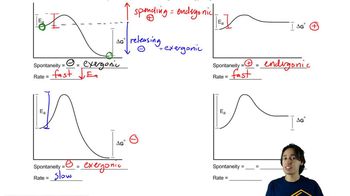
  • Favorability and rate of Free Energy Diagrams
    01:14
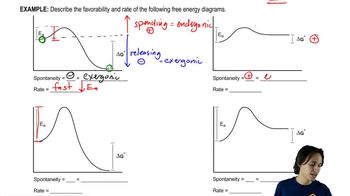
  • Favorability and rate of Free Energy Diagrams
    00:34
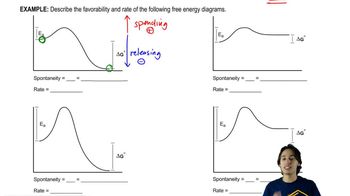
  • Favorability and rate of Free Energy Diagrams
    02:18

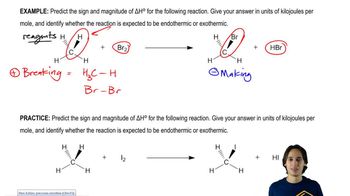
Enthalpy

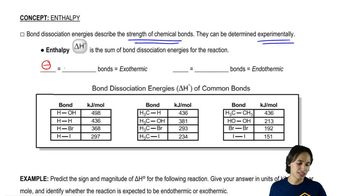
  • How to calculate enthalpy using bond dissociation energies.
    04:09
  • Calculating Enthalpies
    04:38

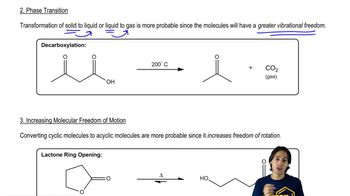
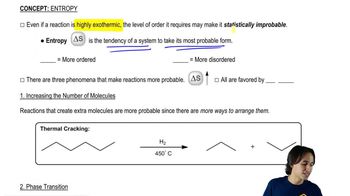
Entropy

  • 3 ways to increase entropy.
    07:11
  • Explaining what entropy is.
    02:46

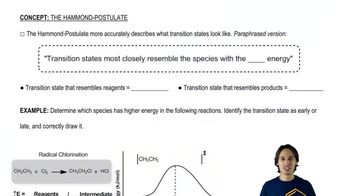
Hammond Postulate

  • Defining the Hammond Postulate.
    01:30
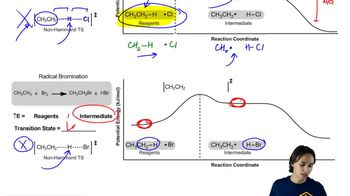
  • Bromination explains the Hammond Postulate.
    02:58
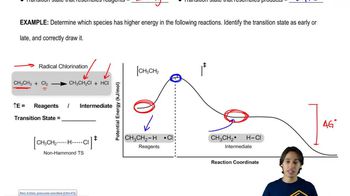
  • Chlorination explains the Hammond Postulate.
    05:23

Carbocation Intermediates – Stability

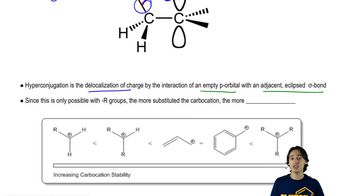
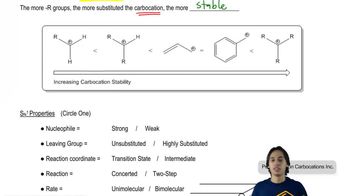
  • Determining Carbocation Stability
    05:58
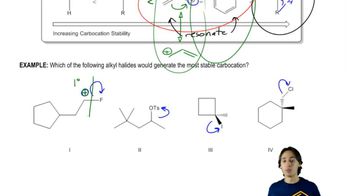
  • Predicting the most stable carbocation
    01:21

Reaction Mechanism

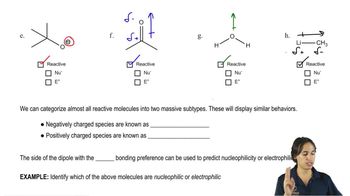
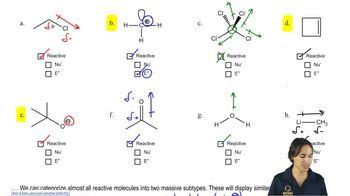
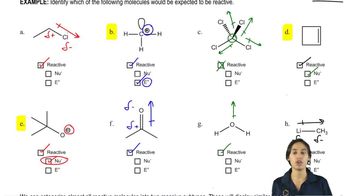
  • How to tell if charged molecules will react as nucleophiles or electrophiles.
    02:39
  • Nucleophile or Electrophile
    01:49
  • How to tell if uncharged molecules will react as nucleophiles or electrophiles.
    02:48

The SN2 Mechanism

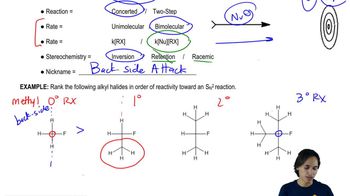
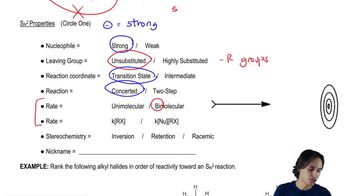
  • Ranking reactivity toward SN2
    04:03
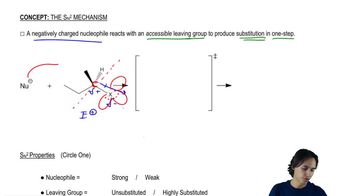
  • Drawing the SN2 Mechanism
    08:33
  • Understanding the properties of SN2.
    11:57

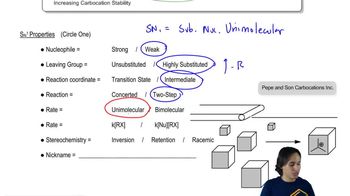
SN1 Reaction

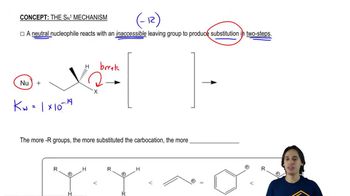
  • Drawing the SN1 Mechanism
    10:49
  • Why highly substituted leaving groups favor SN1.
    01:13
  • Understanding the properties of SN1.
    08:16

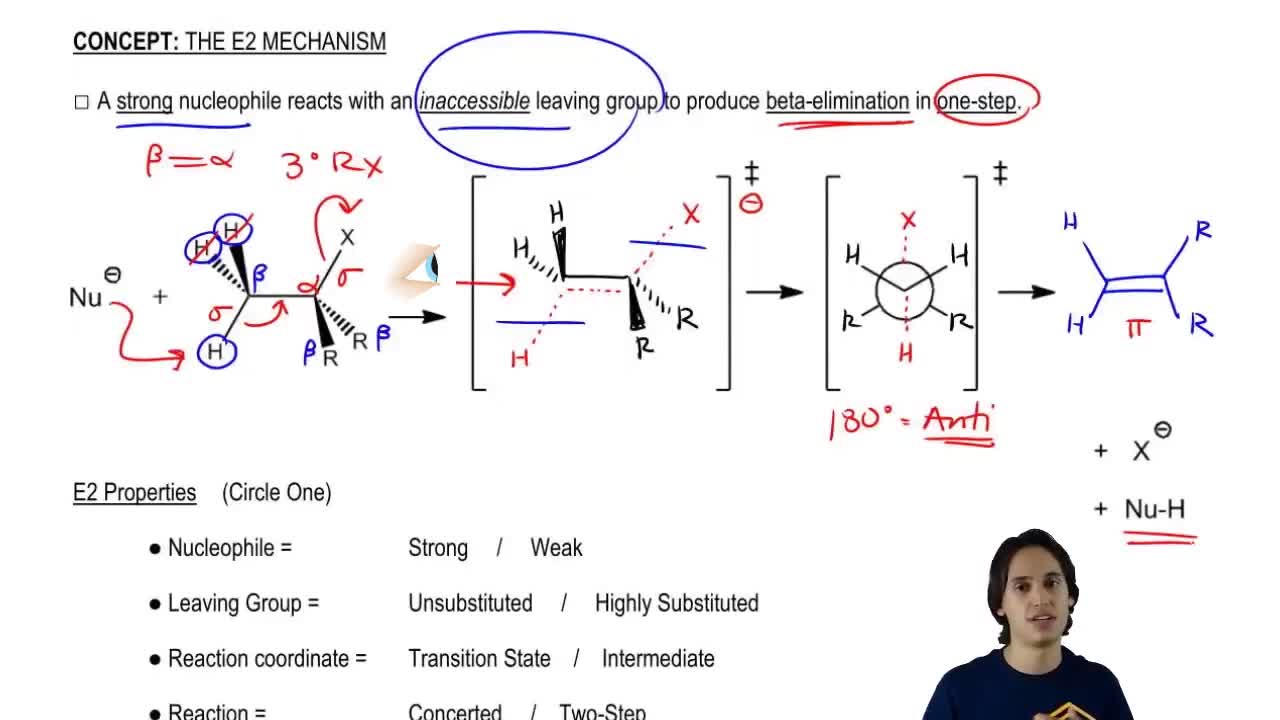
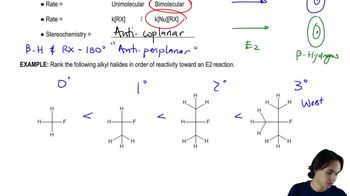
E2 Mechanism

  • Understanding the properties of E2.
    04:42
  • Drawing the E2 Mechanism.
    09:36
  • Rank reactivity toward E2
    02:03

The E1 Mechanism

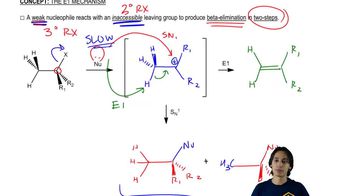
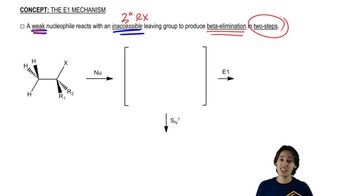
  • Understanding the properties of E1.
    03:32
  • Drawing the E1 Mechanism.
    08:09

Zaitsev Rule

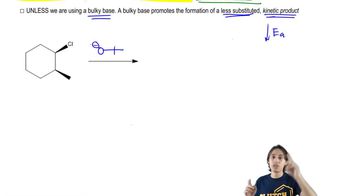
  • Hofmann product
    02:39
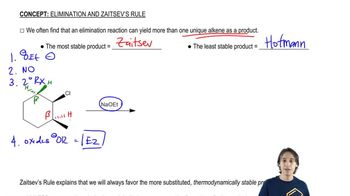
  • Defining Zaitsev’s Rule
    01:18
  • Zaitsev product
    07:01

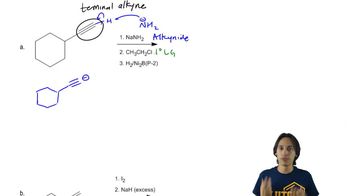
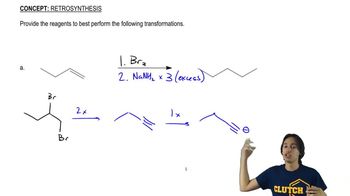
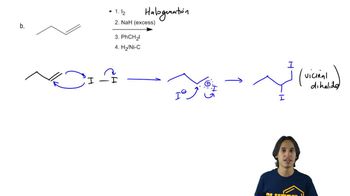
Alkynide Synthesis

  • Predict the major product.
    03:25
  • Provide the reagents needed
    04:17
  • Predict the major product.
    05:09