Skip to main content
Organic Chemistry
나의 코스
배우기
시험 준비
AI 튜터
학습 가이드
교과서적 해결책
플래시카드
탐험해 보세요
앱을 사용해 보세요
나의 코스
배우기
시험 준비
AI 튜터
학습 가이드
교과서적 해결책
플래시카드
탐험해 보세요
앱을 사용해 보세요
뒤로
Organic Chemistry: NMR, IR, and Reaction Mechanism Study Guide
주석
실무
비디오 수업
학습 가이드 - 영상으로 배우기
업로드한 자료에 맞춘 엄선된 수업 – 모든 주제를 단계별로 배워보세요.
NMR Spectroscopy
주제로 이동
10:06
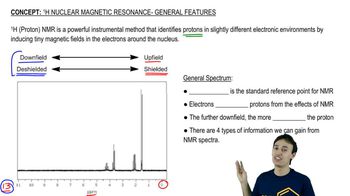
General NMR Features
Johnny Betancourt
5012
views
177
rank
12
comments
1H NMR:Number of Signals
주제로 이동
04:35
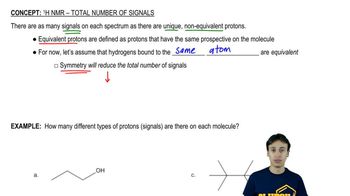
General Assumption for 1H NMR Signals
Johnny Betancourt
4692
views
77
rank
9
comments
02:02
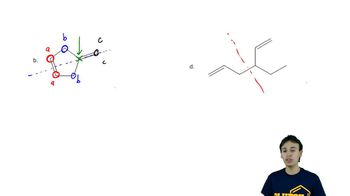
Identifying Proton Signals
Johnny Betancourt
3541
views
61
rank
14
comments
01:55
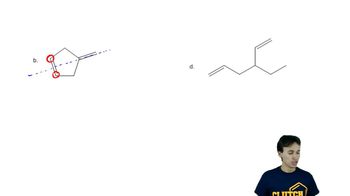
Identifying Proton Signals
Johnny Betancourt
3814
views
53
rank
9
comments
더 많은 영상 (1)
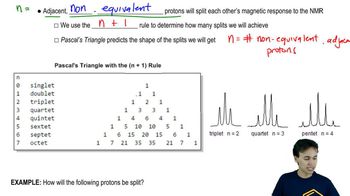
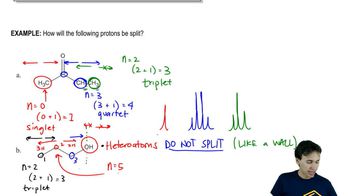
1H NMR:Spin-Splitting (N + 1) Rule
주제로 이동
12:21
Splitting without J-values
Johnny Betancourt
3647
views
36
rank
21
comments
03:
Proton Splitting
Johnny Betancourt
2983
views
31
rank
21
comments
Infrared Spectroscopy
주제로 이동
16:04
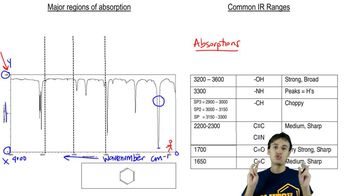
General Features of IR Spect
Johnny Betancourt
5254
views
152
rank
9
comments
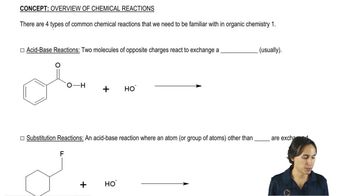
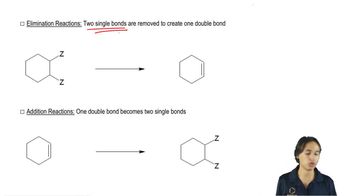
Overview of Chemical Reactions
주제로 이동
01:34
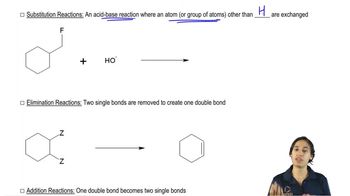
Recognizing Substitution Reactions.
Johnny Betancourt
4016
views
46
rank
5
comments
02:43
Recognizing Acid-Base Reactions.
Johnny Betancourt
4791
views
58
rank
9
comments
00:40
Recognizing Elimination Reactions.
Johnny Betancourt
3534
views
32
rank
2
comments
더 많은 영상 (2)
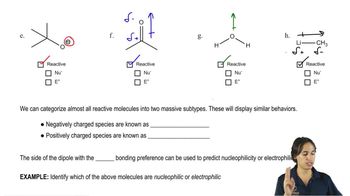
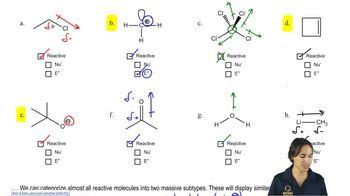
Reaction Mechanism
주제로 이동
02:39
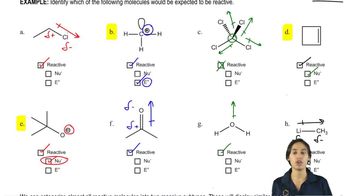
How to tell if charged molecules will react as nucleophiles or electrophiles.
Johnny Betancourt
4790
views
31
rank
4
comments
01:49
Nucleophile or Electrophile
Johnny Betancourt
4841
views
39
rank
11
comments
02:48
How to tell if uncharged molecules will react as nucleophiles or electrophiles.
Johnny Betancourt
4286
views
32
rank
7
comments
더 많은 영상 (13)
E2 Mechanism
주제로 이동
04:42
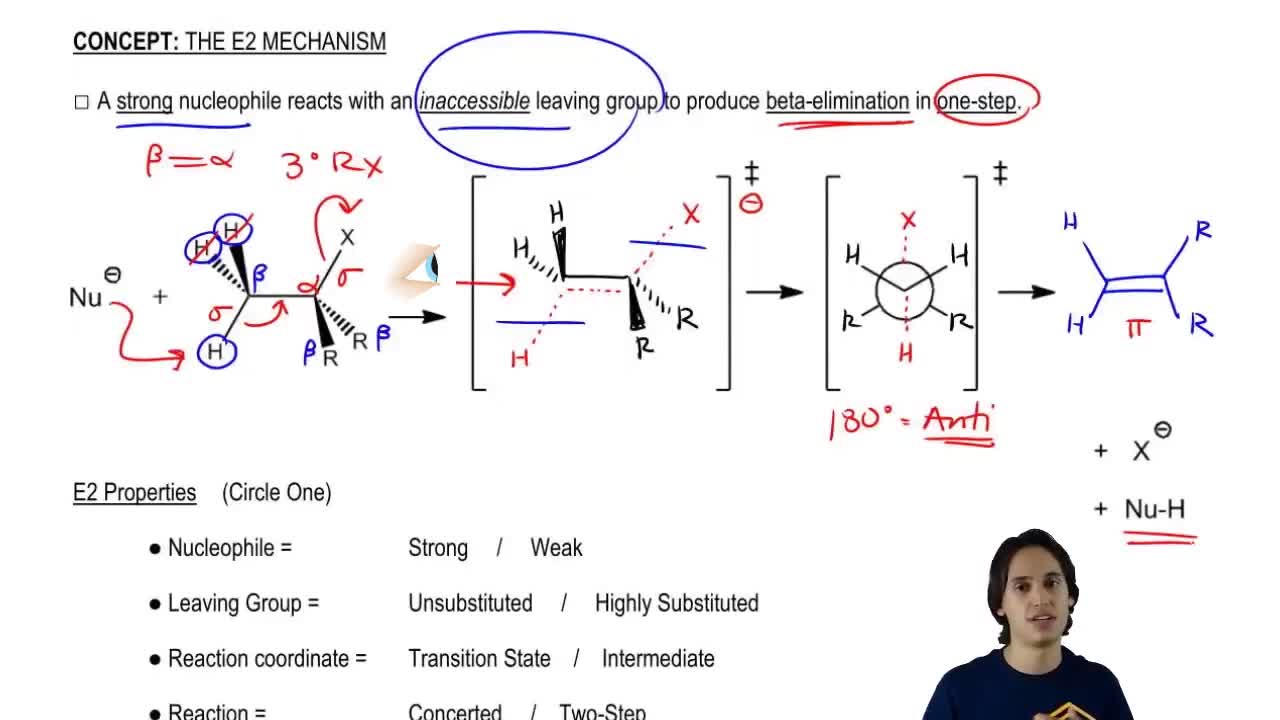
Understanding the properties of E2.
Johnny Betancourt
5449
views
61
rank
8
comments
09:36
Drawing the E2 Mechanism.
Johnny Betancourt
7237
views
109
rank
25
comments
02:03
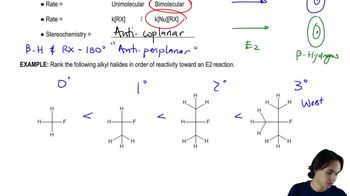
Rank reactivity toward E2
Johnny Betancourt
4954
views
80
rank
8
comments
The E1 Mechanism
주제로 이동
03:32
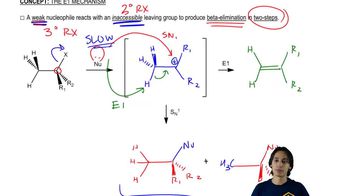
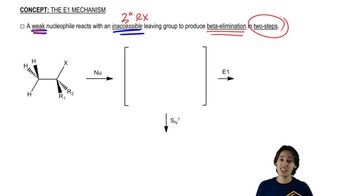
Understanding the properties of E1.
Johnny Betancourt
4316
views
42
rank
14
comments
08:09
Drawing the E1 Mechanism.
Johnny Betancourt
5306
views
70
rank
27
comments
Leaving Groups
주제로 이동
00:50
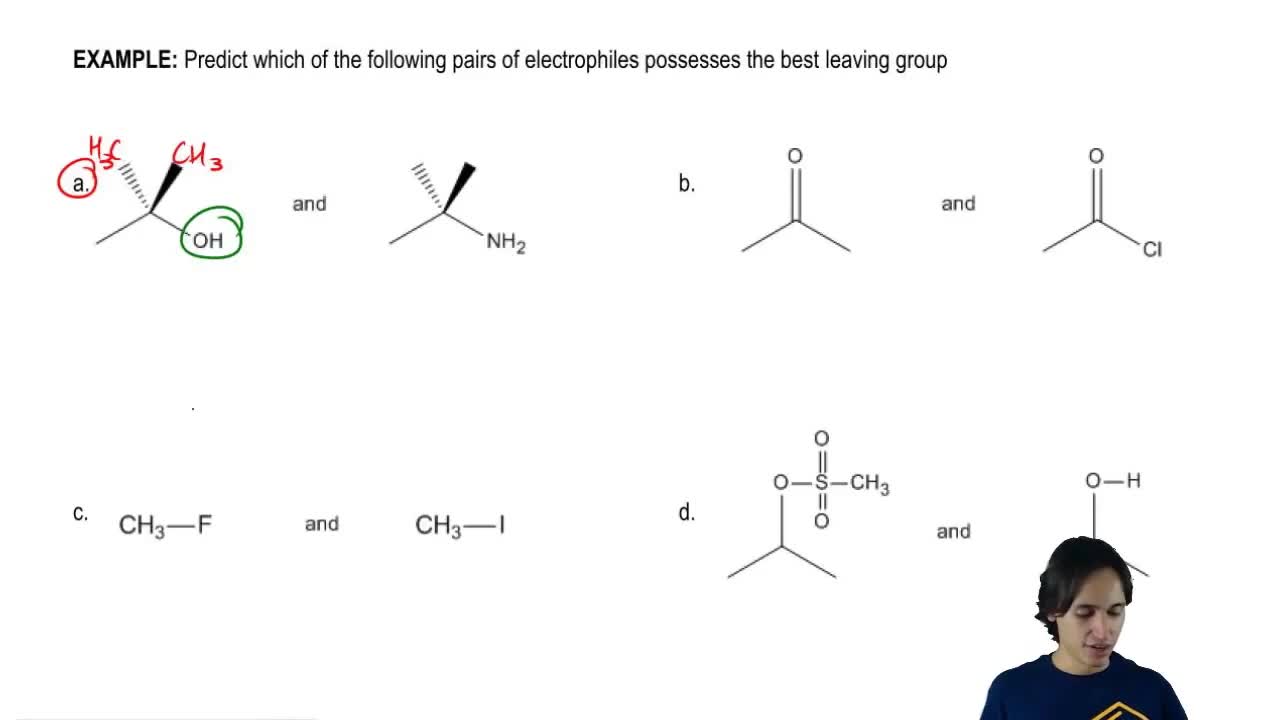
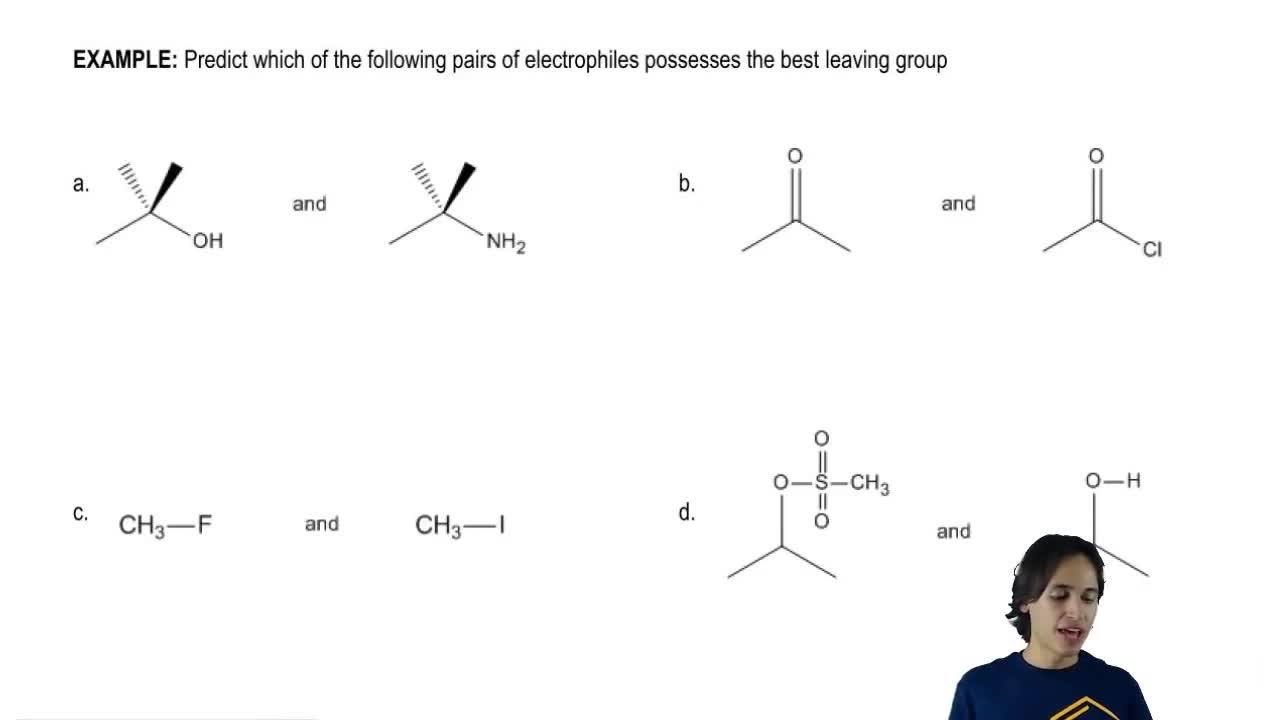
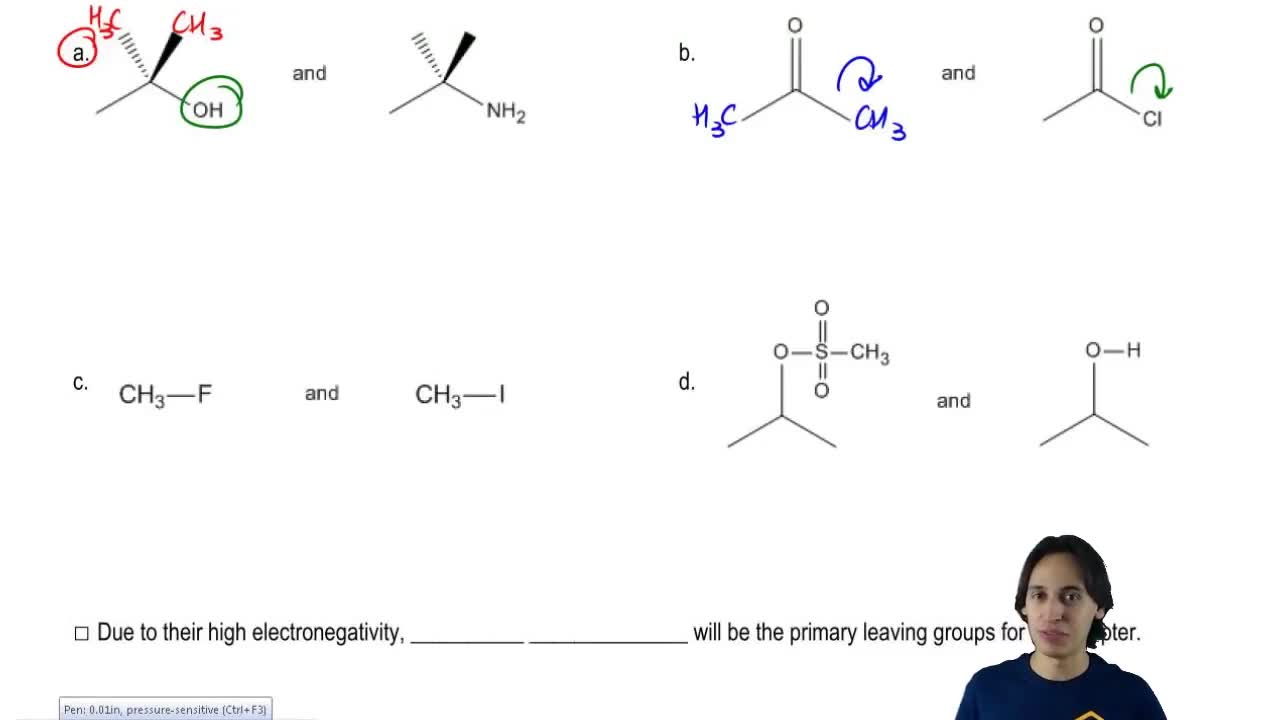
Predict the best leaving group
Johnny Betancourt
4730
views
49
rank
3
comments
01:12
Predict the best leaving group
Johnny Betancourt
5442
views
50
rank
6
comments
00:36
Predict the best leaving group
Johnny Betancourt
4736
views
36
rank
5
comments
더 많은 영상 (2)
Introduction to Substitution
주제로 이동
05:55
Predict the product
Johnny Betancourt
5295
views
148
rank
22
comments
05:01
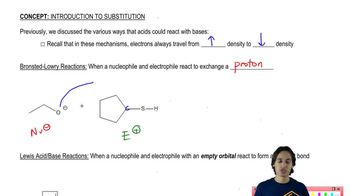
Nucleophiles and Electrophiles can react in Bronsted-Lowry Reactions.
Johnny Betancourt
7130
views
93
rank
23
comments
01:47
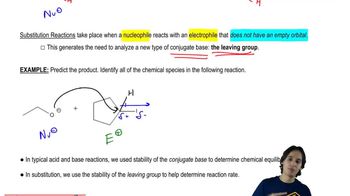
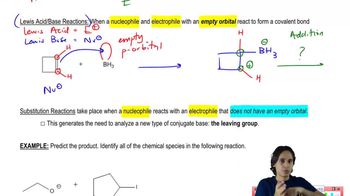
Nucleophiles and Electrophiles can react in Substitution Reactions.
Johnny Betancourt
5592
views
65
rank
5
comments
더 많은 영상 (2)
 뒤로
뒤로 업로드한 자료에 맞춘 엄선된 수업 – 모든 주제를 단계별로 배워보세요.
 10:06
10:06