 뒤로
뒤로Organic Chemistry Structural Analysis Practice Guidance
스터디 가이드 - 스마트 노트
 자료에 맞춘 맞춤형 노트, 핵심 정의, 예시, 맥락을 확장해 제공합니다.
Q1. For the molecules shown, identify the following:
sp3, sp2, and sp hybridized atoms
Localized and delocalized electrons
Functional groups present
Primary (1°), secondary (2°), tertiary (3°), and quaternary carbons
Hybridization of indicated atoms
Polar bonds
Geometry of indicated atoms
Resonance structures and major/minor contributors
Formal charges of specific atoms
Types of orbitals used to make specific covalent bonds
σ and π bonds
Condensed, expanded, and skeletal structures
Relationship between compounds: constitutional, geometric isomers, resonance structure, no relation, or identical
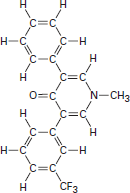
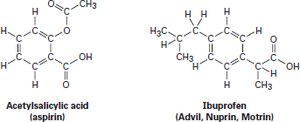
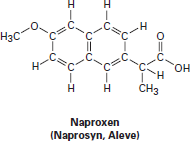
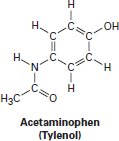
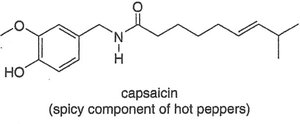
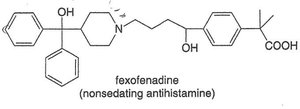
Background
Topic: Organic Chemistry—Structure and Bonding
This question tests your ability to analyze organic molecules by identifying hybridization, electron localization, functional groups, carbon classification, bond types, resonance, formal charges, and relationships between compounds. These skills are fundamental for understanding reactivity, properties, and nomenclature in organic chemistry.
Key Terms and Formulas
Hybridization: sp3 (tetrahedral, 4 groups), sp2 (trigonal planar, 3 groups), sp (linear, 2 groups)
Localized electrons: Electrons confined to a single atom or bond
Delocalized electrons: Electrons shared among multiple atoms (often in resonance structures)
Functional groups: Specific groups of atoms responsible for characteristic reactions (e.g., alcohol, carboxylic acid, amine, ketone)
Carbon classification: Primary (1°), secondary (2°), tertiary (3°), quaternary (4°) based on number of carbon neighbors
Formal charge formula:
σ (sigma) bond: Single covalent bond formed by head-on overlap of orbitals
π (pi) bond: Covalent bond formed by side-on overlap of p orbitals (in double/triple bonds)
Resonance structures: Different Lewis structures for the same molecule showing electron delocalization
Step-by-Step Guidance
Examine each molecule and identify the hybridization of each atom. For example, carbons in double bonds are typically sp2 hybridized, while those in single bonds are sp3.
Locate regions with delocalized electrons, such as aromatic rings or conjugated systems, and distinguish them from localized electrons (e.g., lone pairs or single bonds).
Identify all functional groups present in each molecule (e.g., carboxylic acid, ester, amide, alcohol, ether, amine, aromatic ring).
Classify each carbon atom as primary, secondary, tertiary, or quaternary based on the number of carbon neighbors. For example, a carbon attached to one other carbon is primary.
For indicated atoms, determine their hybridization and geometry (e.g., tetrahedral for sp3, trigonal planar for sp2).
Identify polar bonds by comparing electronegativity differences (e.g., C–O, C–N, O–H are typically polar).
Draw resonance structures for molecules with delocalized electrons, and indicate which is the major contributor based on formal charges and stability.
Calculate formal charges for specific atoms using the formula provided above.
Identify the types of orbitals involved in covalent bonds (e.g., sp2–sp2 for double bonds, sp3–sp3 for single bonds).
Distinguish between σ and π bonds in each molecule (single bonds are σ, double/triple bonds have π).
Practice writing condensed, expanded, and skeletal structures for each molecule.
Compare pairs of compounds to determine their relationship: constitutional isomers, geometric isomers, resonance structures, no relation, or identical.
Try solving on your own before revealing the answer!
Final Answer: Comprehensive Structural Analysis
Each molecule contains a variety of hybridized atoms, functional groups, and bond types. For example, aromatic rings feature sp2 hybridized carbons and delocalized π electrons. Functional groups include carboxylic acids, esters, amides, alcohols, and ethers. Primary, secondary, tertiary, and quaternary carbons can be identified by counting carbon neighbors. Polar bonds are present wherever there is a significant electronegativity difference (e.g., C–O, O–H, C–N). Resonance structures are possible in aromatic and conjugated systems, with the major contributor typically having minimal formal charges and full octets. σ bonds are present in all single bonds, while π bonds are found in double and triple bonds. Condensed, expanded, and skeletal structures can be written for each molecule. Relationships between compounds can be determined by comparing connectivity and stereochemistry.
For detailed answers, refer to each molecule and apply the steps above. For example, in acetylsalicylic acid (aspirin), the benzene ring carbons are sp2 hybridized, the carboxylic acid group contains a polar O–H bond, and resonance structures can be drawn for the carboxylate group. Ibuprofen and naproxen are constitutional isomers, as they have the same molecular formula but different connectivity. Capsaicin contains an amide and phenol functional group, and fexofenadine has multiple aromatic rings and a carboxylic acid group.
