뒤로

Organic Chemistry Study Guide: Alkenes, Alkynes, Alcohols, Amines, Ethers, Epoxides, Thiols, and Aromaticity

학습 가이드 - 영상으로 배우기

업로드한 자료에 맞춘 엄선된 수업 – 모든 주제를 단계별로 배워보세요.

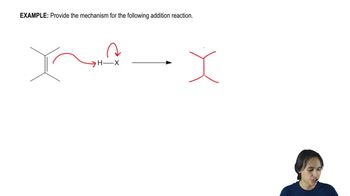
Addition Reaction

  • Provide the mechanism
    01:15
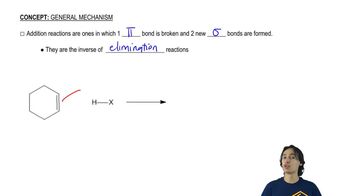
  • Features of Addition Mechanisms.
    05:39

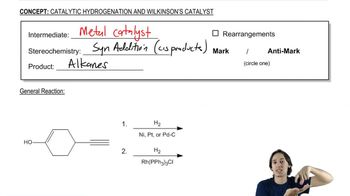
Hydrogenation

  • General properties of catalytic hydrogenation.
    05:21

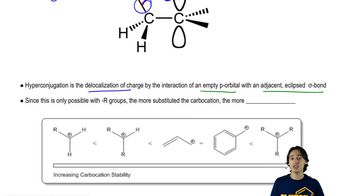
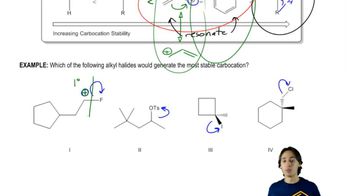
Carbocation Intermediates – Stability

  • Determining Carbocation Stability
    05:58
  • Predicting the most stable carbocation
    01:21

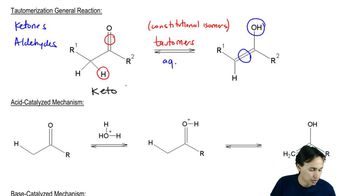
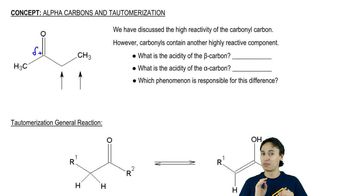
Tautomerization

  • Tautomerization Mechanisms
    05:11
  • Unusual Acidity of the Alpha Carbon
    01:51

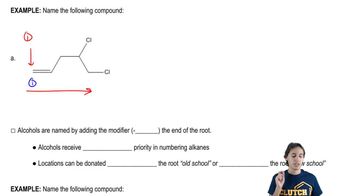
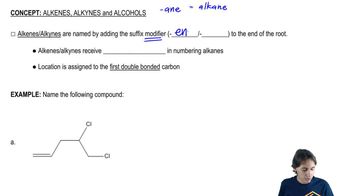
Naming Alkenes

  • Name the following alkene
    02:04
  • How to name alkenes and alkynes
    01:55
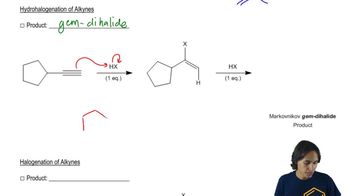
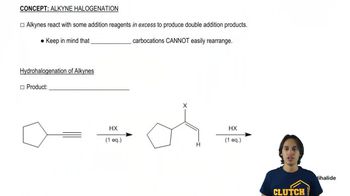
Alkyne Hydrohalogenation

  • Double hydrohalogenation of alkynes.
    02:20
  • General properties of double addition reactions to alkynes.
    01:01

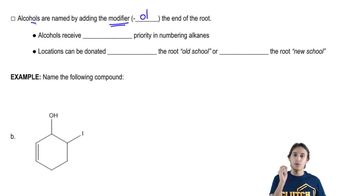
Naming Alcohols

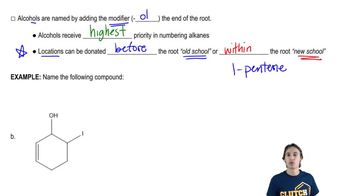
  • How to name alcohols
    01:01
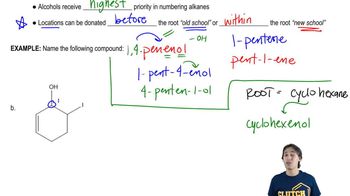
  • Name the following compound
    03:59
  • Old school vs. new school naming
    03:03

Alcohol Nomenclature

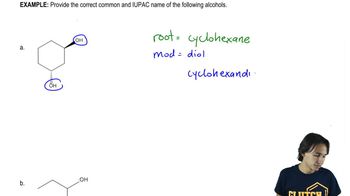
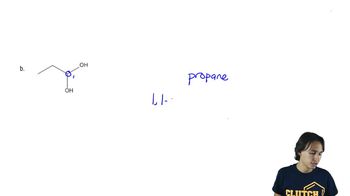
  • Provide the correct common and IUPAC name.
    01:49
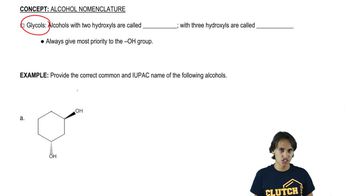
  • How to name polyols.
    01:47
  • Provide the correct common and IUPAC name.
    00:59

Introduction to Substitution

  • Predict the product
    05:55
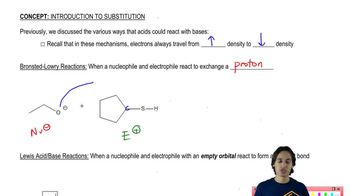
  • Nucleophiles and Electrophiles can react in Bronsted-Lowry Reactions.
    05:01
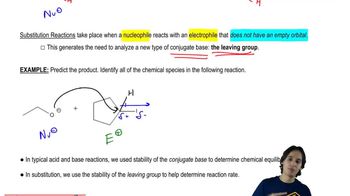
  • Nucleophiles and Electrophiles can react in Substitution Reactions.
    01:47

Epoxide Reactions

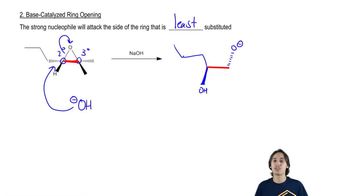
  • Base-Catalyzed Epoxide Ring-Opening
    04:44
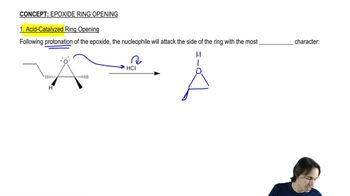
  • Acid-Catalyzed Epoxide Ring-Opening
    04:34

Naming Ethers

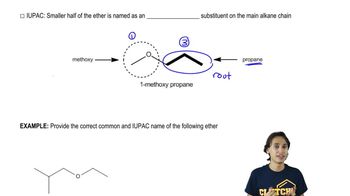
  • How to name ethers using the IUPAC naming system.
    02:08
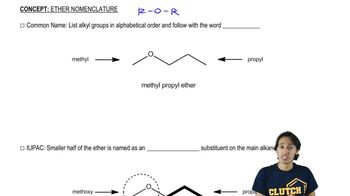
  • How to name ethers using the common naming system.
    01:32
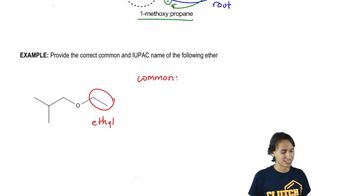
  • Provide the correct common name of the following ether.
    01:22

Naming Amines

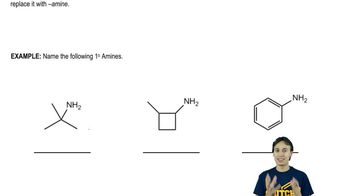
  • Naming Primary Amines
    06:50
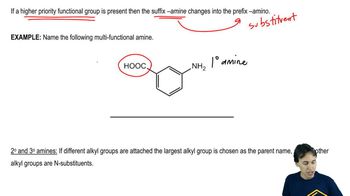
  • Primary Amines as Substituents
    02:58
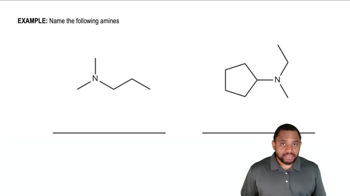
  • Naming Secondary and Tertiary Amines
    01:57

Acid and Base Definitions

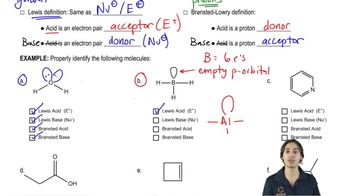
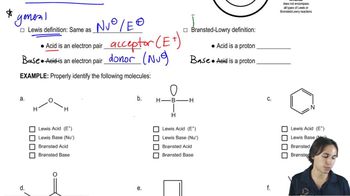
  • Lewis vs. Bronsted-Lowry Definition
    07:46
  • The Bronsted-Lowry definition of acids and bases.
    00:54
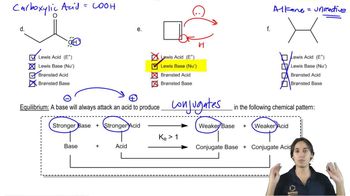
  • Equilibrium constant and conjugates.
    02:11

Thiol Reactions

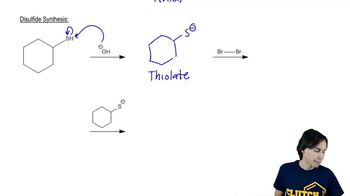
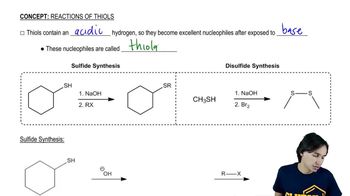
  • The mechanism of Disulfide Synthesis.
    02:55
  • The mechanism of Sulfide Synthesis.
    03:21

Aromaticity

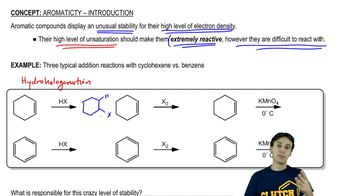
  • Intro to Aromaticity
    08:19

Carbocation Intermediates – Stability

  • Determining Carbocation Stability
    05:58
  • Predicting the most stable carbocation
    01:21

pKa Values

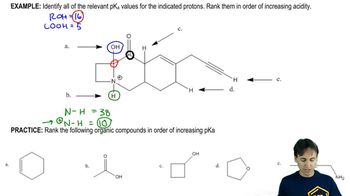
  • Identifying pKa values
    07:45
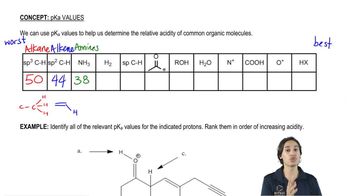
  • The 12 pKa values you want to memorize (because they are important!).
    09:36

Conjugation Chemistry

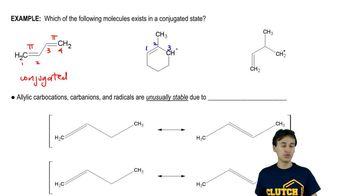
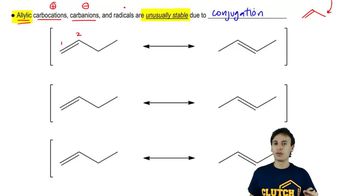
  • Conjugated states
    03:27
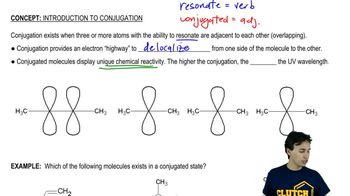
  • Definition of Conjugation
    05:29
  • Review of Common Resonance Structures
    04:50

Diels-Alder Reaction

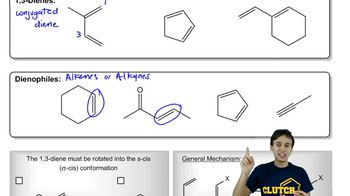
  • General Features
    09:48

Benzene Reactions

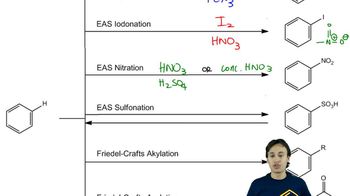
  • EAS Reactions Overview
    11:50

Electrophilic Aromatic Substitution

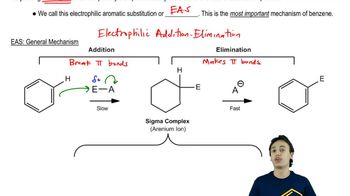
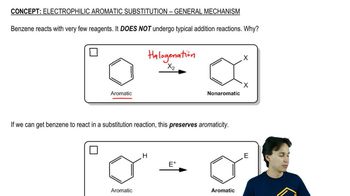
  • EAS General Mechanism
    06:52
  • EAS Review
    03:07