뒤로

Organic Chemistry Study Guide: Alkyl Halides, NMR Spectroscopy, and Alcohols

학습 가이드 - 영상으로 배우기

업로드한 자료에 맞춘 엄선된 수업 – 모든 주제를 단계별로 배워보세요.

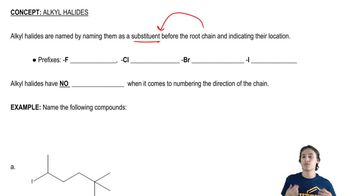
Naming Alkyl Halides

  • How to name alkyl halides
    01:52
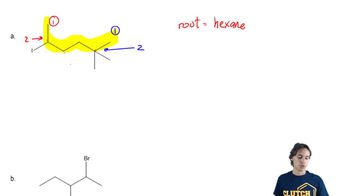
  • Name the following alkyl halide
    01:58
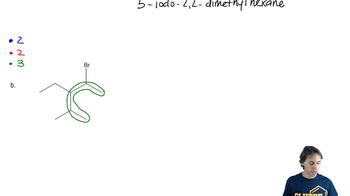
  • Name the following alkyl halide
    03:53

Allylic Halogenation

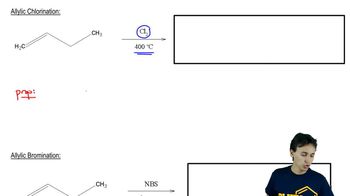
  • Specific Reactions - Allylic Chlorination
    03:
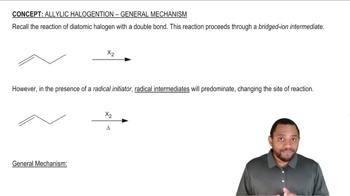
  • Allylic Halogentation - General Mechanism
    07:50
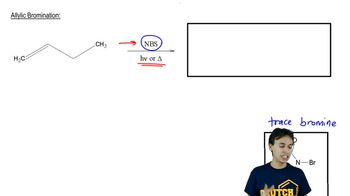
  • Specific Reactions - Allylic Bromination
    03:20

Leaving Group Conversions - SOCl2 and PBr3

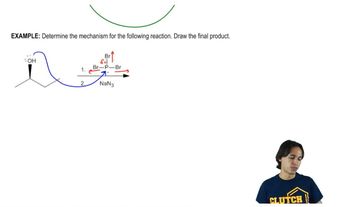
  • Predict the mechanism of PBr3, and draw the final product.
    06:01
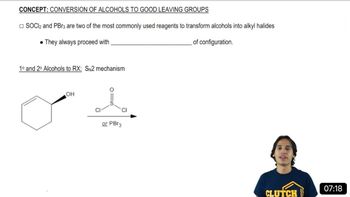
  • Learning the mechanism of SOCl2.
    07:18

Functional Groups

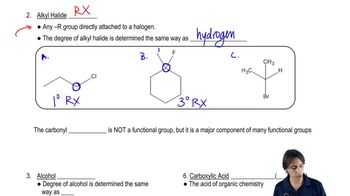
  • Assigning Degrees to Alkyl Halides
    01:30
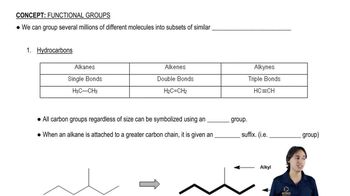
  • Why we need functional groups.
    01:49
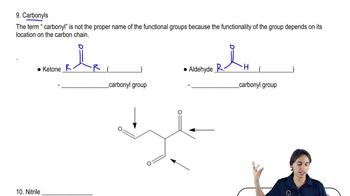
  • The difference between aldehydes and ketones.
    03:08

Oxidation of Alcohols

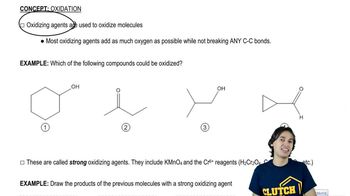
  • Reagents
    01:52
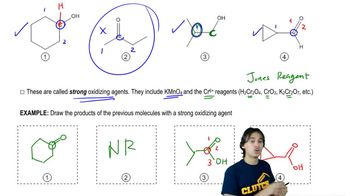
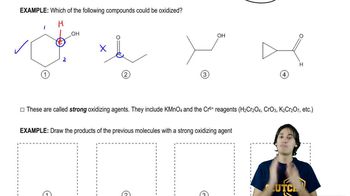
  • Strong oxidizing agents
    05:53
  • Strong oxidizing agents
    03:40

Oxidation of Alcohols

  • Reagents
    01:52
  • Strong oxidizing agents
    05:53
  • Strong oxidizing agents
    03:40

Oxidation of Alcohols

  • Reagents
    01:52
  • Strong oxidizing agents
    05:53
  • Strong oxidizing agents
    03:40

Protecting Alcohols from Organometallics

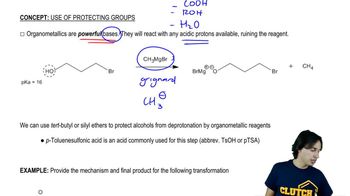
  • Use of Protecting Groups
    04:34
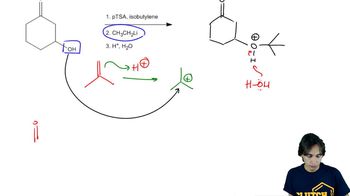
  • Provide mechanism and final product of transformation.
    04:45

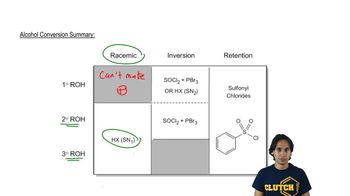
Leaving Group Conversions Summary

  • Comparing and contrasting the Alcohol Conversions.
    04:30

Introduction to Substitution

  • Predict the product
    05:55
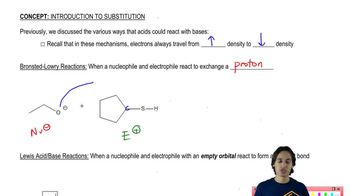
  • Nucleophiles and Electrophiles can react in Bronsted-Lowry Reactions.
    05:01
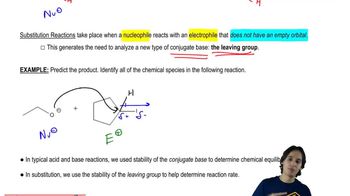
  • Nucleophiles and Electrophiles can react in Substitution Reactions.
    01:47

Introduction to Substitution

  • Predict the product
    05:55
  • Nucleophiles and Electrophiles can react in Bronsted-Lowry Reactions.
    05:01
  • Nucleophiles and Electrophiles can react in Substitution Reactions.
    01:47