뒤로

Organic Chemistry Study Guide: Radicals, Spectroscopy, Alcohols, Amines, Ethers, Epoxides, Carboxylic Acids, Aldehydes, and Ketones

학습 가이드 - 영상으로 배우기

업로드한 자료에 맞춘 엄선된 수업 – 모든 주제를 단계별로 배워보세요.

Radical Reaction

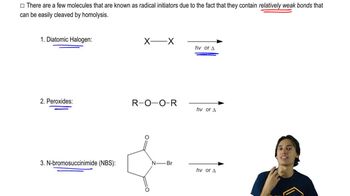
  • What are Radical Initiators?
    03:49
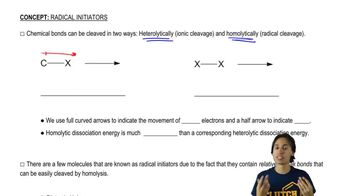
  • Heterolytic vs. Homolytic Bond Cleavage .
    04:39
Radical Stability

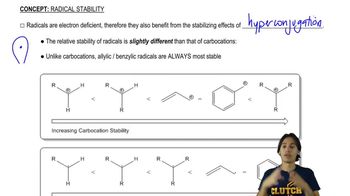
  • The radical stability trend.
    03:43
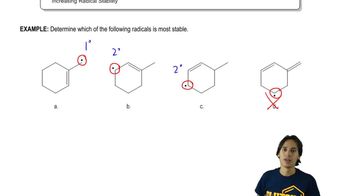
  • Determine which of the following radicals is the most stable.
    03:25

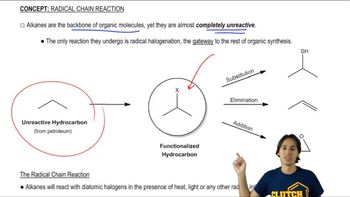
Free Radical Halogenation

  • The one reaction that alkanes will actually undergo.
    02:05
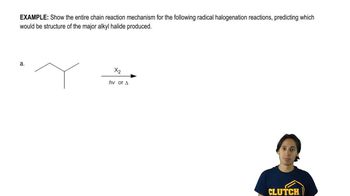
  • Explaining the following problem.
    00:34
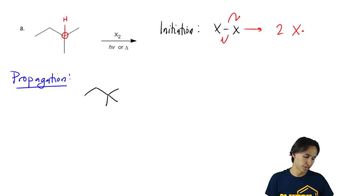
  • Show the entire chain reaction mechanism.
    04:08

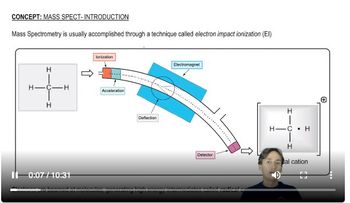
Mass Spectrometry

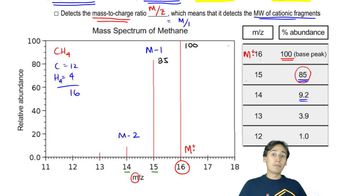
  • Equipment and Theory
    10:48
  • How to Read a Mass Spectrum
    01:25

Naming Alcohols

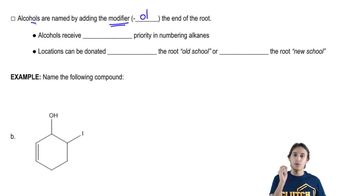
  • How to name alcohols
    01:01
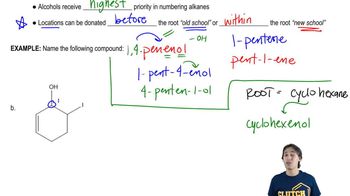
  • Name the following compound
    03:59
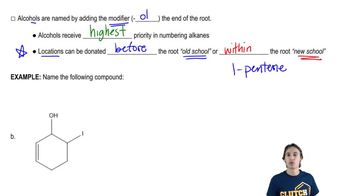
  • Old school vs. new school naming
    03:03

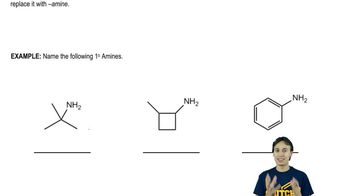
Naming Amines

  • Naming Primary Amines
    06:50
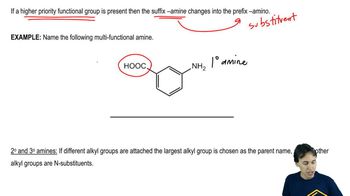
  • Primary Amines as Substituents
    02:58
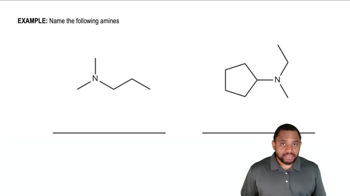
  • Naming Secondary and Tertiary Amines
    01:57

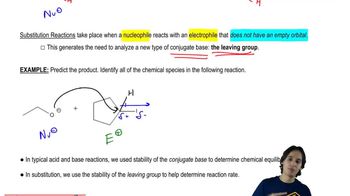
Introduction to Substitution

  • Predict the product
    05:55
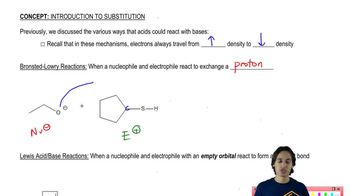
  • Nucleophiles and Electrophiles can react in Bronsted-Lowry Reactions.
    05:01
  • Nucleophiles and Electrophiles can react in Substitution Reactions.
    01:47

Dehydration Reaction

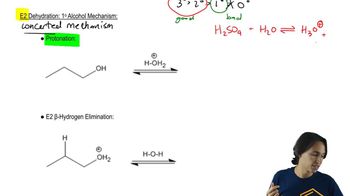
  • Dehydration of 1° alcohols:The E2 Mechanism
    05:20
  • An extra note of caution with 1° alcohols.
    01:06
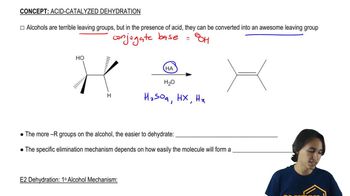
  • General features of acid-catalyzed dehydration.
    06:01

Oxidizing and Reducing Agents

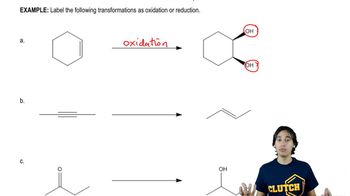
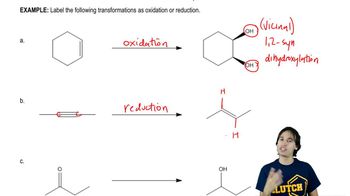
  • Distinguishing between Oxidation and Reduction
    00:54
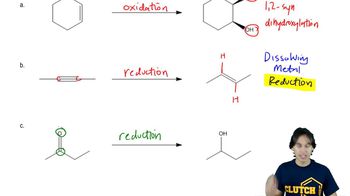
  • Distinguishing between Oxidation and Reduction
    01:18
  • Distinguishing between Oxidation and Reduction
    00:54

Infrared Spectroscopy

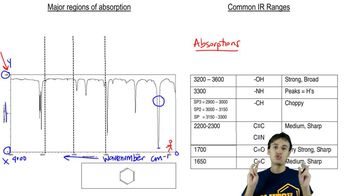
  • General Features of IR Spect
    16:04

Naming Ethers

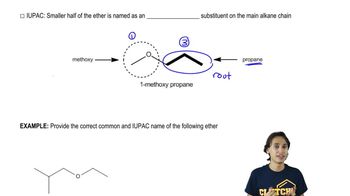
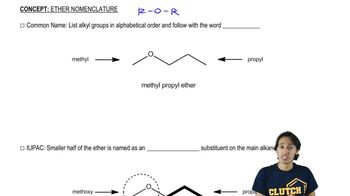
  • How to name ethers using the IUPAC naming system.
    02:08
  • How to name ethers using the common naming system.
    01:32
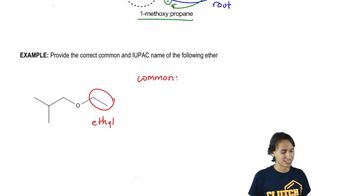
  • Provide the correct common name of the following ether.
    01:22

Epoxidation

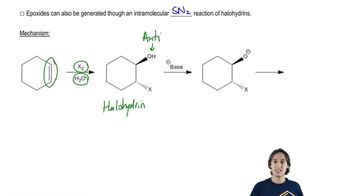
  • Halohydrins to epoxides via intramolecular SN2.
    02:26
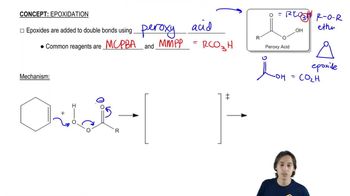
  • General properties of epoxidation.
    02:19
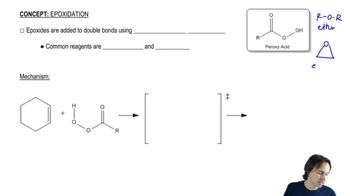
  • The mechanism of how peroxy acids make epoxides.
    03:19

Epoxide Reactions

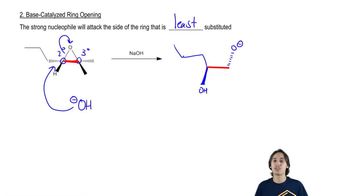
  • Base-Catalyzed Epoxide Ring-Opening
    04:44
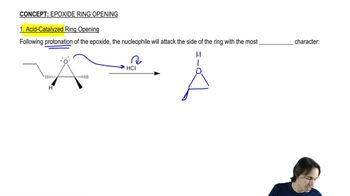
  • Acid-Catalyzed Epoxide Ring-Opening
    04:34

Naming Carboxylic Acids

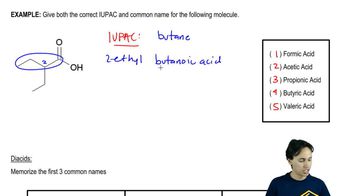
  • Give the IUPAC name
    02:03
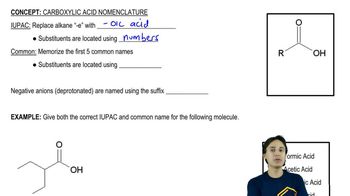
  • Carboxylic Acids Nomenclature
    04:20

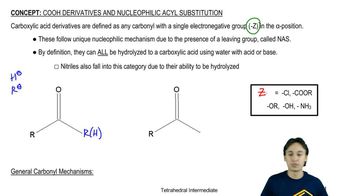
Carboxylic Acid Derivatives

  • Intro to Nucleophilic Acyl Substituion
    04:06
  • Intro to Carboxylic Acid Derivatives
    03:50

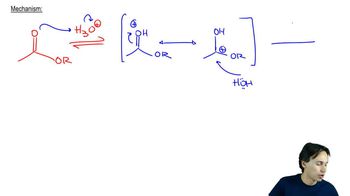
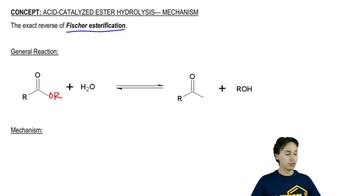
Acid-Catalyzed Ester Hydrolysis

  • General Mechanism
    02:38
  • General Reaction
    01:31

Saponification

  • Mechanism
    03:27

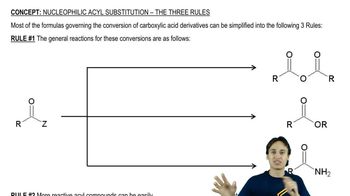
Nucleophilic Acyl Substitution

  • NAS - The Three Rules
    09:32

Naming Esters

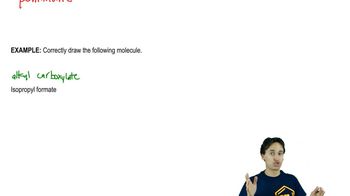
  • Draw the molecule
    01:28
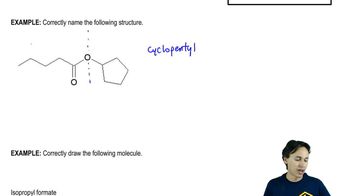
  • Name the structure
    01:10
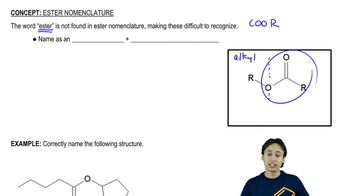
  • Ester Nomenclature
    02:39

Naming Amides

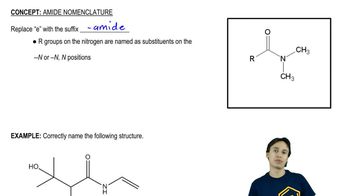
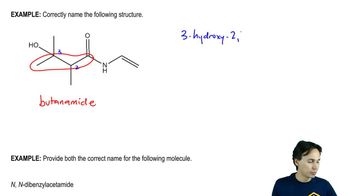
  • Amide Nomenclature
    01:33
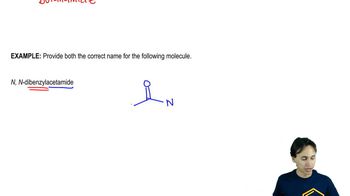
  • Name the molecule
    02:46
  • Draw the amide
    01:28

Acid Chloride Nomenclature

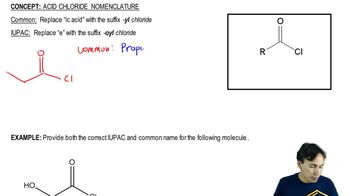
  • Acid Chloride Nomenclature
    03:13
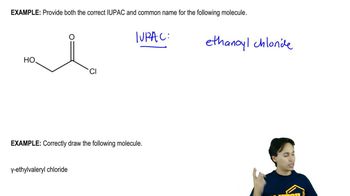
  • Provide the IUPAC name for the molecule
    01:44
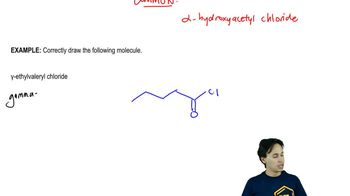
  • Draw the Acid-Chloride
    00:37

Naming Anhydrides

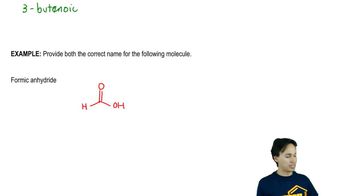
  • Draw the molecule
    00:40
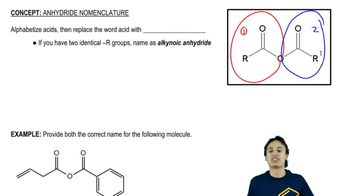
  • Anhydride Nomenclature
    03:35
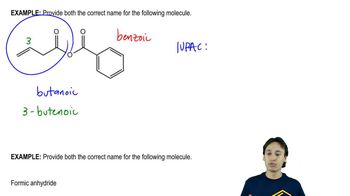
  • Provide the IUPAC name for the molecule
    02:47

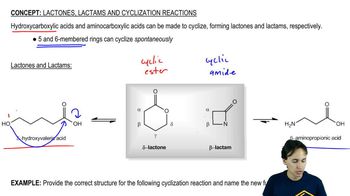
Lactones, Lactams and Cyclization Reactions

  • Lactones and Lactams
    05:19
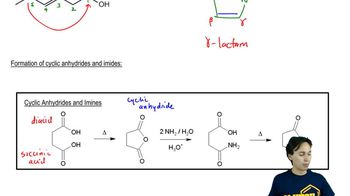
  • Cyclic Anhydrides and Imides
    03:35
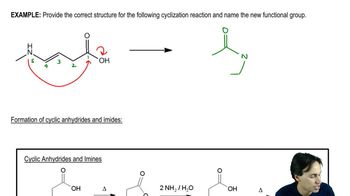
  • Cyclization Reaction
    01:33

Naming Aldehydes

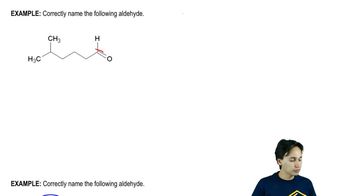
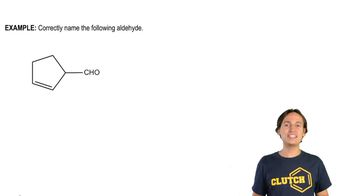
  • Name the aldehyde
    01:34
  • Name the aldehyde
    03:17
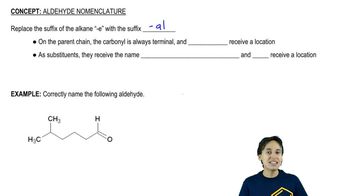
  • Nomenclature
    03:11

Naming Ketones

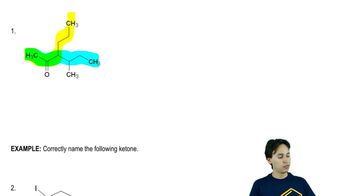
  • Name the ketone
    01:58
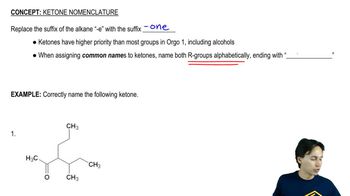
  • Nomenclature
    03:05
  • Name the ketone
    02:27

Grignard Reaction

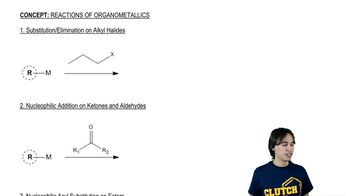
  • Reactions of Organometallics
    13:40

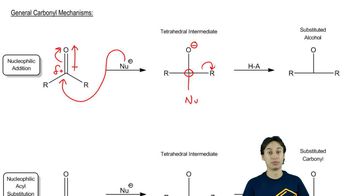
Nucleophilic Addition

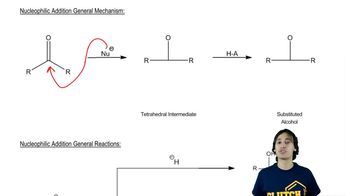
  • Nucleophilic Addition
    08:27