뒤로

Predicting Products of Alkene Reactions in Organic Chemistry

학습 가이드 - 영상으로 배우기

업로드한 자료에 맞춘 엄선된 수업 – 모든 주제를 단계별로 배워보세요.

Addition Reaction

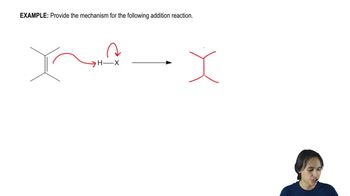
  • Provide the mechanism
    01:15
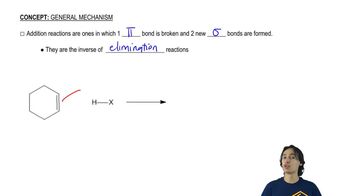
  • Features of Addition Mechanisms.
    05:39

Markovnikov

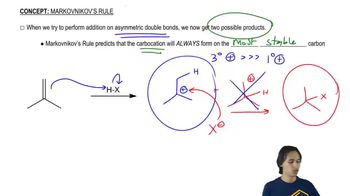
  • Provide the mechanism
    01:26
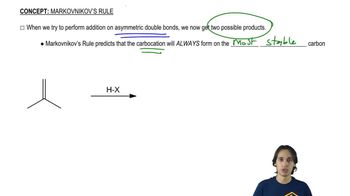
  • How to add to asymmetrical double bonds.
    03:38

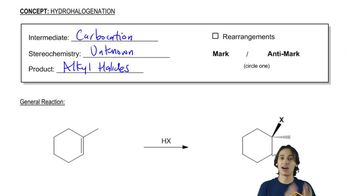
Hydrohalogenation

  • General properties of hydrohalogenation.
    04:07
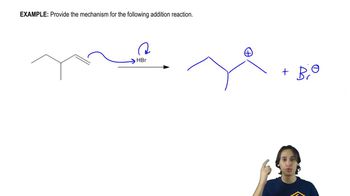
  • Provide the mechanism
    02:24

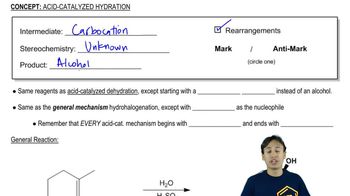
Acid-Catalyzed Hydration

  • General properties of acid-catalyzed hydration.
    06:32
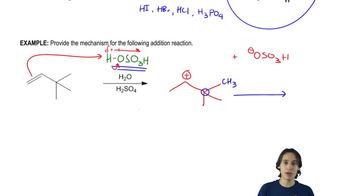
  • Acid-catalyzed hydration mechanism
    06:34

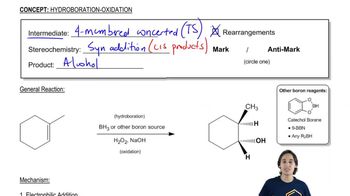
Hydroboration

  • General properties of hydroboration-oxidation.
    06:38
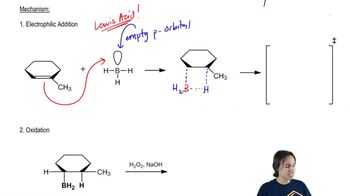
  • Acid-catalyzed hydroboration-oxidation mechanism
    06:14

Epoxidation

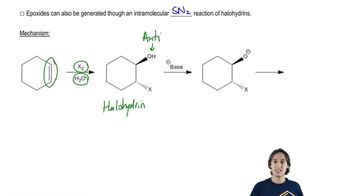
  • Halohydrins to epoxides via intramolecular SN2.
    02:26
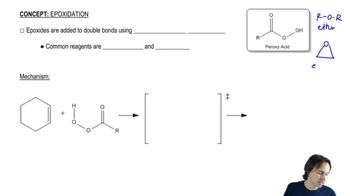
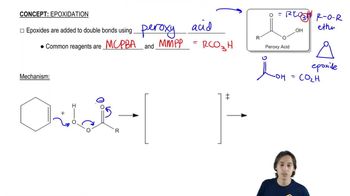
  • General properties of epoxidation.
    02:19
  • The mechanism of how peroxy acids make epoxides.
    03:19

Epoxide Reactions

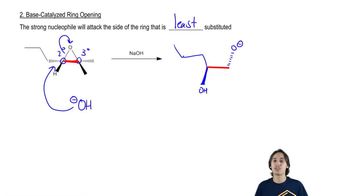
  • Base-Catalyzed Epoxide Ring-Opening
    04:44
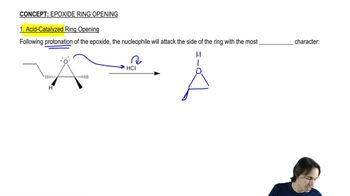
  • Acid-Catalyzed Epoxide Ring-Opening
    04:34

Reaction Mechanism

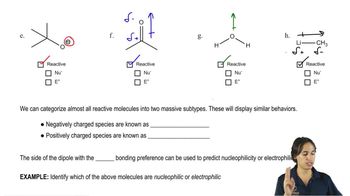
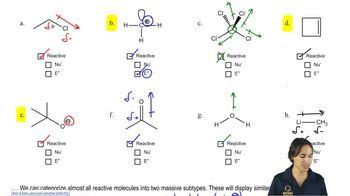
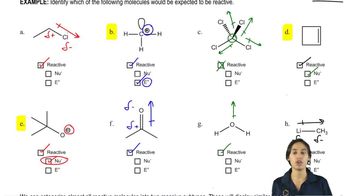
  • How to tell if charged molecules will react as nucleophiles or electrophiles.
    02:39
  • Nucleophile or Electrophile
    01:49
  • How to tell if uncharged molecules will react as nucleophiles or electrophiles.
    02:48

Skeletal Structure

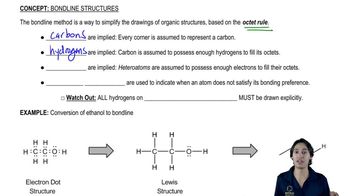
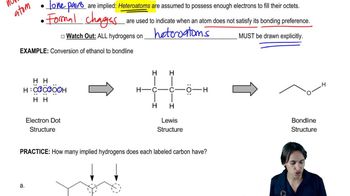
  • How bondline is different from Lewis Structures.
    04:03
  • Conversion of ethanol from electron dot to bondline
    01:50

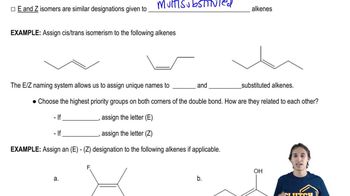
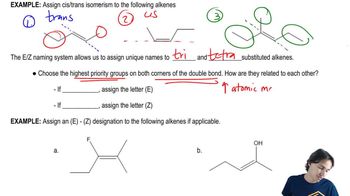
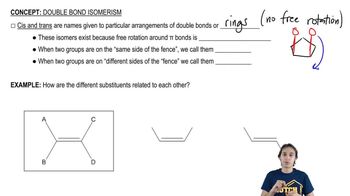
Cis vs Trans

  • Why we need to use the E/Z naming system
    02:07
  • What does E and Z stand for?
    00:50
  • How to name different types of double bonds or rings
    04:28