 뒤로
뒤로Reactions and Nomenclature of Carboxylic Acids and Carboxylic Acid Derivatives
스터디 가이드 - 스마트 노트
 자료에 맞춘 맞춤형 노트, 핵심 정의, 예시, 맥락을 확장해 제공합니다.
Reactions of Carboxylic Acids and Carboxylic Acid Derivatives
Overview of Carboxylic Acid Derivatives
Carboxylic acids and their derivatives are a central class of organic compounds characterized by the presence of a carbonyl group (C=O) bonded to various substituents. Their reactivity and nomenclature are foundational in organic chemistry, especially in the context of nucleophilic acyl substitution reactions.
Classification of Oxygen-Containing Hydrocarbons
Families and Groups
Oxygen-containing hydrocarbons can be classified into families based on their functional groups. Each family within a group reacts in similar ways, allowing for systematic study and prediction of chemical behavior.
Group III: Carbonyl and Acyl Groups
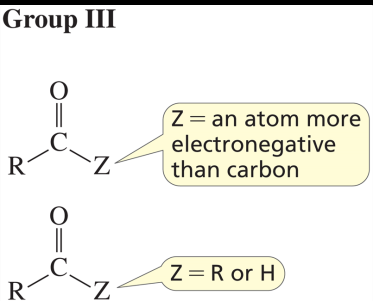
Group III compounds are defined by the presence of a carbonyl group (C=O). The nature of the group attached to the carbonyl carbon (Z) determines the compound's reactivity and classification.
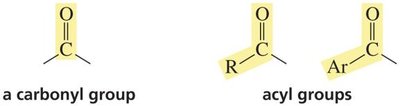
Acyl group: A carbonyl group bonded to an alkyl (R) or aryl (Ar) group.
Carbonyl group: The functional group C=O, central to many organic compounds.
Classification of Carbonyl Compounds
Substitutable vs. Non-Substitutable Groups
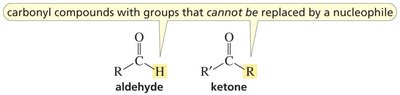
Carbonyl compounds are divided into two main classes based on whether the group attached to the carbonyl carbon can be replaced by a nucleophile:
Substitutable: Carboxylic acids, esters, acyl chlorides, and amides have groups that can be replaced by nucleophiles.
Non-substitutable: Aldehydes and ketones have groups (H or R) that cannot be replaced by nucleophiles under normal conditions.

Basicity of the Leaving Group and Reactivity
Effect of the Attached Group
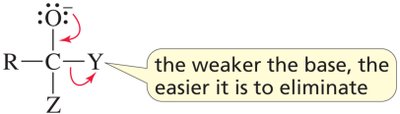
The class to which a carbonyl group belongs depends on the basicity of the group attached to the acyl group. The weaker the base, the better the leaving group, and the more reactive the compound is toward nucleophilic substitution.
Acyl chloride (Cl−): Very weak base, highly reactive.
Ester (OR−): Moderate base, less reactive than acyl chlorides.
Carboxylic acid (OH−): Similar basicity to esters.
Amide (NH2−): Strong base, least reactive.
The pKa of the conjugate acid of the leaving group provides a quantitative measure of basicity and leaving group ability.
Nomenclature of Carboxylic Acids and Derivatives
Carboxyl Group and Its Representation
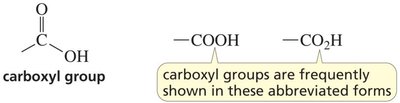
The carboxyl group is represented as –COOH or –CO2H. It is the defining feature of carboxylic acids.
Functional Group Priorities
In IUPAC nomenclature, the carbonyl group has the highest priority among functional groups, followed by hydroxyl (OH), amino (NH2), and multiple bonds.

Systematic and Common Nomenclature
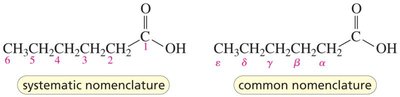
Carboxylic acids are named by counting the longest carbon chain including the carbonyl carbon. The suffix “-oic acid” replaces the “-e” of the parent alkane. In common nomenclature, Greek letters (α, β, γ, etc.) are used to indicate positions relative to the carboxyl group.
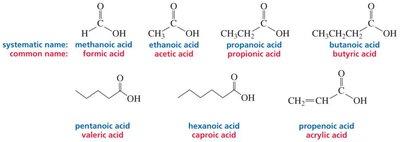
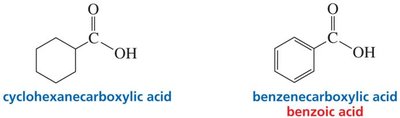
Examples of Carboxylic Acid Names

Naming Acyl Halides
Acyl halides are named by replacing the “-ic acid” of the parent carboxylic acid with “-yl halide” (e.g., acetyl chloride from acetic acid).

Naming Carboxylate Salts and Ions
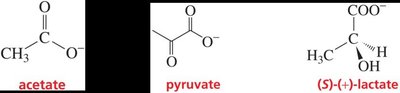
Carboxylate salts are named by replacing “-ic acid” with “-ate” and placing the cation name first (e.g., sodium acetate).

Naming Esters
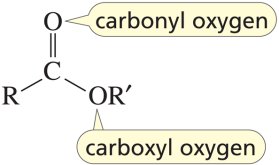
Esters are named by stating the alkyl group attached to the oxygen first, followed by the name of the acid with “-ic acid” replaced by “-ate.”

Naming Amides
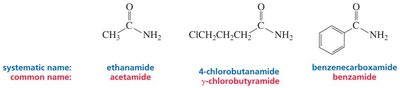
Amides are named by replacing the “-e” of the parent alkane with “-amide.” Substituents on the nitrogen are listed first in alphabetical order.

Naming Lactones and Lactams
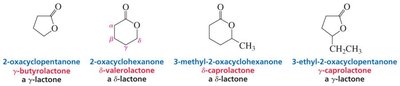
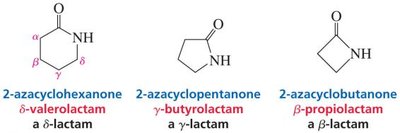
Cyclic esters are called lactones, and cyclic amides are called lactams. Systematic names use “2-oxa” for lactones and “2-aza” for lactams, with Greek letters indicating ring size.
Naming Acid Anhydrides
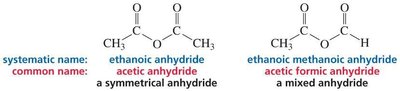
Acid anhydrides are named by replacing “acid” with “anhydride” in the names of the parent acids. Mixed anhydrides are named by listing both acids alphabetically.
Naming Nitriles
Nitriles are named by adding “nitrile” to the end of the parent chain or as a suffix. The carbon of the cyano group is included in the chain count.

Dicarboxylic Acids
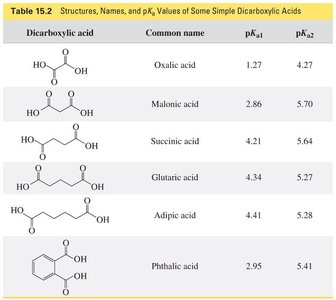
Dicarboxylic acids contain two carboxyl groups and are important in biochemistry and synthetic chemistry. Their common names and pKa values are widely used.
Derivatives of Carbonic Acid
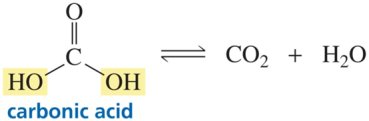
Carbonic acid and its derivatives, such as phosgene, urea, and carbamates, are important in both organic and biological chemistry.

Structure and Properties of Carboxylic Acids and Derivatives
Bonding and Resonance
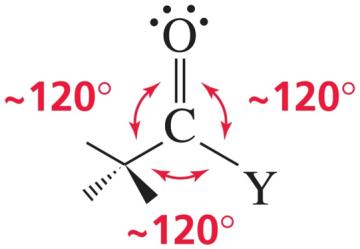
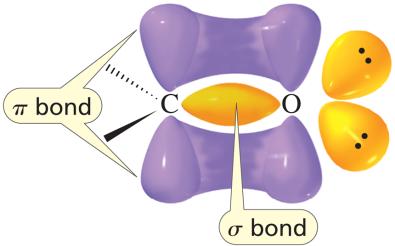
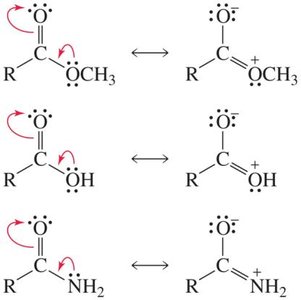
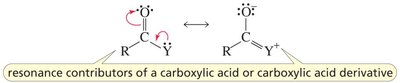
The carbonyl group is planar, with bond angles close to 120°, and exhibits resonance, which stabilizes the structure and affects reactivity.
Physical Properties
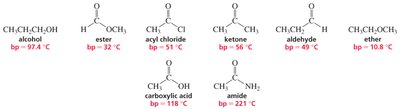
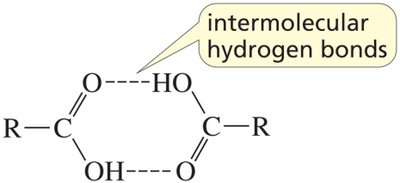
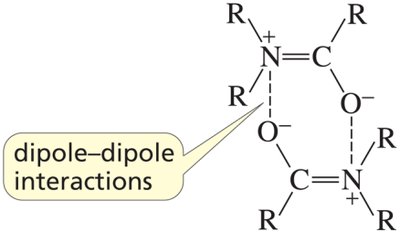
Carboxylic acids and amides have relatively high boiling points due to strong intermolecular hydrogen bonding and dipole-dipole interactions. Esters and acyl chlorides have lower boiling points.
Reactivity: Electrophiles and Nucleophiles
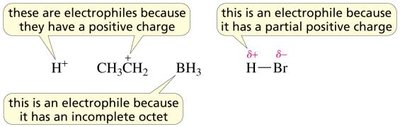
Electrophiles
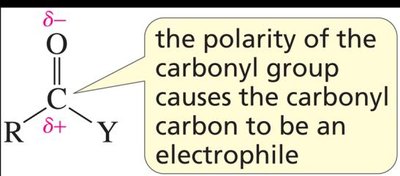
Electrophiles are species that accept electron pairs. In carbonyl chemistry, the carbonyl carbon is an electrophile due to the polarization of the C=O bond.
Nucleophiles
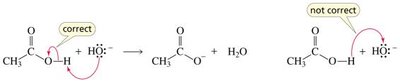
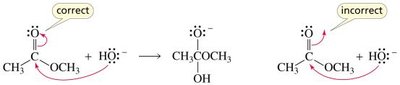
Nucleophiles are species that donate electron pairs. Common nucleophiles include hydroxide, alkoxides, amines, and water.

Nucleophilic Acyl Substitution Mechanism
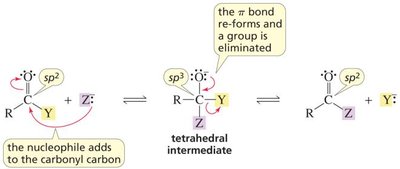
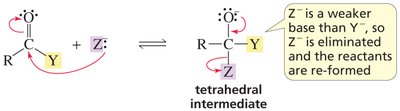
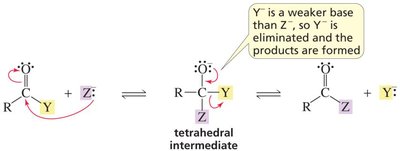
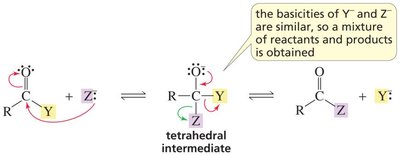
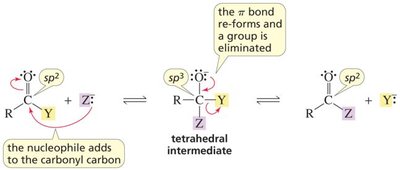
Nucleophilic acyl substitution involves the attack of a nucleophile on the electrophilic carbonyl carbon, forming a tetrahedral intermediate, followed by elimination of the leaving group.

Comparison: Nucleophilic Substitution at sp3 vs. sp2 Carbon
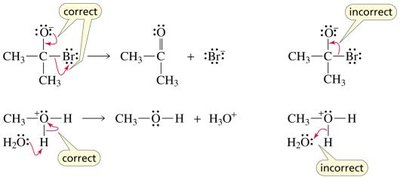
Substitution at an sp3 carbon (e.g., alkyl halides) proceeds via SN2 or SN1 mechanisms, while nucleophilic acyl substitution at a carbonyl (sp2) involves addition-elimination via a tetrahedral intermediate.

Leaving Group Ability and Reaction Outcome
The outcome of nucleophilic acyl substitution depends on the relative basicity of the incoming nucleophile and the leaving group:
If the incoming nucleophile is a weaker base than the leaving group, the reactants are reformed.
If the incoming nucleophile is a stronger base, the product is formed.
If both have similar basicity, a mixture results.
Bond Breaking in Nucleophilic Attack
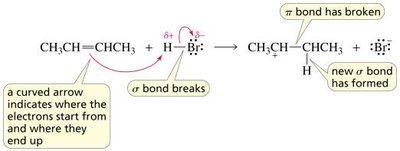
When a nucleophile attacks an alkyl halide, a sigma bond breaks; when it attacks a carbonyl, the pi bond breaks, forming a tetrahedral intermediate.

Relative Reactivity of Carboxylic Acid Derivatives
Leaving Group Basicity and Reactivity
The reactivity of carboxylic acid derivatives decreases as the basicity of the leaving group increases. The order is:
Acyl chloride (most reactive, Cl− is the weakest base)
Ester ≈ Carboxylic acid (moderate reactivity, OR− and OH− are moderate bases)
Amide (least reactive, NH2− is the strongest base)


Resonance and Electrophilicity
Resonance contributors stabilize carboxylic acids and derivatives. The weaker the base, the less resonance stabilization, making the carbonyl carbon more electrophilic and reactive.
Summary Table: Carboxylic Acid Derivatives
Derivative | General Formula | Leaving Group | Relative Reactivity |
|---|---|---|---|
Acyl chloride | RCOCl | Cl− | Most reactive |
Acid anhydride | RCOOCOR' | RCOO− | Very reactive |
Ester | RCOOR' | OR− | Moderate |
Carboxylic acid | RCOOH | OH− | Moderate |
Amide | RCONH2 | NH2− | Least reactive |
Additional info: The above table summarizes the key features and reactivity trends of carboxylic acid derivatives, which are essential for predicting the outcomes of nucleophilic acyl substitution reactions.
