뒤로

Reactions of Non-Polar π-Systems - Module 2

학습 가이드 - 영상으로 배우기

업로드한 자료에 맞춘 엄선된 수업 – 모든 주제를 단계별로 배워보세요.

Molecular Orbitals

  • Sigma bond vs. pi bond, which is stronger?
    03:25
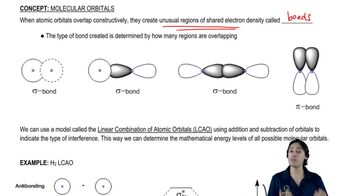
  • What’s the difference between sigma and pi bonds?
    02:19
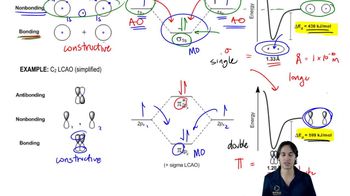
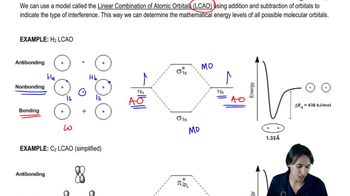
  • What’s the difference between atomic and molecular orbitals?
    11:25
Hybridization

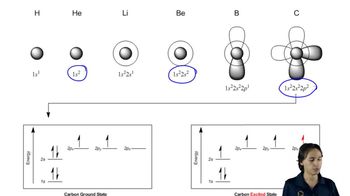
  • How carbon creates 4 partially-filled orbitals.
    02:53
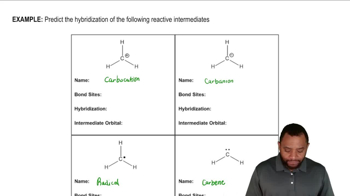
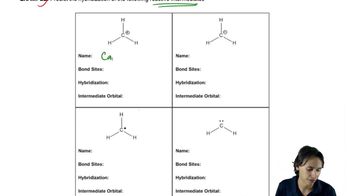
  • Bond sites, hybridization, and intermediate orbitals
    04:58
  • Introduction to the reactive intermediates.
    02:47

Reaction Mechanism

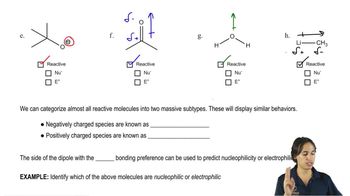
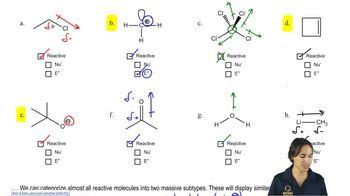
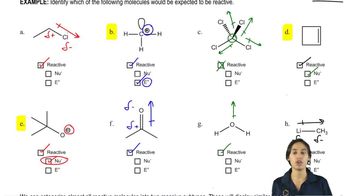
  • How to tell if charged molecules will react as nucleophiles or electrophiles.
    02:39
  • Nucleophile or Electrophile
    01:49
  • How to tell if uncharged molecules will react as nucleophiles or electrophiles.
    02:48

Markovnikov

  • Provide the mechanism
    01:26
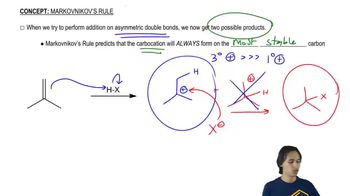
  • How to add to asymmetrical double bonds.
    03:38

Carbocation Stability

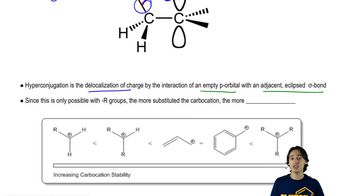
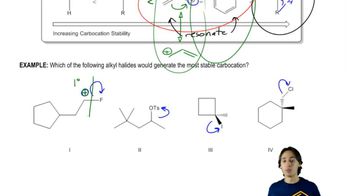
  • Determining Carbocation Stability
    05:58
  • Predicting the most stable carbocation
    01:21

Carbocation Intermediate Rearrangements

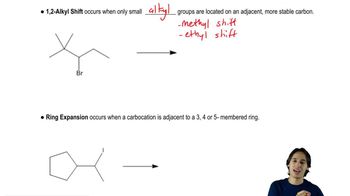
  • Alkyl Shift
    03:43
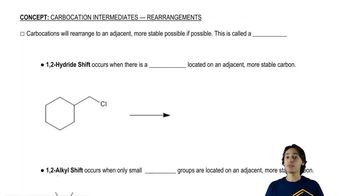
  • Understanding why carbocations shift.
    00:47
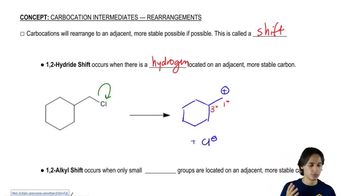
  • Hydride Shift
    03:34

Retrosynthesis

  • Intro
    01:07

Nucleophilic Addition

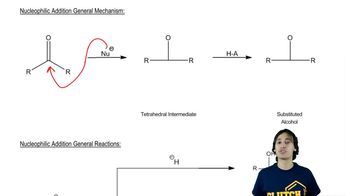
  • Nucleophilic Addition
    08:27

Electrophilic Aromatic Substitution

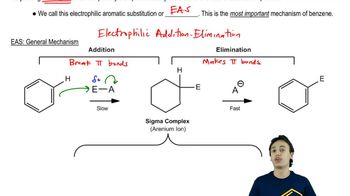
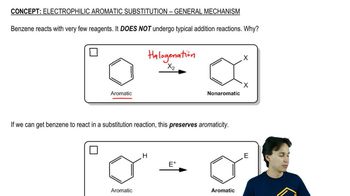
  • EAS General Mechanism
    06:52
  • EAS Review
    03:07

Nucleophilic Substitution

  • Predict the product
    05:55
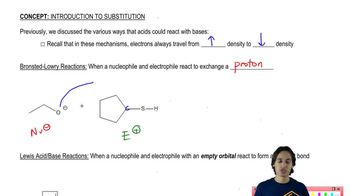
  • Nucleophiles and Electrophiles can react in Bronsted-Lowry Reactions.
    05:01
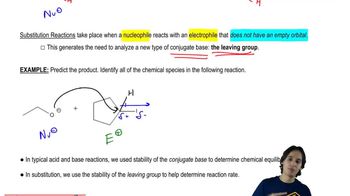
  • Nucleophiles and Electrophiles can react in Substitution Reactions.
    01:47

Good Leaving Groups

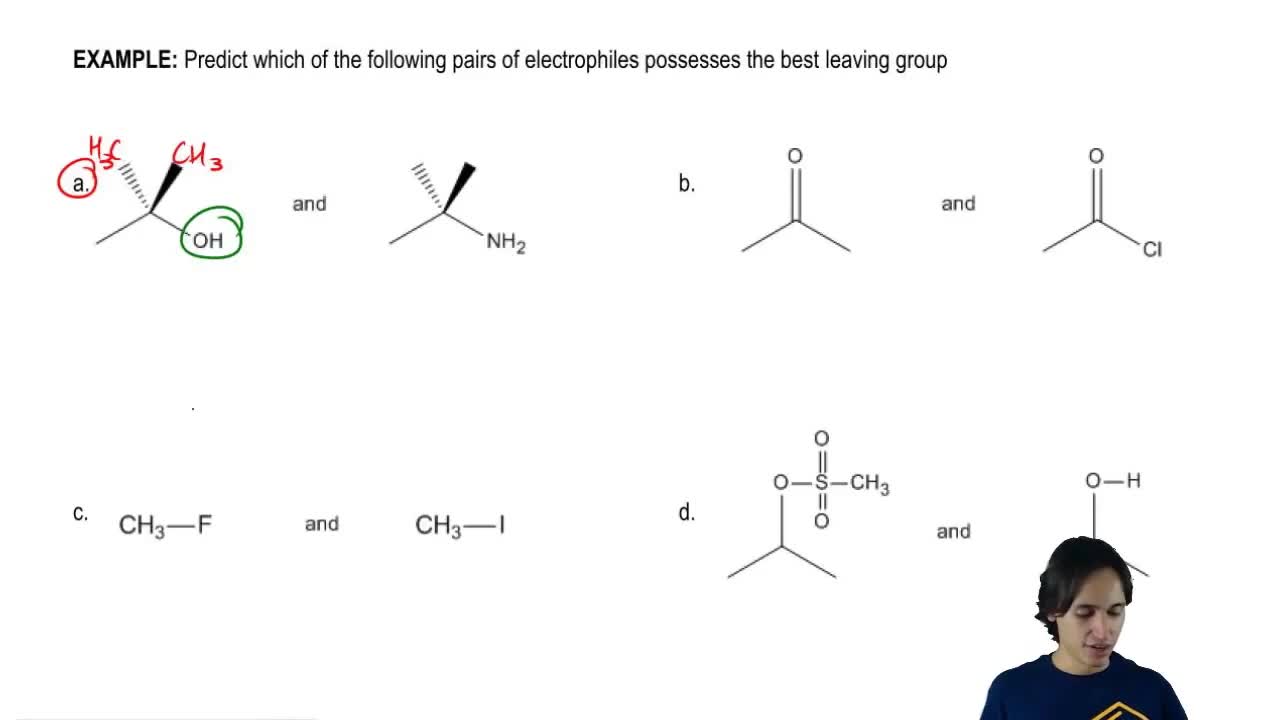
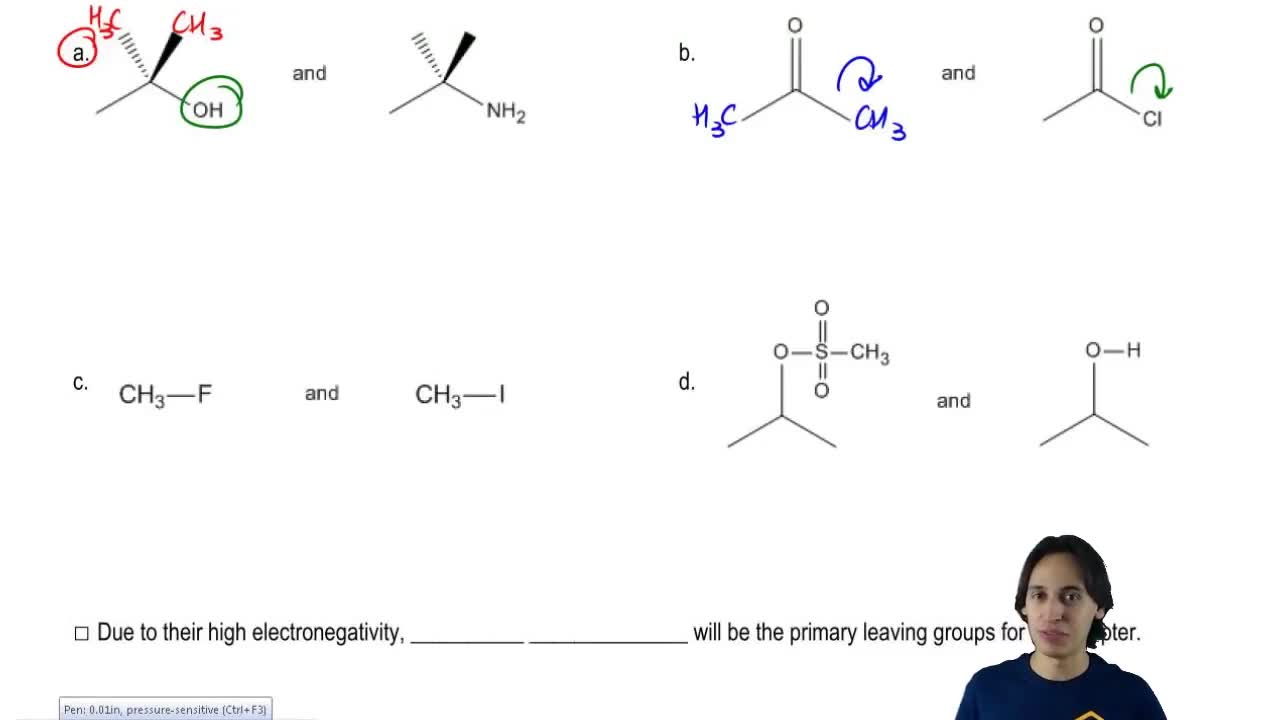
  • Predict the best leaving group
    00:50
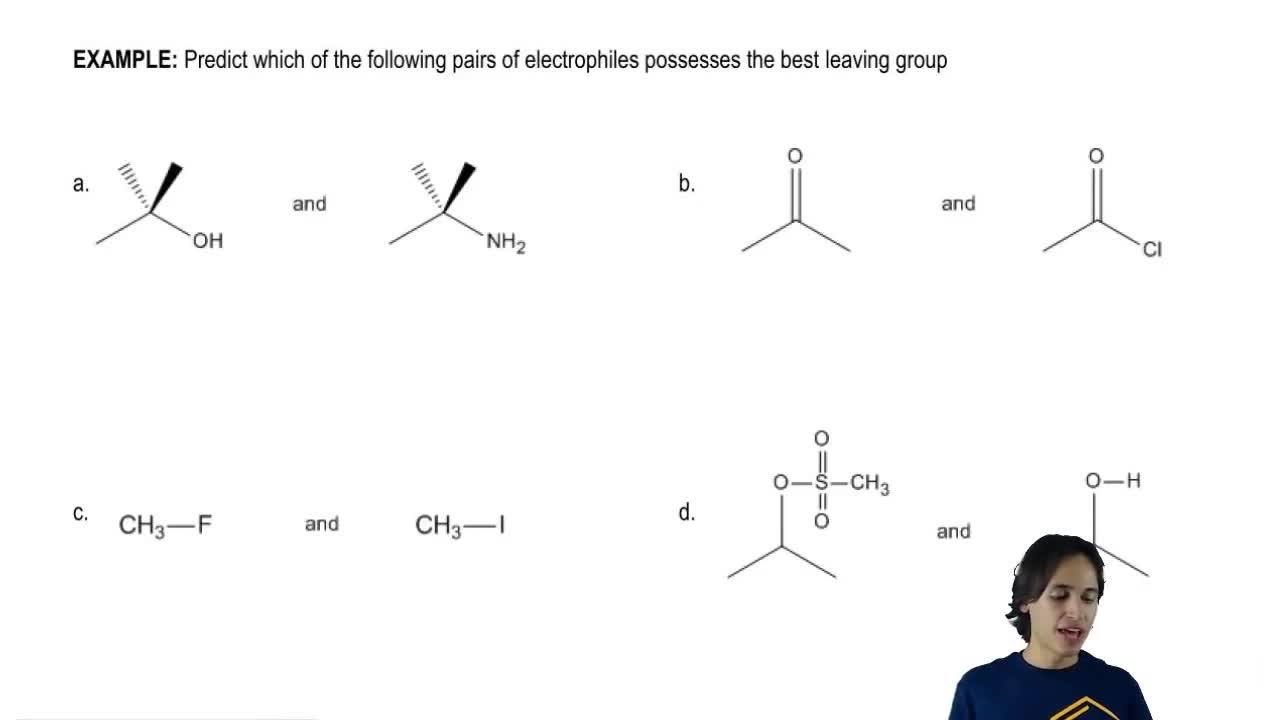
  • Predict the best leaving group
    01:12
  • Predict the best leaving group
    00:36

SN1 Reaction

  • Drawing the SN1 Mechanism
    10:49
  • Why highly substituted leaving groups favor SN1.
    01:13
  • Understanding the properties of SN1.
    08:16

SN2 Reaction

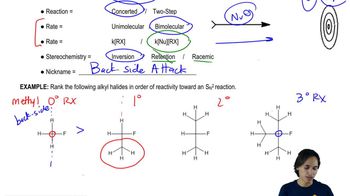
  • Ranking reactivity toward SN2
    04:03
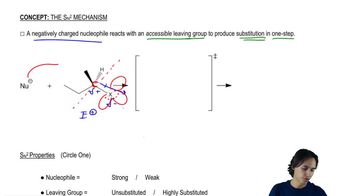
  • Drawing the SN2 Mechanism
    08:33
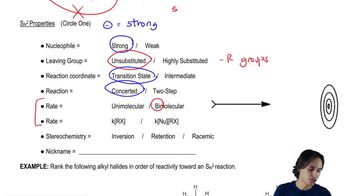
  • Understanding the properties of SN2.
    11:57

Solvents

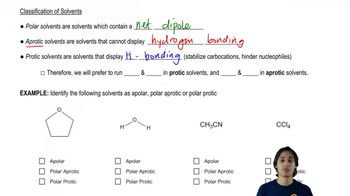
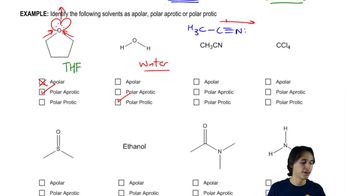
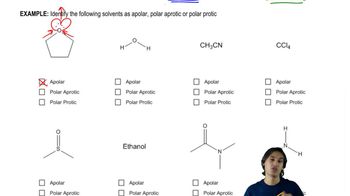
  • The difference between protic vs. aprotic solvents.
    03:57
  • Identification of polarity in solvents
    01:16
  • Identification of polarity in solvents
    00:39

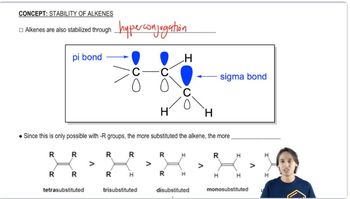
Alkene Stability

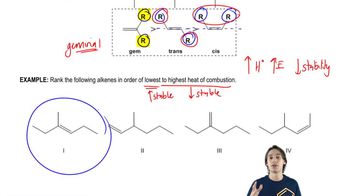
  • Heat of Combustion
    02:55
  • Understanding trends of alkene stability.
    04:28

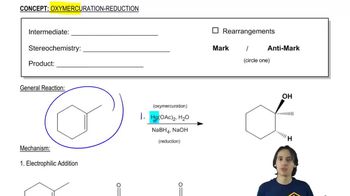
Oxymercuration

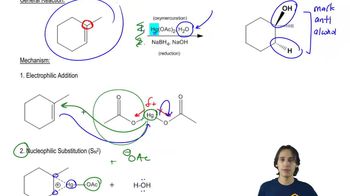
  • Acid-catalyzed oxymercuration-reduction mechanism
    09:01
  • General properties of oxymercuration-reduction.
    05:

Hydroboration

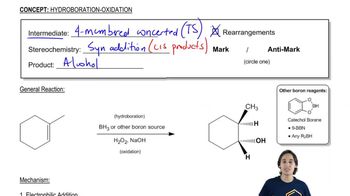
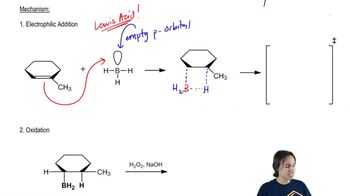
  • General properties of hydroboration-oxidation.
    06:38
  • Acid-catalyzed hydroboration-oxidation mechanism
    06:14

Epoxidation

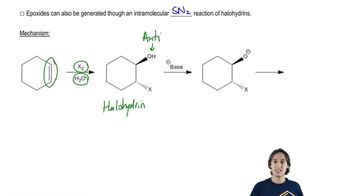
  • Halohydrins to epoxides via intramolecular SN2.
    02:26
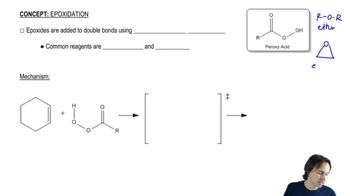
  • General properties of epoxidation.
    02:19
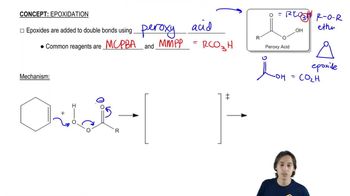
  • The mechanism of how peroxy acids make epoxides.
    03:19

Epoxide Reactions

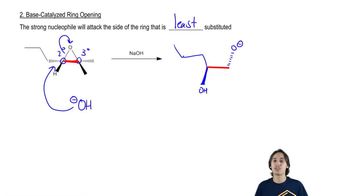
  • Base-Catalyzed Epoxide Ring-Opening
    04:44
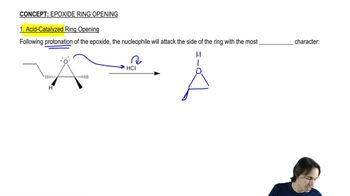
  • Acid-Catalyzed Epoxide Ring-Opening
    04:34

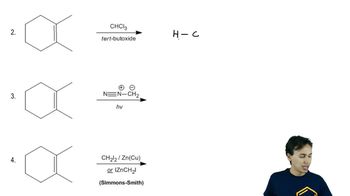
Carbene

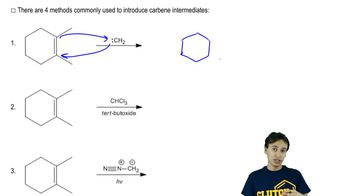
  • Reaction with a simple carbene.
    01:48
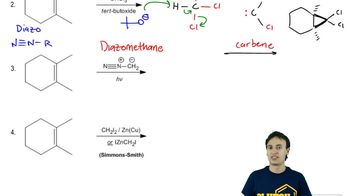
  • Reaction with diazomethane and light or heat.
    03:01
  • Reaction with chloroform (CHCl3) and tert-butoxide.
    03:04