뒤로

Structure and Preparation of Alkenes: Elimination Reactions

학습 가이드 - 영상으로 배우기

업로드한 자료에 맞춘 엄선된 수업 – 모든 주제를 단계별로 배워보세요.

Hybridization

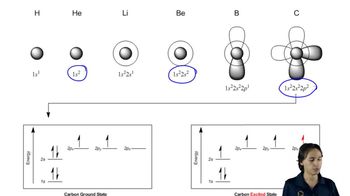
  • How carbon creates 4 partially-filled orbitals.
    02:53
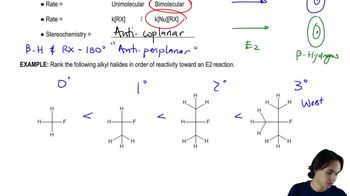
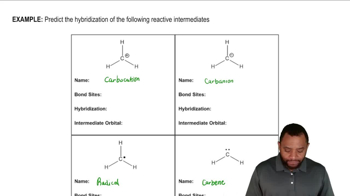
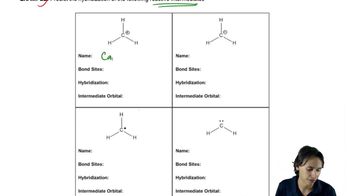
  • Bond sites, hybridization, and intermediate orbitals
    04:58
  • Introduction to the reactive intermediates.
    02:47

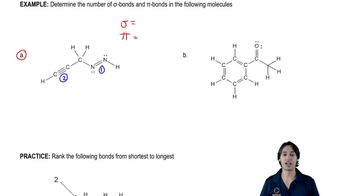
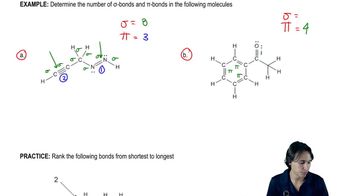
Sigma and Pi Bonds

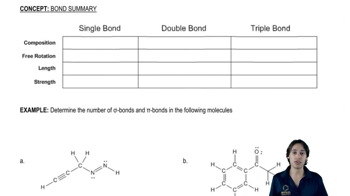
  • Single bonds, double bonds, and triple bonds.
    06:00
  • Sigma bonds and pi bonds
    01:05
  • Sigma bonds and pi bonds
    00:59

Hybridization

  • How carbon creates 4 partially-filled orbitals.
    02:53
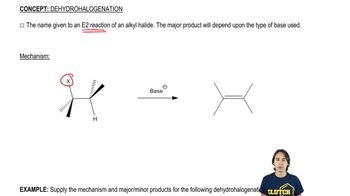
  • Bond sites, hybridization, and intermediate orbitals
    04:58
  • Introduction to the reactive intermediates.
    02:47

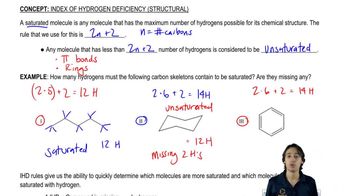
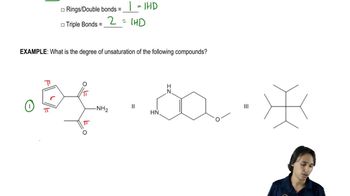
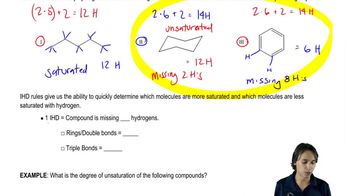
Index of Hydrogen Deficiency (Structural)

  • Is the following molecule saturated?
    00:30
  • What is the IHD of the following molecule?
    00:45
  • What index of hydrogen deficiency is.
    01:15

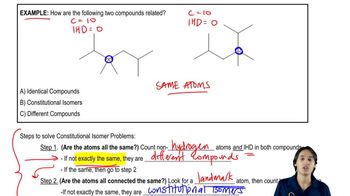
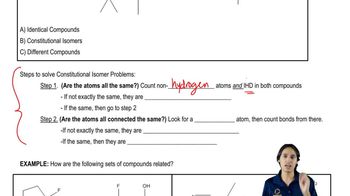
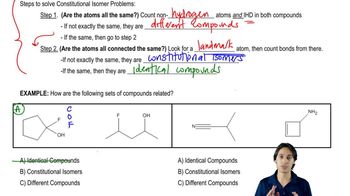
Constitutional Isomers

  • Isomeric Relationships
    03:28
  • Using the flowchart to determine isometric relationships.
    05:02
  • Isomeric Relationships
    02:56

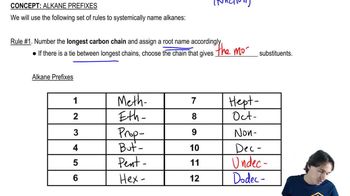
Alkane Nomenclature

  • Naming the root chain
    01:02
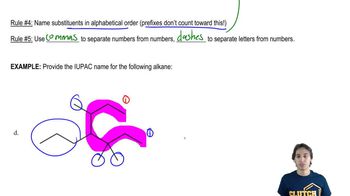
  • Provide the IUPAC name for the following alkane
    07:08
  • The different parts of an IUPAC name
    03:43
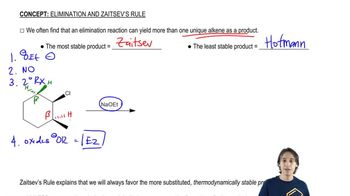
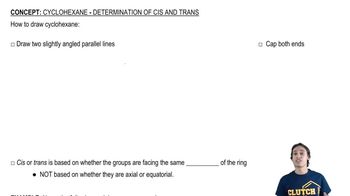
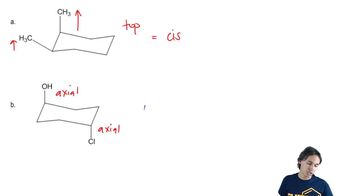
Cis vs Trans Conformations

  • Is the following cyclohexane cis or trans?
    00:44
  • How to draw chairs.
    01:18
  • Is the following cyclohexane cis or trans?
    00:27

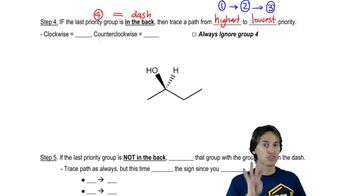
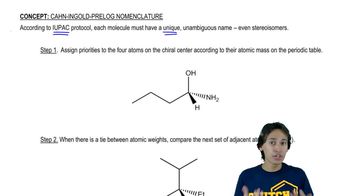
Cahn-Ingold-Prelog Nomenclature

  • R and S Naming- Step 4
    03:07
  • Why stereoisomers need their own naming system.
    01:48
  • Determining Priorities
    01:19

Intermolecular Forces

  • How dipole-dipole forces work.
    01:46
  • How IMFs are related to melting and boiling points.
    03:08
  • How Van der Waals forces work.
    03:01

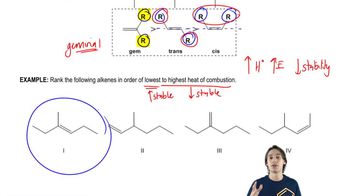
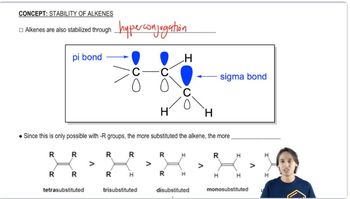
Alkene Stability

  • Heat of Combustion
    02:55
  • Understanding trends of alkene stability.
    04:28

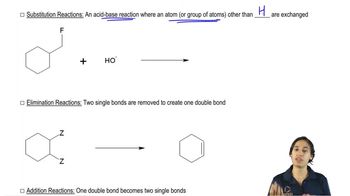
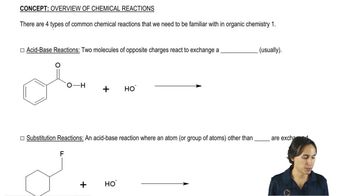
Overview of Chemical Reactions

  • Recognizing Substitution Reactions.
    01:34
  • Recognizing Acid-Base Reactions.
    02:43
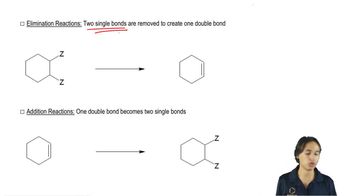
  • Recognizing Elimination Reactions.
    00:40

The E1 Mechanism

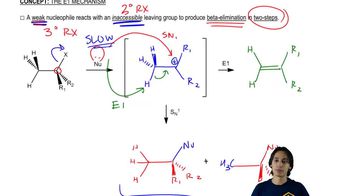
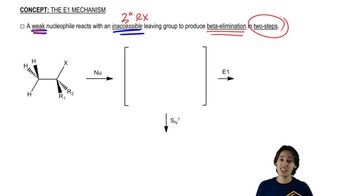
  • Understanding the properties of E1.
    03:32
  • Drawing the E1 Mechanism.
    08:09

E2 Mechanism

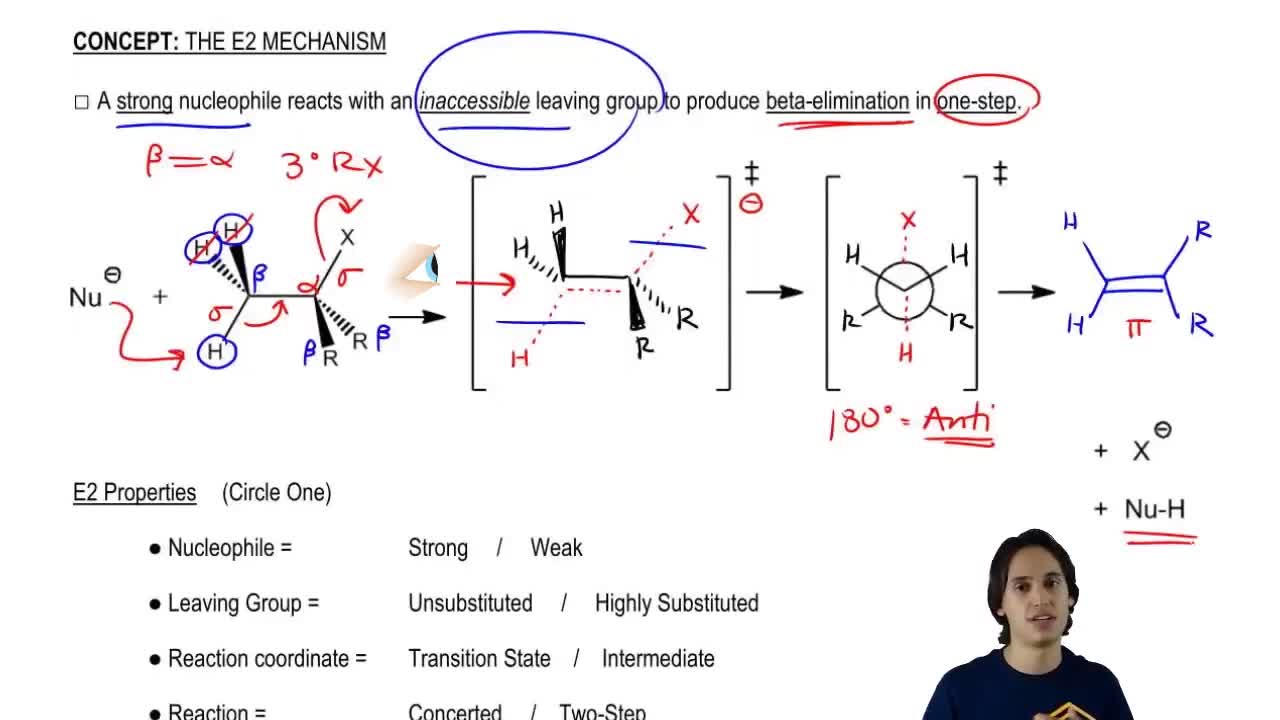
  • Understanding the properties of E2.
    04:42
  • Drawing the E2 Mechanism.
    09:36
  • Rank reactivity toward E2
    02:03

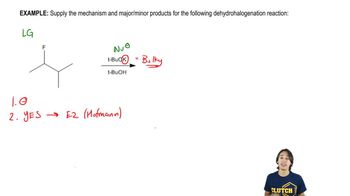
Dehydrohalogenation

  • The dehydrohalogenation mechanism.
    03:02
  • Dehydrohalogenation mechanism and products
    04:35

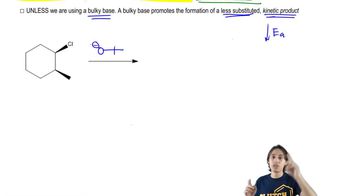
Zaitsev Rule

  • Hofmann product
    02:39
  • Defining Zaitsev’s Rule
    01:18
  • Zaitsev product
    07:01

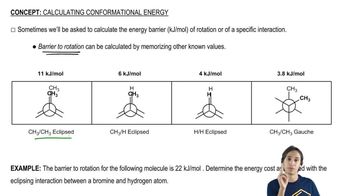
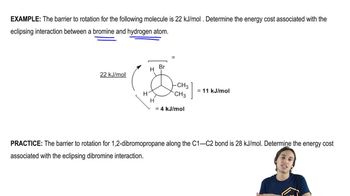
Barrier To Rotation

  • 4 Values You Should Memorize
    02:54
  • Determining energy cost of eclipsed interaction
    03:00

Cumulative Substitution/Elimination

  • Intro to Substitution/Elimination Problems
    00:38