뒤로

ch 7 Structure and Synthesis of Alkenes: Comprehensive Study Notes

학습 가이드 - 영상으로 배우기

업로드한 자료에 맞춘 엄선된 수업 – 모든 주제를 단계별로 배워보세요.

Hybridization

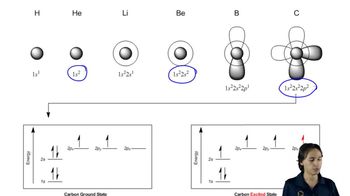
  • How carbon creates 4 partially-filled orbitals.
    02:53
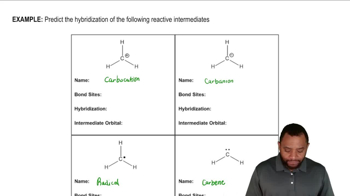
  • Bond sites, hybridization, and intermediate orbitals
    04:58
  • Introduction to the reactive intermediates.
    02:47

Alkane Nomenclature

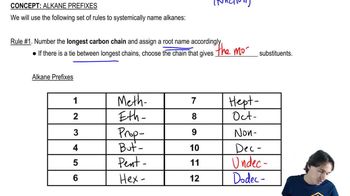
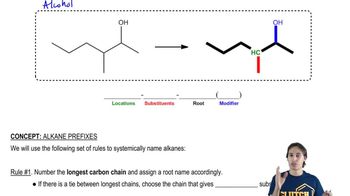
  • Naming the root chain
    01:02
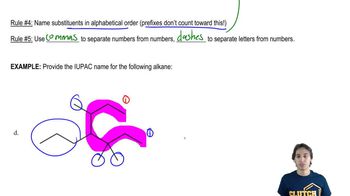
  • Provide the IUPAC name for the following alkane
    07:08
  • The different parts of an IUPAC name
    03:43
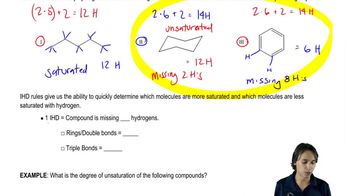
Index of Hydrogen Deficiency (Structural)

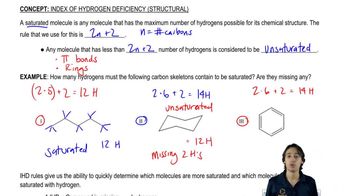
  • Is the following molecule saturated?
    00:30
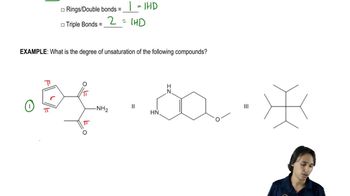
  • What is the IHD of the following molecule?
    00:45
  • What index of hydrogen deficiency is.
    01:15

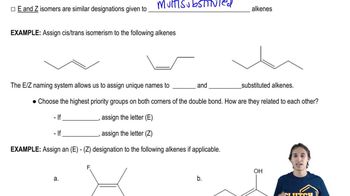
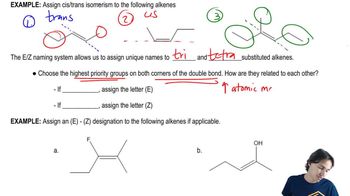
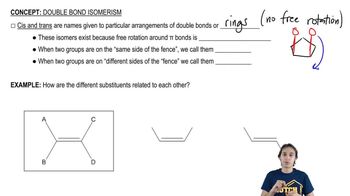
Cis vs Trans

  • Why we need to use the E/Z naming system
    02:07
  • What does E and Z stand for?
    00:50
  • How to name different types of double bonds or rings
    04:28

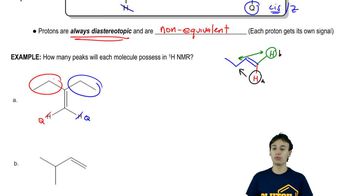
1H NMR:E/Z Diastereoisomerism

  • Determining Diastereoisomerism
    01:38
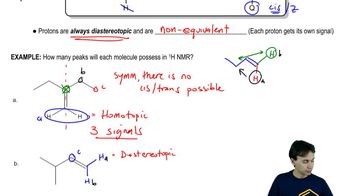
  • Determining Diastereoisomerism
    02:40
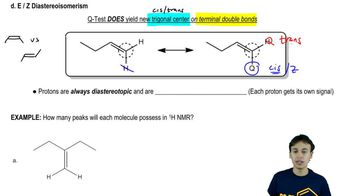
  • E/Z Diastereoisomerism
    03:48

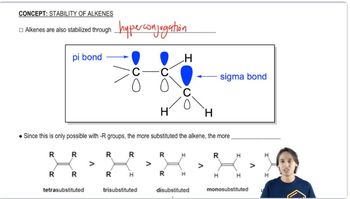
Alkene Stability

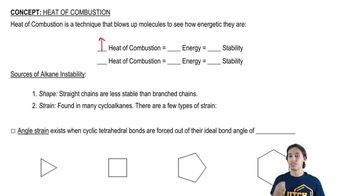
  • Heat of Combustion
    02:55
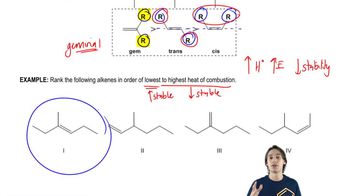
  • Understanding trends of alkene stability.
    04:28

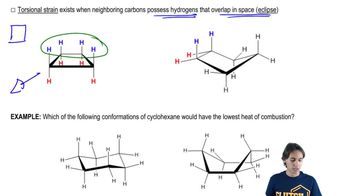
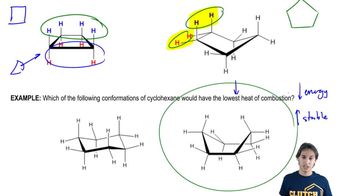
Ring Strain

  • Understanding Heat of Combustion
    01:11
  • What is torsional strain?
    02:00
  • Lowest Heat of Combustion
    02:34

Alkene Stability

  • Heat of Combustion
    02:55
  • Understanding trends of alkene stability.
    04:28

Free Radical Polymerization

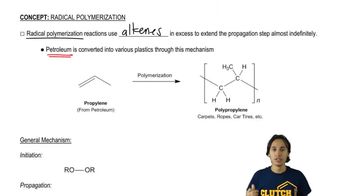
  • General features of Radical Polymerization.
    02:44
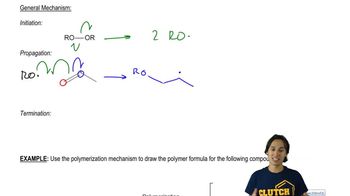
  • The mechanism of Radical Polymerization.
    03:28
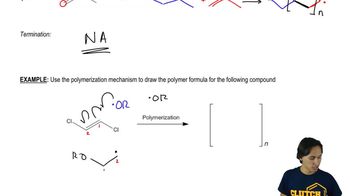
  • Use the polymerization mechanism to draw the polymer formula for the following compound.
    02:20

Intermolecular Forces

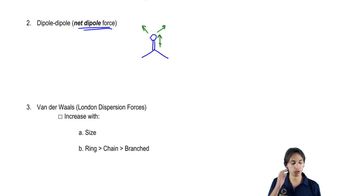
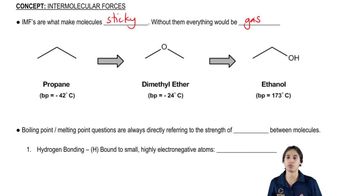
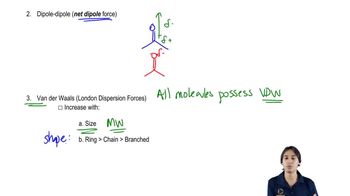
  • How dipole-dipole forces work.
    01:46
  • How IMFs are related to melting and boiling points.
    03:08
  • How Van der Waals forces work.
    03:01

Gibbs Free Energy

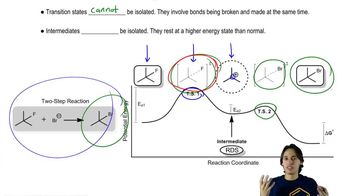
  • Intermediates vs. Transition States
    06:55
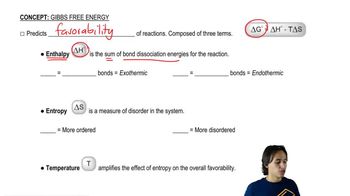
  • Breaking down the different terms of the Gibbs Free Energy equation.
    05:02

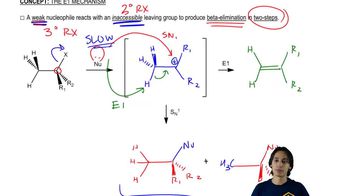
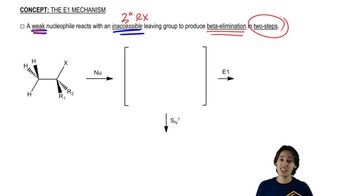
The E1 Mechanism

  • Understanding the properties of E1.
    03:32
  • Drawing the E1 Mechanism.
    08:09

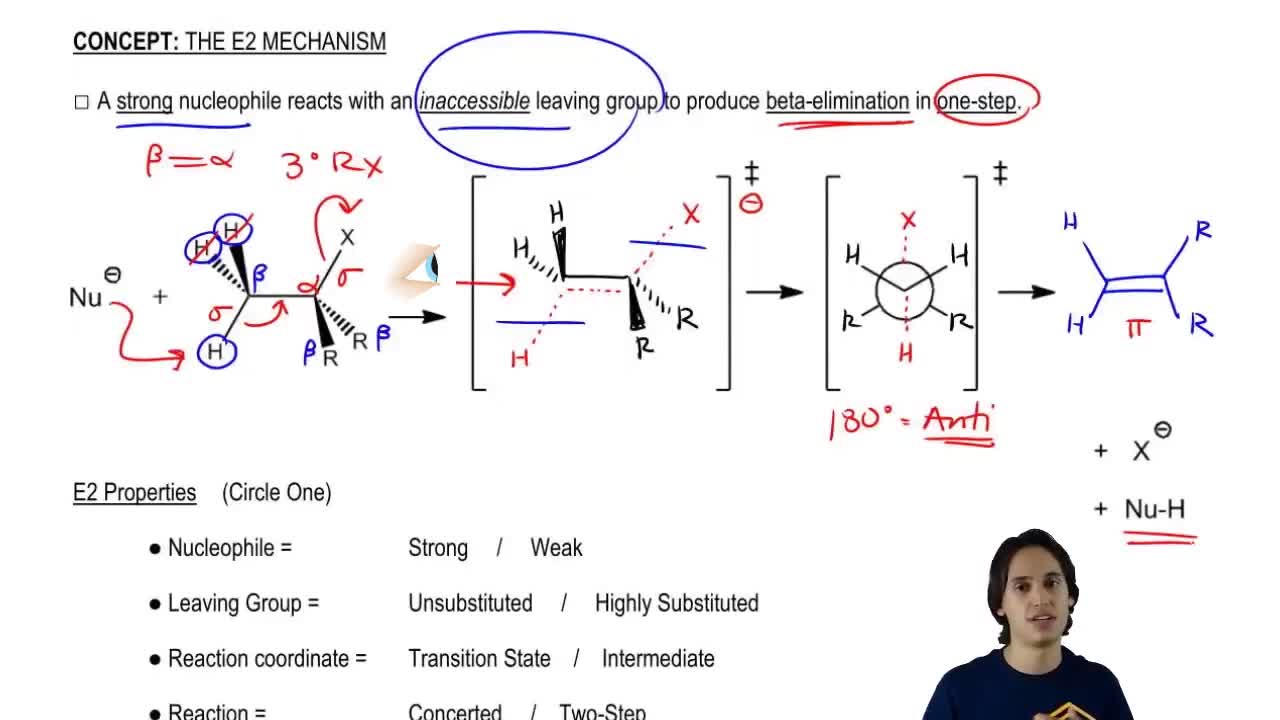
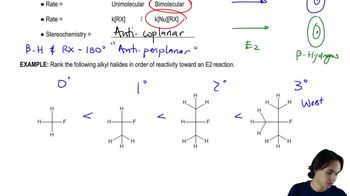
E2 Mechanism

  • Understanding the properties of E2.
    04:42
  • Drawing the E2 Mechanism.
    09:36
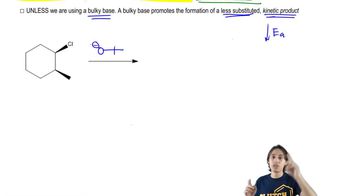
  • Rank reactivity toward E2
    02:03

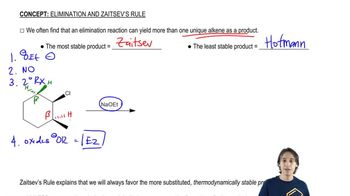
Zaitsev Rule

  • Hofmann product
    02:39
  • Defining Zaitsev’s Rule
    01:18
  • Zaitsev product
    07:01

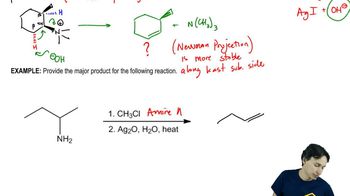
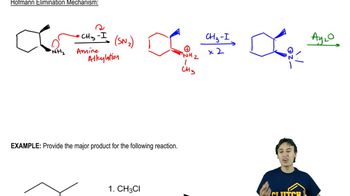
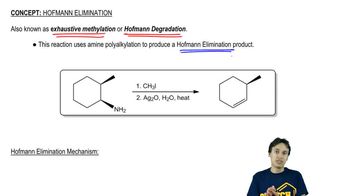
Hofmann Elimination

  • Provide the Major Product
    01:14
  • Mechanism
    06:45
  • General Reaction
    03:22

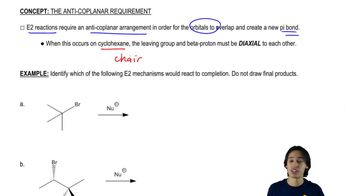
The Anti-Coplanar Requirement

  • The Anti-Coplanar Requirement
    03:19
  • Identify the completion of E2 mechanisms
    03:39
  • Identify the completion of E2 mechanisms
    01:09

Substitution Comparison

  • How do we predict if the mechanism is SN1 or SN2?
    03:32

Dehydration Reaction

  • Dehydration of 1° alcohols:The E2 Mechanism
    05:20
  • An extra note of caution with 1° alcohols.
    01:06
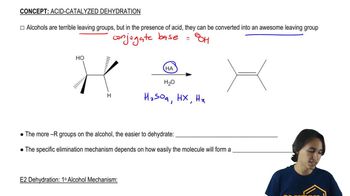
  • General features of acid-catalyzed dehydration.
    06:01