Skip to main content
Organic Chemistry
나의 코스
배우기
시험 준비
AI 튜터
학습 가이드
교과서적 해결책
플래시카드
탐험해 보세요
앱을 사용해 보세요
나의 코스
배우기
시험 준비
AI 튜터
학습 가이드
교과서적 해결책
플래시카드
탐험해 보세요
앱을 사용해 보세요
뒤로
Unit 3: Bonding to Pi Reactivity – Organic Chemistry 1 Study Notes
주석
실무
비디오 수업
학습 가이드 - 영상으로 배우기
업로드한 자료에 맞춘 엄선된 수업 – 모든 주제를 단계별로 배워보세요.
Hybridization
주제로 이동
02:53
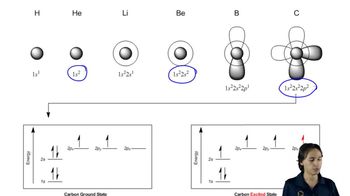
How carbon creates 4 partially-filled orbitals.
Johnny Betancourt
5084
views
48
rank
1
comments
04:58
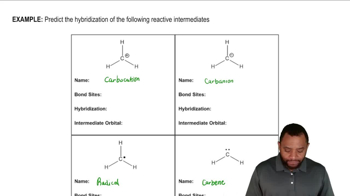
Bond sites, hybridization, and intermediate orbitals
Johnny Betancourt
4402
views
60
rank
26
comments
02:47
Introduction to the reactive intermediates.
Johnny Betancourt
4024
views
29
rank
2
comments
더 많은 영상 (2)
Molecular Orbital Theory
주제로 이동
03:25
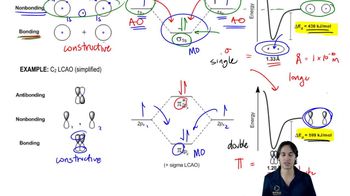
Sigma bond vs. pi bond, which is stronger?
Johnny Betancourt
5471
views
107
rank
16
comments
02:19
What’s the difference between sigma and pi bonds?
Johnny Betancourt
7161
views
110
rank
10
comments
11:25
What’s the difference between atomic and molecular orbitals?
Johnny Betancourt
5515
views
68
rank
20
comments
Sigma and Pi Bonds
주제로 이동
06:00
Single bonds, double bonds, and triple bonds.
Johnny Betancourt
7261
views
76
rank
9
comments
01:05
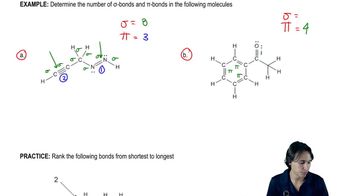
Sigma bonds and pi bonds
Johnny Betancourt
5406
views
65
rank
3
comments
00:59
Sigma bonds and pi bonds
Johnny Betancourt
5371
views
63
rank
5
comments
Resonance Structures
주제로 이동
03:24
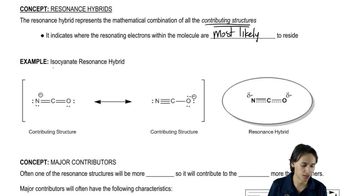
How to draw a resonance hybrid.
Johnny Betancourt
5318
views
57
rank
8
comments
03:34
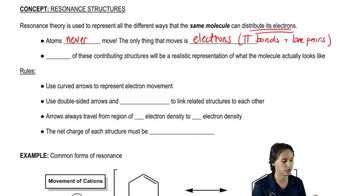
The rules you need for resonance:
Johnny Betancourt
7847
views
148
rank
12
comments
01:32
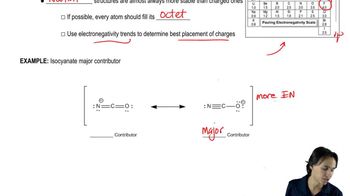
How to determine which structure is most stable.
Johnny Betancourt
4134
views
50
rank
5
comments
더 많은 영상 (7)
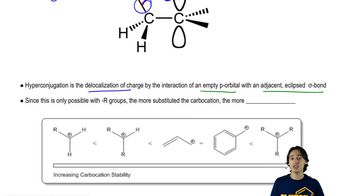
Carbocation Intermediates – Stability
주제로 이동
05:58
Determining Carbocation Stability
Johnny Betancourt
5196
views
25
rank
12
comments
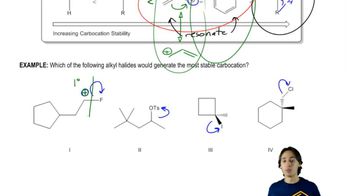
01:21
Predicting the most stable carbocation
Johnny Betancourt
4275
views
53
rank
17
comments
Electrophilic Aromatic Substitution
주제로 이동
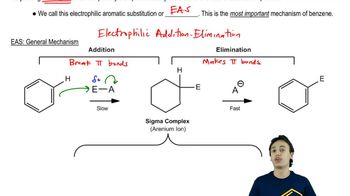
06:52
EAS General Mechanism
Johnny Betancourt
3439
views
81
rank
8
comments
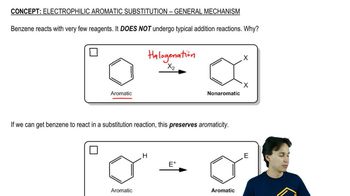
03:07
EAS Review
Johnny Betancourt
4105
views
56
rank
4
comments
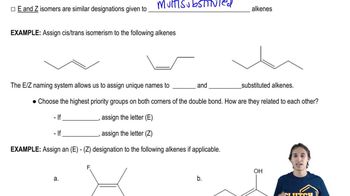
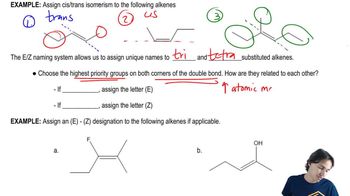
Cis vs Trans
주제로 이동
02:07
Why we need to use the E/Z naming system
Johnny Betancourt
5310
views
57
rank
7
comments
00:50
What does E and Z stand for?
Johnny Betancourt
4931
views
42
rank
2
comments
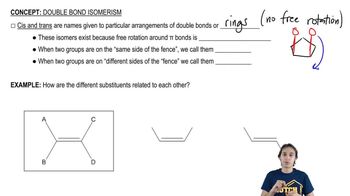
04:28
How to name different types of double bonds or rings
Johnny Betancourt
6450
views
72
rank
10
comments
더 많은 영상 (2)
Reaction Mechanism
주제로 이동
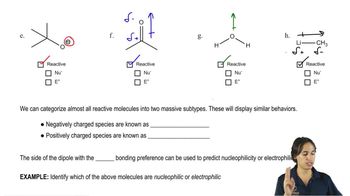
02:39
How to tell if charged molecules will react as nucleophiles or electrophiles.
Johnny Betancourt
4788
views
31
rank
4
comments
01:49
Nucleophile or Electrophile
Johnny Betancourt
4838
views
39
rank
11
comments
02:48
How to tell if uncharged molecules will react as nucleophiles or electrophiles.
Johnny Betancourt
4283
views
32
rank
7
comments
더 많은 영상 (13)
 뒤로
뒤로 업로드한 자료에 맞춘 엄선된 수업 – 모든 주제를 단계별로 배워보세요.
 02:53
02:53