 뒤로
뒤로Spirituality and Personal Health: Study Guide
스터디 가이드 - 스마트 노트
 자료에 맞춘 맞춤형 노트, 핵심 정의, 예시, 맥락을 확장해 제공합니다.
Spiritual Dimension in Health
Relationship of Body, Mind, and Spirit
The spiritual dimension is a fundamental aspect of health, closely linked to medicine and religion throughout history. It encompasses the interconnectedness of the body, mind, and spirit, influencing overall well-being. - Spiritual needs include the need for meaning and purpose, love and relatedness, and forgiveness. - Early civilizations recognized the importance of spiritual health in medical practice. 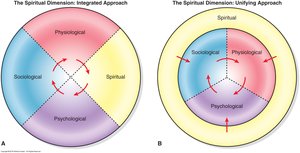
Meeting Patient’s Spiritual Needs
Healthcare providers play a vital role in addressing patients' spiritual needs, especially during illness and suffering. - Compassionate presence is essential for supporting patients. - Assisting patients in finding meaning and purpose in adversity. - Fostering nurturing relationships and facilitating the expression of spiritual beliefs.
Spirituality: Definitions and Expressions
Understanding Spirituality
Spirituality refers to a person's relationship with a nonmaterial being or higher power, often described as "connectedness." - Experienced as a unifying force, life principle, or essence of being. - Expressed through connectedness with nature, the environment, the cosmos, and other people. - Shapes self-becoming and is reflected in being, knowing, and doing. - Provides purpose, meaning, strength, and guidance throughout life.
Faith and Its Aspects
Faith is a confident belief in something without material evidence, which may involve a person, idea, or thing. - Aspects of faith include unity of the human family, sacredness of individuals, values of community, and belief in love and compassion. - Faith can be classified as:
Atheist: Denies existence of a higher power.
Agnostic: Holds that nothing can be known about the existence of a higher power.
Religion and Health
Influence of Religion on Health
Religion can directly affect an individual's response to illness, self-care practices, diet, birth/death rituals, gender roles, and moral codes.
Hope and Love
Hope is a positive outlook that allows individuals to embrace suffering without avoidance. Love is a basic human need essential for spiritual health and well-being.
Spiritual Health and Healing
Spiritual health exists when universal spiritual needs are met, including personal faith, spiritual contentment, and religious practices. Spiritual healing is the movement toward integration and wholeness. 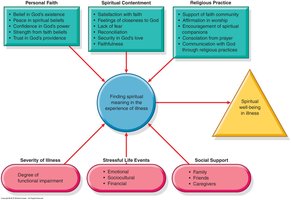
Spirituality in Everyday Living
Spiritual Beliefs and Practices
Spiritual beliefs influence all aspects of life, including health and illness. - Cultivating love for oneself, others, a higher being, and nature. - Developing wisdom to find meaning, maintain relationships, and cope with suffering. - Practices such as worship, prayer, meditation, and singing foster awareness of the sacred. - Respecting connectedness among humans while acknowledging differences.
Spirituality, Health, and Illness
Spirituality guides daily living habits, provides support, and serves as a source of strength and healing. - Religious affiliation promotes healthy behaviors and offers social support. - Participation in worship and prayer can have positive physiological effects. - Mystical experiences may activate healing bioenergy or altered states of consciousness.
Factors Affecting Spirituality
Developmental and Social Influences
Understanding of spiritual beliefs increases with cognitive development. - Family and ethnic background shape spiritual and religious approaches. - Life events, both positive and negative, impact spirituality. 
Central Themes in Children’s Descriptions of God
- God is seen as working through human intimacy and interconnectedness. - Belief in God’s involvement in self-change and growth. - God is attributed with expansive power, sometimes causing anxiety. - The image of light is a common theme.
Formal Religion Characteristics
Key Features of Formal Religion
- Basis of authority or source of power. - Scripture or sacred word. - Ethical code defining right and wrong. - Group psychology and identity. - Aspirations and expectations. - Ideas about what follows death.
Religion, Law, Ethics, and Medicine
Some religious groups may challenge modern medicine, potentially resulting in refusal of treatment or insistence on continued care despite medical futility.
Parish Nursing
Role and Impact of Parish Nursing
Parish nursing seeks to reclaim the church’s role in healing, emphasizing the impact of spirituality, caring relationships, and balanced living on health. 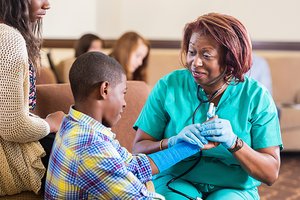
Roles of a Parish Nurse
- Interpreting the relationship between faith and health. - Promoting personal responsibility for health and wellness. - Serving as health counselors and educators. - Acting as advocates for those with limited resources. - Recruiting and training volunteers. - Visiting church members and initiating caring relationships.
Spiritual Assessment and Enhancement
HOPE Assessment
The HOPE assessment framework evaluates sources of hope, meaning, comfort, strength, peace, love, and connection, as well as organized religion, personal spirituality, and effects on medical care and end-of-life issues.
Focused Assessment Guide
- Assess spiritual beliefs, practices, and their relation to everyday living. - Identify spiritual deficits or distress and needs for meaning, love, and forgiveness. - Observe significant behavioral indicators.
Enhancing Spiritual Health
- Identify beliefs that meet needs for meaning, love, and forgiveness. - Derive strength, hope, and comfort from these beliefs during crises. - Develop spiritual practices that nurture communion with self, God, and the world. - Express satisfaction with compatibility of spiritual beliefs and daily life.
Addressing Spiritual Distress
- Explore origins of beliefs and practices. - Identify life factors challenging spiritual beliefs. - Explore alternatives and identify spiritual supports. - Report or demonstrate decreased spiritual distress after intervention.
Ethical and Professional Boundaries
Maintaining Boundaries in Spiritual Care
- Respect others’ beliefs and keep spiritual history patient-centered. - Recognize pastoral care as the expert. - Proselytizing is not acceptable in professional settings. - Refer for in-depth spiritual counseling to faith leaders.
Facilitating Religious Practice
Supporting Patients’ Religious Needs
- Familiarize patients with pastoral/religious services. - Respect privacy during prayer. - Assist in obtaining devotional objects and sacraments. - Accommodate dietary restrictions and arrange faith leader visits if requested.
Nurturing Spirituality
Promoting Meaning, Love, and Forgiveness
- Promote meaning and purpose. - Foster love and relatedness. - Encourage forgiveness. 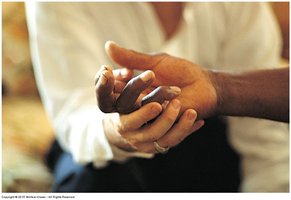
Prayer and Spiritual Counseling
Prayer in Healthcare
- Allow patients to initiate prayer. - Consider patient’s background and specific requests. - Be prepared for deep emotional responses. - Praying for patients can link to physical, mental, and spiritual health.
Counseling Patients Spiritually
- Articulate spiritual beliefs. - Explore origins and challenges to beliefs. - Develop beliefs that meet needs for meaning, care, and forgiveness.
Resolving Conflict and Conscientious Objection
Conflict Between Medicine and Spiritual Beliefs
- Conflict may arise between medical recommendations and patient beliefs. - The healthcare provider’s role is to provide resources and support informed decisions. 
Religion and Conscientious Objection
- Healthcare providers may have the right to object to certain procedures based on religious beliefs, depending on state laws and guidelines.
Summary Table: Spirituality and Health
Aspect | Influence on Health |
|---|---|
Spirituality | Provides meaning, purpose, strength, and guidance |
Faith | Promotes hope, optimism, and positive experiences |
Religion | Shapes health behaviors, offers social support, and influences medical decisions |
Parish Nursing | Integrates spiritual care with health counseling and advocacy |
Prayer | Supports physical, mental, and spiritual health |
Ethics | Guides professional boundaries and conscientious objection |
Additional info: Academic context was added to clarify the role of spirituality in health, the impact of faith and religion, and the ethical boundaries in healthcare practice.
