 뒤로
뒤로Sociocultural Foundations in Kinesiology: Introduction and Course Structure
스터디 가이드 - 스마트 노트
 자료에 맞춘 맞춤형 노트, 핵심 정의, 예시, 맥락을 확장해 제공합니다.
Introduction to Sociocultural Foundations in Kinesiology
Course Overview
KINE 1001 introduces students to the sociocultural foundations of kinesiology, emphasizing the ways in which human movement, sport, and physical activity are shaped by social, cultural, political, and historical forces. The course adopts a critical perspective, asserting that no individual exists outside of society, and that our bodies and practices are influenced by various social categories and structures.
Sociocultural Perspective: Examines how society, culture, and history shape physical activity and the body.
Social Body: The concept that individuals are trained into socially approved roles and practices based on factors such as gender, age, race, ethnicity, ability, and class.
Intersectionality: Recognizes that multiple social identities interact to influence experiences in kinesiology and society.
Additional info: This approach aligns with foundational topics in sociology, such as socialization, social stratification, and the influence of culture on individual behavior.
Course Relevance to Sociology
The course content is directly relevant to the following Introduction to Sociology topics:
Culture: How cultural norms and values shape physical activity and body practices.
Society and Social Interaction: The role of social structures in organizing sport and movement.
Socialization and the Life Course: How individuals learn and internalize roles related to physical activity.
Social Stratification: The impact of class, race, gender, and ability on access to and participation in physical activity.
Course Structure and Key Policies
Teaching Team and Contact Information
The course is supported by a diverse teaching team, including course directors, tutorial coordinators, and teaching assistants. Students are encouraged to reach out professionally for academic support.
Role | Name/Contact | Details |
|---|---|---|
Course Coordinator and Director | Dr. Yuka Nakamura Email: nakamura@yorku.ca | Office Hours: TBA via eClass or by appointment |
Course Director | Dr. Tammy George Email: georget@yorku.ca | Office Hours: By appointment only |
General Inquiries | kine1001@yorku.ca | |
Tutorial Coordinator | Marika Wildeboer Email: marikaw@yorku.ca | 306 Stong College |
Administration Teaching Assistant | Samantha Burelle | |
Tutorial Leaders (TLs) | Office hours and contact info posted on eClass and 306 Stong College | |

Course Schedule and Key Dates
The course follows a structured schedule with lectures, tutorials, and key academic deadlines. Students are expected to participate actively and keep track of important dates such as reading week, exams, and assignment deadlines.

Course Evaluation
Assessment in KINE 1001 is based on a combination of quizzes, in-tutorial tests, mind mapping/summary tests, tutorial participation, and a final exam. Academic integrity is strictly enforced, and students must complete all modules and assessments as outlined in the syllabus.
Assessment Item | Percentage of Final Grade | Due Date(s) |
|---|---|---|
SPARK Note Taking Module | 1% | Friday, September 11, 2026 |
SPARK Effective Reading Module | 1.5% | Friday, September 18, 2026 |
SPARK Academic Integrity Module | 2.5% | Friday, September 25, 2026 |
In-Tutorial Tests | 30% (2x15%) | Weeks of October 5, November 9, 2026 |
Mind Mapping/Summary Tests | 30% (2x15%) | Weeks of October 5, November 9, 2026 |
Tutorial Participation | 10% | Weekly tutorials |
Final December Exam | 25% | Date and Time TBD |

Course and Institutional Policies
Academic Integrity: Zero-tolerance policy for breaches. Students must be familiar with the university’s academic honesty policy.
Attendance: Tutorials are mandatory and contribute to the participation grade.
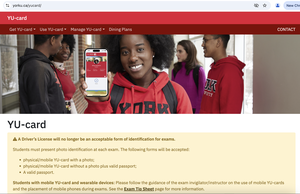
Identification: Students must present a valid YU-Card for all in-tutorial tests and exams. Driver’s licenses are not accepted as identification.
Sociocultural Foundations: The Social Body
Understanding the Social Body
The concept of the social body refers to the idea that our bodies are not just biological entities but are shaped by social expectations, norms, and practices. Society categorizes and trains individuals into roles based on visible and invisible markers such as gender, age, race, ability, and class.
Socialization: The process by which individuals learn and internalize the values, beliefs, and norms of their culture, including those related to physical activity and body image.
Role of Culture: Cultural standards influence what is considered an 'acceptable' or 'ideal' body and how bodies should move or perform.
Intersectionality: Multiple social identities (e.g., gender, race, ability) intersect to shape unique experiences in sport and physical activity.
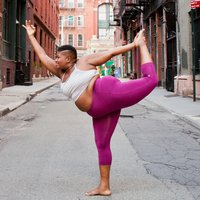

Example: A yoga practitioner and a weightlifter may both be physically active, but their experiences and societal perceptions are shaped by their body type, gender, and cultural context.
Course Participation and Success Strategies
Expectations and Resources
Active Participation: Students are expected to attend all tutorials, participate in discussions, and complete all assignments on time.
SPARK Modules: Early completion of note-taking, effective reading, and academic integrity modules is required for success.
Support: The teaching team is available for academic support; students should communicate professionally and respect response times.
Key Takeaways
Read the syllabus thoroughly and refer to it regularly.
Engage with course materials and participate in all scheduled activities.
Understand and adhere to academic integrity policies.
Utilize your YU-Card for all assessments and exams.
