Ch. 1 - Introduction to Statistics
Triola - Elementary Statistics 14th Edition
Triola14th EditionElementary StatisticsISBN: 9780137366446당신이 사용하는 게 아니라요?교과서 변경
1장, 문제 1.3.8d

Sampling Method Assume that the population consists of all students currently in your statistics class. Describe how to obtain a sample of six students so that the result is a sample of the given type.


d. Cluster sample

검증된 단계별 안내
1
Identify clusters within the population. In this case, clusters could be based on natural groupings such as seating arrangements, project groups, or any other logical division within the class.
Ensure that each cluster is a mini-representation of the entire population. For example, if the class is divided into groups for projects, each group should ideally have a mix of students with different characteristics (e.g., different levels of understanding, different backgrounds).
Randomly select one or more clusters from the identified clusters. This can be done using a random number generator or drawing names from a hat, ensuring that the selection process is unbiased.
Once a cluster is selected, include all students from that cluster in the sample. For instance, if you randomly select a project group, all members of that group become part of your sample.
Verify that the total number of students in the selected clusters equals the desired sample size. If the selected cluster(s) contain more than six students, you may need to adjust the number of clusters or the selection process to meet the sample size requirement.

비슷한 문제에 대한 검증된 영상 답변:

이 영상 해법은 위 문제에 도움이 된다고 튜터들이 추천한 것입니다.
영상 길이:
2m
도움이 되었나요?

주요 개념

질문에 올바르게 답하기 위해 반드시 이해해야 하는 핵심 개념들은 다음과 같습니다.

Cluster Sampling

Cluster sampling is a method where the population is divided into groups, or clusters, and a random sample of these clusters is selected. All individuals within the chosen clusters are then included in the sample. This approach is useful when the population is naturally divided into groups, such as classes or geographical areas, and can reduce costs and time associated with data collection.
추천 영상:
05:11
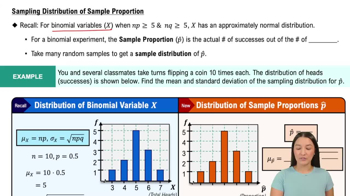
Sampling Distribution of Sample Proportion

Population and Sample

In statistics, the population refers to the entire group that is the subject of a study, while a sample is a subset of the population selected for analysis. Understanding the distinction between these two is crucial, as the sample should accurately represent the population to ensure valid conclusions. Sampling methods, like cluster sampling, help achieve this representation efficiently.
추천 영상:
05:11
Sampling Distribution of Sample Proportion

Random Selection

Random selection is a fundamental principle in sampling that ensures each member of the population has an equal chance of being included in the sample. This minimizes bias and enhances the representativeness of the sample. In cluster sampling, random selection is applied to choose which clusters to include, ensuring the sample reflects the diversity of the entire population.
추천 영상:
가이드 코스
07:09
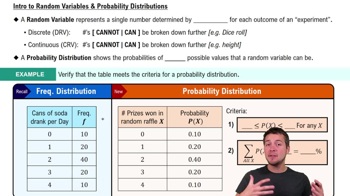
Intro to Random Variables & Probability Distributions