 Back
BackThe Respiratory System: Structure, Function, and Medical Terminology
Study Guide - Smart Notes
 Tailored notes based on your materials, expanded with key definitions, examples, and context.
The Respiratory System
Overview and Functions
The respiratory system is essential for gas exchange, supplying oxygen to the body and removing carbon dioxide. It also plays roles in blood pressure regulation, speech, and maintaining acid-base balance. The system is divided into upper and lower respiratory tracts, each with distinct anatomical structures and functions.
Key Functions: Gas exchange, blood pressure control (via ACE enzymes), speech (phonation), and acid-base balance.
Major Structures: Nose, nasal cavity, mouth, pharynx, larynx, trachea, bronchi, bronchioles, alveoli, lungs, and diaphragm.
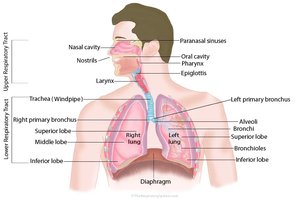
Anatomical Divisions
Upper and Lower Respiratory Tracts
The respiratory system is divided into two functional regions:
Upper Respiratory Tract: Nose, nasal cavity, oral cavity, pharynx, larynx, upper trachea.
Lower Respiratory Tract: Lower trachea, lungs, bronchi, bronchioles, alveoli.
Upper Respiratory Tract
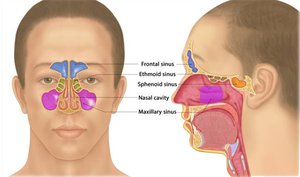
Nose, Nasal Cavity, and Sinuses
The nose is the primary entrance for air. The nasal cavity is lined with hairs and mucus to filter, warm, and humidify air. Sinuses are hollow spaces in the skull that regulate air temperature and humidity.
Sinuses: Frontal, ethmoid, sphenoid, and maxillary sinuses.
Air Cleaning: Nasal hairs and mucus trap particles.
Mouth Breathing: Occurs when nasal passages are blocked or during heavy exercise.
Pharynx
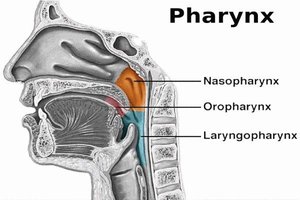
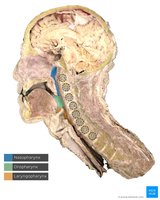
The pharynx is a muscular tube that serves both the respiratory and digestive systems. It is divided into three regions:
Nasopharynx: Connected to the nasal cavity.
Oropharynx: Connected to the oral cavity.
Laryngopharynx: Connected to the larynx and esophagus.
Functions:
Digestive: Passage for food to the esophagus.
Respiratory: Passage for air to the larynx and trachea.
Speech: Resonating chamber for phonation.
Larynx
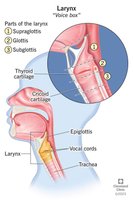
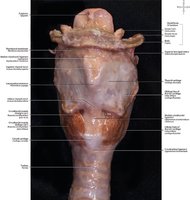
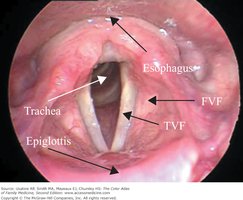
The larynx, or voice box, protects the lower respiratory tract and houses the vocal cords. The epiglottis prevents food from entering the airway during swallowing.
Epiglottis: Flexible cartilage acting as a trap door during swallowing.
Phonation: Vocal cords produce sound.
Lower Respiratory Tract
Trachea
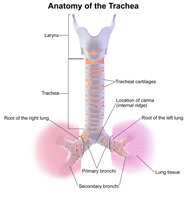
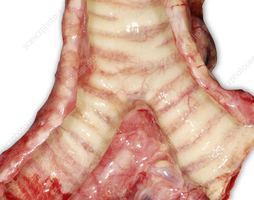
The trachea is a tube supported by C-shaped cartilage rings, preventing collapse. It bifurcates at the carina into left and right primary bronchi.
Length: 10–12 cm
Diameter: 2.5 cm
Function: Conducts air to bronchi
Bronchi and Bronchioles
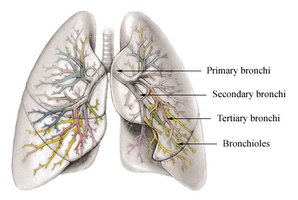
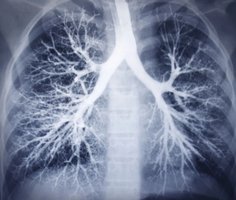
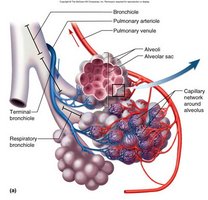
The bronchi branch into smaller bronchioles, which lead to alveoli. Bronchioles are less than 1 mm in diameter and further subdivide.
Bronchi: Primary, secondary, tertiary
Bronchioles: Smallest airways, lead to alveoli
salbutamol inhailour broncho delater
nebs used alot for children
Alveoli and Gas Exchange
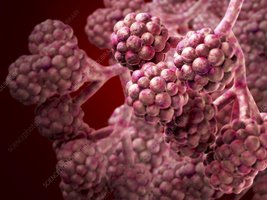
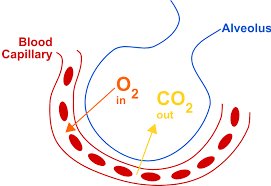
Alveoli are tiny air sacs where gas exchange occurs. Oxygen diffuses into the blood, and carbon dioxide diffuses out to be exhaled. Alveoli are lined with surfactant to maintain their shape and prevent collapse.
Gas Exchange: Oxygen enters blood, CO2 exits
Surfactant: Reduces surface tension, keeps alveoli open
will not grow back. once gone they are gone ( smoking/ vaping)
300 million alveoli - like a soap bubble
diffuison
Lungs and Pleural Membranes
Lung Anatomy
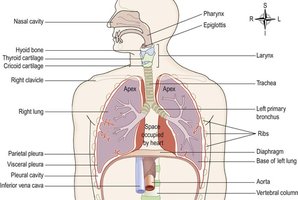
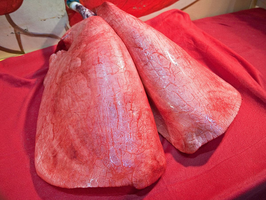
The lungs are elastic organs in the thoracic cavity, protected by pleural membranes. The right lung has three lobes, the left has two, due to the position of the heart.
Right Lung: Superior, middle, inferior lobes
Left Lung: Superior, inferior lobes
Pleural Membranes: Visceral (covers lung), parietal (lines thoracic cavity)
Mechanics of Breathing
Boyle's Law and Pulmonary Ventilation
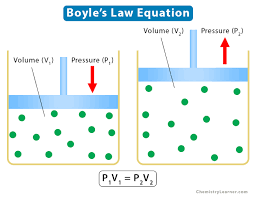
Breathing is governed by Boyle's Law: volume is inversely proportional to pressure. Air moves from regions of high pressure to low pressure.
Inspiration: Diaphragm contracts, thoracic volume increases, pressure decreases, air enters.
Expiration: Diaphragm relaxes, thoracic volume decreases, pressure increases, air exits.
Boyle's Law Equation:
Pathway of Air
Air Flow Sequence
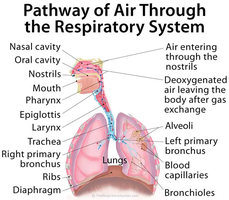
Air enters through the nose or mouth, travels down the trachea, through bronchi and bronchioles, and finally reaches the alveoli for gas exchange.
Pathway: Nose/Mouth → Pharynx → Larynx → Trachea → Bronchi → Bronchioles → Alveoli
Physiological Measurements
Respiratory Rate
The respiratory rate is the number of breaths per minute. Normal adult rate is 12–20 breaths/minute. Rates vary by age.
Signs of abnormal breathing: Chest hyperinflation, intercostal/subcostal/ sternal recession, nasal flaring, use of accessory muscles, tracheal tug.
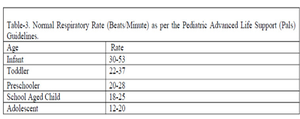
Age | Rate (breaths/min) |
|---|---|
Infant | 30–53 |
Toddler | 22–37 |
Preschooler | 20–28 |
School Aged Child | 18–25 |
Adolescent | 12–20 |
Acid-Base Balance and Blood Tests
Blood Gas and pH Balance
Blood gas tests measure pH, oxygen, and carbon dioxide levels. The body maintains pH between 7.35 and 7.45. Acid-base disorders include metabolic and respiratory acidosis/alkalosis, with compensatory mechanisms to restore balance.
Acidemia: pH < 7.35
Alkalemia: pH > 7.45
Disorders: Metabolic acidosis/alkalosis, respiratory acidosis/alkalosis
Example: Metabolic acidemia is compensated by respiratory alkalosis.
Interesting Facts
Humans lose about 0.5 liters of water per day through breathing (insensible loss).
Each lung contains about 300 million alveoli.
When filled with air, lungs are the only organs that can float on water.
References
OpenStax (2023) Anatomy and Physiology
Tortora, G.J. and Derrickson, B. (2021) Principles of Anatomy and Physiology
NHS (2023) How the lungs work
Guyton, A.C. and Hall, J.E. (2020) Textbook of Medical Physiology
British Lung Foundation (2022) The Respiratory System
