Back

Introduction to Immunity definitions

Control buttons has been changed to "navigation" mode.
1/15
  • Immunity

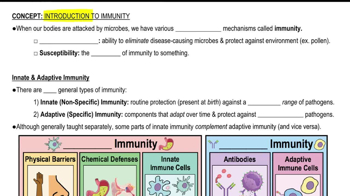
    Ability to eliminate disease-causing microbes and protect against environmental agents like pollen.
  • Susceptibility

    Condition marked by lack of protection against disease-causing agents or environmental threats.
  • Innate Immunity

    Nonspecific, broad protection present at birth, including barriers, chemicals, and immune cells.
  • Adaptive Immunity

    Specific, evolving protection that adapts over time to new pathogens and environmental exposures.
  • Physical Barriers

    Structures like skin and mucus membranes that prevent entry of microbes into the body.
  • Chemical Defenses

    Substances such as antimicrobials, acids, and bases that inhibit or destroy invading microbes.
  • Antigen

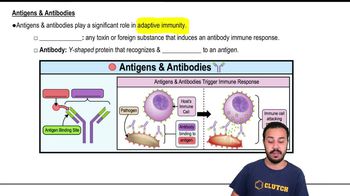
    Toxin or foreign substance that induces an immune response, often found on pathogen surfaces.
  • Antibody

    Y-shaped protein that binds specifically to antigens, triggering immune responses against pathogens.
  • Pathogen

    Disease-causing microbe or agent targeted by immune defenses.
  • B Cell

    Adaptive immune cell involved in producing antibodies against specific antigens.
  • T Cell

    Adaptive immune cell that helps recognize and respond to specific pathogens.
  • Immune Response

    Series of actions by immune components to recognize, target, and eliminate foreign agents.
  • Crosstalk

    Interaction and cooperation between innate and adaptive immune system components.
  • Antigen Binding Site

    Region on an antibody that specifically attaches to a matching antigen.
  • Host Immune Cell

    Body cell capable of targeting and eliminating pathogens, often activated by antibody-antigen binding.