Back

Microeconomics Final Exam Study Guide: Chapters 1–15

Study Guide - Learn with Videos

Curated lessons matched to your uploaded material – learn every topic step by step.

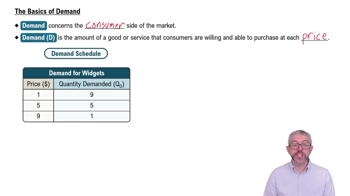
The Basics of Demand

  • The Basics of Demand
    06:02

Shifting Demand

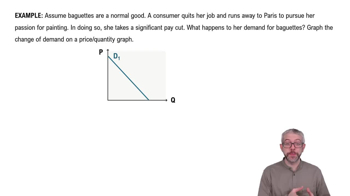
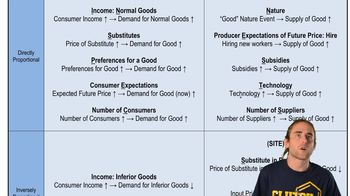
  • Consumer Income: Normal Goods and Inferior Goods
    01:30
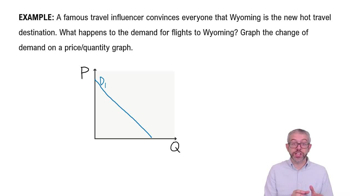
  • Consumer Preferences
    01:44
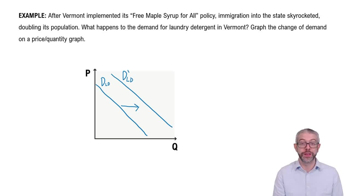
  • Number of Consumers
    02:15

The Basics of Supply

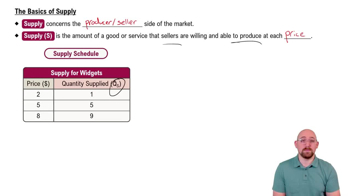
  • The Basics of Supply
    02:43

Shifting Supply

  • Guided course
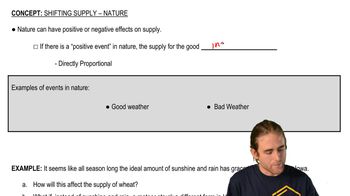
    Nature
    01:
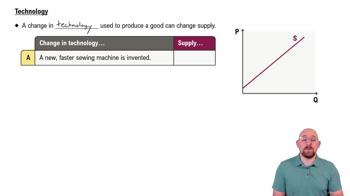
  • Technology
    01:39
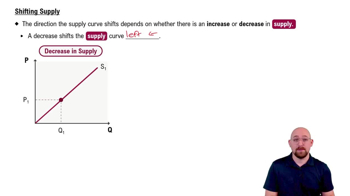
  • Shifting Supply
    01:56

Overview of Supply and Demand Shifts

  • Guided course
    Overview of Supply and Demand Shifts
    04:07

Budget Constraint

  • Guided course
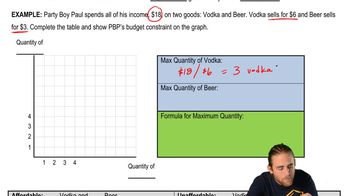
    Budget Constraint (Budget Line)
    08:41
  • Guided course
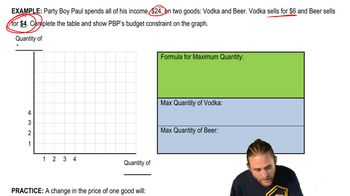
    Budget Constraint:Change in Price of a Good
    03:50
  • Guided course
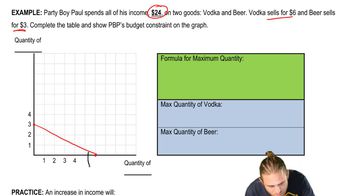
    Budget Constraint:Change in Income
    03:44

Indifference Curves

  • Guided course
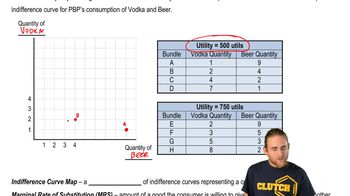
    Indifference Curves
    14:47
  • Guided course
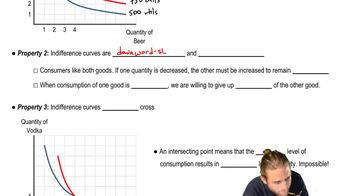
    Properties of Indifference Curves
    04:23

Percentage Change and Price Elasticity of Demand

  • Interpreting Elasticity
    04:56
  • Introducing Price Elasticity of Demand
    03:33
  • Guided course
    Different Answers when Increasing or Decreasing Prices! (Part 1)
    04:34

Elasticity and the Midpoint Method

  • Guided course
    The Midpoint Method
    10:04

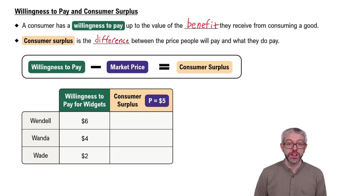
Willingness to Pay and Consumer Surplus

  • Consumer Surplus and Market Demand
    06:03
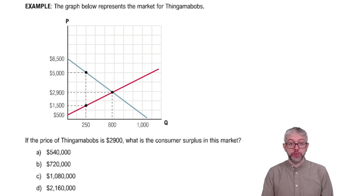
  • Consumer Surplus
    02:15
  • Willingness to Pay and Consumer Surplus
    03:39

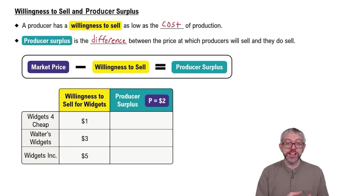
Willingness to Sell and Producer Surplus

  • Willingness to Sell and Producer Surplus
    03:04
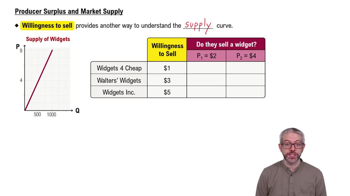
  • Producer Surplus and Market Supply
    04:03
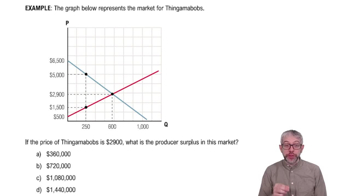
  • Producer Surplus
    01:30

Economic Surplus and Efficiency

  • Guided course
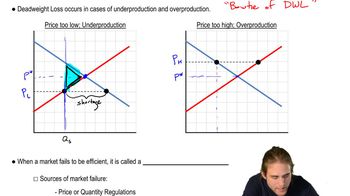
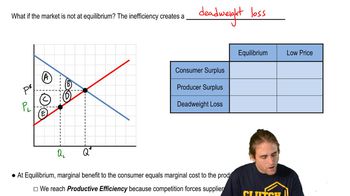
    Deadweight Loss and Market Failure
    07:08
  • Guided course
    Economic Surplus
    11:40

The Production Function and Diminishing Returns

  • Guided course
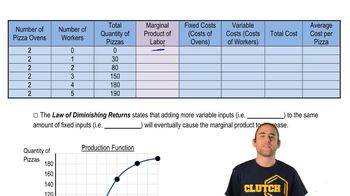
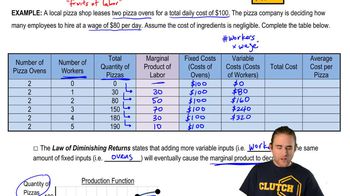
    The Production Function and Diminishing Returns
    07:45
  • Guided course
    Calculating Fixed Cost, Variable Cost, and Average Total Cost
    05:09

Marginal Cost

  • Guided course
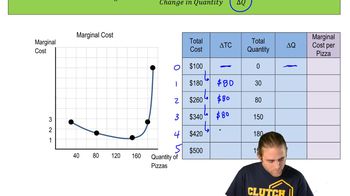
    Marginal Cost
    10:48

Revenue, Cost, and Profit

  • Guided course
    Explicit and Implicit Cost
    05:51
  • Guided course
    Fixed Costs and Variable Costs; Short Run and Long Run
    07:54
  • Guided course
    Accounting Profit and Economic Profit
    01:59

Introduction to Supply and Demand

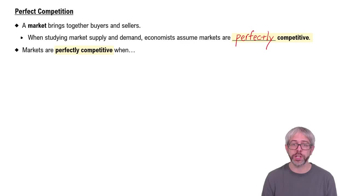
  • Perfect Competition
    03:23

Characteristics of Perfect Competition

  • Guided course
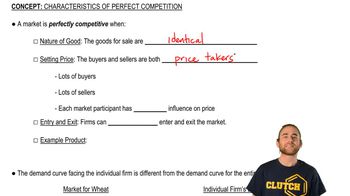
    Characteristics of Perfect Competition
    02:29
  • Guided course
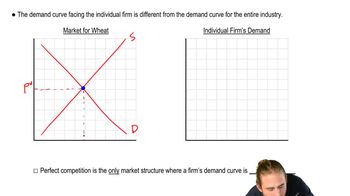
    Market Demand and Individual Firm Demand
    03:57

Long Run Entry and Exit Decision

  • Guided course
    Long Run Exit/Enter Decision (continued)
    06:04
  • Guided course
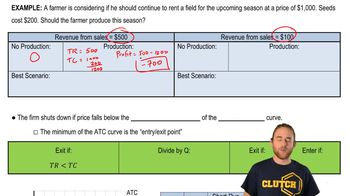
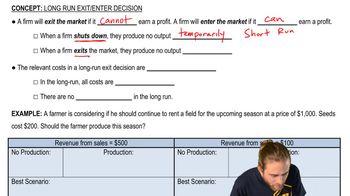
    Long Run Exit/Enter Decision
    02:39
  • Guided course
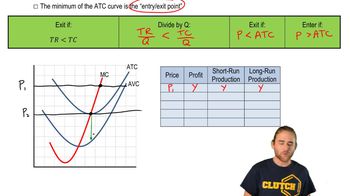
    Long Run Exit/Enter Decision on the Graph
    09:32

Long Run Equilibrium

  • Guided course
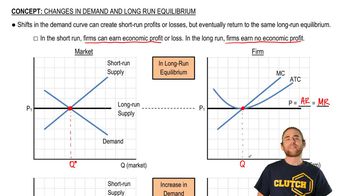
    Long Run Equilibrium
    07:04

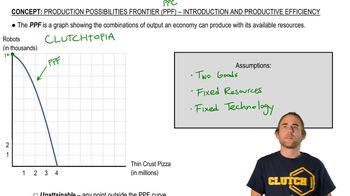
Production Possibilities Frontier (PPF) - Introduction and Productive Efficiency

  • Guided course
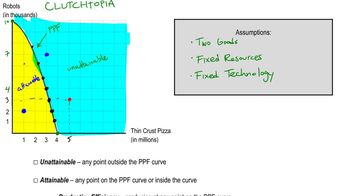
    Understanding the PPF
    06:23
  • Guided course
    PPF - Attainable and Efficient
    04:48

PPF - Increasing Marginal Opportunity Costs and Allocative Efficiency

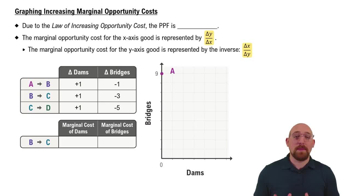
  • PPF - Graphing Increasing Marginal Opportunity Costs
    03:33
  • PPF - The Law of Increasing Opportunity Costs
    05:04

Sources of Comparative Advantage

  • Sources of Comparative Advantage
    05:50

Arguments Against International Trade

  • Guided course
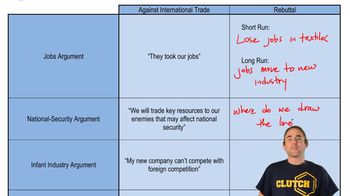
    Arguments Against International Trade
    07:50

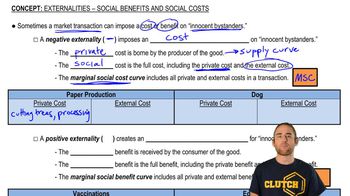
Externalities: Social Benefits and Social Costs

  • Guided course
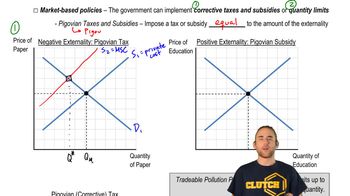
    Externalities on the Graph
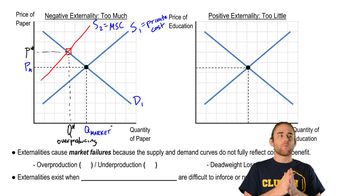
    14:23
  • Guided course
    Negative Externality and Positive Externality
    10:54

Public Solutions to Externalities

  • Guided course
    Public Solutions to Externalities:Quantity Limits
    04:07
  • Guided course
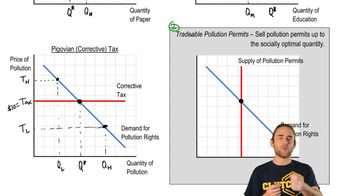
    Public Solutions to Externalities:Command-and-Control Policies and Corrective Pigovian Taxes and Subsidies
    16:25

Four Market Model Summary: Perfect Competition

  • Guided course
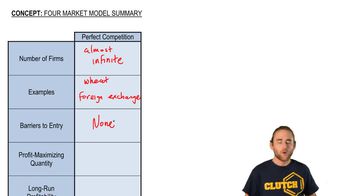
    Four Market Model Summary: Perfect Competition
    05:02

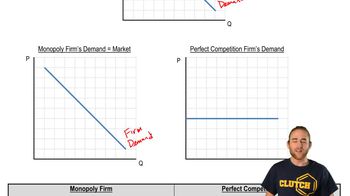
Characteristics of Monopoly

  • Guided course
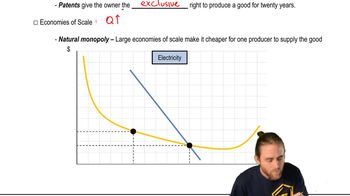
    Monopoly Barriers to Entry
    06:29
  • Guided course
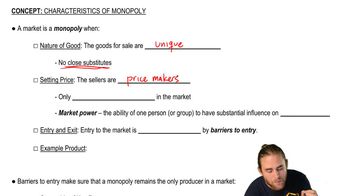
    Characteristics of Monopoly
    02:48
  • Guided course
    Monopoly Demand Curve
    04:17

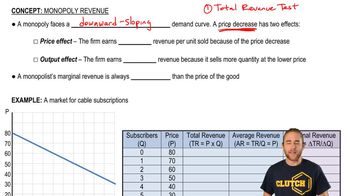
Monopoly Revenue

  • Guided course
    Monopoly Revenue
    03:37
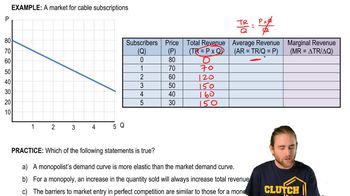
  • Guided course
    Monopoly and Marginal Revenue
    06:43

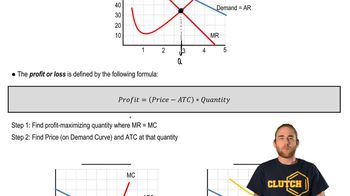
Monopoly Profit on the Graph

  • Guided course
    Monopoly Profit on the Graph
    07:41

Monopoly Efficiency and Deadweight Loss

  • Guided course
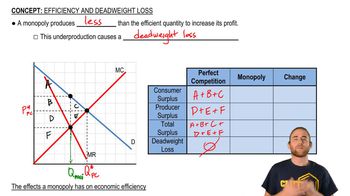
    Monopoly Efficiency and Deadweight Loss
    12:19

Characteristics of Monopolistic Competition

  • Guided course
    Characteristics of Monopolistic Competition
    05:53
  • Guided course
    Monopolistic Competition Demand Curve
    04:25

Revenue in Monopolistic Competition

  • Guided course
    Monopolistic Competition Revenue
    03:28
  • Guided course
    Monopolistic Competition Marginal Revenue
    07:13

Monopolistic Competition Profit on the Graph

  • Guided course
    Monopolistic Competition Profit on the Graph
    07:07

Monopolistic Competition in the Long Run

  • Guided course
    Monopolistic Competition in the Long Run
    09:47
  • Guided course
    How Companies Stay Profitable
    01:33

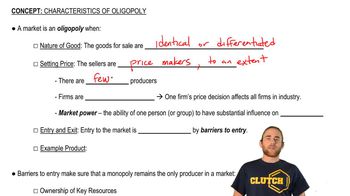
Characteristics of Oligopoly

  • Guided course
    Characteristics of Oligopoly
    04:45
  • Guided course
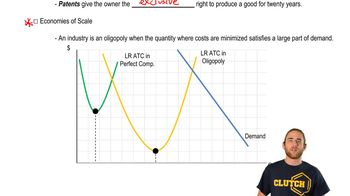
    Oligopoly Barriers to Entry
    05:16

One-Time Games and the Prisoner's Dilemma

  • Guided course
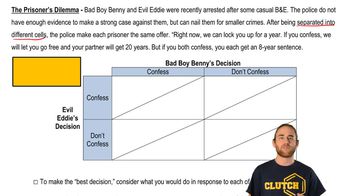
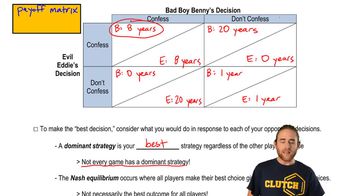
    Game Theory, One-Time Games, and the Prisoner's Dilemma
    05:28
  • Guided course
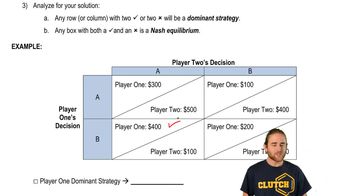
    One-Time Games:Finding Dominant Strategies and Nash Equilibrium with the "Check and X"Method
    06:03
  • Guided course
    Dominant Strategy and the Nash Equilibrium
    06:29

Demand for Labor in Perfect Competition

  • Guided course
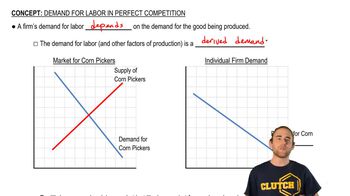
    Demand for Labor in Perfect Competition
    04:33

Supply of Labor in Perfect Competition

  • Guided course
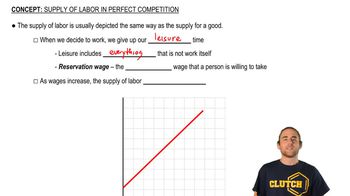
    Supply of Labor in Perfect Competition
    03:17
  • Guided course
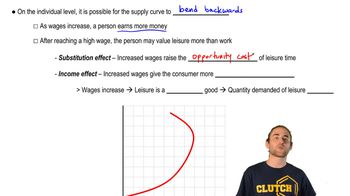
    Individual Supply Curve of Labor (Backward-Bending Supply Curve)
    04:34

Shifts in Labor Demand

  • Guided course
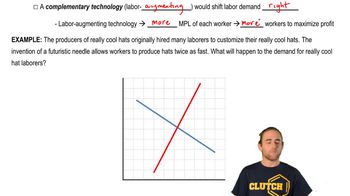
    Shifts in Labor Demand:Technological Change (II)
    03:09
  • Guided course
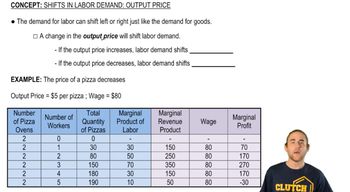
    Shifts in Labor Demand:Output Price
    06:57
  • Guided course
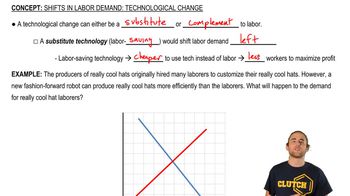
    Shifts in Labor Demand:Technological Change (I)
    03:01

Asymmetric Information: Adverse Selection and Moral Hazard

  • Guided course
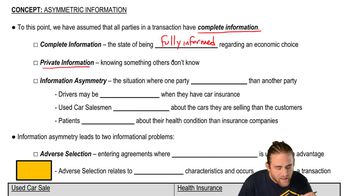
    Asymmetric Information
    02:19
  • Guided course
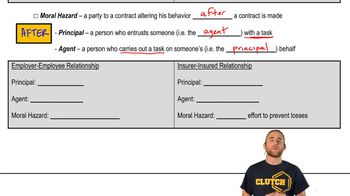
    Moral Hazard
    04:03
  • Guided course
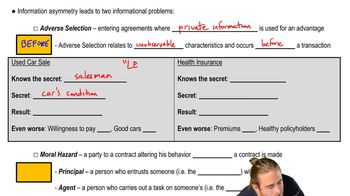
    Adverse Selection
    04:42

Solutions to Informational Problems

  • Guided course
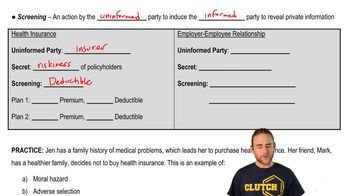
    Solutions to Informational Problems:Screening
    05:57
  • Guided course
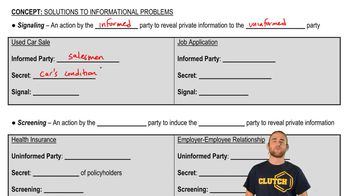
    Solutions to Informational Problems:Signaling
    03:06