Back
BackPrinciples of Microeconomics (ECO 202) – Course Syllabus and Study Guide
Study Guide - Learn with Videos
 Curated lessons matched to your uploaded material – learn every topic step by step.
Introduction to Economics
- Guided course
 00:16
00:16

People Are Rational
- Guided course 01:32
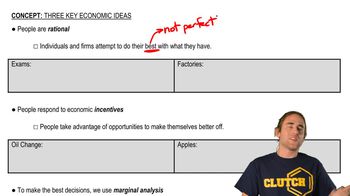
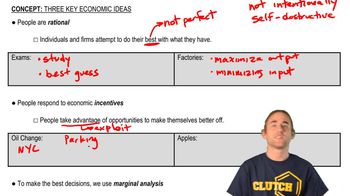
People Respond to Incentives
- Guided course 01:40
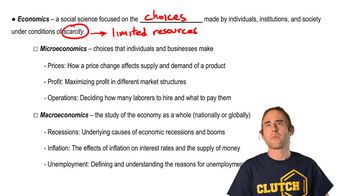
Microeconomics vs. Macroeconomics
- Guided course 02:16
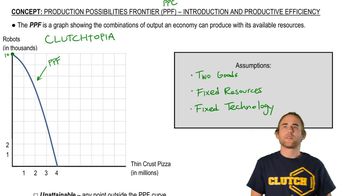
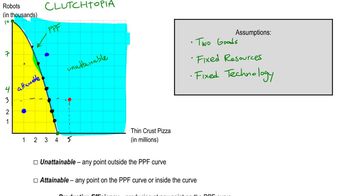
Production Possibilities Frontier (PPF) - Introduction and Productive Efficiency
- Guided course 06:23
- Guided course 04:48
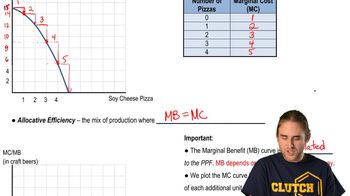
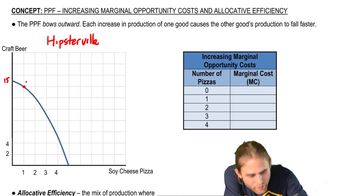
PPF - Increasing Marginal Opportunity Costs and Allocative Efficiency
- Guided course 08:42
- Guided course 04:38
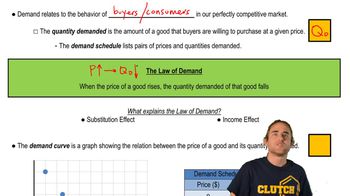
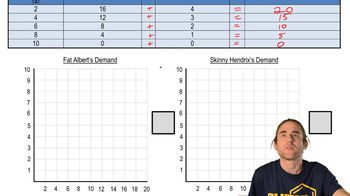
The Demand Curve
- Guided course 07:15
- Guided course 06:08
Shifts in the Demand Curve
- Guided course 01:48
- Guided course 04:10
- Guided course 02:18
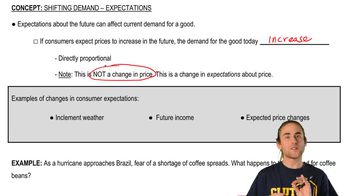
Movement Along a Demand Curve
- Guided course 05:29
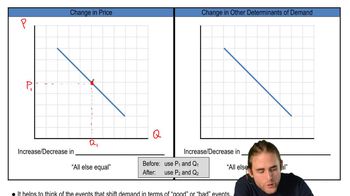
The Supply Curve
- Guided course 06:04
- Guided course 03:53
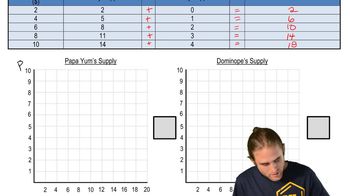
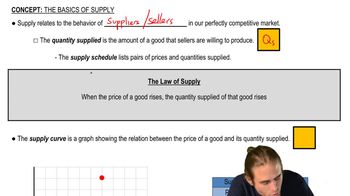
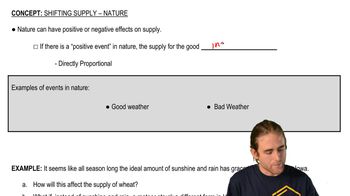
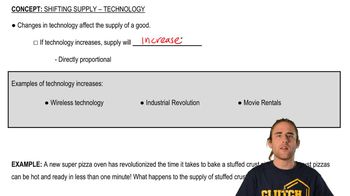
Shifts in the Supply Curve
- Guided course 01:
- Guided course 01:27
- Guided course 03:02
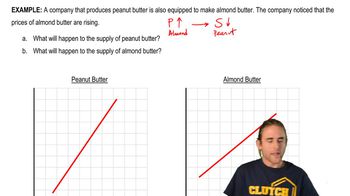
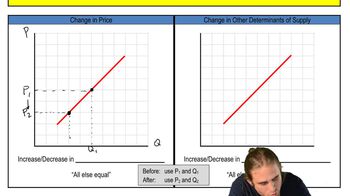
Movement Along a Supply Curve
- Guided course 03:08
Market Equilibrium
- Guided course 04:07
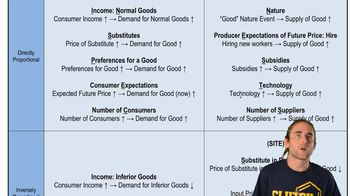
Elasticity and the Midpoint Method
- Guided course 10:04
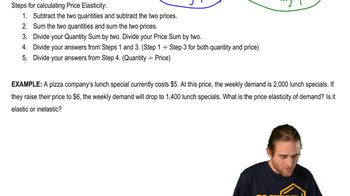
Percentage Change and Price Elasticity of Demand
- Guided course 09:14
- Guided course 04:34
- Guided course 05:31

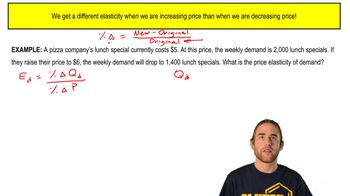
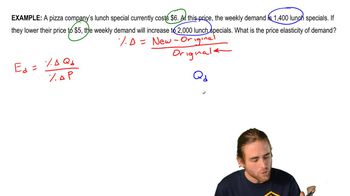
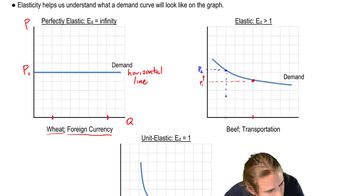
Price Elasticity of Demand on a Graph
- Guided course 11:34
Price Elasticity of Supply
- Guided course 05:38
Revenue, Cost, and Profit
- Guided course 05:51
- Guided course 07:54
- Guided course 01:59
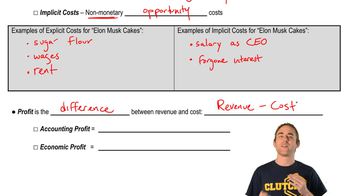
Marginal Cost
- Guided course 10:48
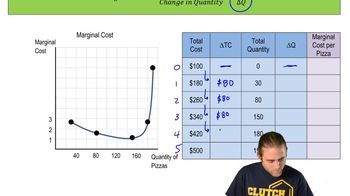
Consumer Optimum Consumption: Budget Constraint and Indifference Curves
- Guided course 07:07
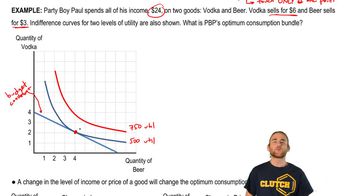
Consumer Optimum Consumption: Marginal Utility per Dollar Spent
- Guided course 09:38
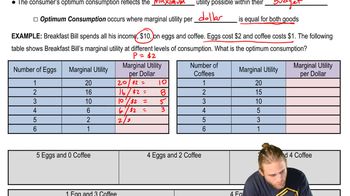
The Production Function and Diminishing Returns
- Guided course 07:45
- Guided course 05:09
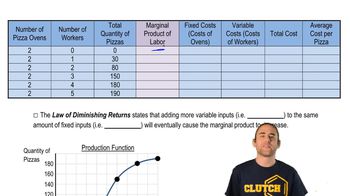
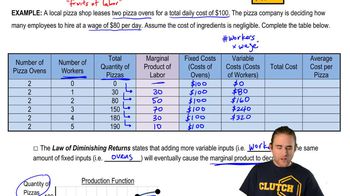
Graphing Costs
- Guided course 10:54

The Relationship Between Average Cost and Marginal Cost
- Guided course 06:38
- Guided course 08:56
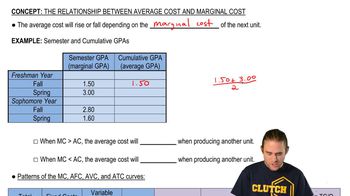
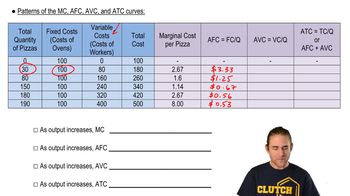
Average Total Cost: Short Run and Long Run
- Guided course 13:13
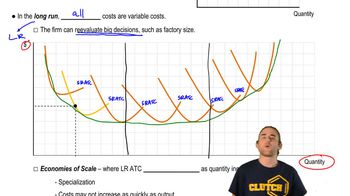
Characteristics of Perfect Competition
- Guided course 02:29
- Guided course 03:57
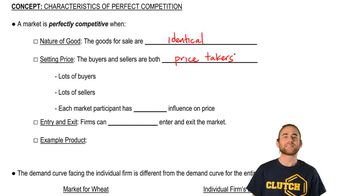
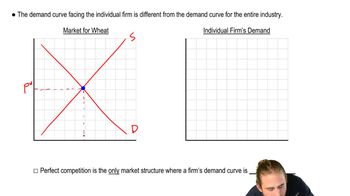
Revenue in Perfect Competition
- Guided course 06:20
- Guided course 08:15
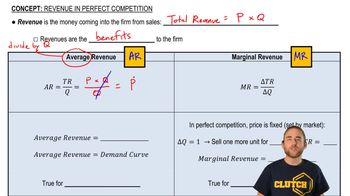
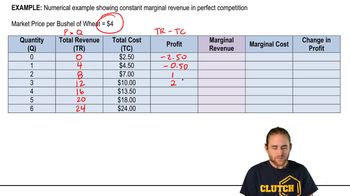
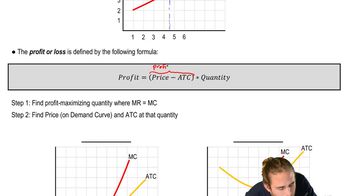
Perfect Competition Profit on the Graph
- Guided course 13:25
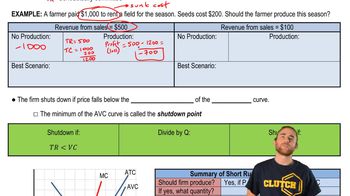
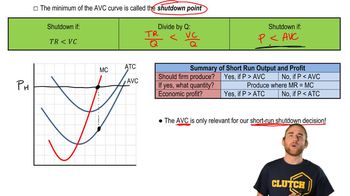
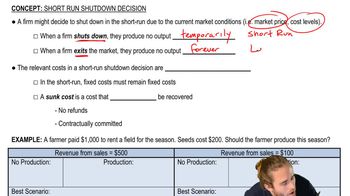
Short Run Shutdown Decision
- Guided course 07:54
- Guided course 07:05
- Guided course 03:28
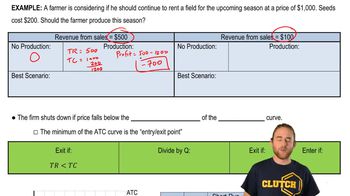
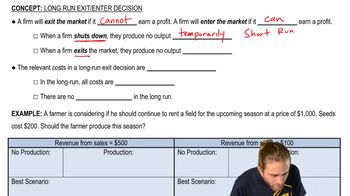
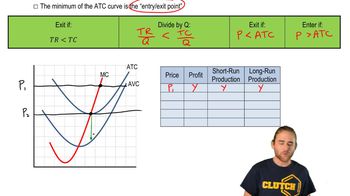
Long Run Entry and Exit Decision
- Guided course 06:04
- Guided course 02:39
- Guided course 09:32
Individual Supply Curve in the Short Run and Long Run
- Guided course 03:12
- Guided course 03:19
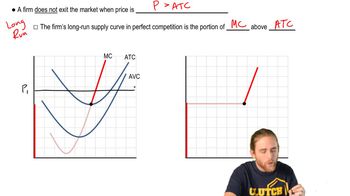
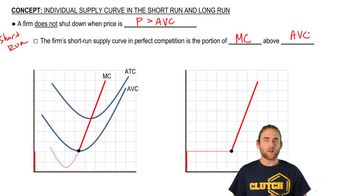
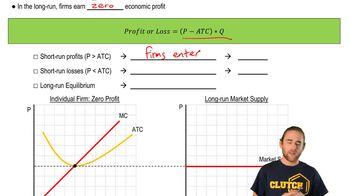
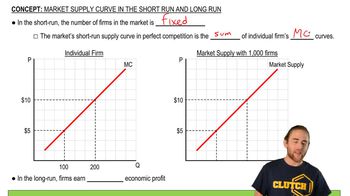
Market Supply Curve in the Short Run and Long Run
- Guided course 06:07
- Guided course 03:02
Long Run Equilibrium
- Guided course 07:04
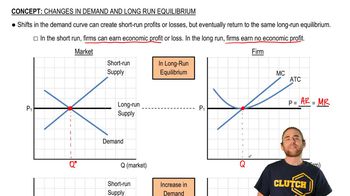
Perfect Competition and Efficiency
- Guided course 06:46
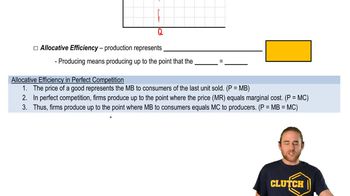
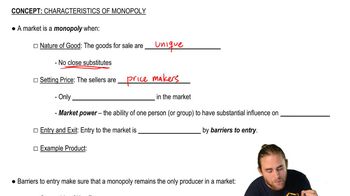
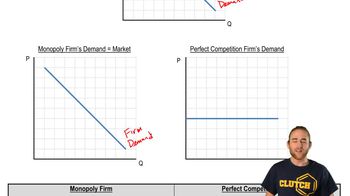
Characteristics of Monopoly
- Guided course 06:29
- Guided course 02:48
- Guided course 04:17
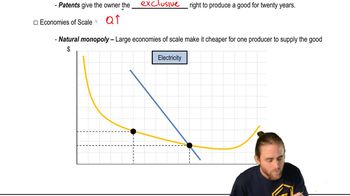
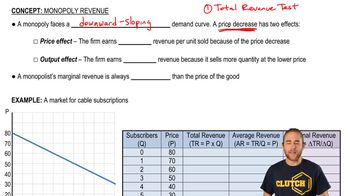
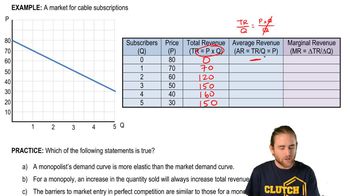
Monopoly Revenue
- Guided course 03:37
- Guided course 06:43
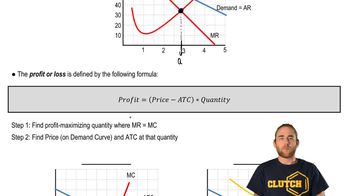
Monopoly Profit on the Graph
- Guided course 07:41
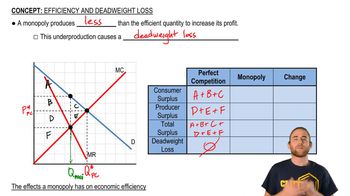
Monopoly Efficiency and Deadweight Loss
- Guided course 12:19
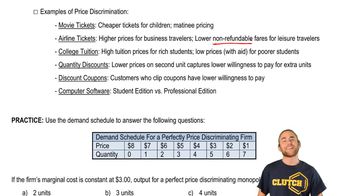
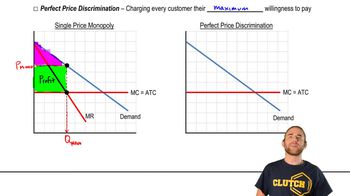
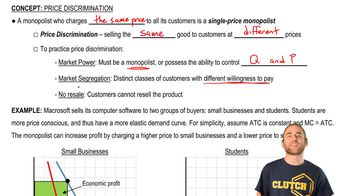
Price Discrimination
- Guided course 04:05
- Guided course 06:11
- Guided course 07:45
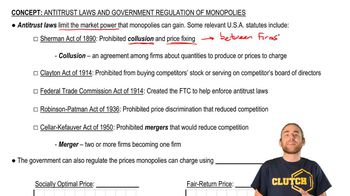
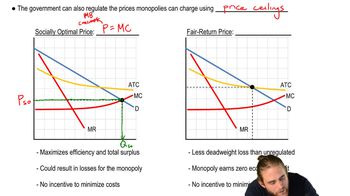
Antitrust Laws and Government Regulation of Monopolies
- Guided course 03:58
- Guided course 07:21
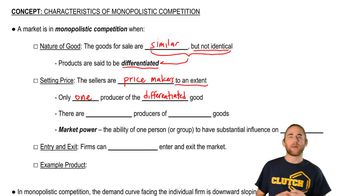
Characteristics of Monopolistic Competition
- Guided course 05:53
- Guided course 04:25
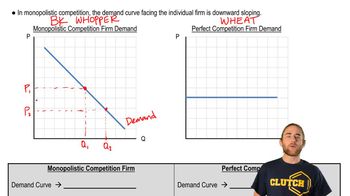
Revenue in Monopolistic Competition
- Guided course 03:28
- Guided course 07:13
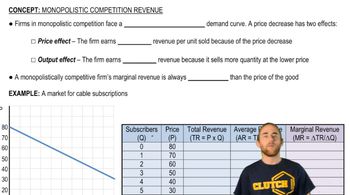
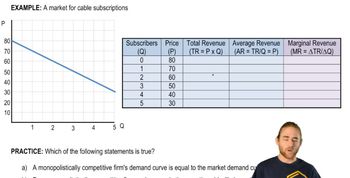
Monopolistic Competition Profit on the Graph
- Guided course 07:07
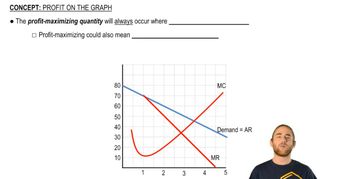
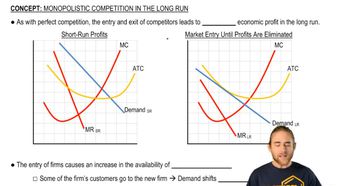
Monopolistic Competition in the Long Run
- Guided course 09:47
- Guided course 01:33
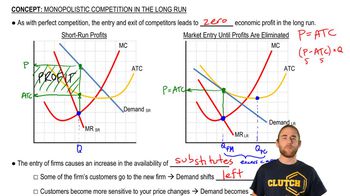
Efficiency in Monopolistic Competition
- Guided course 03:54
- Guided course 02:56
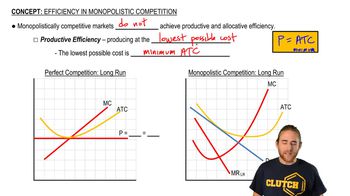
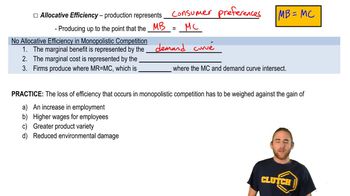
Advertising
- Guided course 04:52
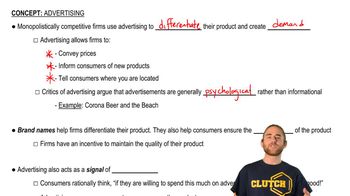
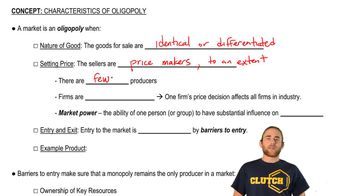
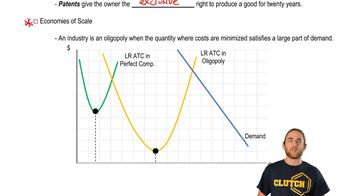
Characteristics of Oligopoly
- Guided course 04:45
- Guided course 05:16
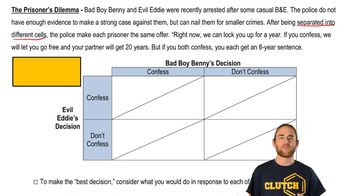
One-Time Games and the Prisoner's Dilemma
- Guided course 05:28
- Guided course 06:03
- Guided course 06:29
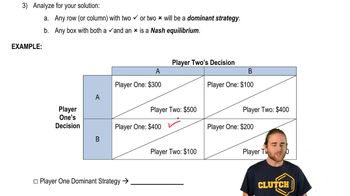
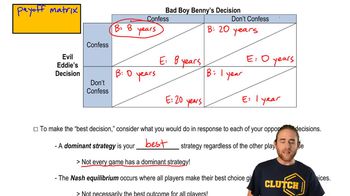
Game Theory and Oligopoly Profit
- Guided course 06:36
- Guided course 10:08
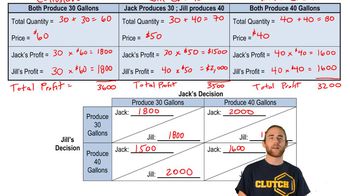
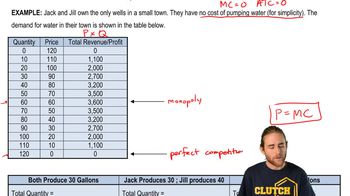
Four Market Model Summary: Perfect Competition
- Guided course 05:02
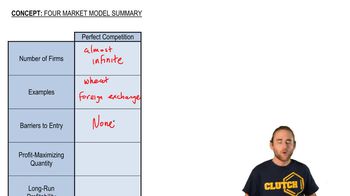
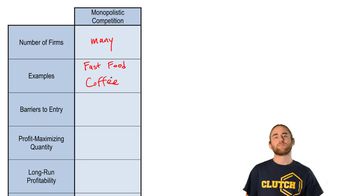
Four Market Model Summary: Monopolistic Competition
- Guided course 03:30
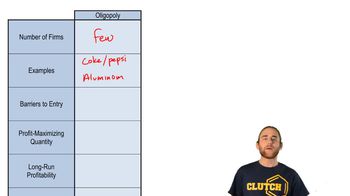
Four Market Model Summary: Oligopoly
- Guided course 03:39
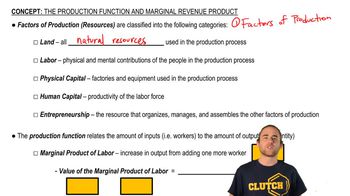
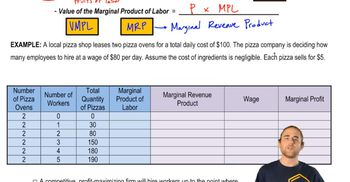
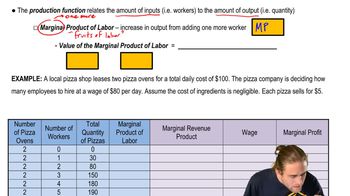
The Production Function and Marginal Revenue Product
- Guided course 02:41
- Guided course 10:37
- Guided course 02:47
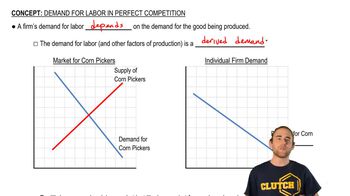
Demand for Labor in Perfect Competition
- Guided course 04:33
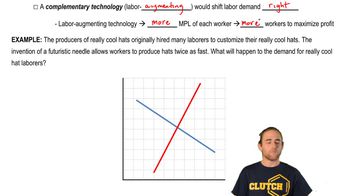
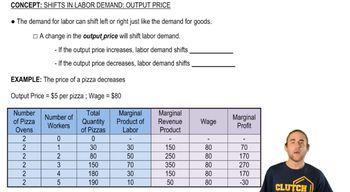
Shifts in Labor Demand
- Guided course 03:09
- Guided course 06:57
- Guided course 03:01
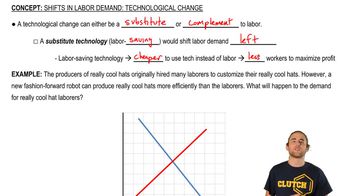
Supply of Labor in Perfect Competition
- Guided course 03:17
- Guided course 04:34
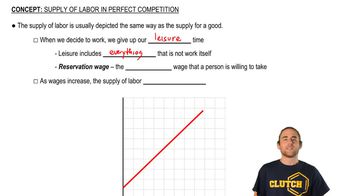
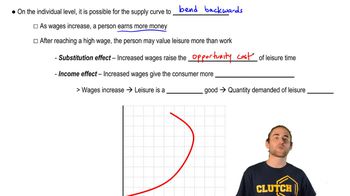
Shifts in Labor Supply
- Guided course 03:47
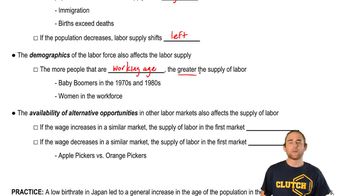
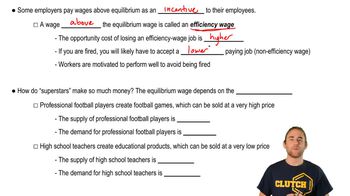
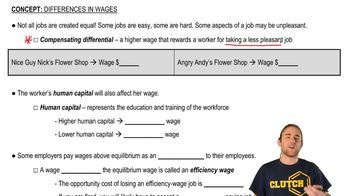
Differences in Wages
- Guided course 04:12
- Guided course 02:39
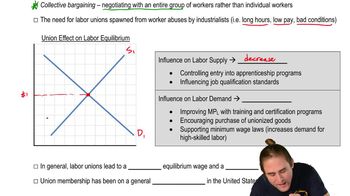
Unions
- Guided course 06:50
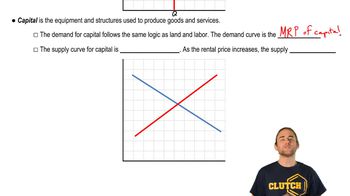
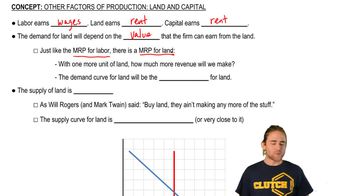
Other Factors of Production: Land and Capital
- Guided course 02:08
- Guided course 03:31
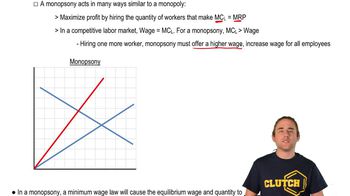
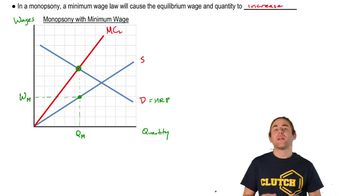
Monopsony
- Guided course 07:18
- Guided course 03:52
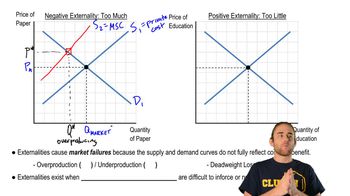
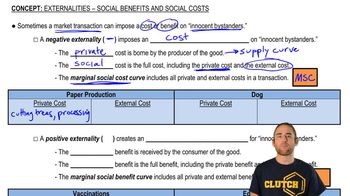
Externalities: Social Benefits and Social Costs
- Guided course 14:23
- Guided course 10:54
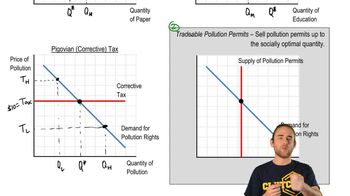
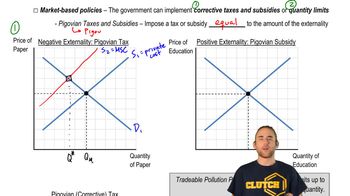
Public Solutions to Externalities
- Guided course 04:07
- Guided course 16:25
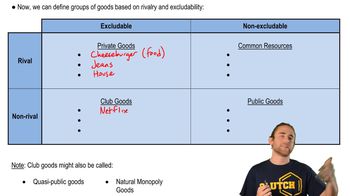
Four Types of Goods and Two Characteristics
- Guided course 11:08
- Guided course 05:02
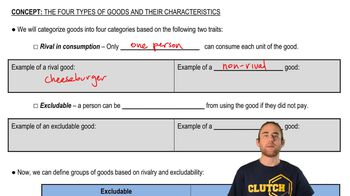
Public Goods: Demand Curve and Optimal Quantity
- Guided course 08:18
- Guided course 03:52
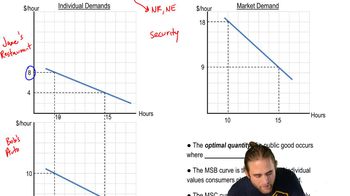
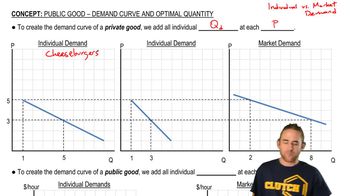
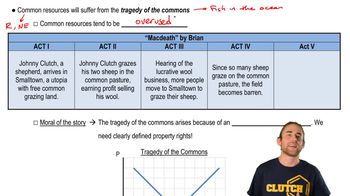
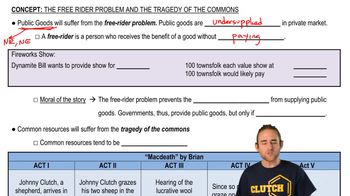
The Free Rider Problem and the Tragedy of the Commons
- Guided course 07:34
- Guided course 06:11
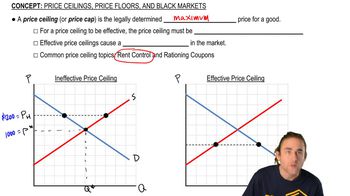
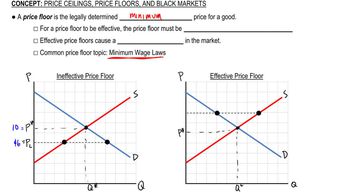
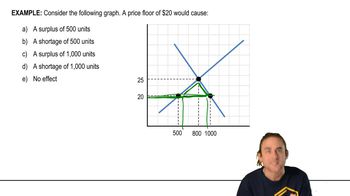
Price Ceilings, Price Floors, and Black Markets
- Guided course 07:07
- Guided course 08:03
- Guided course 02:18
Introducing Taxes and Tax Incidence
- Guided course 03:21
- Guided course 13:27
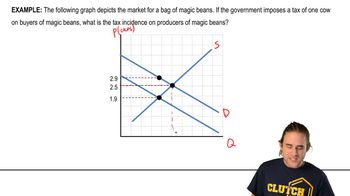
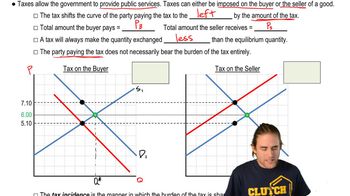
Effects of Taxes on a Market
- Guided course 09:45
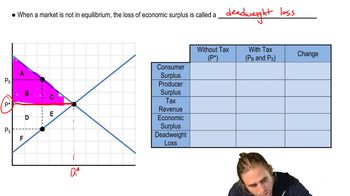
Tax Efficiency
- Guided course 06:43
- Guided course 03:04
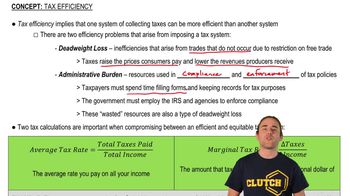
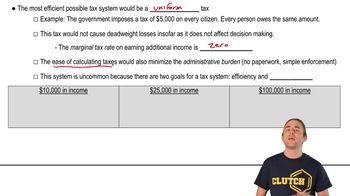
Tax Equity
- Guided course 04:18
- Guided course 06:42
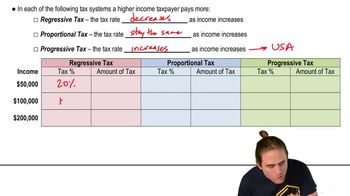
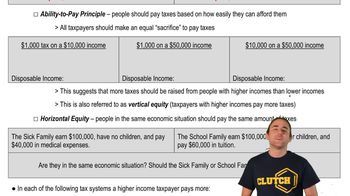
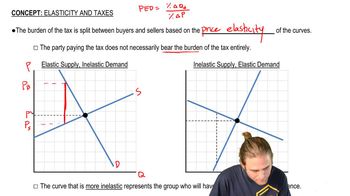
Elasticity and Taxes
- Guided course 02:58
- Guided course 07:03
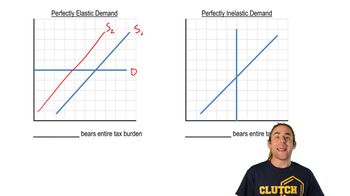
Income Inequality in the USA and Worldwide
- Guided course 01:37

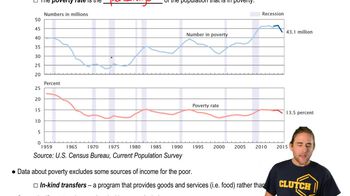
Poverty
- Guided course 05:02
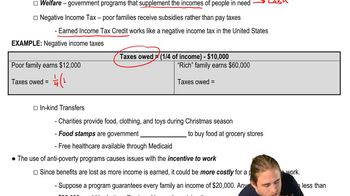
Polices to Reduce Poverty
- Guided course 06:15
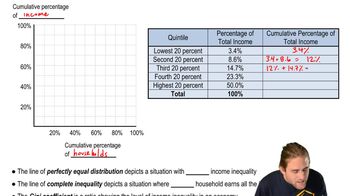
Lorenz Curve and Gini Coefficient
- Guided course 11:30