What are the three main elements that define the field of nutrition?
The field of nutrition is defined by the study of food (its chemical composition), the human body (as a complex biological system), and the reasons behind people's food choices.
How does proper nutrition impact a person's mental alertness and overall well-being?
Proper nutrition supports mental alertness, energy levels, mood, and overall well-being by providing the nutrients necessary for optimal body and brain function.
What types of foods are typically included in the diet of an omnivore?
An omnivore's diet includes both plant-based foods (such as fruits, vegetables, grains, and legumes) and animal-based foods (such as meat, dairy, and eggs).
Why is nutrition considered one of the most complex sciences?
Nutrition is complex because it involves understanding the intricate chemical composition of food, the complex biology of the human body, and the diverse reasons behind people's food choices. Integrating these factors to determine health impacts is a challenging scientific task.
What is the definition of a nutritious diet as described in the lesson?
A nutritious diet is broadly defined as one that maximizes our health. It includes foods and eating patterns that contribute beneficially to overall well-being.
How can nutrition influence both acute and chronic health problems?
Nutrition can lead to deficiencies, excesses, or imbalances that may cause immediate (acute) or long-term (chronic) health issues. Examples include vitamin deficiencies causing diseases like rickets or poor diets contributing to chronic diseases like heart disease.
What are some non-nutritional factors that influence people's food choices?
Non-nutritional factors include cost, habit, time and convenience, culture, emotion, trends, taste preference, and social influence. These factors can significantly affect what foods individuals select and consume.
Why is it important to consider factors like taste, culture, and cost when recommending a nutritious diet?
If a recommended diet does not align with a person's taste, culture, or budget, it is unlikely to be followed. Effective nutrition advice must account for these factors to ensure practical and sustainable dietary changes.
How does reading nutrition labels potentially affect food choices?
Reading nutrition labels can inform individuals about the nutritional value of foods, helping them make healthier choices. This knowledge can influence decisions related to cost, convenience, and personal preferences.
What is an example of a disease directly linked to a nutritional deficiency mentioned in the lesson?
Rickets is given as an example, which results from a vitamin D deficiency. This disease can cause bone deformation, especially in children.
 Back
Back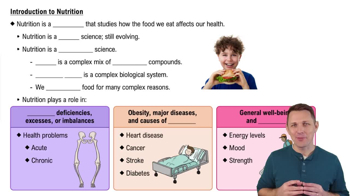
 04:00
04:00