 Back
BackNFS 4
 04:52
04:52
Terms in this set (29)
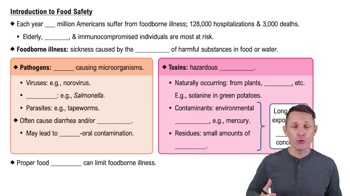
Foodborne illness is an illness caused by consuming contaminated food or beverages. It is typically transmitted through bacteria, viruses, parasites, or toxins present in food.
Common symptoms include nausea, vomiting, diarrhea, and abdominal pain. Young children, older adults, and people with weakened immune systems are most at risk.
A foodborne illness is a single case of illness from contaminated food, while an outbreak involves two or more cases linked to the same food source.
Major biological hazards include bacteria, molds, viruses, parasites, and prions.
Bacteria cause over 90% of foodborne illnesses by contaminating food through improper handling, storage, or cooking.
Bacterial spores are dormant forms that survive harsh conditions, making them difficult to eliminate and a challenge for food safety.
Molds can produce mycotoxins, toxic compounds found in foods like grains and nuts, which can cause illness if ingested.
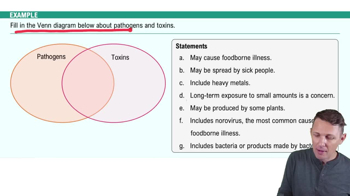
Food infections involve live pathogens growing in the body; intoxications are caused by toxins in food; toxin-mediated infections involve bacteria producing toxins inside the body.
Parasites like Trichinella spiralis and Giardia lamblia infect humans through contaminated meat or water, causing illness.
Viruses such as Hepatitis A and Norovirus spread via contaminated food or water, causing symptoms like vomiting, diarrhea, and jaundice.
Bacterial toxins, like those from Clostridium botulinum, cause illness even if bacteria are dead, by releasing harmful toxins in food.
Examples include toxins in raw beans and pufferfish, which can cause severe poisoning if consumed.
Mycotoxins form in stored grains or nuts and can cause serious health problems if ingested.
Bacteria like E. coli produce toxins inside the body after ingestion, causing symptoms such as severe diarrhea and abdominal cramps.
Clostridium botulinum produces toxins in low-oxygen, improperly canned or stored foods, leading to botulism.
Proper cooking, refrigeration, and storage temperatures prevent bacterial growth and toxin production.
Chemical hazards include pesticides and cleaning agents; physical hazards include foreign objects like glass or hair. Both contaminate food but differ in source and health impact.
Chemical hazards from agriculture or industry include pesticides and heavy metals; minimizing involves proper washing and regulation.
Physical hazards include glass shards or hair; prevention involves careful food handling and inspection.
Food allergy involves immune response; intolerance is digestive; sensitivity includes both and causes adverse reactions.
The Food Allergen Labeling and Consumer Protection Act requires clear labeling of major allergens to protect consumers.
Common allergens include peanuts, shellfish, and milk; sensitivities may involve allergies or intolerances causing various symptoms.
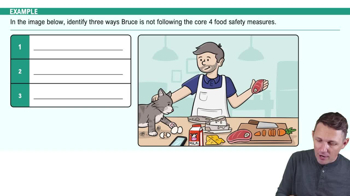
Personal hygiene, proper training, and safe food handling reduce risk of foodborne illness.
Cold foods should be kept below 40°F and hot foods above 140°F to inhibit bacterial growth during food flow.
Use chemical sanitizers like chlorine or iodine to clean dishes and equipment and prevent contamination.
Separate raw and cooked foods, use clean utensils, and store foods properly to prevent cross-contamination.
Hazard Analysis and Critical Control Points (HACCP) is a system to identify and control food safety hazards.
1. Conduct hazard analysis
2. Identify critical control points
3. Establish critical limits
4. Monitor CCPs
5. Take corrective actions
6. Verify system effectiveness
7. Keep records
Potential CCPs include cooking temperature, cooling time, and storage temperature to prevent bacterial growth.