Pearson+ LogoPearson+ Logo

Pathogens & Diseases: Viruses definitions Flashcards

Back
Pathogens & Diseases: Viruses definitions
Control buttons has been changed to "navigation" mode.
1/15
  • Virus

    Smallest pathogen with a protein shell and genetic material, requiring host cells to reproduce and cause infections.
  • Pathogen

    Agent such as a virus or bacterium that invades the body and can trigger disease or infection.
  • RNA

    Genetic material found in some viruses, used to hijack host cell machinery for replication.
  • DNA

    Genetic blueprint present in certain viruses, enabling them to reproduce inside host cells.
  • Incubation Period

    Time between exposure to a virus and the appearance of symptoms, often complicating early detection.
  • Respiratory Droplets

    Tiny particles expelled during coughing or sneezing, serving as a major route for viral transmission.
  • Influenza

    Viral infection marked by fever, muscle aches, and fatigue, with potential for severe complications like pneumonia.
  • COVID-19

    Respiratory illness caused by coronavirus, ranging from mild symptoms to organ failure in severe cases.
  • Hepatitis

    Inflammation of the liver, often leading to chronic disease, with types A, B, and C differing in transmission and severity.
  • Cirrhosis

    Scarring of liver tissue resulting from chronic inflammation, increasing risk for liver failure and cancer.
  • Jaundice

    Yellowing of skin and eyes due to liver dysfunction, commonly seen in hepatitis infections.
  • Microcephaly

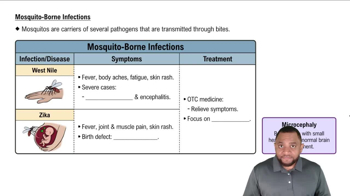
    Birth defect characterized by a smaller than average head, linked to abnormal brain development from Zika virus.
  • Encephalitis

    Severe brain inflammation that can result from viral infections like West Nile, leading to neurological complications.
  • Vaccine

    Preventive medical preparation that stimulates immunity against specific viral infections such as influenza and hepatitis.
  • Antiviral Medication

    Pharmaceutical treatment designed to inhibit viral replication and reduce severity of infections like influenza and COVID-19.