Pearson+ LogoPearson+ Logo

Stress Response definitions Flashcards

Back
Stress Response definitions
Control buttons has been changed to "navigation" mode.
1/15
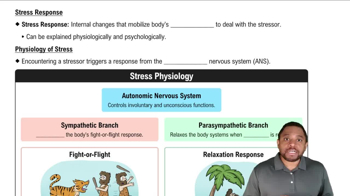
  • Autonomic Nervous System

    Regulates involuntary bodily functions, orchestrating rapid internal changes during stress without conscious control.
  • Sympathetic Branch

    Activates fight or flight reactions, increasing alertness and energy to confront or escape stressors.
  • Parasympathetic Branch

    Promotes relaxation and recovery, restoring body systems to a stable state after stress subsides.
  • Homeostasis

    Represents the body's balanced internal environment, maintained after stress is removed.
  • Hypothalamus

    Initiates hormonal signals that trigger stress responses, coordinating with adrenal glands.
  • Adrenal Glands

    Release hormones such as epinephrine and cortisol, fueling physiological changes during stress.
  • Epinephrine

    Hormone that rapidly energizes the body, heightening readiness for immediate action under stress.
  • Cortisol

    Hormone that mobilizes nutrients, sustaining energy and function during prolonged stress.
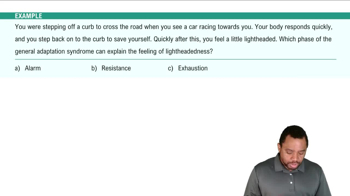
  • General Adaptation Syndrome

    Describes predictable stages—alarm, resistance, exhaustion—through which organisms respond to stress.
  • Alarm Phase

    Initial stage marked by heightened awareness and mobilization of resources in response to a stressor.
  • Resistance Phase

    Period where the body attempts to adapt and maintain stability despite ongoing stress.
  • Exhaustion Phase

    Final stage where prolonged stress depletes resources, leading to wear and tear or illness.
  • Transactional Model

    Framework emphasizing individual evaluation and coping strategies in response to stressors.
  • Appraisal

    Personal interpretation of a stressor, shaping emotional and behavioral responses.
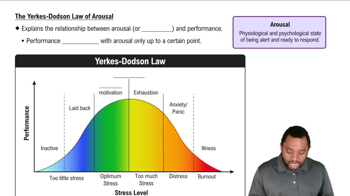
  • Yerkes-Dodson Law

    Illustrates how moderate stress optimizes performance, while excessive stress impairs effectiveness.