Back
BackN1016 Cognition and Assessment Tools - Class 7
Study Guide - Smart Notes
 Tailored notes based on your materials, expanded with key definitions, examples, and context.
Cognition and Aging
Introduction to Cognition
Cognition refers to the mental processes involved in acquiring knowledge and understanding through thought, experience, and the senses. It encompasses a range of domains including perceptual-motor function, language, learning and memory, social cognition, and complex executive function.
Attention span: The ability to focus on specific stimuli or tasks.
Concentration: Sustained mental effort on a particular task.
Intelligence: The capacity for learning, reasoning, and understanding.
Judgment: The ability to make considered decisions.
Learning ability: The capacity to acquire new knowledge or skills.
Memory: The process of retaining and recalling information.
Orientation: Awareness of time, place, and person.
Perception: The process of interpreting sensory information.
Problem-solving: The ability to find solutions to challenges.
Psychomotor ability: Coordination between cognition and physical movement.
Reaction time: The speed of responding to stimuli.
Social intactness: The ability to interact appropriately with others.
Cognitive Changes with Aging
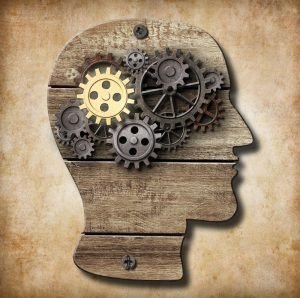
Although aging is associated with a decrease in the number of neurons, brain size, and brain weight, these changes do not necessarily result in a decline in cognitive function. The aging brain demonstrates resilience and adaptability, often maintaining many cognitive abilities despite structural changes.
Memory and Aging
Definition and Types of Memory
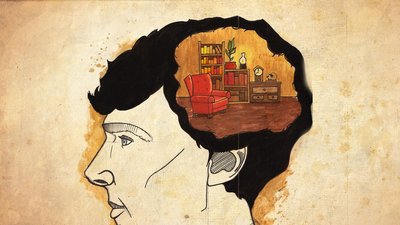
Memory is the ability to retain or store information and retrieve it when needed. It is a critical component of cognition and is often categorized into different types:
Immediate Memory (IR): The ability to recall information just presented.
Short Term Memory (STM): The capacity to hold a small amount of information in an active, readily available state for a short period.
Long Term Memory (LTM): The ability to store information over extended periods, often for a lifetime.

Memory Loss and Aging
Memory loss can occur with aging, but not all memory decline is pathological. Age-Associated Memory Impairment (AAMI) refers to memory loss considered normal for a person's age and educational level. It is important to distinguish between normal aging and conditions such as dementia.
Immediate, Short-Term, and Long-Term Memory
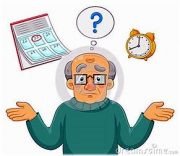
Immediate Memory: Shows a decline with age, affecting the ability to recall information just presented.
Short-Term Memory: The recall of new information tends to decrease with age but can be enhanced using memory aids.
Long-Term Memory: Generally remains more intact than short-term memory in older adults.
Factors Affecting Cognitive Function and Memory
Several factors can interfere with cognitive functioning and memory, including:
Physical health conditions (e.g., cardiovascular disease, diabetes)
Medications
Emotional stress or depression
Lack of mental stimulation
Poor nutrition or dehydration
Enhancing Memory and Cognitive Reserve
Memory and cognitive function can be supported and enhanced through various strategies:
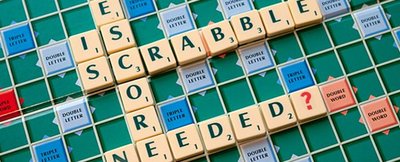
Exercising the mind (e.g., puzzles, reading)
Physical activity
Healthy diet and hydration
Using reminders and cues
Allowing time to remember
Cognitive Reserve refers to the brain's resilience to neuropathological damage, while neuroplasticity is the brain's ability to reorganize itself by forming new neural connections throughout life.
Intelligence in Aging
Fluid and Crystallized Intelligence
Intelligence in older adults is often described using two concepts:
Fluid Intelligence (FI): The ability to reason and solve novel problems, independent of acquired knowledge. FI tends to decline with age due to normal neural deterioration.
Crystallized Intelligence (CI): The accumulation of knowledge, facts, and skills acquired throughout life. CI continues to develop in adulthood as a result of experience and learning.
Attention Span and Learning in Older Adults
Attention Span
Some older adults may experience a decrease in attention span and may be more easily distracted by irrelevant information. However, many can maintain focus with appropriate strategies and environmental modifications.

Learning Capacity
Older adults retain the capacity to learn new information, though the process may be slower. Effective teaching strategies include connecting new learning with past experiences and modifying teaching techniques to suit individual needs.
Use of visual aids
Short, frequent learning sessions
Providing regular positive feedback
Presenting information in small, manageable chunks

Health Literacy and Technology
Health Literacy
Health literacy is the ability to access, understand, and use health information to make appropriate health decisions and maintain basic health. Low health literacy is associated with poorer health outcomes.
6 out of 10 adult Canadians do not have proficient health literacy.
Low literacy levels contribute to low health literacy.

Technology and Informatics
Older adults increasingly use technology to access health information, including websites and social media. Population health management tools are also used in healthcare to support patient education and engagement.
Teaching Considerations for Older Adults
Effective Strategies
When teaching older adults, it is important to:
Treat learners with respect and dignity
Assess readiness and capability to learn
Set realistic, achievable goals
Ensure a conducive learning environment
Use health education materials at or below a grade 5 reading level
Apply the 'teach-back' method: present information in small chunks and ask the learner to restate or explain it

Mental Status Assessment Tools
Screening for Cognitive Impairment
Mini Mental Status Exam (MMSE): Screens for cognitive deficiencies, assessing orientation, short-term memory, attention, calculation, language, and construction.
Mini-Cog: Combines MMSE and the clock drawing test to measure the severity of cognitive impairment.
Montreal Cognitive Assessment (MoCA): Detects mild cognitive impairment and screens for Alzheimer's disease by assessing orientation, short-term memory, executive function, language, and visuospatial abilities.
Challenging Myths About Aging and Learning
It is a myth that older adults cannot learn new skills or information. With appropriate strategies and support, older adults are capable of learning and adapting throughout life.