 Back
BackComfort, Rest, and Sleep: Chapter 36
Study Guide - Smart Notes
 Tailored notes based on your materials, expanded with key definitions, examples, and context.
Comfort, Rest, and Sleep
Introduction
Comfort, rest, and sleep are essential components of personal health, influencing physical, emotional, and spiritual well-being. Discomfort and pain can disrupt rest and sleep, leading to decreased function and reduced quality of life. Understanding these concepts is crucial for promoting overall health and recovery.
Comfort
Definition and Factors Affecting Comfort
Comfort is a state of well-being in which a person experiences no physical or emotional pain. Achieving comfort is influenced by several factors:
Age: Different age groups have varying comfort needs.
Illness: Acute or chronic illnesses can cause discomfort.
Activity level: Physical exertion or inactivity can impact comfort.
Environmental factors: Temperature, ventilation, noise, odors, and lighting all play a role in comfort.
Pain and Discomfort
Understanding Pain
Pain is a subjective experience described as aching, hurting, or soreness. It is both a physical and emotional sensation and serves as a warning signal from the body. Pain is now considered a vital sign, and healthcare providers must rely on the individual's self-report to assess it.
Types of Pain
Acute pain: Sudden onset, usually short-term.
Chronic pain: Lasts longer than three months.
Radiating pain: Felt at the site of tissue damage and in nearby areas.
Referred pain: Felt in a different part of the body from the source.
Phantom pain: Felt in a body part that is no longer present (e.g., after amputation).
Factors Affecting Pain
Past experiences with pain
Anxiety and emotional state
Rest and sleep quality
Attention and focus
Personal and family responsibilities
Cultural background
Illness and age
Assessment of Pain
Pain assessment involves evaluating:
Location, onset, and duration
Intensity (mild, moderate, severe)
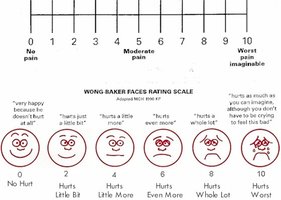
Numeric rating scales and descriptive tools
Factors that worsen or relieve pain
Associated signs and symptoms
Managing Pain and Promoting Comfort
Nursing and Non-Pharmacological Measures
Distraction: Redirecting attention away from pain.
Relaxation techniques: Deep breathing, progressive muscle relaxation.
Massage: Applied to intact, non-reddened skin to relieve discomfort.
Guided imagery: Using mental images to promote relaxation.
Meditation: Focusing the mind to reduce pain perception.
Doctors may prescribe medications to control or relieve pain, but these can have side effects such as orthostatic hypotension, drowsiness, dizziness, and coordination problems.
Rest
Definition and Promotion of Rest
Rest means being calm and at ease. Promoting rest involves meeting the person's physical, safety, love and belonging, and self-esteem needs. Creating a restful environment is essential for recovery and well-being.
Sleep
Importance of Sleep
Sleep is a basic physiological need that allows the mind and body to rest. During sleep, vital signs decrease, tissue healing and repair occur, and stress, tension, and anxiety are reduced. Sleep restores energy and mental alertness. Humans have circadian rhythms, or sleep-wake cycles, that regulate sleep patterns.
Sleep Requirements by Age
Infants: 12–16 hours per day
School-age children: 9–12 hours
Adolescents: 8–10 hours
Adults: 7–8 hours
Regular sleep patterns are considered more important than the exact number of hours slept.
Factors Affecting Sleep
Illness (increases need for sleep)
Nutrition and exercise
Environmental factors (noise, light, temperature)
Drugs and other substances
Lifestyle changes
Emotional problems
Treatments and therapies
Sleep Disorders
Common Sleep Disorders
Insomnia: Difficulty falling asleep, staying asleep, or waking up too early and being unable to return to sleep.
Sleep deprivation: Inadequate quality or quantity of sleep.
Sleepwalking: Walking or performing other activities while not fully awake.
Signs and Symptoms of Sleep Disorders
Daytime sleepiness
Irritability
Difficulty concentrating
Fatigue
Impaired performance
Promoting Sleep
Assessment and Interventions
Healthcare providers assess sleep patterns and report signs and symptoms of sleep disorders. Interventions to promote sleep include:
Following individualized care plans
Reporting observations about sleep quality
Creating a restful environment (e.g., closing windows and curtains, reducing lighting, minimizing noise)
Performing only essential activities at night
Ensuring equipment is quiet (e.g., oiled cart wheels, rubber-soled shoes)
Being mindful of staff conversations and noise
