 Back
Consumer Health and Intelligent Health Care Choices
Study Guide - Smart Notes
 Tailored notes based on your materials, expanded with key definitions, examples, and context.
Consumer Health
Consumer Behavior in Health
Understanding consumer behavior is essential for making informed health-related decisions. Various factors influence what products individuals buy and how much research they conduct before making a purchase.
Influences on Purchases: Marketing strategies, product placement, and personal needs all affect consumer choices.
Researching Products: Time spent researching depends on perceived importance, cost, and complexity of the product.
Decision Factors: Price, quality, brand reputation, and peer recommendations are common considerations.
Example: Choosing between generic and brand-name medications often involves comparing cost and effectiveness.
Marketing Tactics in Health Products
Marketing strategies are designed to influence consumer choices, often in subtle ways.
Product Placement: Expensive items are placed at eye level to increase visibility and sales.
Visual Appeal: Lighting, arrangement, and presentation make products more attractive.
Store Layout: Stores may be rearranged to expose consumers to new products.
Confusing Pricing: Pricing by unit, "two for" deals, and BOGOs (Buy One Get One) can obscure true costs.
Intelligent Consumer Behavior
Making Informed Health Decisions
Being an intelligent health consumer involves skepticism, critical thinking, and seeking reliable information.
Evidence-Based Decisions: Demand scientific evidence and understand the scientific method.
Reliable Sources: Use reputable websites such as Mayo Clinic, NCCIH, Healthfinder, MedlinePlus.gov, and .gov or .edu domains.
Researching Providers: Investigate medical practitioners, treatments, and diagnostic tests before making decisions.
Internet Safety: Look for secure websites ("https"), avoid using debit cards online, and understand return policies to avoid scams.
Health Care Involvement
Active Participation in Health Care
Patients should be proactive in their health care to reduce risks and improve outcomes.
Ask Questions: Engage with health care providers to clarify treatments and medications.
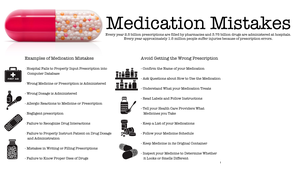
Medication Errors: Medication errors are a significant cause of death, accounting for 9.5% of all deaths in the USA (Johns Hopkins, 2016).
Hospital-Acquired Infections: Approximately 518,000 people develop these infections annually in the U.S. (CDC, 2023).
Common Errors in Health Care
Errors in health care can occur at multiple stages, from diagnosis to treatment.
Surgical Errors: Mistakes during surgery can have serious consequences.
Incorrect Diagnosis: Misdiagnosis can lead to inappropriate or delayed treatment.
Prescription Drug Errors: The WHO estimates 1.3 million injuries from prescription drug errors in 2024.
Dental Errors: Mistakes in dental care can also result in injury.
Choosing Health Care Professionals
Medical Doctors (M.D.)
Medical doctors undergo extensive education and training before practicing independently.
Education: Four-year undergraduate degree followed by four years of medical school.
Examinations: Must pass the MCAT and a national board examination.
Residency: At least three years of hospital-based specialty training.
Licensing: Must pass the USMLE (United States Medical Licensing Exam) in three parts.
Fellowship: Additional training (6 months to 3 years) for certain specialties.
Board Certification: Requires passing specialty exams and periodic renewal every 7-10 years.
Doctor of Osteopathy (D.O.)
Doctors of Osteopathy are legally equivalent to M.D.s, with additional training in the musculoskeletal system.
Training: Similar to M.D.s, including medical school, residency, and licensing exams.
Emphasis: Slightly greater focus on holistic and musculoskeletal health.
Board Certification and Professional Recognition
Board certification indicates a high standard of training and competence.
Board Certified: Physicians who have passed specialty exams and met rigorous standards.
Board Eligible: Physicians who have completed training but not yet taken the specialty exam.
Fellow of the American College of Surgeons: Requires board certification, community practice, and peer review.
Mental Health Professionals
Types of Mental Health Providers
Mental health care is provided by professionals with varying levels of education and training.
Psychiatrists: M.D. or D.O. with specialty training in psychiatry; can prescribe medication.
Psychologists: Ph.D. or Psy.D. with supervised clinical experience; focus on therapy and assessment.
Psychoanalysts: Title is not regulated; may be used by anyone, though most are trained psychologists or psychiatrists.
Certified Clinical Mental Health Counselors: Hold a master's or doctoral degree, clinical experience, and have passed a written exam.
Mental Health Treatments
Various treatment modalities are used in mental health care, each with specific applications and effectiveness.
Cognitive Therapy: Focuses on changing negative thought patterns.
Behavioral Therapy: Targets behavior modification through reinforcement strategies.
Group Therapy: Involves therapy sessions with multiple participants.
Hypnosis: Used for certain psychological conditions.
Drug Therapy: Involves the use of medications to manage symptoms.
Psychotherapy: General term for talk-based therapy approaches.
ECT/EST: Electroconvulsive or electroshock therapy, used for severe depression and other conditions.
Most Common and Effective Treatments: Cognitive and behavioral therapies are widely used and supported by evidence for many mental health conditions.
