 Back
BackFungal Pathogens in Animal and Human Health
Study Guide - Smart Notes
 Tailored notes based on your materials, expanded with key definitions, examples, and context.
Fungal Pathogens: Overview
Introduction to Fungal Pathogens
Fungi are a diverse group of organisms, some of which are capable of causing disease in animals and humans. These diseases, known as mycoses, can range from superficial skin infections to life-threatening systemic illnesses. Understanding the types, transmission, and pathogenic mechanisms of fungi is essential for managing health in both animals and humans.
Dermatophytes: Fungi that invade keratinized tissues such as skin, hair, and nails.
Aspergillus species: Environmental fungi, some of which are opportunistic pathogens.
Yeasts: Often commensals, but can cause disease under certain conditions.
Dimorphic fungi: Exist in yeast form in animals and can cause opportunistic infections.
Zygomycetes: Cause sporadic opportunistic infections.
Mycotoxin-producing species: Produce toxins in crops or stored feed, leading to systemic toxicity.
Dermatophytes
Characteristics and Pathogenicity
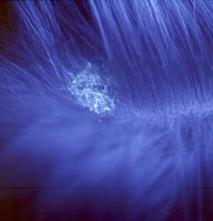
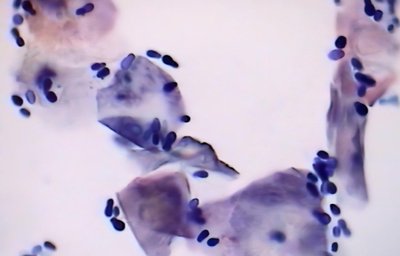
Dermatophytes are septate fungi that invade keratinized structures such as skin, hair, and claws. They are responsible for ringworm and related infections in animals and humans. Infection is facilitated by arthrospores, which are released by fragmentation of hyphae in keratinized tissues.
Key Genera: Microsporum, Trichophyton, Epidermophyton
Transmission: Arthrospores adhere to keratinized structures and germinate within hours, especially in warm, damp environments.
Lesion Development: Depends on fungal virulence and host immune competence. Minor trauma can facilitate infection.
Dermatophyte Species and Hosts
Different dermatophyte species have specific host preferences and geographic distributions. The following tables summarize key species:
Microsporum Species
Dermatophyte | Host | Geographical Distribution |
|---|---|---|
Microsporum canis var. canis | Cats, dogs | Worldwide |
M. canis var. distortum | Dogs | N. Zealand, Australia, N. America |
M. equinum | Horses | Africa, Australasia, Europe, Americas |
M. gallinae | Chickens/turkeys | Worldwide |
M. gypseum | Horses, dogs, rodents | Worldwide |
M. nanum | Pigs | Americas, Europe, Australasia |
Trichophyton Species
Dermatophyte | Host | Geographical Distribution |
|---|---|---|
Trichophyton equinum | Horses | Worldwide |
T. equinum var. autotrophicum | Horses | Australia, N. Zealand |
T. mentagrophytes var. mentagrophytes | Rodents, dogs, horses, others | Worldwide |
T. verrucosum | Cattle | Worldwide |
Habitats and Host Preference
Geophilic: Live in soil, decompose keratinous materials, infect via soil or animal contact.
Zoophilic/Anthropophilic: Obligate pathogens, reproduce via arthrospores, invade tissues.
Transmission and Pathogenicity
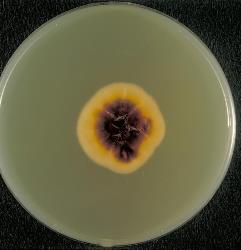
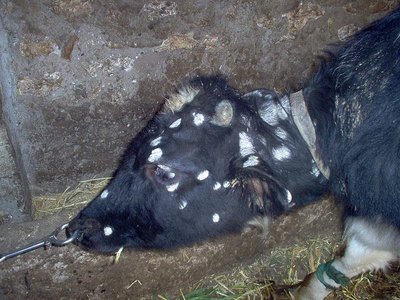
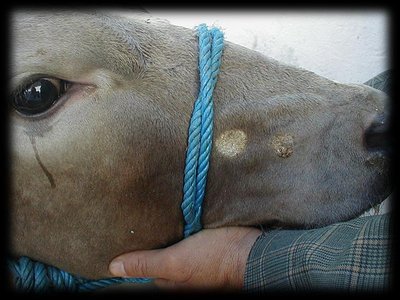
Dermatophytes grow centrifugally from the initial lesion, producing characteristic ringworm lesions. The center of the lesion often shows alopecia and tissue repair, while the periphery is active with fungal growth. Secondary bacterial infections may occur.
Host Response: Local inflammatory response, transient immunity, antibodies are not protective.
Aspergillus Species
Characteristics and Disease
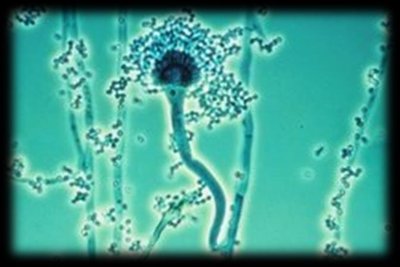
Aspergillus species are widespread environmental fungi. Only a few species cause disease, typically as opportunistic respiratory pathogens following inhalation of spores. Immune status of the host is a key determinant of disease outcome. Some species, such as Aspergillus flavus, produce mycotoxins in feeds and crops.
Yeasts
Pathogenic Yeasts
Yeasts are unicellular fungi, some of which are commensals on skin and mucous membranes. Pathogenic genera include Candida, Cryptococcus, and Malassezia. Disease often occurs in immunocompromised hosts or when the normal microbiota is disrupted.
Candida albicans: Adhesion via integrin-like molecules, tissue invasion via proteases and phospholipases.
Clinical Disease: Local mucocutaneous infections in oral, GI, or urogenital tracts.
Predisposing Factors: Impaired immunity, concurrent disease, antibiotic use.
Mycotoxins
Production and Effects
Mycotoxins are toxic metabolites produced by over 100 fungal species, including Penicillium, Aspergillus, Fusarium, and Claviceps. These toxins contaminate crops and stored feeds, remaining stable even after heat processing. Ingestion leads to mycotoxicosis, with effects varying by toxin and species.
Aflatoxicosis
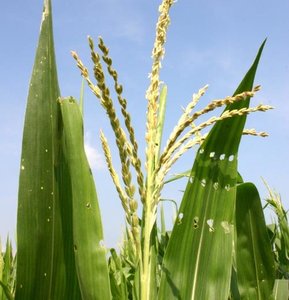
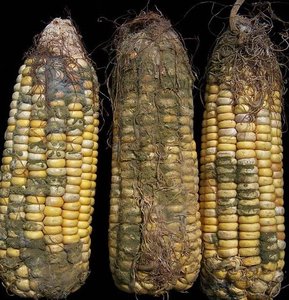
Aflatoxins, produced by Aspergillus flavus, A. parasiticus, and A. nominus, are potent hepatotoxins and carcinogens. They contaminate a variety of crops, especially under warm, moist conditions. Young monogastric animals are particularly susceptible.
Main Aflatoxins: B1, B2, G1, G2
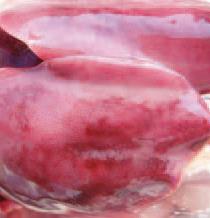
Effects: Hepatocellular necrosis, impaired liver function, carcinogenesis, teratogenesis, immunosuppression.
Clinical Disease
Subacute Aflatoxicosis: Chronic low-level exposure leads to poor growth, immunosuppression, and economic losses.
Acute Aflatoxicosis: Sudden severe symptoms, including neurological signs, liver failure, and death in various species.
Diagnosis and Control
Diagnosis: Post-mortem tissue analysis, feed analysis, immunoassays (ELISA), biological assays, chromatography.
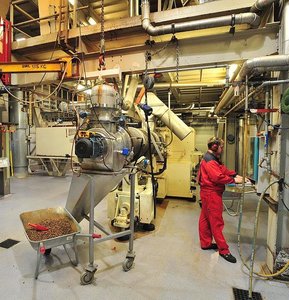
Control: Preventing fungal growth in crops and feeds through proper storage and moisture control.
Summary
Common fungal pathogens are often commensals or environmental organisms that cause opportunistic infections.
Pathogenic fungi have complex mechanisms for tissue invasion and immune evasion.
Host factors such as immunosuppression, antibiotic use, and trauma increase susceptibility.
Mycotoxins produced by fungi can cause severe systemic toxicity, especially when present in feedstuffs.
