 Back
BackIndigenous Health, Wellness, and Research: A Personal and Structural Perspective
Study Guide - Smart Notes
 Tailored notes based on your materials, expanded with key definitions, examples, and context.
Indigenous Health & Wellness: Perspectives and Realities
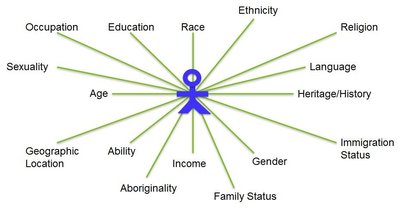
Positionality and Identity in Health Contexts
Understanding positionality is essential in health sciences, as it shapes how individuals experience health, wellness, and healthcare systems. Positionality refers to the recognition that our identities are influenced by social constructs and memberships within society.
Definition: Positionality is the acknowledgment of how aspects such as race, gender, age, ability, and socioeconomic status influence our perspectives and experiences.
Application: In health research and practice, recognizing positionality helps address biases and ensures culturally safe care.
Example: An Indigenous woman with mixed heritage may experience health and wellness differently due to intersecting identities.
Indigenous Health Perspectives
Western Allopathic Medicine vs. Indigenous Traditional Health
Health and wellness are conceptualized differently in Western and Indigenous paradigms. Understanding these differences is crucial for culturally competent care.
Western Allopathic Medicine: Focuses on disease as a chemical or physiological imbalance, using the biomedical model for diagnosis and treatment.
Traditional Indigenous Health: Views illness as a result of social, spiritual, and psychological disturbances, emphasizing natural and spiritual remedies to restore harmony.
Wholistic Approach: Indigenous health balances physical, mental, emotional, and spiritual well-being, recognizing the interconnectedness of all aspects of life.
Two-Eyed Seeing: Integrates both Western and Indigenous worldviews for collaborative health solutions.
Indigenous Healing Practices
Healing practices among Indigenous peoples are diverse and rooted in cultural traditions. These practices aim to restore balance and harmony within individuals and communities.
Examples of Healing Practices: Smudging, ceremonies, sweat lodges, prayer, song, dance, and language revitalization.
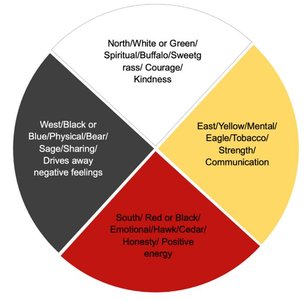
Medicine Wheel: A symbolic representation of wholistic health, often divided into four quadrants representing physical, mental, emotional, and spiritual aspects.
Determinants of Indigenous Health
Social Determinants of Health
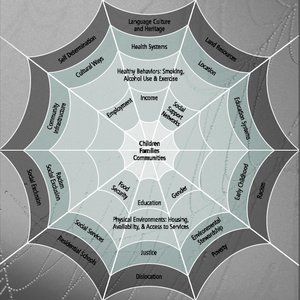
Health outcomes are shaped by a range of social, economic, and environmental factors. For Indigenous peoples, these determinants are influenced by historical and ongoing colonization.
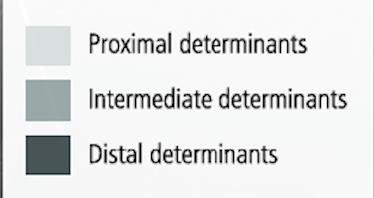
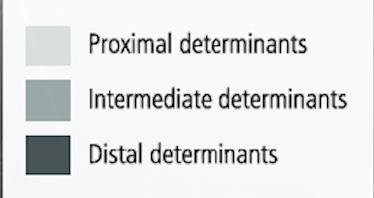
Proximal Determinants: Direct influences such as health behaviors, physical environments, and access to health services.
Intermediate Determinants: Community infrastructure, resources, and systems (e.g., education, employment, health systems).
Distal Determinants: Broader systemic factors such as colonialism, racism, and social exclusion.
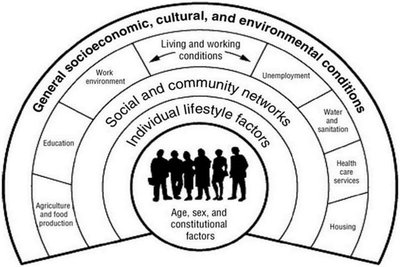
General Model of Health Determinants
This model illustrates how individual, social, and environmental factors interact to influence health outcomes.
Individual Factors: Age, sex, genetics, and lifestyle choices.
Social Networks: Family, community, and social support systems.
Socioeconomic and Environmental Conditions: Education, employment, housing, and access to healthcare.
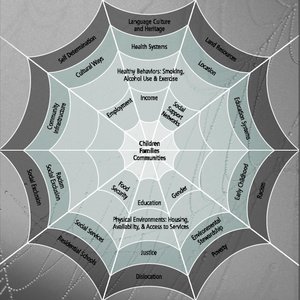
Colonization and Health Inequities
Colonial Policies and Their Impact
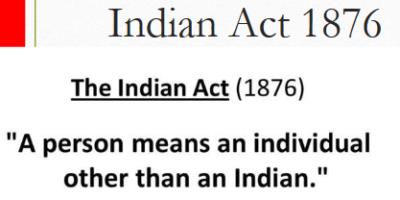
Colonization has had profound and lasting effects on the health and wellness of Indigenous peoples in Canada. Policies such as the Indian Act and the residential school system have contributed to intergenerational trauma and systemic inequities.
The Indian Act (1876): Legislation that systematically marginalized Indigenous peoples and sanctioned discriminatory practices.
Residential Schools: Institutions aimed at assimilating Indigenous children, resulting in cultural loss and intergenerational trauma.
Ongoing Effects: Lower health outcomes, higher rates of chronic disease, mental health challenges, and limited access to healthcare.
Health Disparities and Access to Care
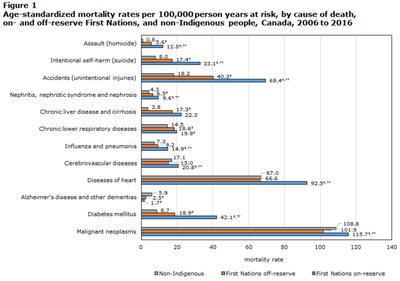
Indigenous peoples in Canada experience significant health disparities compared to non-Indigenous populations, including higher rates of chronic diseases, mental health issues, and reduced access to essential services.
Chronic Diseases: Higher prevalence of cancer, HIV/AIDS, heart disease, and diabetes.
Mental Health: Increased rates of suicide and decreased mental health outcomes.
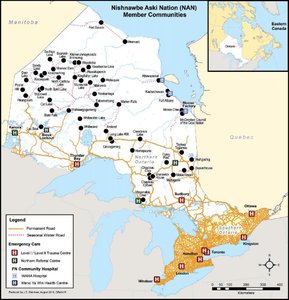
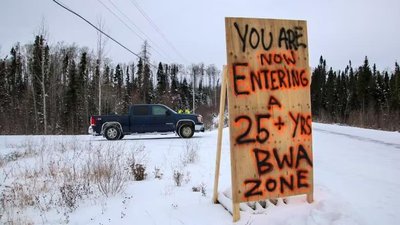
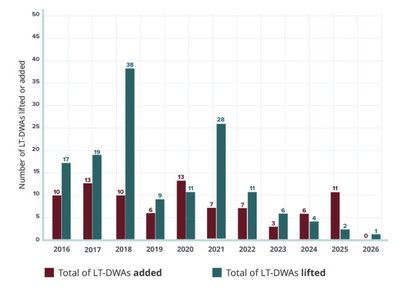
Access to Services: Many Indigenous communities face barriers to healthcare, safe drinking water, and adequate housing.
Addressing Indigenous Health Inequities
Truth and Reconciliation Commission (TRC) Calls to Action
The TRC has outlined specific actions to address health inequities faced by Indigenous peoples, emphasizing the need for recognition, accountability, and culturally safe healthcare.
Call to Action | Summary |
|---|---|
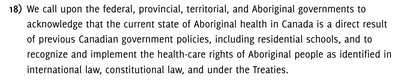
18 | Acknowledge that current Indigenous health outcomes are a direct result of past government policies, including residential schools, and recognize health-care rights under treaties and law. |
19 | Establish measurable goals to close health gaps between Indigenous and non-Indigenous communities, focusing on indicators such as infant mortality, mental health, and access to services. |
Decolonial Approaches in Health Research and Practice
Decolonial methodologies prioritize Indigenous voices and leadership in health research and service delivery. Key principles include respect, reciprocity, relationship, and responsibility (the 4 R's).
Community-Driven Research: Projects are led by and for Indigenous communities.
Strengths-Based Approaches: Focus on resilience and strengths rather than deficits.
"Nothing About Us Without Us": Ensures Indigenous peoples are central to decisions affecting their health.
Conclusion
Understanding Indigenous health and wellness requires a holistic, culturally informed approach that recognizes the impacts of colonization, values traditional knowledge, and supports self-determination. Addressing health inequities involves systemic change, accountability, and meaningful collaboration with Indigenous communities.
