 Back
BackN1015 Nutrition - Class 8
Study Guide - Smart Notes
 Tailored notes based on your materials, expanded with key definitions, examples, and context.
Nutrition: Science and Impact
Definition and Importance
Nutrition is the science of optimal cellular metabolism and its impact on health and disease. It encompasses the processes by which food and nutrients affect growth and development, cellular function and repair, health promotion, and disease prevention.
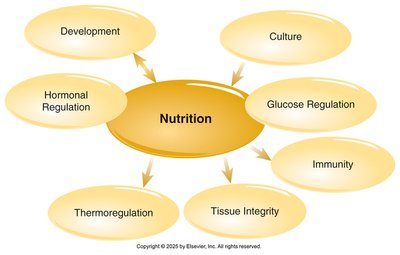
Nutrition affects multiple aspects of health, including hormonal regulation, glucose regulation, immunity, tissue integrity, thermoregulation, development, and cultural practices.
Understanding nutrition is essential for self-management of health, especially in chronic disease contexts.
Categories of Nutrients
General Overview
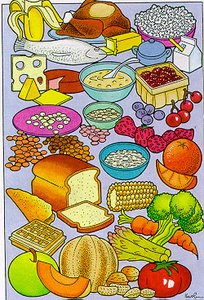
Nutrients are substances in food that provide energy, form body structures, and regulate biochemical reactions. There are six general categories:
Carbohydrates
Proteins
Fats
Vitamins
Minerals
Water
Carbohydrates
Structure and Function
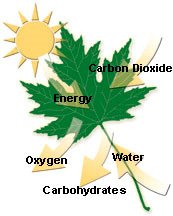
Carbohydrates are compounds of carbon, hydrogen, and oxygen. Through photosynthesis, plants convert CO2 and H2O into glucose, the most basic unit of carbohydrates. Most carbohydrates are plant-derived, except lactose (milk sugar).
Body's preferred source of energy
Storage form: Glycogen
Energy value: 1 gram = 4 kcal
Recommended intake: 55% of daily calories (6-10 g/kg body weight per day)
Types of Carbohydrates
Simple Carbohydrates: Monosaccharides (glucose, fructose, galactose) and disaccharides (lactose, maltose, sucrose)
Complex Carbohydrates: Starches (pasta, rice, breads, potatoes) are chains of glucose molecules
Fibre: Includes both soluble and insoluble types, important for digestive health
Fibre
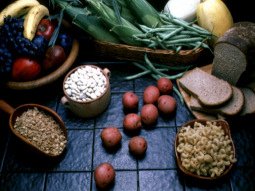
Insoluble Fibre: Wheat, rice, bran, whole grain cereals and breads
Soluble Fibre: Oats, oat bran, peas, beans, root vegetables, citrus fruits
Both Types: Apples, pears, barley, bananas, prunes, cabbages
Glycemic Index
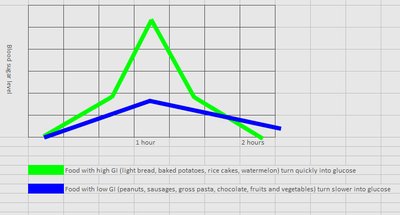
The glycemic index (GI) measures how quickly carbohydrates in food raise blood glucose levels. Foods with a low GI turn slowly into glucose, while high GI foods turn quickly into glucose. This is especially relevant for diabetes management.
Low GI: Less than 55
High GI: Greater than 70
Protein
Structure and Function
Proteins are essential for structure and function in the body. They are made up of amino acids, including 9 essential and 11 nonessential amino acids. High-quality proteins contain all essential amino acids.
Energy value: 1 gram = 4 kcal
Recommended intake: 10-35% of daily calories (0.8 g/kg body weight per day)
High-quality sources: Meat, fish, poultry, cheese, milk, eggs, soybean products, quinoa
Vegetarian Protein
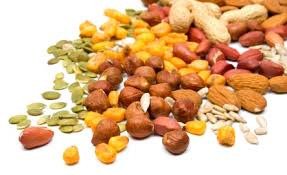
Vegetarians can obtain protein through mutual supplementation, combining foods with different amino acid profiles (e.g., grains and legumes).
Examples: Soup, chili, hummus with veggies, granola
Protein and Muscle Growth
Exercise, not excess protein intake, stimulates muscle growth. Adequate protein is necessary for tissue repair, but excess protein leads to increased metabolic waste and potential weight gain.

Fat
Types and Functions
Fats are a storage form for energy and are part of cell structures. They are also necessary for the absorption of fat-soluble vitamins (A, D, E, K).
Energy value: 1 gram = 9 kcal
Recommended intake: Less than 30% of daily calories
Unsaturated Fats (The Good)
Mainly from vegetable sources
Liquid at room temperature
Examples: Olive oil, safflower oil, soybean oil, nuts, seeds, omega-3 (canola oil, walnuts, fish), omega-6 (leafy veggies, seeds, nuts, grains)
Saturated Fats (The Bad)
Mainly from animal sources
Solid at room temperature
Examples: Butter, cream, lard, fatty meats, cheeses, tropical oils
Recommended: Less than 10% of daily calories
Trans Fats (The Ugly)
Trans fats are created by hydrogenation, making unsaturated fats act like saturated fats. They are found in processed foods and increase cardiovascular risk.
Examples: Margarines, shortenings, peanut butter, cookies, donuts, crackers, cakes, fried foods

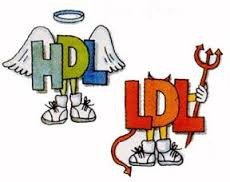
Cholesterol
Role and Health Impact
Cholesterol is essential for cell membranes, hormone synthesis, and vitamin D production. Genetics influence cholesterol metabolism. High blood cholesterol increases cardiovascular disease risk.
Vitamins
Types and Functions
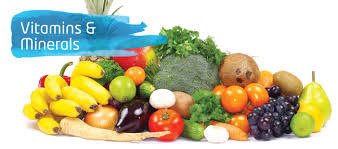
Vitamins are organic compounds that assist other nutrients in digestion, absorption, metabolism, and excretion. They provide no energy but are vital for health.
Water-soluble: B vitamins, vitamin C
Fat-soluble: Vitamins A, D, E, K
Minerals
Types and Functions
Minerals are inorganic compounds serving structural purposes in bones and teeth and are found in body fluids, influencing muscle and nervous system function.
Major (macro) minerals: Needed in larger amounts
Trace (micro) minerals: Needed in smaller amounts
Water
Importance
Water is a major component of all body tissues and is essential for survival. It transports nutrients and waste products and is a constituent of blood.
Food Labelling
Required Information
Federal law requires most packaged foods to be labelled with a nutrition facts table, including serving size, calories, nutrients, percent daily values (% DV), and an ingredient list.
Helps consumers make informed choices about their diet
Nutrition Issues: Past and Present
Historical Deficiencies
In the past, nutritional deficiencies led to diseases such as rickets, scurvy, beriberi, and night blindness.
Rickets: Vitamin D deficiency
Scurvy: Vitamin C deficiency
Beriberi: Thiamine (B1) deficiency
Night Blindness: Vitamin A deficiency


Current Nutrition-Related Diseases
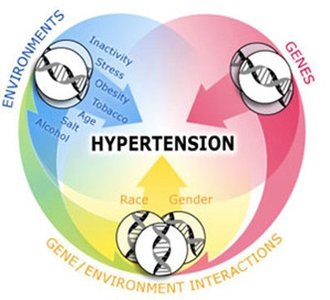
Today, nutrition issues are linked to chronic diseases such as diabetes, hypertension, metabolic syndrome, hypercholesterolemia, and cancer.
Nutrition Strategies: Local and National Perspectives
Canada's Food Guide
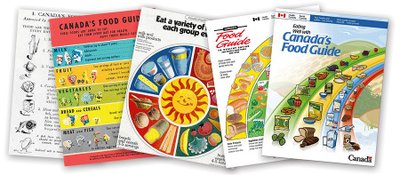
Canada's Food Guide provides recommendations for healthy eating, emphasizing variety and balance across food groups.
Local Initiatives
Mother Baby Nutrition Supplement: Financial support for low-income expectant women and families with infants
Poverty Reduction Initiatives: Programs to improve access to healthy food
School Lunch Programs: Promote healthy eating among children
Food Environment and Food Deserts
Challenges
Food deserts are areas with limited access to affordable and nutritious food. Residents may need to travel long distances or rely on public transportation.
Contributes to food insecurity and poor nutrition

Solutions
Community gardens
Local markets
Support for neighborhood convenience stores
Mobile markets


Current Food Context
Issues
Food insecurity
Lack of cooking and food preparation skills
Portion distortion
Targeted marketing to children
Sugar-sweetened beverages
Provincial Priorities and Vision
Healthy Eating Plan
The vision is for all residents to have reasonable access to an adequate, nutritious, and safe food supply, supported by a comprehensive network of food and nutrition services.
Self-Management in Nutrition
Concept and Components
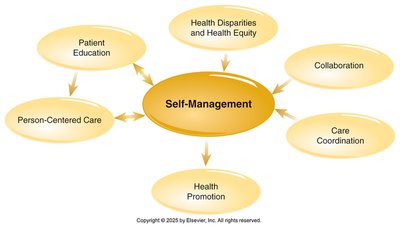
Self-management is the ability to engage in daily tasks required to maintain health and well-being, or to manage chronic disease, based on knowledge and collaboration with healthcare teams.
Includes patient education, person-centered care, health promotion, care coordination, collaboration, and addressing health disparities and equity.
Summary Table: Nutrient Categories and Functions
Nutrient | Main Function | Energy Value | Examples |
|---|---|---|---|
Carbohydrates | Energy, metabolism | 4 kcal/g | Bread, rice, fruits |
Protein | Structure, function, repair | 4 kcal/g | Meat, eggs, legumes |
Fat | Energy storage, cell structure | 9 kcal/g | Oils, nuts, butter |
Vitamins | Regulation, metabolism | 0 kcal/g | Fruits, vegetables |
Minerals | Structure, regulation | 0 kcal/g | Vegetables, dairy |
Water | Transport, regulation | 0 kcal/g | Water, fruits |
Additional info: Academic context was added to clarify the role of nutrients, the impact of food environment, and the importance of self-management in health.
