Back
BackTobacco, Alcohol, and Substance Use: Health Risks, Prevalence, and Harm Reduction
Study Guide - Smart Notes
 Tailored notes based on your materials, expanded with key definitions, examples, and context.
Tobacco Use and Health
Global and National Impact of Tobacco
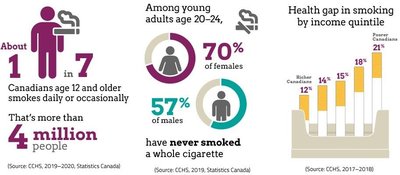
Tobacco use is a leading cause of preventable disease and death worldwide. Its health risks have become widely recognized since the mid-20th century, with millions of deaths attributed to tobacco annually. In Canada, about 1 in 7 individuals aged 12 and older smoke daily or occasionally, amounting to over 4 million people. Tobacco use is also associated with significant environmental impacts, including deforestation and pollution from cigarette butts.
Health Risks of Tobacco
Cancer: Tobacco use is a major cause of lung, mouth, throat, and other cancers.
Cardiovascular Disease: Increases risk of heart disease and stroke.
Respiratory Disease: Causes chronic obstructive pulmonary disease (COPD) and worsens asthma.
Reproductive Health: Female smokers are at increased risk for cervical cancer, menstrual problems, fertility issues, premature delivery, and low birth weight babies. Male smokers are at increased risk for erectile dysfunction.
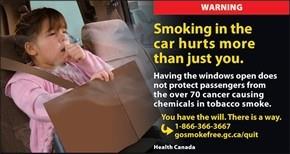
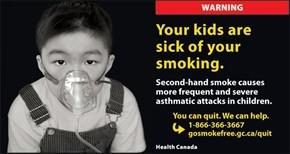
Second-Hand Smoke: Exposure to environmental tobacco smoke causes similar health risks, especially in children, including more frequent and severe asthma attacks.
Trends and Disparities in Tobacco Use
The prevalence of tobacco use has been declining in Canada, with notable differences by age, gender, and income. Young adults and individuals in lower income quintiles are more likely to smoke, highlighting health disparities that must be addressed through targeted public health strategies.
Vaping and Tobacco Alternatives
Vaping involves inhaling an aerosol produced by electronic devices. While often marketed as a safer alternative to smoking, vaping carries similar risks due to the presence of nicotine and other chemicals. The majority of youth who vape start before age 18, and flavorings increase the appeal to young people. Both freebase nicotine and nicotine salts are used in vaping products.

Smoking and Vaping Cessation
Quitting tobacco and vaping yields immediate and long-term health benefits, including reduced risk of heart disease, improved lung function, and decreased cancer risk. Most individuals attempt to quit on their own, but support from friends, family, and professional resources can increase success rates.

Alcohol Use and Health
Binge Drinking and Blood Alcohol Concentration (BAC)
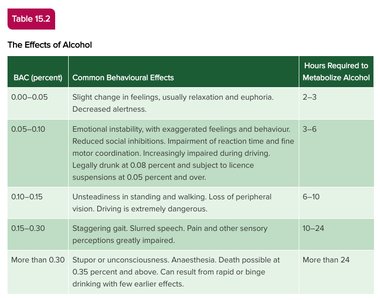
Binge drinking is defined as consuming enough alcohol in a short period to raise BAC to 0.08% or higher. This pattern of drinking is associated with acute health risks, including alcohol poisoning, accidents, and violence. The effects of alcohol vary with BAC, impacting behavior, coordination, and consciousness.
BAC (percent) | Common Behavioural Effects | Hours Required to Metabolize Alcohol |
|---|---|---|
0.00–0.05 | Slight change in feelings, relaxation, euphoria, decreased alertness | 2–3 |
0.05–0.10 | Emotional instability, impaired coordination, legally drunk at 0.08% | 3–6 |
0.10–0.15 | Unsteadiness, loss of peripheral vision, dangerous driving | 6–10 |
0.15–0.30 | Staggering gait, slurred speech, impaired perception | 10–24 |
More than 0.30 | Stupor, unconsciousness, possible death | More than 24 |
Health and Social Risks of Alcohol
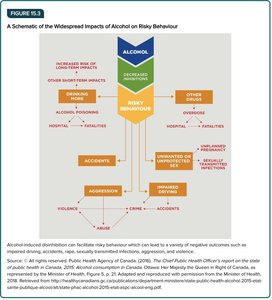
Acute Effects: Injuries, intoxication, overdoses, poisoning, aggression, and accidents.
Chronic Effects: Liver disease, cancers, cardiovascular disease, and mental health disorders.
Social Effects: Impaired relationships, work and legal problems, violence, and community harm.
Alcohol Poisoning: Recognition and Response
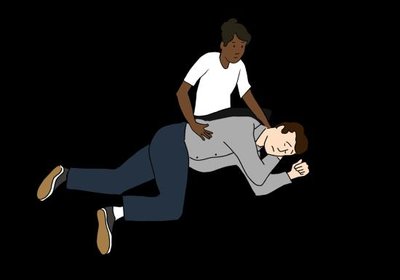
Alcohol poisoning is a medical emergency. Signs include cold and sweaty skin, unconsciousness, vomiting, and slow or irregular breathing. Immediate action includes checking responsiveness, calling for help, placing the person in the recovery position, and not leaving them alone.
Low-Risk Alcohol Drinking Guidelines
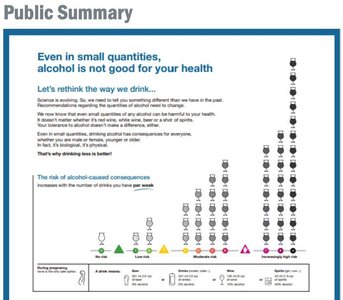
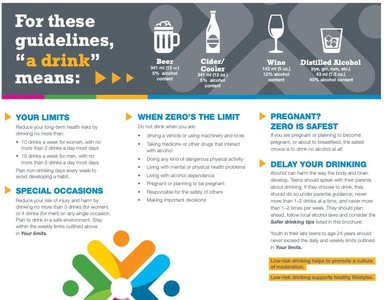
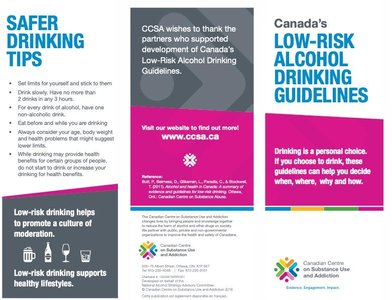
Canada's guidelines recommend drinking moderately and responsibly, spacing drinks, eating before and while drinking, and knowing personal limits. Special populations, such as pregnant individuals, are advised to abstain completely. The risk of alcohol-related harm increases with the number of drinks consumed per week.
Cannabis Use and Health
Prevalence and Patterns of Cannabis Use
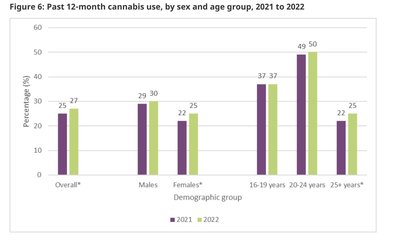
Cannabis is widely used for both medicinal and recreational purposes. The main psychoactive component is THC, while CBD is non-psychoactive. Use is highest among young adults, with nearly half of individuals aged 20–24 reporting use in the past year.
Health Risks and Cannabis Poisoning
Acute Effects: Chest pain, rapid heartbeat, nausea, vomiting, psychotic episodes, respiratory depression, severe anxiety, and panic attacks.
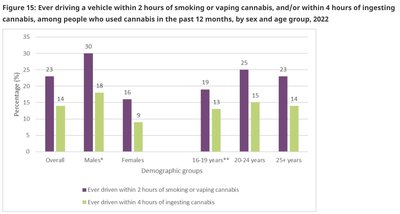
Impaired Driving: Operating vehicles under the influence of cannabis is a criminal offense and a major public health concern.
Perceived Risks of Substance Use
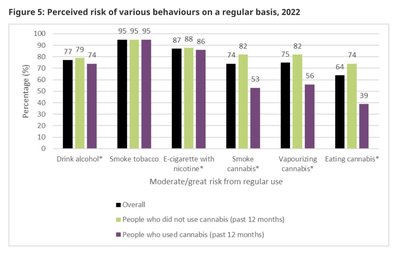
Perceptions of risk vary by substance and user status. Most Canadians recognize the risks of regular alcohol and tobacco use, but those who use cannabis perceive lower risks associated with its use.
Addiction and Substance Use Disorder
Understanding Addiction
Addiction is a chronic disease characterized by compulsive substance use despite harmful consequences. The Canadian Mental Health Association describes the 4 C's of addiction: craving, loss of control, compulsion, and continued use despite consequences. Risk factors include genetics, environment, mental health, and social influences.
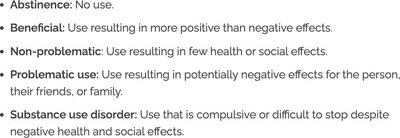
Spectrum of Substance Use
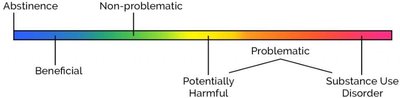
Substance use exists on a spectrum from abstinence to substance use disorder. Non-problematic use has few negative effects, while problematic use and substance use disorder involve significant health and social harms.
Resources for Substance Abuse and Cessation
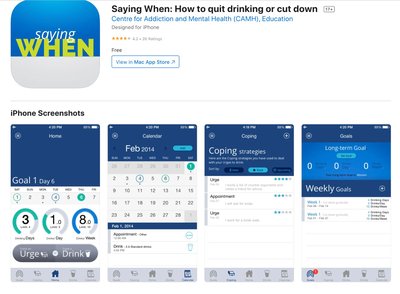
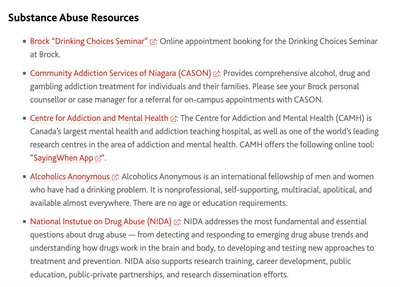
Support for quitting or reducing substance use includes counseling, support groups, mobile applications, and national resources. The "Saying When" app is one example of a tool to help individuals cut down or quit drinking.