 Back
BackUnderstanding Drug Labels: Safe Medication Practices
Study Guide - Smart Notes
 Tailored notes based on your materials, expanded with key definitions, examples, and context.
The Drug Label
Introduction to Drug Labels
Drug labels provide essential information for the safe and effective use of medications. Understanding each component of a drug label is crucial for healthcare professionals and patients to ensure proper administration, avoid errors, and maximize therapeutic outcomes.
Drug Name: Includes both the generic (universal or pharmacological) and brand (trade or proprietary) names. The brand name is often followed by the ® symbol.
Strength and Form: Indicates the dose strength and the physical form (e.g., tablet, capsule, liquid).
Route(s) of Administration: Specifies how the drug should be given (e.g., oral, intravenous, topical).
Dosage and Administration: Provides instructions on how much and how often to take the medication.
Instructions for Mixing: For powdered drugs, instructions for reconstitution are included.
Storage Information: Details on how to store the medication safely.
Manufacturer: The company that produces the drug.
Alerts and Warnings: Includes information on controlled substances and boxed warnings.
Single vs Multi-dose: Indicates if the container is for single or multiple uses.
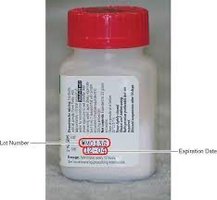
Expiration Date: The date after which the drug should not be used.
Total Amount/Volume: The total quantity in the container.
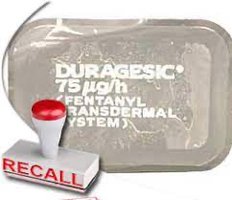
Lot Number: Used for tracking and recalls.
Drug Names
Generic vs Brand Names
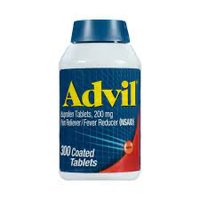
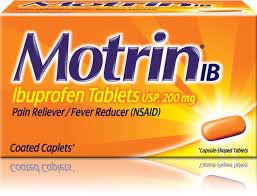
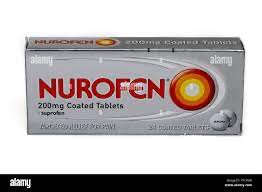
Generic names are the universal names for drugs, while brand names are specific to manufacturers. For example, ibuprofen is the generic name, while Motrin and Advil are brand names for the same active ingredient.
Drugs with the USP mark meet standards of purity, quality, and strength set by the United States Pharmacopeia.
Safe Medication Practices
Right Drug
Ensuring the correct drug is administered is fundamental to patient safety.
Always verify patient allergies before administration.
Check expiration dates and never use unlabeled or unreadable containers.
Do not substitute a different drug form than what is ordered.
Right Dose and Form
Solid forms include tablets (scored, unscored, coated, uncoated), capsules, caplets, and gel tabs. 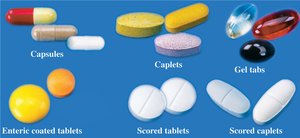 Liquid forms include elixirs (alcohol solution), syrups (sugar and water solution), and suspensions (insoluble drug in liquid base).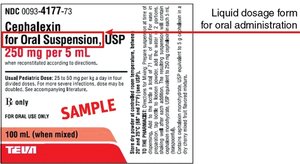
To calculate the correct dose, compare the ordered dose with the supplied dose.
Some drugs are manufactured as fixed-dose combinations, containing two active ingredients with specified strengths.
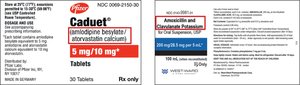
Extended Formulations
Sustained-release (SR), Extended-release (ER/XR), Controlled-release (CR): These formulations dissolve slowly to release medication over time.
Drug Packaging
Unit dose: Single-use packaging for solid or liquid forms.
Multi-dose: Packaging for multiple uses, available in both solid and liquid forms.
Single-dose vs Multi-dose
Single-dose containers are intended for one-time use, while multi-dose containers can be used multiple times.
Routes of Administration
Common Routes
The route of administration determines how a drug enters the body and affects its absorption and action.
By mouth (PO): Tablets, capsules, liquids taken orally.
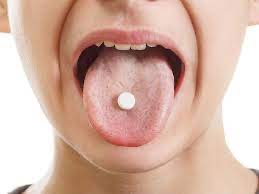
Sublingual (SL): Placed under the tongue for rapid absorption.
Buccal (buc): Placed between the gum and cheek.
Nasogastric (NG/NGT): Administered via a tube through the nose to the stomach.
Suppository (supp): Inserted into the rectum, vagina, or urethra.
Topical (top): Applied directly to the skin.
Transdermal (TD): Medication delivered through the skin via a patch.

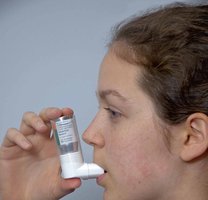
Inhalation (inh): Medication delivered directly to the lungs via inhalers or nebulizers.


Ophthalmic (opth): For the eyes.
Otic: For the ears.
Intranasal: For the nose.
Parenteral routes: Include intravenous (IV), intravenous push (IVP), intravenous piggyback (IVPB), subcutaneous (subcut), intramuscular (IM), intradermal (ID), epidural, intrathecal (IT), and intracardiac (IC).
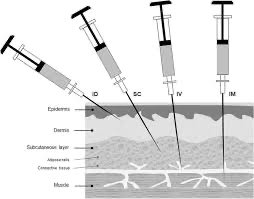
Parenteral routes are specifically indicated on the drug label.
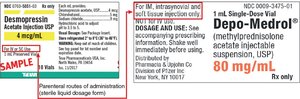
Alerts and Warnings
Controlled Substances
Controlled substances are drugs with potential for abuse and addiction.
Indicated on the label by a "C" and a Roman numeral (I-V) denoting the schedule.
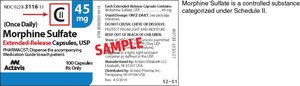
Storage, Expiration, and Other Label Information
Storage and Expiration Date
Labels provide instructions for proper storage and the expiration date, which is critical for drug safety and efficacy.
Total Amount and Lot Number
The label indicates the total amount (e.g., number of tablets, mL of liquid) and the lot number, which is important for recalls.
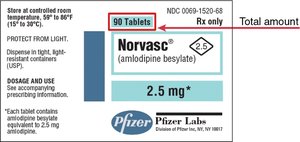
Practice Problems
Applying Drug Label Knowledge
Practice problems help reinforce the identification of key drug label components, such as brand and generic names, dosage strength, route of administration, and warnings.
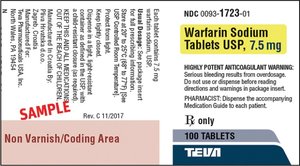
Example: Identifying information on a warfarin sodium label.
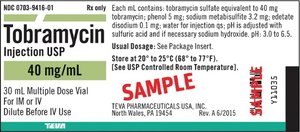
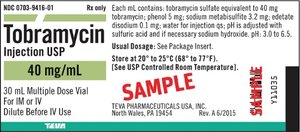
Example: Identifying information on a tobramycin injection label.
Summary Table: Key Components of a Drug Label
Component | Description |
|---|---|
Drug Name | Generic and brand names |
Strength and Form | Dosage amount and physical form |
Route of Administration | How the drug is given |
Dosage and Administration | Instructions for use |
Storage Information | How to store the drug |
Manufacturer | Company producing the drug |
Alerts and Warnings | Controlled substance, boxed warnings |
Expiration Date | Last date for safe use |
Total Amount/Volume | Quantity in container |
Lot Number | Tracking and recall information |
Additional info: Understanding drug labels is a foundational skill for safe medication administration and is directly relevant to personal health, especially in the context of medication safety and disease management.
