 Back
BackAggression and Social Psychology: Causes, Types, and Influences
Study Guide - Smart Notes
 Tailored notes based on your materials, expanded with key definitions, examples, and context.
Social Psychology: Aggression
Definition and Types of Aggression
Aggression is any behavior intended to harm another person who is motivated to avoid that harm. Psychologists distinguish between several forms of aggression based on motivation and expression.
Displaced Aggression: Aggression directed at a substitute target rather than the source of anger, often due to fear of consequences from confronting the real source.
Indirect Aggression: Harm is caused through indirect means, such as gossip or rumor-spreading, rather than direct confrontation.
Instrumental (Proactive) Aggression: Aggression used as a means to achieve a goal, not driven by personal anger (e.g., robbery, bullying for power).
Hostile Aggression: Aggression driven by anger with the primary aim of inflicting pain or injury (e.g., personal revenge).



Antisocial Behavior
Antisocial behavior refers to actions that damage interpersonal relationships or are culturally undesirable, such as malicious gossip, cheating, stealing, or violence for personal gain.
Reactive vs. Proactive Aggression
Reactive Aggression: Unplanned, impulsive response to a perceived threat or frustration.
Proactive Aggression: Deliberate and planned, often used as a tool to achieve a specific outcome.
These types are often difficult to distinguish, as motives can be mixed.
Bullying
Bullying is persistent aggression by a perpetrator against a victim to establish a power imbalance. It can include physical, verbal, or social harm, and may occur in person or through digital means (cyberbullying).
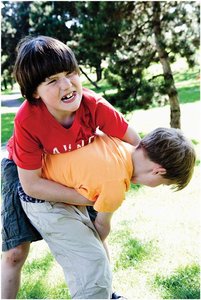
Is Aggression Innate, Learned, or Optional?
Biological and Psychoanalytic Perspectives
Freud's Theory: Proposed two basic instincts: Eros (life instinct) and Thanatos (death/aggression instinct). Freud believed aggression is an inborn drive, but culture and socialization curb its expression.
Evolutionary Psychology: Argues that aggression is genetically programmed, especially in males, to establish dominance and protect paternity. Animal studies show both instinctual and learned components.
Social and Developmental Perspectives
Social Psychologists: Emphasize the role of learning and situational factors, suggesting aggression can be reduced by changing environments and social norms.
Developmental Influences: Children learn to distinguish between moral issues, social conventions, and personal choices from a young age, with cultural variation in these domains.


Culture and Aggression
Cultural Variation in Aggression
Human cultures differ widely in their acceptance and expression of aggression. For example, 'cultures of honour' may condone violence to protect reputation. Margaret Mead's studies in New Guinea highlighted how gender roles and aggression vary across societies.
Arapesh: Both genders displayed nurturing, 'feminine' traits.
Mundugamor: Both genders displayed aggressive, 'masculine' traits.


Gender and Aggression
Boys and men are more likely to engage in physical aggression, while girls and women more often use social or relational aggression (e.g., gossip).
Testosterone may play a role, but its effects are generally small.


Learning Aggression: Social Learning Theory
Observational Learning and Aggression
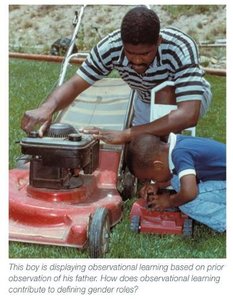
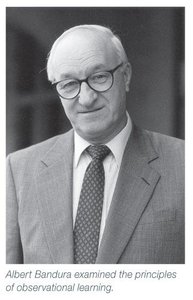
According to Albert Bandura's Social Learning Theory, people learn aggressive behaviors by observing and imitating others, especially role models. Media exposure and real-life examples can increase the likelihood of aggressive behavior in children and adults.
Bandura's Bobo Doll Study: Children who observed adults behaving aggressively toward a Bobo doll were more likely to imitate that aggression, even inventing new forms of aggressive behavior.
Four Steps of Observational Learning:
Attention
Retention
Reproduction
Motivation
Biological Factors in Aggression
Brain Chemistry and Aggression
Serotonin: A neurotransmitter involved in mood regulation. The serotonin-deficiency hypothesis suggests that low serotonin levels may increase aggression, but research findings are mixed.
Situational Causes of Aggression
Frustration-Aggression Hypothesis
The Frustration-Aggression Theory posits that frustration (being blocked from a goal) increases the likelihood of an aggressive response. However, not all frustration leads to aggression; the effect is stronger when the goal is close or the frustration is unexpected, and weaker when the cause is understandable or unintentional.
Relative Deprivation: The perception of having less than one deserves or expects can lead to frustration and aggression.
Social Exclusion and Aggression
Being excluded from a group increases the likelihood of aggressive behavior. Peer rejection in childhood is correlated with later aggression. Social aggression may be motivated by attempts to damage self-esteem or social status.
Media and Aggression
Effects of Media Violence
Exposure to violent television, movies, and video games is positively associated with aggressive behavior in both children and adults.
Repeated exposure can numb emotional responses to real-life violence and reduce empathy for victims.
The impact of media violence is greatest on individuals already prone to aggression, illustrating the interaction of nature and nurture.

Summary Table: Types of Aggression
Type | Definition | Example |
|---|---|---|
Hostile Aggression | Driven by anger, aimed at inflicting pain | Yelling at a coworker out of hatred |
Instrumental Aggression | Used as a means to an end, not personal | Robbery, bullying for lunch money |
Indirect Aggression | Harm through indirect means | Spreading rumors |
Displaced Aggression | Directed at a substitute target | Yelling at a friend after a bad day at work |
