 Back
BackAggression, Social Status, and Environmental Influences in Middle Childhood
Study Guide - Smart Notes
 Tailored notes based on your materials, expanded with key definitions, examples, and context.
Patterns of Aggression in School-Age Children
Types of Aggression
As children progress through middle childhood, their expressions of aggression change, with physical aggression becoming less common and more controlled. Anger is increasingly disguised, and children learn to manage aggressive impulses in socially acceptable ways.
Physical Aggression: Direct bodily harm or threats; more common in younger children and males.
Relational Aggression: Damaging social relationships through exclusion, gossip, or manipulation. Females are more likely to use this form, and it can be as harmful as physical aggression.
Retaliatory Aggression: Aggressive responses to perceived threats or insults, often influenced by a child’s understanding of intentionality and peer approval.
Bullying: Repeated, targeted aggression where children take on roles such as bully, victim, assistant, or bystander. Bullying can be physical, verbal, or relational, and may lead to psychological disorders like conduct disorder if severe.
Example: A child who is excluded from a group (relational aggression) may retaliate with verbal insults (retaliatory aggression), perpetuating cycles of conflict.
Contributing Factors
Biological: Hormonal differences may underlie gender differences in aggression.
Temperamental and Cognitive: Individual differences in temperament and cognitive processing affect aggression types.
Parenting Styles: Authoritative parenting can reduce aggression, while inconsistent discipline may increase it.
Social Status Among Peers
Measuring Social Status
Social status in childhood is typically assessed by peer nominations or observations of playground interactions. Children are grouped into three main categories:
Popular: Sought out by peers, often due to positive social behaviors and communication skills.
Rejected: Actively avoided; includes withdrawn/rejected (socially awkward) and aggressive/rejected (disruptive, bossy).
Neglected: Ignored rather than disliked; often due to situational factors such as being new to a group.
Example: A new student may be neglected initially but can become popular after integrating into the group.
Consequences of Social Status
Rejected Children: May develop self-defeating cycles of behavior, increasing risk for later social and emotional problems.
Neglected Children: Status is less stable and may change with context; prolonged neglect can be stressful and may lead to aggression.
Influences Beyond Family and Peers
Poverty and Child Development
Children’s development is shaped by family resources, neighborhood context, and school environment. Poverty rates have declined over time but remain higher in the U.S. compared to other industrialized nations. Poverty is unevenly distributed by age, ethnicity, and family structure.
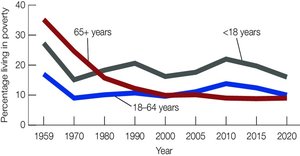
Family Poverty: Limits access to resources, increases stress, and can affect mental health and cognitive development.
Neighborhood Poverty: Associated with environmental risks, exposure to violence, and limited access to services.
School Poverty: Schools with high poverty rates often lack adequate support and resources.
Example: Children in high-poverty neighborhoods may face food insecurity and limited access to healthcare, impacting academic and social outcomes.
Risk and Protective Factors
Resilient Children: Develop typically despite poverty, often due to easygoing temperament, motivation, and community support.
Vulnerable Children: Experience developmental problems due to accumulated stress and lack of protective factors.
Protective Factors: Include high parental involvement, supportive community programs, and secure attachments.
Media Influences on Development
Access and Use of Digital Devices
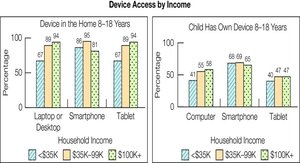
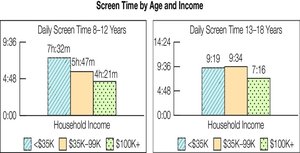
Media exposure is a significant aspect of children’s environments. Device access varies by household income, but smartphone ownership is widespread across income groups. However, daily screen time is higher among lower-income children.
Television, Video, and Video Games
Television and Video: Most children spend 2–3 hours daily watching TV or videos. Content can influence food preferences, reinforce stereotypes, and affect emotional regulation. Bandura’s "Bobo doll" experiment demonstrated that children imitate televised violence, with effects persisting into adulthood.
Video Games: Children spend 1–2 hours daily playing games. Some games enhance spatial skills and provide a sense of competence, but concerns include exposure to violence, sedentary behavior, and potential for addiction.
Example: Educational programs can improve vocabulary, while violent games may increase emotional hostility and aggressive tendencies.
Chapter Summary
Freud’s latency stage (ages 6–12): Libido is dormant; focus on social and cognitive skills.
Erikson’s industry vs. inferiority: Children strive for competence and achievement.
Trait and social-cognitive theories: Personality traits and self-concept develop through interactions among personal, environmental, and behavioral factors.
Self-esteem is shaped by achievement and perceived social support.
Moral reasoning evolves from rule-based (moral realism) to intention-based (moral relativism).
Friendships become more stable and selective; gender segregation peaks.
Risks of poverty can be mitigated by protective factors such as secure attachment and effective schools.
Media exposure has both positive and negative effects on development, depending on content and context.
