 Back
BackBiological Psychology: Genetics, Neuroscience, and Behaviour
Study Guide - Smart Notes
 Tailored notes based on your materials, expanded with key definitions, examples, and context.
Biological Psychology
Introduction to Biological Psychology
Biological psychology applies principles of biology to the study of mental processes and behaviour, aiming to understand the biological mechanisms underlying psychological phenomena. Researchers in this field often measure biological variables and relate them to psychological or behavioural outcomes.
Key Point: Biological psychology explores how genetics and neurological processes influence behaviour, such as the role of dopamine in schizophrenia.
Key Point: Both genetic and neurological bases are central to understanding human behaviour, alongside social, emotional, cultural, and environmental factors.
Genetic Basis of Behaviour
Genes, Environment, and Behaviour
Psychologists investigate the extent to which behaviours and characteristics (e.g., intelligence) are influenced by inheritance (genes) or environmental factors. Twin and adoption studies provide evidence for genetic determination, but environmental influences are also significant.
Key Point: Behavioural traits can be shaped by both genetic inheritance and environmental conditions.
Example: Intelligence is influenced by both genes and upbringing.
Principles of Hereditary Transmission
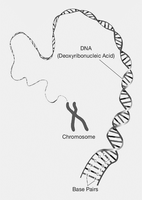
Genetic information is stored and transmitted via chromosomes, which are composed of DNA. Genes, the basic units of heredity, are segments of DNA made up of four nucleic acids: adenine (A), cytosine (C), guanine (G), and thymine (T). Genes exist in different forms called alleles.
Chromosomes: Structures that store and transmit genetic information.
DNA: The substance of chromosomes, shaped as a double helix.
Gene: Segment of DNA located along chromosomes; basic unit of heredity.
Alleles: Different forms of a gene, influencing various traits.
Gene Expression and Inheritance
Alleles can be dominant or recessive, affecting trait expression. Each gene pair consists of one allele from each parent. Dominant alleles mask the effects of recessive alleles in simple inheritance patterns.
Dominant Allele: Expressed trait when present.
Recessive Allele: Expressed only when paired with another recessive allele.
Behavioural Genomics
Behavioural genomics studies how genetic variations influence behaviour, personality, and mental health. The Human Genome Project (HGP) has mapped most human DNA, leading to advances in understanding brain function and behaviour.
Key Point: Genetic research enables targeted treatments and genetic testing for mental health and behavioural traits.
Epigenetics
Epigenetics examines how environmental factors can alter gene expression without changing the DNA sequence. Chemical tags (epigenetic tags) can be added or removed from DNA, affecting how genes are read.
Key Point: Epigenetic changes are reversible and can be influenced by diet, stress, or trauma.
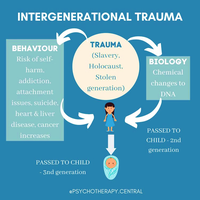
Example: Trauma can leave epigenetic marks that affect future generations.
Methylation
Methylation is an environmentally triggered biochemical process that silences or reduces gene expression. It involves chemical modification of DNA, which can be retained as cells divide.
Key Point: Methylation is a major mechanism of epigenetic regulation.
Genotype and Phenotype
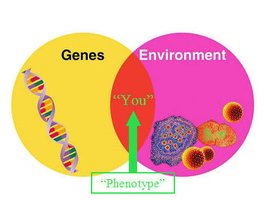
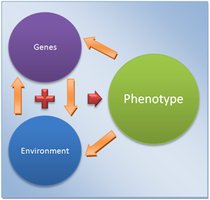
Genotype refers to the genetic makeup of an individual, while phenotype is the observable characteristics resulting from the interaction of genotype and environment.
Genotype: The set of genes an individual possesses.
Phenotype: The observable traits and behaviours shaped by both genes and environment.
Equation:
Cell Division: Mitosis and Meiosis
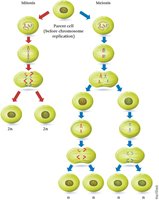
Mitosis is the process of normal cell division, duplicating DNA and producing two identical cells. Meiosis creates gametes (sex cells), halving the chromosome number, which is restored upon fertilization.
Mitosis: Produces identical cells for growth and repair.
Meiosis: Produces gametes for sexual reproduction.
Behavioural Genetics
Studying Genetic Influence on Behaviour
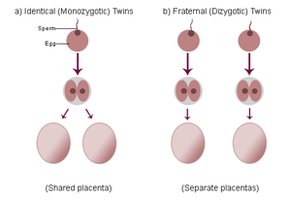
Behavioural genetics compares individuals with varying degrees of genetic relatedness to measure trait similarities. Twin and adoption studies are key methods.
Twin Studies: Compare monozygotic (identical) and dizygotic (fraternal) twins to assess genetic vs. environmental influences.
Adoption Studies: Compare adopted children to biological and adoptive parents to separate genetic and environmental effects.


Neurological Basis of Behaviour
The Nervous System
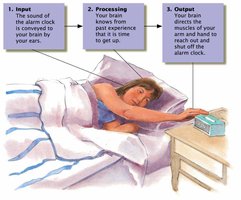
The nervous system is responsible for receiving sensory input, processing information, and producing bodily actions. It consists of two main systems:
Central Nervous System (CNS): Brain and spinal cord; processes information and coordinates actions.
Peripheral Nervous System (PNS): Nerves outside the CNS; includes somatic (voluntary movement) and autonomic (involuntary functions) systems.
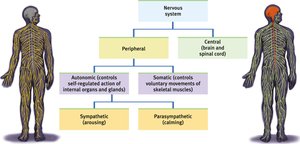
Somatic and Autonomic Nervous Systems
Somatic Nervous System: Controls voluntary movements and processes sensory information.
Autonomic Nervous System: Regulates organs and glands; includes sympathetic (stress response) and parasympathetic (calming) divisions.
Brain Structure and Function
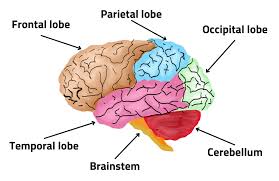
The brain is divided into lobes, each with specialized functions:
Frontal Lobe: Personality, decision-making, movement, speech (Broca's area).
Temporal Lobe: Memory, speech, rhythm, smell.
Parietal Lobe: Spatial relationships, pain, touch, language comprehension (Wernicke's area).
Occipital Lobe: Vision.
Neurons and Neurotransmitters
Neurons are the basic cells of the nervous system, consisting of a cell body, dendrites, axon, myelin sheath, and axon terminals. Neurotransmitters are chemical messengers that enable communication between neurons.
Key Neurotransmitters: Eight major neurotransmitters, each with specific functions (see textbook for details).
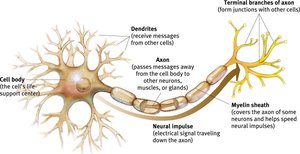
Neuron Communication and Synaptic Transmission
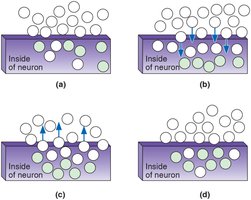
Neurons communicate via synapses, where neurotransmitters are released from one neuron and received by another. Communication can be excitatory or inhibitory.
Action Potential: Electrical impulse that travels along the neuron, triggered by changes in electrical charge.
Resting Potential: Neuron's baseline negative charge.
Synaptic Transmission: Process by which neurotransmitters cross the synaptic gap to influence the receiving neuron.

The Endocrine System
Hormones and Behaviour
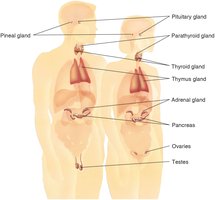
The endocrine system consists of glands that secrete hormones into the bloodstream, influencing bodily functions and behaviour.
Key Glands: Hypothalamus, pituitary, pineal, thyroid, adrenal, pancreas, ovaries, and testes.
Function: Maintains homeostasis, regulates metabolism, energy, and body temperature.
The Brain Across the Lifespan and Neuroplasticity
Brain Development and Aging
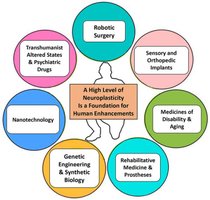
The brain changes throughout the lifespan, with normal aging affecting structure and function. Neuroplasticity refers to the brain's ability to reorganize and adapt following injury or experience.
Key Point: The brain can repair itself by regenerating neurons, sprouting new dendrites, and reorganizing connections.
Example: Research into neuroplasticity informs treatment for spinal cord injury, Parkinson's, stroke, and dementia.
Final Thought
The Uniqueness of the Human Brain
Neuroscience is a rapidly advancing field, revealing the complexity and uniqueness of each human brain. The brain defines individuality and is central to understanding behaviour and mental processes.
Key Point: Every human brain is unique, making each person distinct.
