 Back
BackClassification and Assessment of Abnormal Behavior: DSM-5 and Psychological Assessment
Study Guide - Smart Notes
 Tailored notes based on your materials, expanded with key definitions, examples, and context.
Classification and Assessment of Abnormal Behavior
Learning Objectives
This section introduces the foundational goals for understanding classification and assessment in abnormal psychology. Students should be able to describe classification processes, relate DSM-5 to cultural concepts, evaluate classification systems, analyze assessment processes, and compare assessment procedures.
Describe theoretical processes of classification: Understanding how disorders are grouped and defined.
Relate DSM-5 classification to cultural concepts of distress: Recognizing the role of culture in symptom expression and diagnosis.
Evaluate mental disorder classification systems: Critically assessing reliability and validity.
Analyze psychological assessment processes: Exploring methods for evaluating mental health.
Compare psychological assessment procedures: Differentiating between interviews, tests, and observational methods.
Diagnosis and Classification
Diagnosis is the identification or recognition of a disorder based on its characteristics. It allows clinicians to utilize accumulated knowledge about the disorder, but assigning a diagnosis does not necessarily mean the cause (etiology) is known.
Diagnosis: The process of identifying a disorder from symptoms and signs.
Classification system: Used to organize disorders into categories or dimensions.
Categories vs. Dimensions:
Categorical approach: Disorders are distinct entities.
Dimensional approach: Disorders are measured along a continuum.
Diagnostic Systems
Two major diagnostic systems are used worldwide: the DSM (Diagnostic and Statistical Manual of Mental Disorders) and the ICD (International Classification of Diseases).
DSM-5: Lists specific criteria for each diagnostic category. Multiple diagnoses can be assigned if criteria for more than one disorder are met.
ICD: International system for classification of diseases, including mental disorders.
Culture and Classification
The DSM-5 encourages clinicians to consider cultural factors in both the expression and recognition of symptoms. For example, ataques de nervios is a culturally specific syndrome observed among people from Puerto Rico and the Caribbean.
Cultural concepts of distress: Unique ways in which cultures express and interpret psychological symptoms.
Clinical implications: Awareness of cultural syndromes improves diagnostic accuracy and sensitivity.
Evaluating Classification Systems
Classification systems are evaluated based on reliability and validity. Reliability refers to consistency, while validity refers to accuracy. DSM-5 categories are based on research and clinical experience.
Reliability: Consistency of diagnosis across clinicians (interrater reliability) and over time (test-retest reliability).
Validity: The extent to which a diagnosis accurately reflects the disorder.

Problems and Limitations of DSM-5:
DSM-5 uses a categorical approach, while many symptoms are dimensional.
It does not fully utilize information about the course of disorders over time.
Assessment Procedures
Assessment procedures are evaluated for reliability and validity, and must account for cultural differences. Common types include interviews, observational procedures, and psychological tests.
Reliability: Includes test-retest and split-half reliability.
Validity: Ensures the assessment measures what it intends to.
Interviews
Interviews are the most commonly used procedure in psychological assessment. They can be structured (standardized questions) or unstructured (open-ended).
Structured interviews: Provide consistency and reliability.
Unstructured interviews: Allow flexibility and depth.
Observational Procedures
Observational procedures may be formal or informal, conducted in natural or controlled environments. Tools include observation rooms, rating scales, and behavioral coding systems.
Advantages: Direct observation of behavior.
Disadvantages: Observer bias, limited generalizability.
Personality Tests and Self-Report Inventories
Personality inventories, such as the MMPI-2, are objective tests that provide information about a person's test-taking attitude and cover a wide range of problems efficiently. They are scored objectively and can be interpreted actuarially.
Advantages: Efficient, objective, broad coverage.
Limitations: May not capture all aspects of personality or psychopathology.
Projective Personality Tests
Projective tests present ambiguous stimuli to uncover unconscious motivations. Examples include the Rorschach Test and the Thematic Apperception Test (TAT).
Advantages: Can reveal hidden aspects of personality.
Limitations: Subjective interpretation, questionable reliability and validity.

Neuropsychological Testing
Neuropsychological tests assess cognitive, motor, and sensory functions to identify brain dysfunction. These tests are important for diagnosing conditions such as dementia, brain injury, and developmental disorders.
Biological Assessment Procedures
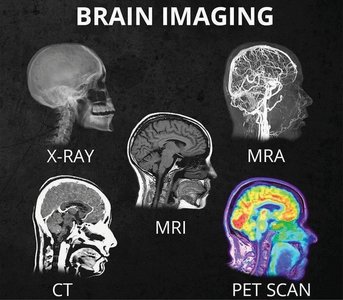
Biological assessment includes brain imaging techniques, which provide static or dynamic images of brain structure and function. These methods are crucial for understanding the biological basis of mental disorders.
Static imaging: Shows brain structures at rest (e.g., CT, MRI).
Dynamic imaging: Shows brain activity (e.g., PET scan).

Summary Table: DSM-5 Diagnostic Reliability
The following table summarizes the test–retest reliability of DSM-5 diagnoses from field trials, indicating the level of agreement for various disorders.
Diagnosis | Agreement Level | Reliability Score |
|---|---|---|
Posttraumatic stress disorder | Very good | 0.67 |
Bipolar I disorder | Good | 0.56 |
Binge eating disorder | Good | 0.55 |
Borderline personality disorder | Good | 0.54 |
Schizophrenia | Good | 0.46 |
Alcohol use disorder | Good | 0.46 |
Major depressive disorder | Questionable | 0.28 |
Antisocial personality disorder | Questionable | 0.21 |
Generalized anxiety disorder | Questionable | 0.20 |
Autism spectrum disorder | Very good | 0.69 |
Attention deficit hyperactivity disorder | Very good | 0.61 |
Conduct disorder | Good | 0.46 |
Additional info: The notes expand on brief points to provide academic context, definitions, and examples for clarity and completeness.
